Lately, everyone's talking more and more about recycled lithium powder, and honestly, it makes a lot of sense. As we really ramp up demand for lithium-ion batteries, finding good ways to recycle them is more important than ever. Companies like LiCycle and American Battery Technology are really leading the way in trying to make this happen.
Recycling lithium powder isn’t just good for the environment — it also helps cut down on waste and protects our natural resources. When companies focus on recycling, they’re doing their part to reduce the environmental footprint. But, of course, it’s not all smooth sailing. The tech is still catching up, and recycling efficiencies can vary quite a bit.
Plus, not all recycling methods are created equal. Some companies might be a bit hush-hush about how they do things, or maybe not as transparent as they should be. It’s really important for us as consumers to stay informed and push for better practices once we know what's going on. Getting the hang of these details is key if we want a greener future. Recycling lithium powder definitely has the potential to help build a more sustainable world, but it’s going to need continuous improvement and closer attention along the way.
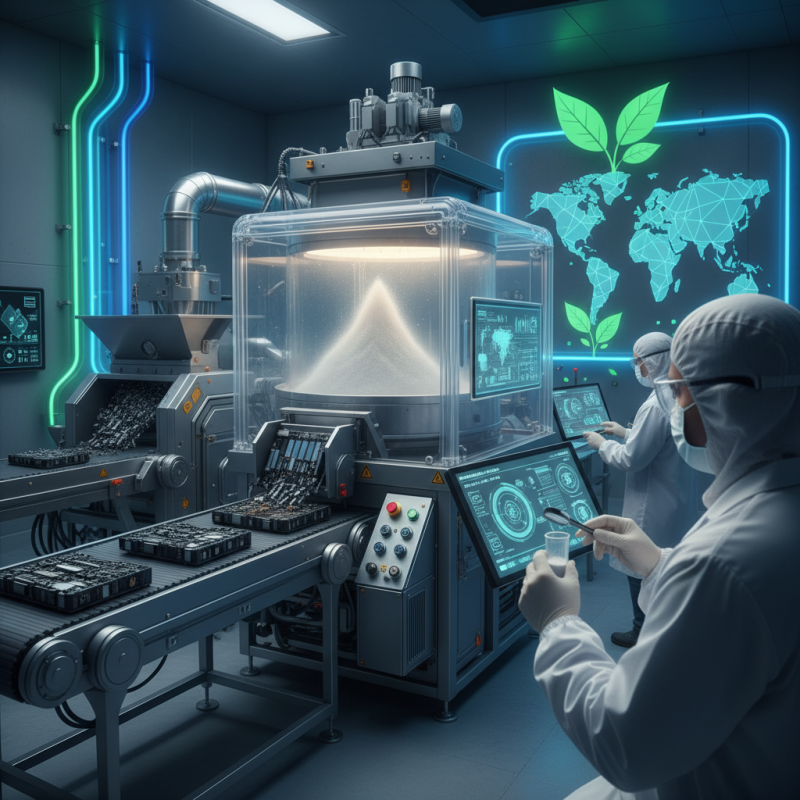
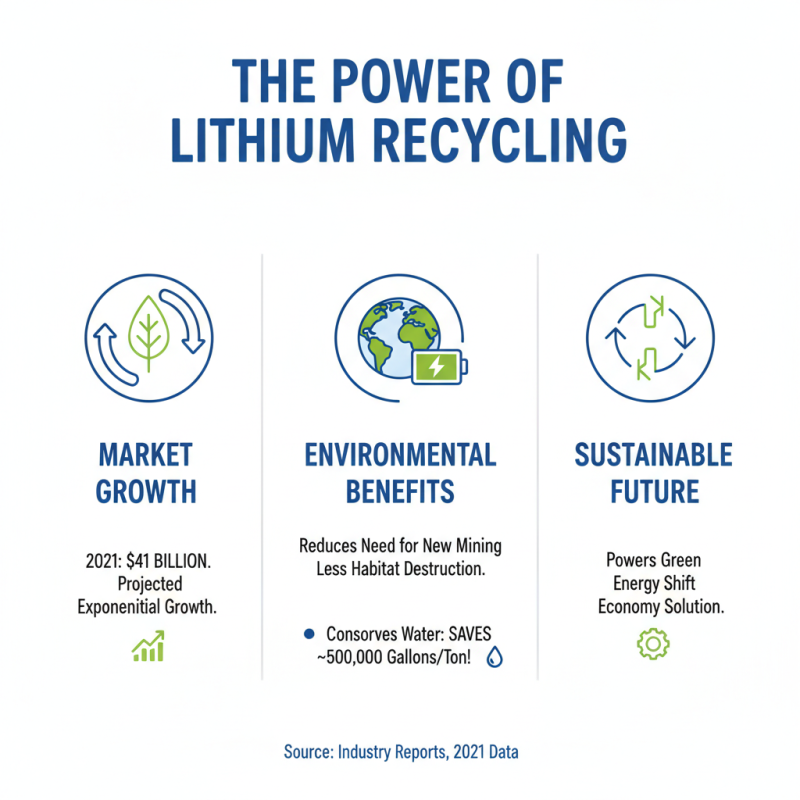
Recycling lithium powder offers significant benefits for sustainable practices. In 2021, the lithium-ion battery market was valued at approximately $41 billion and is expected to grow exponentially. As the world shifts towards greener energy, the demand for lithium will only increase. Recycling lithium can reduce the need for new mining, which typically causes environmental degradation. It’s reported that extracting lithium from ores consumes nearly 500,000 gallons of water per ton. Thus, recycling becomes a viable solution.
By recycling lithium powder, companies can recover around 95% of the lithium used in batteries. The process minimizes waste and reduces the carbon footprint associated with new lithium production. Furthermore, reused lithium requires less energy, making it more cost-effective. Interestingly, about 60% of lithium-ion batteries end up in landfills, which can lead to hazardous waste. Improving recycling efforts could prevent this issue from worsening.
Tips: Consider joining local recycling programs or advocating for them in your community. Supporting policies that promote lithium recycling can also drive change. Every effort, no matter how small, contributes to a more sustainable future. Engaging in awareness campaigns could highlight the importance of lithium recycling. Making conscious decisions today can have lasting impacts tomorrow.
Recycled lithium powder has key applications across various industries. In electric vehicles (EVs), it enhances battery performance. Manufacturers use this powder to create more efficient, lightweight batteries. Recycling lithium reduces the need for new materials, cutting down on environmental impact.
In renewable energy sectors, recycled lithium powder plays a crucial role. It boosts the efficiency of energy storage systems. These systems manage solar and wind energy effectively. Better performance leads to lower costs and increased adoption of green technologies.
Tips: Always consider the source of recycled materials. Not all recycling processes are equally effective. Assessing the purity of recycled lithium is vital for optimal performance. Additionally, keeping an eye on innovations in recycling methods can provide insights into improving the overall process. Balancing use and sustainability is a challenge worth considering.
Recycled lithium powder shows significant benefits compared to raw lithium powder. This recycled material has a lower environmental impact. It reduces the need for new mining operations. Mining can be destructive, leading to habitat loss and water depletion. By using recycled lithium, we lessen this pressure on natural resources.
The properties of recycled lithium powder are often comparable to raw materials. However, some energy-intensive processes are involved in recycling. The purity of recycled lithium can vary. Sometimes, it may not meet the specifications needed for all applications. This inconsistency can lead to challenges in certain industries.
In practical terms, recycled lithium presents unique advantages. It can be more cost-effective in some instances. However, companies must carefully evaluate its quality. Some companies lack the technology to recycle efficiently. Investing in recycling solutions can be complex, requiring time and resources. While the potential is there, the journey toward optimal recycling remains a work in progress.
| Aspect | Recycled Lithium Powder | Raw Lithium Powder |
|---|---|---|
| Cost | Lower production cost due to recycling processes | Higher extraction and processing costs |
| Environmental Impact | Significantly reduces waste and carbon footprint | Higher environmental degradation during extraction |
| Purity | Can achieve high purity levels with advanced techniques | Generally high purity obtained directly from ores |
| Availability | Increases as recycling technology advances | Dependent on mineral deposits; may fluctuate |
| Applications | Suitable for batteries, ceramics, and glass | Mainly used in battery production and industrial applications |
| Market Trends | Growing demand due to sustainability focus | Stable demand but subject to resource limitations |
The environmental impact of lithium powder recycling is becoming increasingly significant. As demand for lithium batteries rises, so does the need for responsible disposal and recycling methods. Recycling lithium reduces the need for raw material extraction, a practice often linked to severe environmental degradation.
Mining lithium can lead to water depletion and soil erosion. In contrast, recycling minimizes these issues. Reclaimed lithium powder uses less energy compared to its raw counterpart. However, the recycling process itself is not without challenges. Contaminants can affect the material quality. Facilities require advanced technologies to ensure efficiency.
Moreover, the collection process can be inefficient. Many batteries end up in landfills rather than recycling centers. This reflects a need for improved education on proper disposal methods. Encouraging recycling habits can mitigate the pressure on natural resources. Enhanced regulations could also foster better recycling practices. Overall, while there are clear benefits, the journey toward sustainable lithium recycling is still a work in progress.
The economic advantages of utilizing recycled lithium powder are becoming increasingly clear. As demand for lithium grows, recycling offers a sustainable solution. It reduces the need for new mining activities, which can be costly and environmentally damaging. In fact, recycling lithium can cut production costs significantly.
The process of recycling lithium powder can create job opportunities. This includes sorting, processing, and transporting the recycled materials. Additionally, businesses can benefit from lower raw material costs. Using recycled lithium reduces reliance on unstable markets for primary resources.
However, challenges exist in the recycling sector. Not all lithium batteries can be recycled efficiently. Some may require additional processing, increasing costs and energy use. Implementation of better recycling technologies is essential. Investing in research could lead to more efficient methods. It's crucial to evaluate existing practices for improvement. The potential benefits are substantial, but they need careful consideration.
Innovative technologies in lithium powder recycling are reshaping the battery industry. Advanced methods now enable us to recover lithium efficiently from used batteries. These technologies use less energy and generate lower emissions compared to traditional mining. The process begins with sorting and shredding batteries, making it easier to extract lithium and other valuable materials. This not only reduces waste but also promotes a circular economy.
Tips: Consider using recycled lithium for new batteries. This can lead to cost savings and environmental benefits. Also, look for local recycling programs that support sustainable practices.
Despite the benefits, challenges remain. Not all recycling processes are efficient. Some methods still produce toxic byproducts. Awareness of these issues can lead to better choices. Continuous improvement is essential in this evolving field. Engaging with stakeholders can help push innovations further.
It's important to stay informed. Research new technologies and their impacts. Explore various recycling options. Striving for authenticity in this industry can ensure a sustainable future.
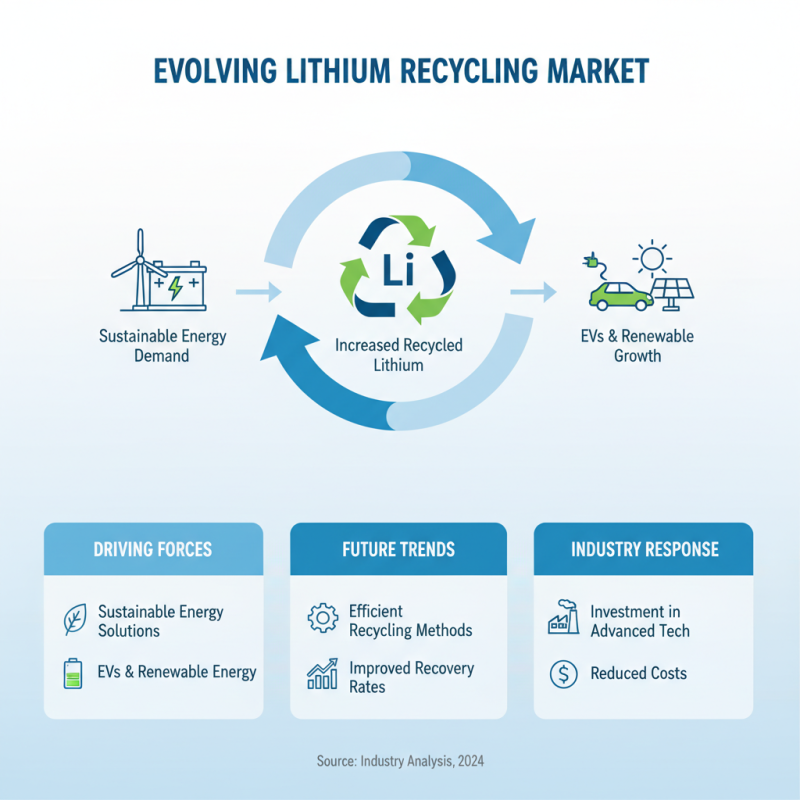
The recycling market for lithium powder is evolving. This trend is driven by the demand for sustainable energy solutions. As electric vehicles and renewable energy sources grow, so does the need for recycled lithium. Future trends indicate a shift towards more efficient recycling methods. Many companies are investing in advanced technologies. These technologies aim to improve recovery rates and reduce costs.
Tips: Look for community programs for recycling lithium-ion batteries. Your locality may have resources to help. Every little effort counts in reducing waste.
Recycled lithium offers several benefits. It significantly lowers the carbon footprint compared to mining. Furthermore, the demand for lithium is expected to surge. This creates opportunities for innovation in the recycling process. Companies may need to grapple with the cost of new technologies. Some may hesitate due to initial investment requirements.
Tips: Educate yourself on the recycling processes. Knowledge can empower better choices. Explore local initiatives that focus on lithium recycling.
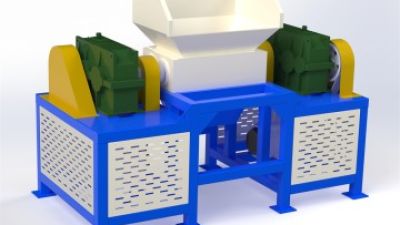
The shift towards sustainable energy solutions has led to a heightened focus on lithium battery recycling, making the role of lithium battery shredders increasingly vital. These innovative machines are specifically designed to handle the complexities of processing used lithium batteries. With a unique structural design, thE Shredders are equipped with high-strength crushing chambers and durable, sharp knives made from special alloy materials. This design ensures they can withstand the considerable forces involved in shredding, providing an efficient and effective means of breaking down batteries into manageable pieces.
The powerful drive motor embedded in these shredders offers the stability and sufficient power necessary for continuous operation. This enables them to quickly and efficiently reduce entire lithium batteries into smaller particles. The ability to break down various materials found within lithium batteries, such as lithium powder, iron, aluminum, and copper, makes these shredders an essential component of the recycling process. By effectively managing the shredding of these materials, lithium battery shredders play a crucial role in the sustainable lifecycle of energy storage solutions, contributing to a greener future.
: The product aims to enhance daily activities. It offers convenience and efficiency to users.
Follow the included instructions for best results. Practice may be needed to get comfortable with it.
Yes, be cautious while using it. Avoid exposing it to extreme conditions or excessively high temperatures.
Compatibility varies. Check the specifications to ensure it works well with other items you own.
Try resetting it first. If the problem persists, review the troubleshooting section in the manual.
Use a soft cloth and mild cleaner. Avoid abrasive materials that can scratch the surface.
You can usually find a digital version online. It’s good practice to save important documents.
The lifespan can vary based on usage. Regular maintenance can help extend its longevity.
It is designed to be lightweight. However, ensuring it’s well-protected during transport is crucial.
Most have some form of warranty. Always review the details to understand your coverage better.
Recycling lithium powder is an essential practice for promoting sustainability across various industries. The benefits of lithium powder recycled include reducing environmental waste, conserving natural resources, and lowering carbon emissions. This repurposed material finds numerous applications, particularly in the production of batteries, where it competes favorably with raw lithium powder in terms of performance and cost-effectiveness.
The environmental impact of lithium powder recycling is significant, as it mitigates the harmful effects of mining and processing raw materials. From an economic perspective, utilizing recycled lithium powder offers reduced production costs and supports the circular economy. As innovative technologies continue to emerge, the future trends in the lithium powder recycling market indicate a growing reliance on these sustainable practices, enhancing both environmental health and economic viability in the industry.