
- shanshui@shanshuizg.com
- We Will Respond to Your Inquiry Within 24 Hours of Receipt!
Leave Your Message
- Phone
- E-mail
- Whatsapp
- Wechat

First in green innovation in aluminium recycling plants, these make a relatively large contribution to reducing waste, the industry's natural resource heap. Obviously, going green has implications for the eco-friendliness of industry, so renewable aluminium production not only leaves very little behind but also brings along a wide array of industrial and economic benefits. The blog asks potential investors to consider those selling technologies in view of the top ten reasons for investing in this sector in the light of the world market-state.
In its six years of existence, Henan Shanshui Heavy Industry Technology Co., Ltd., has been carving its own mark in green technology, be it equipment or machinery. With a strong focus on research and development, the company produces the state-of-the-art machineries for waste Solar Panels and lithium batteries. In the middle of all these, our expertise extends to aluminium recycling plants, where we might like to explore ways that could really assist, if correctly adopted by the advanced color separation technology, in recycling well. Let's imagine the rapid changes an aluminium recycling plant could bring and, hence, the profound necessity of a massive investment in that sector.

The realm of recycling, and recycled aluminum in particular, are becoming major elements in any modern-day industry. The traditional processes in manufacturing are slowly becoming automatic. It has become evident that aluminum recycling projects are not just a walk in the park for waste management; they supply industries with high-quality materials that meet sustainability standards. For example, the bulk of the investments in integrated aluminum solutions brings attention to the development of closed-loop recycling systems, mostly within automotive. As interest in lightweight materials to manufacture fuel-efficient vehicles rises, recycled aluminum is being treated as a core resource that has the potential of saving on energy alongside substantial cuts in carbon emissions during production. Technological advances in recycling are helping enhance new approaches in applications for recycled aluminum. For example, the automotive sector is increasingly utilizing recycled aluminum for manufacturing auto parts that take advantage of strength along with lightweight properties and durability. The global majors have installed large recycling capacities, thereby emphasizing and cementing the importance of recycled aluminum. It is said that recycling aluminum saves around 95% energy to produce new aluminum from raw materials; hence, it is a very attractive option for many businesses in their journey of reducing their environmental footprint. As the world continues to practice circular economy principles, recycling of aluminum presents tremendous possibilities in different sectors from automotive to packaging. Looking at the projections ahead, the recycled aluminum market is poised for great growth in the coming years. Hence, industry stakeholders recognize the importance of investing now to take advantage of these trends. The growing regulations and consumer demands for sustainable practices enhance the need for innovation into recycling, with recycled aluminum emerging as a key resource for future industries.
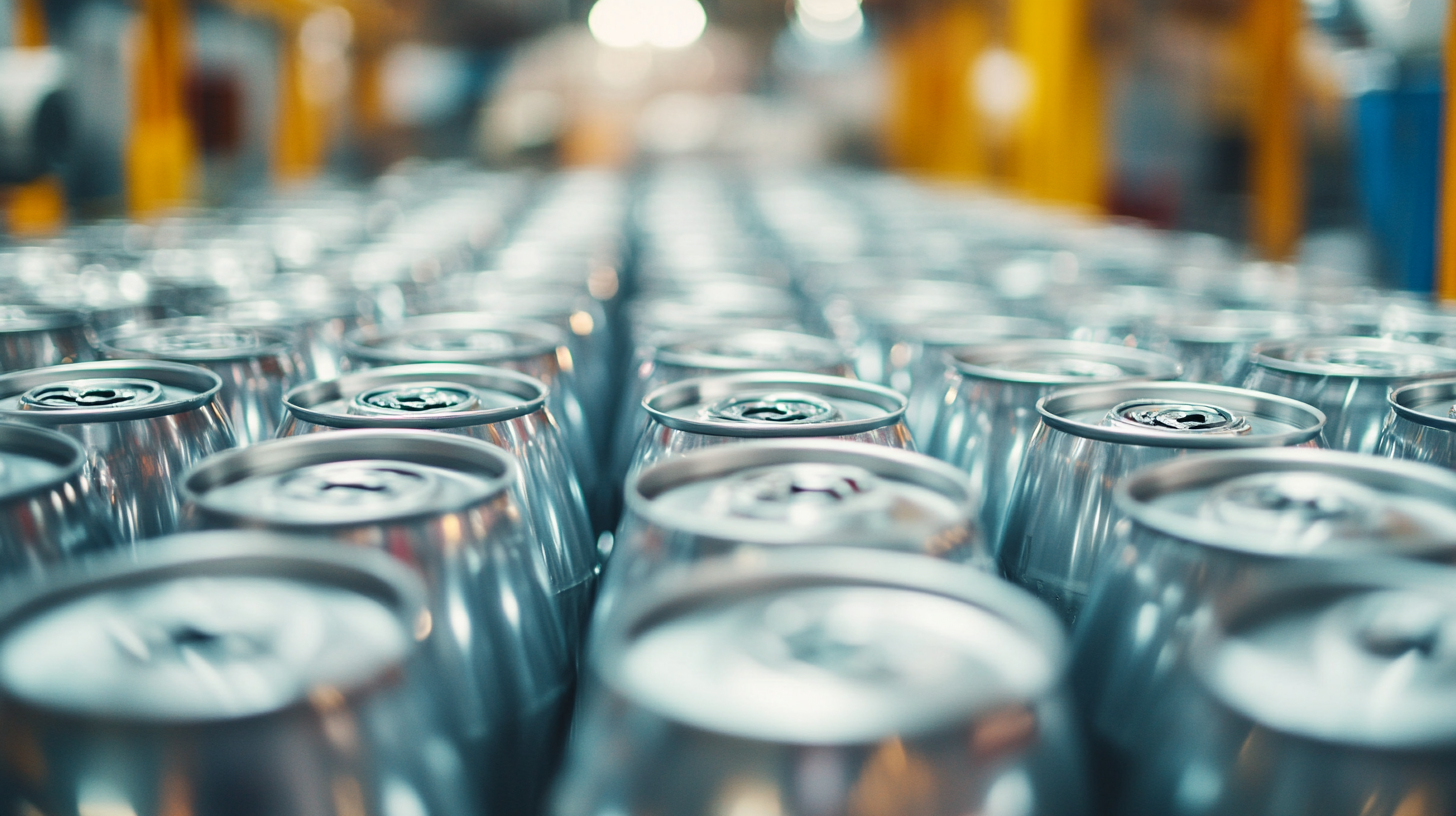
The importance of aluminum recycling in promoting an environment-friendly and sustainable way of living is unsurpassed. Recycling aluminum, as a report by the International Aluminium Institute states, saves up to 95% of the energy needed to produce new aluminum from ore. This significant energy saving accounts for a profoundly reduced greenhouse gas emission, since producing primary aluminum is notoriously a carbon-intensive process. It is estimated that recycling one ton of aluminum prevents about 9 tons of CO2 from entering the atmosphere.
The lifecycle impact of recycled aluminum is less negative than virgin aluminum. Re-melting scrap involves almost none of the freshwater or raw materials needed mining and processing bauxite, according to the Aluminium Association study. The annual increase in global demand for aluminium is projected to be 3.4%. Thus, recycling is an environmental attribute yet an economic advantage. Investing in aluminium recycling plants will make businesses even busier driving towards a circular economy that limits waste and optimizes conservation of resources.
Aluminium recycling, therefore, does not just reduce energy consumption; it has a plus for the environment against land degradation due to mining operations. Mining, according to the World Bank, can cause soil erosion and destruction of ecosystems, which are temporary but severe effects for the regions affected. With its potential to move towards a very strong recycling model, industries may reduce their needs for extraction and conservation of natural habitats, and thus aluminum recycling becomes important for environmental stewardship.
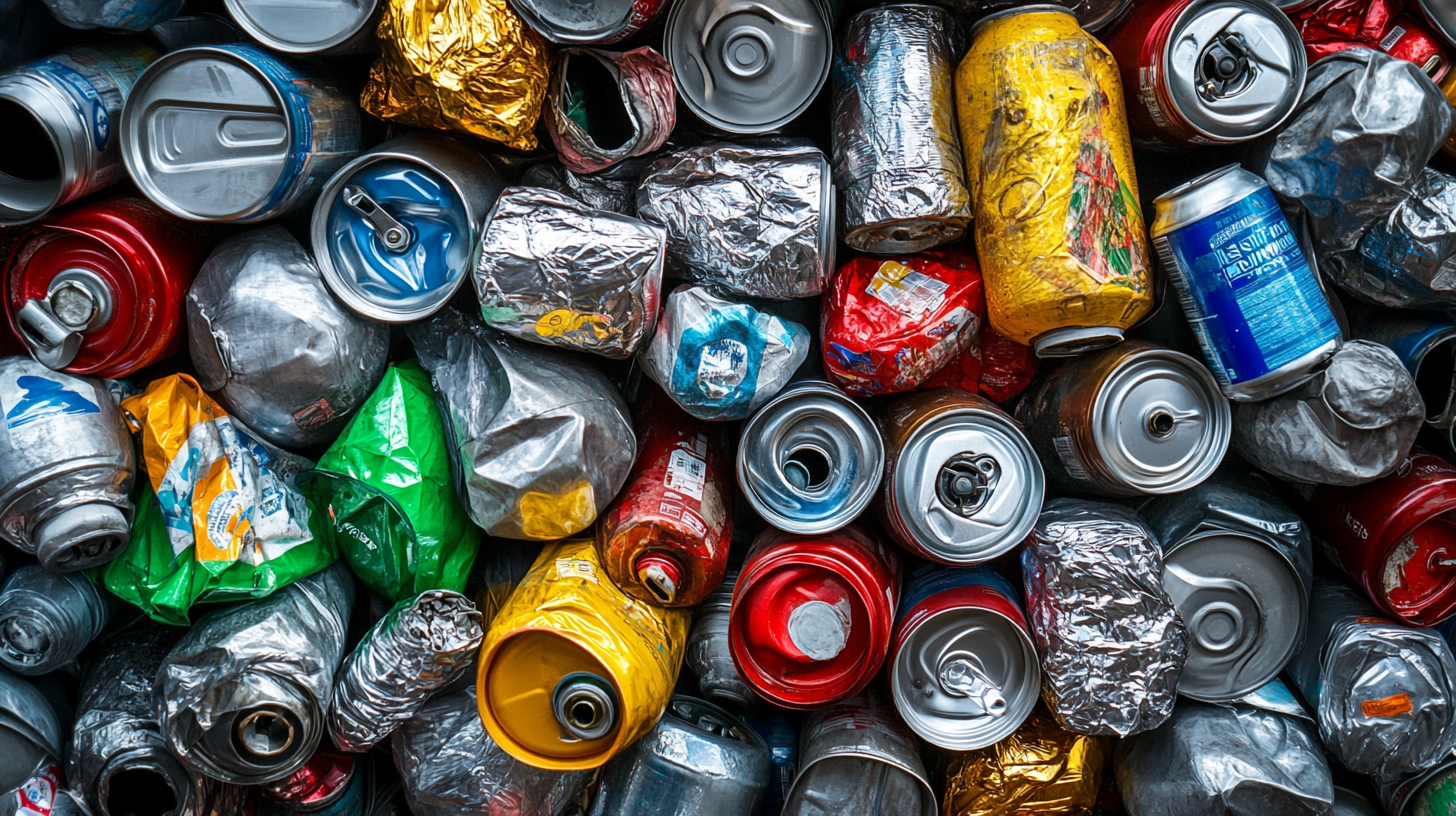
Aluminum recycling has become a critical indicator of sustainable manufacturing today since it aids businesses significantly lower costs and resource consumption. As recent developments show, Kings Aluminum will invest about 750 million dirhams into a world-class production and recycling facility for aluminum in Abu Dhabi's Khalifa Economic Zone. This investment further emphasizes the growing recognition of aluminum recycling as an important source to respond to economic and environmental requirements.
These economic arguments in favor of aluminium recycling are quite compelling. Aluminum industry statistics demonstrate that recycling aluminum could save some 95% of the energy required to produce new aluminum from bauxite ore. This dramatic energy savings leads to very large savings in business costs. A well-established recycling plant may process thousands of tons of Scrap Aluminum, providing a cheap and consistent raw material source for manufacturers. Divide between recycled and new materials can yield a brighter bottom line besides being market compliant.
An environmental angle gives an extra rent in aluminium recycling investments. The aluminium recycling industry is projected to grow at a CAGR of 7.4% across the next five years, reflecting the strong demand that both consumers and regulators have for sustainable practices. Such companies are poised to make profits from recycling aluminum and improve their corporate social responsibility image. Such companies will be taking action well in advance of the time of tightening waste regulations all over the world, which may give them a competitive advantage in the marketplace due to their early adoption with recycled material.

The advances made in the field of aluminium recycling technologies have paved a new way into the waste management and resource recovery techniques. The recent innovation made into the recycling is about streamlining the whole process, thus making recycling easy and cost-effective. Such techniques as hydrometallurgy and enhanced sorting technologies have increased the issue of higher purity recycled metals since most industries rely on high-grade materials. Artificial intelligence and automation in recycling operations, in addition to lower labor costs, can improve safety and productivity.
Additionally, closed-loop recycling systems are considered revolutionary processes. This recycling guarantees that aluminium will not lose its 100% quality with almost endless processing. It incorporates the entire principles of a circular economy because it does avoid waste and lowers the carbon footprints during production of virgin aluminium. Most importantly, as demand for aluminium continues to grow worldwide, fueled by industries such as automotive, construction, and packaging, closed-loop recycling systems have become crucial.
Cutting-edge aluminium recycling plants are targeting governments and industries of the world focusing on sustainability. Aside from efficiency in operations, advancements in technology also suit growing consumer demand for eco-friendly products. As regulatory reforms visit changes in production activities and as this effect becomes burdensome due to scarcity of resources, now is the time that stakeholders should take opportunities in this fast-changing industry and secure future benefits while enabling sustainability.
The importance of recycling aluminum cannot be stressed enough; it plays a highly important role in sustainable urban development, reducing waste, and conserving natural resources. As ever more urban areas go on expanding and as a result shift the focus from a waste management approach over to solutions, aluminium happens to be among the most recycled materials and thus is made for a circular economy model, whereby recycled products are brought back into the production system, without any landfill wastes and with far less energy used during production of primary aluminium and thus reduced greenhouse gas emissions as well.
Furthermore, aluminium recycling plants are also one-of-benefits to local economies, creating their own jobs and innovative ventures. Setting up facilities for cities that are turning to greener pastures may be a key factor for developing green technology and sustainable practice. Cities are now entering the next generation with investment in recycling aluminum. This will bring them to being trendsetters in the thing of sustainability; this, of course, means much investment by businesses and talents who are green hearing. This is an investment that not only pays dividends for an economy, but also makes better urban living environments for the citizenry - cleaner, healthier.
Of course, integrated in any successful urban development strategy is going to be all the economic benefits associated with aluminium recycling. However, it is also going to enhance local communities-drum more engagement and awareness within the communities concerning sustainability. Engaging people through public initiatives will have both an educative and participatory characteristic-at least charged the citizens with understanding of recycling and the consequences related to waste management as well for them to understand that they in fact actively share in it. Communities come together as they support aluminum recyclers. A culture of environmental stewardship is developed in a community whereby all of them within the community believe they should take care of the environment. This will generate a better future in urban cities.
Aluminium recycling ventures have in a lot of instances generated employment and are working towards enhancing a nation's economy. Presently, as there is a high demand for aluminium, companies like Rio Tinto and Novelis are continually investing into recycling. In its entirety, Rio Tinto has invested an amount of $110 million into a low-carbon aluminium smelter that could herald a major transition in the industry toward sustainable production. This smelting facility is being built as part of the Complexe Jonquière and is expected to bring great expertise and technological know-how in not only producing aluminium with fewer carbon emissions but also increasing job opportunities in the vicinity.
The aluminium sector plays a crucial role in the global economy and has a key role in development in the circular economy. According to a report, there are millions of jobs and considerable revenues generated through the recycling operations within the aluminium industry. The outlook for growth in the aluminium recycling market is huge in China, potentially aiding in emission reduction and strengthening local economies. These considerations lay emphasis on the necessity of investment in aluminium recycling plants, since they create jobs and also foster environmentally conscious production processes.
Furthermore, with Novelis investing $375 million in Jiangyin for the expansion of automotive aluminium sheet production, the focus on recycling has become ever more vital. The facility will feature melting and rolling processes in tandem with a closed-loop recycling facility, designed to supply high volumes of lightweight recyclable material for the automotive industry. Such initiatives illustrate how aluminium recycling not only spurs job creation but also stimulates research into sustainable materials, making it an attractive area for investment and development.
Aluminium recycling serves as a key decision-making factor for consumers and a means of brand loyalty in the more environmentally aware market. With consumers increasingly aware of the unfavorable environmental consequences of their purchasing actions, companies with environmentally friendly practices, such as aluminium recycling, stand to gain tremendously. By reducing carbon emissions in new aluminium production, this practice maintains its relevance to environmentally conscious consumers whose buying choices are swayed by responsible environmental care.
Aluminium recycling in product design showcases a brand's commitment to sustainability while making real connections with consumers. Recyclable materials and ecological values lead to greater brand loyalty for those who recognize recyclable materials. By promoting projects for recycling and backing up the efforts to use recycled aluminium, brands could create a community of environmentally aware consumers who may advocate for their brand, thus ensuring a steady purchase cycle and a greater share in the market.
Further, companies that speak openly about recycling efforts have an avenue to differentiate themselves in a very crammed market. These consumers are much more likely to support companies who share their values, which not only strengthens their bond with the brands but also enables organic marketing by their own word-of-mouth recommendations. To view aluminium recycling as anything less than their future of sustaining positive brand relationships would be a disservice to their choice-making process in an ever-evolving consumer landscape.
Investing in aluminium recycling is an attractive opportunity for profitability and making a significant environmental impact. The system International Aluminium Institute states that recycling one tonne of aluminium saves up to 9 tonnes of carbon dioxide emissions. It is a crucial component in the fight against climate change. This reduced carbon footprint dovetails with sustainability everybody has to achieve, which is becoming more critical with respect to consumer demand and corporate strategy. This is why many consumers reward companies with lower carbon footprints by boosting brand loyalty and customer engagement when they make such efforts.
The aluminium recycling sector definitely has ample scope for revenues. According to a recent report from Mordor Intelligence, the worldwide aluminium recycling industry is expected to flourish at a CAGR of over 7% during the period from 2021 to 2026. With rising product demand from various sectors such as automotive, construction, and packaging, it is now rising. Recycling lowers production costs because it requires up to 95% less energy when producing primary aluminium, translating to a higher margin for businesses. Now, with greater regulatory support, tax breaks, and grants for recycling initiatives, there are financial motivations involved. This not only reduces initial investments but also guarantees a long-term return on it, making it the right time for aluminium recycling facilities.
Therefore, it is a profit that can be shared which positions aluminium recyclers within the totally different landscape. Increasing consumer demand in the market for alternative clean and green technologies, coupled with favourable economic schemes, can help investors make money now while ensuring that very little will be left for the future. Certainly, this combination of profit and environmental concern will decide future investments in the aluminium recycling segment.
Many Who Changes Circulating Engineering Together with Recyclable Aluminium Future, very Soon Present Trend Applicable Concerning Aluminium Recycling. Driving Efficiency in Technologies and New Methodologies, This Bright Future Will Look at Advanced Sorting and Automated Systems to Achieve Increased Purity of Recyclables. It Is Not a Trend, but a Game Changer with a View to Be Making Recycling Operations More Efficient and Effective with AI and Machine Learning in These Processes.
The Market is Expected to Boom in Aluminium Recycling because Industries Have Got Very Serious About the Requirement for Sustainable Materials. There's Nothing Stopping Demand for Aluminium Now Because of Its Worldwide Scope; in the Face of That, the Circularity Has All the More Appealing Characteristics. Companies Would Then Lay Strong Value on Recycled Aluminium in Order to Meet Their Sustainability Strategies With Reduced Costs. Such Would Be the Way They Dig in Keeping Up with Preserving Conservation, As Well as Consumer Pursuits of More Environment-minded Practices in Brand Loyalty.
Investing in aluminium recycling today goes beyond strategic business improvement, incorporating a broader drive for responsible consumption and reduced waste. Those willing to adopt these emerging changes in technology and market dynamics will early be getting into a leadership position when recycled materials will dominate the spawn future of manufacturing and production across numerous sectors.
Aluminium recycling plants are turning into spaces for environmental salvation and becoming centers for social transformation across nations. Multiple case studies point out how such facilities can create an economy, develop jobs, and promote sustainability in the communities around them. For instance, a small town in California needed 150 jobs, yet present recycling plants caused a 25% drop in the waste produced. The twofold benefit indicates a major turn in how communities would use recycling programs for an advanced socioeconomic agenda.
In addition, many successful aluminium recycling schemes engage the community at the local level through education programs about sustainability and recycling. One such example comes from a partnership with the community in Europe when local schools collaborated with recycling sites in an integrated curriculum that taught kids about the recycling process and promoted an active/private role in their environment. This integration has been essential in shaping a culture of sustainability beyond plant walls, winery, and family involvement.
Typically, apart from employment and education, aluminium recycling creates value-added jobs through the multiplier effect in their economic contributions to local economies. They amplify trade and support other industries within logistics and manufacturing by sourcing materials relatively close to their plants. According to one case study from an Australian city, closure of certain local businesses can be attributed to increased patronage, generated by shuffling environmental events, foot traffic by workers from the plant. As those changes are visible to the communities where they occur, the drive towards investment in such aluminium recycling plants grows not as waste management solutions alone, but as community enhancers as a whole.
Aluminium recycling can save up to 95% of the energy required to produce new aluminium from raw materials, leading to substantial financial savings and reduced operational costs for businesses.
Aluminium recycling initiatives lead to significant investments in facilities that create numerous job opportunities, as seen with companies like Rio Tinto and Novelis, which are expanding their recycling capabilities.
The aluminium recycling industry is projected to grow at a CAGR of 7.4% over the next five years, driven by heightened consumer and regulatory demand for sustainable practices.
Companies that prioritize aluminium recycling enhance their profitability while bolstering their corporate social responsibility profiles, helping them maintain a competitive edge in a tightening regulatory environment.
Advanced sorting techniques, automated systems, artificial intelligence, and machine learning are emerging technologies that promise to improve the efficiency and effectiveness of recycling operations.
As global demand for aluminium continues to rise, the circular economy model offers businesses a way to use recycled materials to meet sustainability targets while reducing costs and enhancing brand loyalty among eco-conscious consumers.
Aluminium recycling is integral to sustainable manufacturing as it reduces resource consumption and energy use, thereby contributing to environmental preservation and responsible consumption.
Companies like Novelis are investing in integrated facilities that utilize closed-loop recycling systems to produce lightweight and recyclable materials, meeting the automotive industry's growing demands.
Investments in aluminium recycling plants foster job creation and economic development, supporting local economies while also contributing to emission reductions.
By embracing emerging technologies and committing to sustainable practices, businesses can be well-positioned to lead in a future where recycled materials are crucial to manufacturing across various sectors.