In today’s fast-changing world of renewable energy, it’s no surprise that demand for top-notch Lithium Battery Separation Plant Production Line has really taken off. These machines are pretty crucial—they help recycle important materials from used-up lithium batteries, which is pretty awesome. But, honestly, picking the right production line isn’t exactly a walk in the park. There are so many companies out there, each with their own tech and methods, it can get pretty confusing.
Experience? Yeah, that really counts here. It’s worth sticking with companies that have a solid track record—that’s usually a good sign they know what they’re doing. Do some digging—read reviews, check out case studies—to get a sense of their success stories. When it comes to quality, never settle for less. A crappy production line can cause all sorts of problems—inefficiencies, higher costs—you name it.
Honestly, the market’s flooded with options, which makes choosing the right setup pretty overwhelming. So, take a step back and think about what your specific needs are. Not all Lithium Battery Separation Plant Production Lines are the same. Every project has its own quirks and requirements, and ignoring that could come back to bite you later. Make sure to weigh both your short-term needs and long-term goals carefully—that way, you’re more likely to end up with a solution that actually works for you in the long run.
Understanding CE Certification and Its Importance for Production Lines
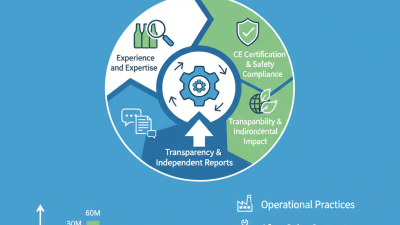
CE certification is crucial for production lines, especially for a high-quality lithium battery separation plant. This certification reflects compliance with stringent European safety and environmental standards. It assures manufacturers and consumers that products meet high performance and safety expectations. In an industry driven by innovation, having CE certification enhances a company's reputation and boosts marketability.
To choose the right production line, focus on quality and compliance. Research manufacturers with a track record of delivering CE-certified equipment. Look for those who demonstrate transparency in their production processes. When investing in Waste Lithium Battery Recycling Equipment Production Line, ensure that documentation for compliance is available. This adds a layer of security for long-term operational success.
Consider seeking expert opinions before making decisions. Consultation with industry specialists can provide insights into the latest technologies and best practices. Don't forget to evaluate after-sales support, which can significantly impact your line's efficiency. The right support can help you navigate challenges, preserving the longevity of your investment. Balancing costs with quality and compliance will lead to a more successful production line setup.
Key Components of a High-Quality Lithium Battery Separation Plant
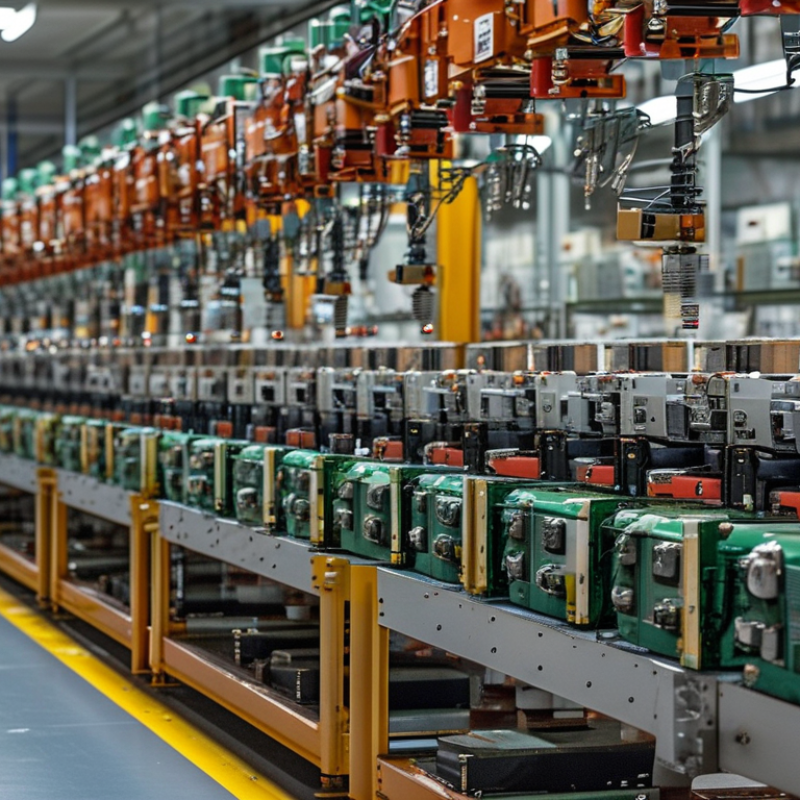
When selecting a high-quality lithium battery separation plant, understanding its key components is vital. The efficiency of the lithium battery crushing recycling production line greatly depends on the material input system. It should allow easy feeding of batteries while ensuring safety. Look for designs that minimize manual handling. Safety mechanisms are also essential. Battery components can be hazardous, thus protective measures must be in place.
Another important aspect is the separation technology employed. A high-quality plant should utilize advanced separation techniques that maximize recovery rates. Various methods exist, including gravity separation and chemical processes. Each has its pros and cons. The right choice depends on the materials processed. Assessing how well the technology aligns with your production goals is crucial.
The quality of the dust collection system should not be overlooked. A reliable dust collector protects both the environment and operator health. Well-functioning equipment maintains production efficiency. Remember, cost considerations are also critical. Balancing quality and budget will ensure the sustainability of your investment. Evaluate potential options carefully, keeping in mind long-term performance.
Evaluating the Production Capacity of Separation Line Equipment
When evaluating the production capacity of a lithium battery separation line, assessing the equipment's efficiency is vital. High-quality machinery directly influences throughput. Production capacity depends on factors like sorting speed and metal recovery rates. These components impact overall performance and profitability.
Consider the technology used in these Lithium Battery Separation Recycle Treatment Machines. Advanced machinery often ensures better separation and recovery of valuable materials. Check the specifications carefully. A more efficient machine might have a higher initial cost but can lead to lower operational expenses over time.
Tips: Look for equipment that offers scalability. Your needs may change as demand fluctuates. Additionally, ensure the machinery meets safety and environmental standards. A compliant production line not only enhances credibility but also promotes sustainable practices. Don't forget to evaluate after-sales support from manufacturers. This can make a significant difference in maintenance and upgrades, which are often overlooked but essential for long-term success.
Assessing Technology and Innovation in Battery Separation Processes
In recent years, the demand for lithium battery recycling has surged. This growth emphasizes the importance of technology and innovation in battery separation processes. Companies must adopt state-of-the-art technology to ensure efficiency and sustainability. Advanced techniques can improve separation rates, leading to better recovery of valuable materials. High-quality separation processes can drastically reduce environmental impact.
Innovation is key to tackling challenges in battery recycling. Emerging technologies such as hydrometallurgical methods show promise in enhancing separation efficiency. However, not all methods are equally effective. Some may require extensive energy inputs or produce waste. Constant evaluation of these processes is vital to identify the best practices. Stakeholders must be aware of the risks and potential inefficiencies in their chosen methods.
The reliability of any battery separation plant greatly depends on its ability to adapt. Keeping pace with industry advancements ensures the operation remains competitive. Regularly revisiting technology choices can prevent falling behind. Focusing on continuous improvement can lead to better resource management and performance outcomes. Companies should also engage with industry experts to gain insights and refine their operations.
Selecting Reliable Suppliers for Lithium Battery Separation Equipment
When selecting reliable suppliers for lithium battery separation equipment, due diligence is essential. Start by researching industry standards and certifications. A supplier’s experience in lithium battery management is crucial. Look for firms with a proven track record in the market. Their expertise can be a significant factor in your success.
Next, consider the technical specifications of the Lithium Battery Crushing And Separating Recycling Line. It's important that the equipment meets your production needs. Assess the efficiency and durability of the machinery offered. Visit facilities, if possible, to evaluate the operational setup. Speak to current clients about their experiences. Testimonials can reveal insights, but be wary of overly positive reviews; balanced opinions are more trustworthy.
Finally, evaluate the supplier’s support system. Is there adequate training for your staff? What are the response times for maintenance or spare parts? Ensure communication is clear and accessible. A reliable partner will offer ongoing support to keep your operations running smoothly. Unsatisfactory responses during the selection process can be a red flag, indicating future challenges. Always reflect on any potential shortcomings before making a decision.
Regulatory Compliance and Standards for CE Certification
When selecting a lithium battery separation plant production line, meeting regulatory compliance is crucial. CE certification is often the benchmark in Europe. It ensures that products meet necessary safety and environmental standards. Understanding these regulations can be complex. Manufacturers must stay updated with changes and modifications in the standards.
The equipment used in the production line should comply with specific directives. This includes machinery safety, electromagnetic compatibility, and environmental impact. A thorough assessment of potential hazards is essential. Regular audits may reveal lingering issues in compliance practices. Investing time and resources in understanding these regulations can reap long-term benefits.
Documentation plays a vital role in CE certification. All processes need to be well-documented and transparent. This could include quality management systems and risk assessments. While achieving compliance may seem daunting, many resources can guide manufacturers. Continuous training on relevant standards is also beneficial. A commitment to regulatory adherence fosters trust and reliability in the industry.
Cost Considerations and Budgeting for Production Line Setup
Setting up a CE certification lithium battery separation plant involves careful budget considerations. Estimating costs requires a thorough understanding of equipment and facility needs. Factors include land, machinery, and labor. Prices can vary widely based on location and technology level.
For machinery, research is vital. High-quality equipment often comes at a premium. However, lower-cost options might lead to higher maintenance expenses. Evaluate the long-term costs against initial savings. Additionally, consider training for staff. Skilled operators enhance safety and efficiency. This investment pays off but adds to the budget.
Unexpected expenses can arise during setup. Delays, regulatory changes, or equipment failure may inflate costs. A flexible budget helps manage these challenges. Allocating a contingency fund can protect against unanticipated issues. Reflect on past setups to refine future budget plans. Always be ready to adjust as new information becomes available.
FAQS
: CE certification indicates compliance with European safety and environmental standards. It is essential for production lines.
It assures quality and safety performance for manufacturers and consumers. It enhances a company's reputation in the market.
Focus on quality and compliance. Research manufacturers with a track record of CE-certified equipment.
High-quality machinery may cost more initially but reduce long-term maintenance. Weigh these factors before your decision.
Yes, unexpected expenses can occur. Delays or equipment failure may inflate costs. A flexible budget can help manage this.
The material input system is vital. It should allow easy feeding while ensuring safety and minimizing manual handling.
Advanced separation methods increase recovery rates. Evaluate which technique matches your production goals and materials.
After-sales support is crucial for efficiency. It helps navigate challenges and maintains your production line's longevity.
A reliable dust collection system protects health and the environment. This contributes to overall production efficiency.
Allocate a contingency fund for unforeseen expenses. Reflecting on past setups can help refine future budget plans.
Conclusion
Choosing a CE Certification High Quality Lithium Battery Separation Plant Production Line is essential for ensuring operational efficiency and regulatory compliance. Understanding CE certification's critical role can help manufacturers navigate the complexities of production line setup. Key components of a high-quality separation plant include advanced technology for effective battery processing, which is crucial for maximizing production capacity and innovation in separation processes.
When selecting a production line, it's important to evaluate equipment reliability and ensure compliance with relevant regulatory standards. Additionally, budgeting for setup costs is vital to achieving a sustainable and efficient operation. By focusing on these factors, businesses can establish a successful lithium battery separation production line that meets both quality and regulatory requirements.