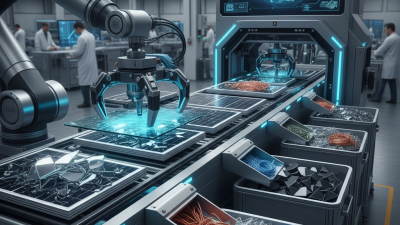
When it comes to recycling, efficiency and getting things just right are super important. Take the Copper separator, for example—it's a pretty key piece of equipment in the whole process. It helps pull copper out of all kinds of materials effectively, which is a big deal because it means more resources get reused and we do a better job of protecting the environment.
Honestly, lots of recycling centers face headaches when trying to separate metals—they often end up with contamination or lose valuable stuff along the way. That’s where a good copper separator can really make a difference, boosting the purity of the copper they collect. Companies like EcoMetals Recycling are investing in smarter tech to tackle these issues, but not all separators are created equal. Some work better than others.
Picking the right copper separator isn’t just about a quick choice; you’ve gotta think about what kind of materials you're working with and what quality you want in the end product. Messing this up can lead to inefficiencies that slow everything down. So, yeah, understanding why a good copper separator is such a big deal is pretty much essential if you want your recycling operation to be a success.
The Role of Copper in the Recycling Industry
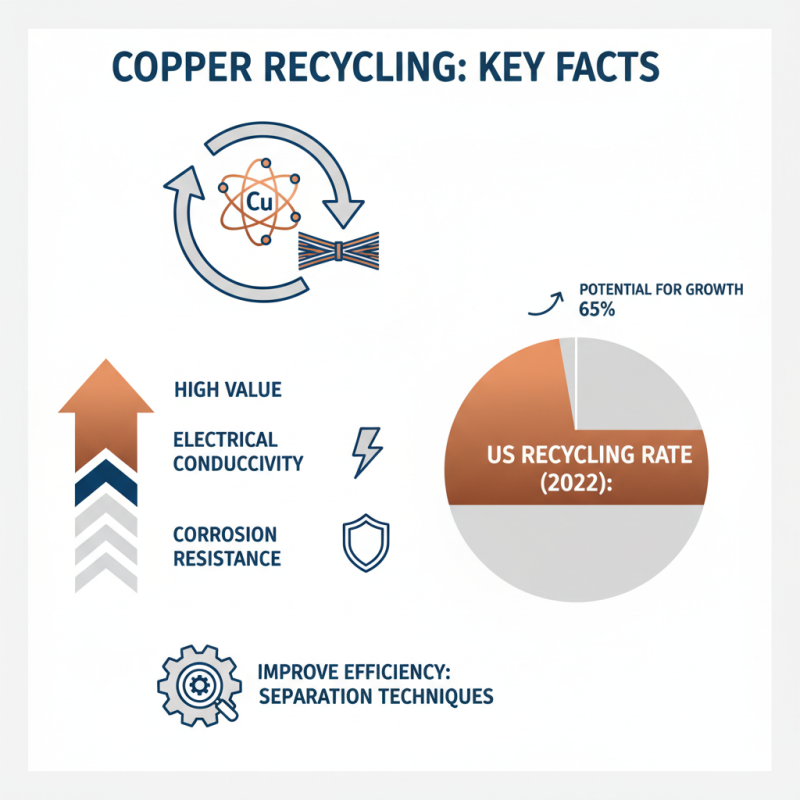
Copper plays a pivotal role in the recycling industry. It is highly valued for its electrical conductivity and resistance to corrosion. In 2022, the recycling rate of copper in the United States reached approximately 35%. This indicates significant potential for improvement. Many recycling processes still lack efficiency, underscoring the need for effective separation techniques.
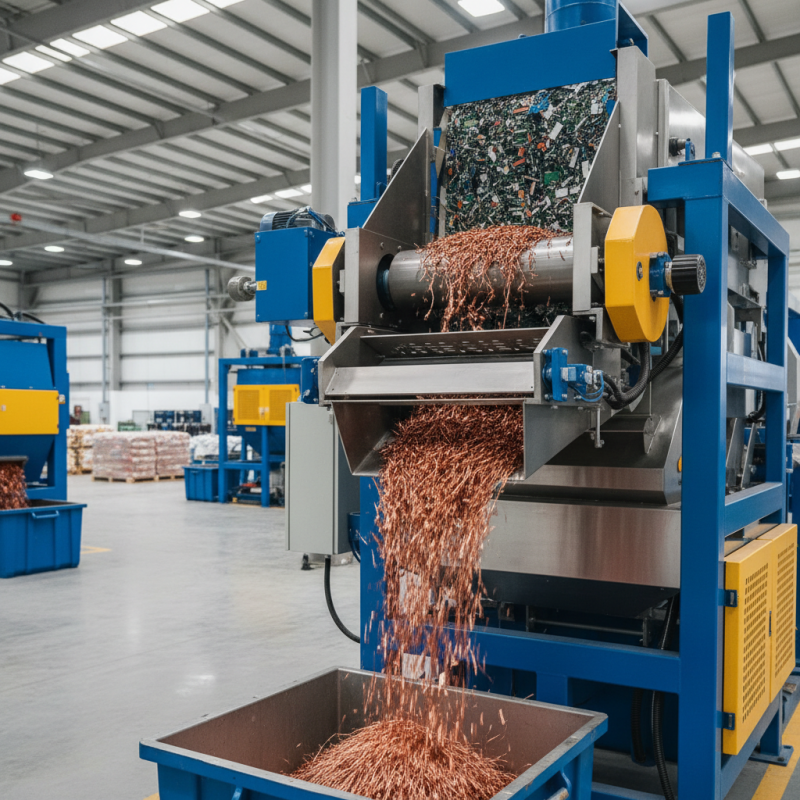
The use of a copper separator is essential. It ensures that copper is extracted from mixed materials accurately. This step is critical, as it directly impacts the quality of recycled copper. Furthermore, using tools like the Iron Metal Separator Magnetic Separator enhances the yield of copper recovery. Yet, challenges persist. Not all facilities have access to advanced separation technologies. This can lead to losses in copper material that could have been recycled.
Data highlights that recycling copper saves around 85% of the energy needed for mining new copper. Still, many processes are not optimized. It is crucial to invest in better separation technologies to meet growing demand. The industry must strive for higher recycling rates. Achieving this requires collaboration and innovation.
Understanding the Copper Separation Process
Copper recycling is crucial for sustainability. The copper separation process plays a central role in this. It involves the extraction of valuable copper from waste materials, ensuring minimal environmental impact.
During the separation, various shredding techniques are used. This breaks down materials into smaller pieces. Then, magnetic and electrostatic separation methods come into play. These techniques help isolate copper from other materials. They ensure that the resulting copper is pure and reusable.
Tips: Always research the separation methods suitable for your materials. Choosing the right technology can improve efficiency. Additionally, monitor the output quality regularly. This helps in detecting any contamination quickly.
The separation process isn’t perfect. Sometimes, small amounts of other metals remain mixed with copper. This can affect its recyclability. Operators must be vigilant and willing to adjust their methods. Regular training can enhance their skills. With continuous improvement, the recycling process can become more efficient and sustainable.
Why is a Copper Separator Essential for Recycling Processes? - Understanding the Copper Separation Process
| Process Step | Description | Efficiency (%) | Cost ($) | Environmental Impact |
| Collection | Gathering copper materials from various sources. | - | 100 | Minimal |
| Shredding | Mechanical process to reduce size of copper materials. | 85 | 150 | Moderate |
| Separation | Using a copper separator to isolate copper from contaminants. | 90 | 200 | Low |
| Purification | Refining separated copper to remove impurities. | 95 | 250 | Minimal |
| Melting | Process of melting purified copper for reuse. | 80 | 300 | Moderate |
Types of Copper Separators Used in Recycling
Copper separators play a crucial role in recycling processes. They help in the efficient extraction of copper from various materials. Different types of copper separators cater to specific needs. These separators ensure that the copper is removed cleanly and effectively.
One common type is the air separator. It uses air pressure to separate copper from lighter materials. This method is effective, but not foolproof. Some residual materials might still cling to the copper. Another type is the magnetic separator. This device utilizes magnets to pull out copper-containing scrap from non-metallic debris. However, it may struggle with non-magnetic metals.
There are also eddy current separators. These are designed to separate non-ferrous metals. They use powerful magnetic fields to achieve separation. Yet, these machines require careful calibration. An error could lead to mixed materials, reducing the quality of the recovered copper. Each separator type has unique benefits and challenges. The choice of separator influences the overall efficiency of the recycling process.
Benefits of Using Copper Separators for Efficiency
Copper separators play a vital role in recycling processes, particularly when it comes to materials like Aluminum Copper Scrap. By effectively separating copper from other metals, these machines enhance the overall efficiency of recycling operations. This means lower costs and higher yields for recycling facilities.
Using copper separators can lead to a more streamlined workflow. They help to reduce the time spent on manual sorting. In addition, this technology can significantly cut waste. However, the initial investment in these machines can be high. Some facilities may hesitate to adopt them, unsure of their value.
Efficiency in recycling isn’t just about machinery. It's also about operator training and maintenance. If machines are misused or poorly maintained, their benefits diminish. Recycling centers must continuously assess their processes. They should focus on integrating effective tools like copper separators. The end goal is to maximize the recovery of valuable materials from Aluminum Copper Scrap.
Challenges in Copper Recycling and Separation
Recycling copper presents significant challenges that hinder efficiency and sustainability. One major difficulty arises during the separation process. Ineffective separation can result in lower quality recycled material. According to the International Copper Study Group, the global average recovery rate for recycled copper stands at around 25%. This indicates the urgency for better technologies.
Aluminium Copper Radiator Scrap is a prime example of a material that poses complex separation issues. Many recycling facilities struggle with mixed metals in this scrap, leading to contamination. As reported by the Recycling Association, improper processing of such materials can result in a loss of up to 35% of potential copper recovery. Furthermore, labor-intensive manual sorting may still be required, increasing costs and time.
Many facilities also face equipment limitations. Traditional methods, like shredding and air classification, often fail to completely separate copper from aluminum. This inefficiency can lead to increased waste. Without advanced copper separators, the recycling industry risks losing valuable materials and increasing environmental harm. The need for innovation in separation technology is clear, but the obstacles are significant.
Future Innovations in Copper Separation Technologies
The recycling industry is evolving. Innovations in copper separation technologies are at the forefront. These technologies enhance efficiency and effectiveness in processes, especially in Aluminum Copper Recycling.
One exciting advancement is the use of artificial intelligence. AI can identify and separate copper from other metals. This method reduces human error and can improve the purity of the extracted copper. Additionally, some systems utilize advanced sensors. These sensors can detect metal types at a rapid pace. However, issues remain, such as the high cost of implementing these systems in existing facilities.
Research into electromagnetic separation techniques is also promising. These methods leverage magnetic fields to isolate copper. While this sounds ideal, challenges like energy consumption persist. Moreover, not every method works on all scrap types, requiring further testing and adaptation. The journey toward more effective copper separation is ongoing, and each innovation brings us closer to optimizing Aluminum Copper Recycling.
Environmental Impact of Effective Copper Recycling
Copper recycling plays a pivotal role in reducing environmental impact. According to the International Copper Study Group, recycling one ton of copper scrap can save over 85% of the energy compared to primary production. This substantial energy savings translates into fewer carbon emissions, making a significant difference in mitigating climate change.
Waste electrical and electronic equipment (WEEE) is a major source of copper. In 2021, global e-waste reached approximately 57.4 million metric tons. Properly recycling this waste could recover nearly 1.2 million tons of copper. However, the current recycling rates remain low. Many valuable materials are lost in landfills due to inefficient separation technologies. This inefficiency poses an ongoing challenge for the industry.
Investments in advanced copper separators can enhance recovery rates. A study by the United Nations reported that better recycling practices could reduce greenhouse gas emissions by up to 70%. Yet, many facilities struggle to implement these technologies. The need for more sustainable recycling solutions is urgent, and significant improvements are necessary to meet global recycling goals.
Environmental Impact of Effective Copper Recycling
This chart illustrates the comparison between recycled copper and traditional mining methods. As shown, recycling significantly reduces the amount of copper produced from mining, which has a positive environmental impact by conserving natural resources and reducing energy consumption.
FAQS
: Copper separators help extract copper efficiently from various materials in recycling processes.
An air separator uses air pressure to separate copper from lighter materials, but may leave some residuals.
A magnetic separator uses magnets to remove copper from non-metallic debris but may struggle with non-magnetic metals.
Eddy current separators isolate non-ferrous metals using magnetic fields, requiring careful calibration to avoid material mixing.
They enhance recycling efficiency, lower costs, and lead to higher yields for recycling facilities.
Initial investment can be high, and poor maintenance or misuse can diminish the benefits of these machines.
Operator training is crucial. Misuse of machines can lead to inefficiencies and reduce material recovery.
AI and advanced sensors are improving separation efficiency but can come with high implementation costs.
Innovations may face challenges like energy consumption and not working on all scrap types, indicating further research needed.
Regular evaluations help optimize processes and ensure the effective use of copper separators for material recovery.
Conclusion
Copper plays a vital role in the recycling industry due to its high conductivity and value. A copper separator is essential in the recycling process, as it efficiently isolates copper from other materials, enhancing overall recycling effectiveness. The process of copper separation involves various techniques and technologies, tailored to maximize recovery rates. Different types of copper separators, including mechanical and magnetic systems, cater to diverse recycling needs, each with its own set of advantages.
However, challenges remain in copper recycling, including contamination and the need for advanced technologies. Innovations in copper separation are on the horizon, promising improved efficiency and sustainability. The environmental impact of effective copper recycling underscores the importance of using copper separators, as they contribute significantly to resource conservation and reduction of waste. Ultimately, advancing copper separation technologies is crucial for a more sustainable recycling industry.