
- shanshui@shanshuizg.com
- We Will Respond to Your Inquiry Within 24 Hours of Receipt!
Leave Your Message
- Phone
- E-mail
- Whatsapp
- Wechat

Globally, in recent years, the awareness of being environmentally sustainable has led to innovations in waste management solutions. Perhaps the hottest topic among these innovations is Glass Particle Recycled technologies. The report from the Global Recycling Foundation states that recycling glass may reduce greenhouse gas emissions to 12% in comparison to making new glass from virgin materials. The demand for sustainable practices is ever-growing; therefore, it is critical that industries adopt effective recycling techniques to diminish their ecological footprint.
At Henan Shanshui Heavy Industry Technology Co., Ltd., we have felt the importance of these advances toward an environmentally sound future. Since our incorporation in 2013, we have been doing our part in the development of eco-friendly machinery, notably in the recycling sector of waste Solar Panels and lithium batteries. Now, with the inclusion of advanced technological concepts such as Glass Particle Recycled solutions, our company aspires to take the lead in the implementation of sustainable practices while capitalizing on the growing recycling market, which is set to experience a CAGR of 6.2% from 2021 to 2028, stated in a recent market analysis report. Through this blog, we will address five key technological specifications of Glass Particle Recycled solutions, which are redefining sustainability efforts across various industries.
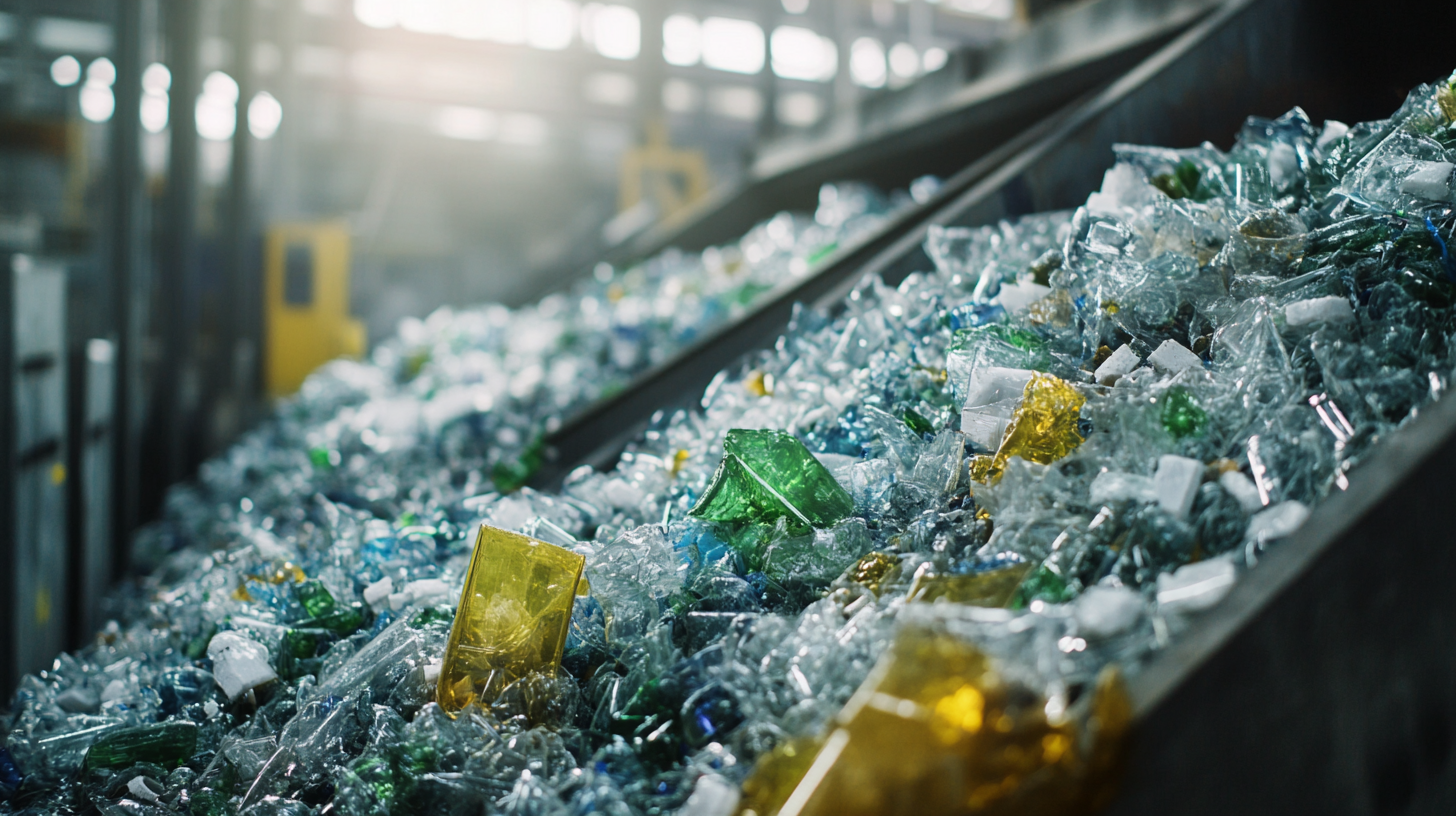
Recycling glass particles is important for resolving some environmental problems since it is one of the most important avenues toward sustainability. The recycling procedure includes collecting waste glass and grinding it into powder for redeployment in several uses, from construction materials to decorative products. According to the Glass Recycling Coalition, around 10 million tons-worth Glass Waste is thrown in America's landfills every year. With appropriate recycling mechanisms, the quest for raw materials and energy consumption can both be reduced, relieving some pressure off the planet. A ton of glass saved from a landfill reduces raw materials consumed by 1.2 tons, as well as significant reductions in carbon emissions, according to the reports from Environmental Protection Agency (EPA). Green concrete mixtures also benefit from recycled glass particles when mixed into their components, thus ensuring compressive strength as well as durability, which extends the life of infrastructure. In an increasingly circular economy, understanding the required specifications is also important for industries keen to improve their sustainability profile through glass particle recycling. Resource efficiency as well as waste minimization therefore becomes a twin benefit of using recycled glass particles with the construction sector that turns out to be a very significant portion of material consumption. There are emerging studies of glass aggregates as an input in asphalt, with the conclusion that it imparts skid resistance and durability of roads. Organizations can further leverage on economies such as through awareness creation and technology in glass particle recycling to enhance sustainability.

The intrinsic characteristics of glass particles are paramount for all sustainable advancements in building materials. Since the construction industry has shifted orientation toward an eco-friendly paradigm, recycled glass particle solutions emerge as a not only environmentally friendly but also revolutionary solution for the industry. Their lightweight nature alludes to energy conservation, which now-a-days has become the foremost demand from an architectural sustainability standpoint, while their strength contributes to the durability of building materials, which in turn provides the requisite longevity minimizing the need for replacements.
The use of glass particles in construction materials offers outstanding thermal insulation properties, thus assisting energy conservation. This insulating ability can thus curtail both heating and cooling costs while lowering the carbon footprint of the entire building. Glass particles must also be noted for their aesthetic versatility, with which they can enliven designs in brilliant color and texture, appealing equally to environmental sensibilities and contemporary tastes. These features place glass particles on the crest of sustainable engineering, a testimony to how innovation can create synergies between functionality and environmental accountability.
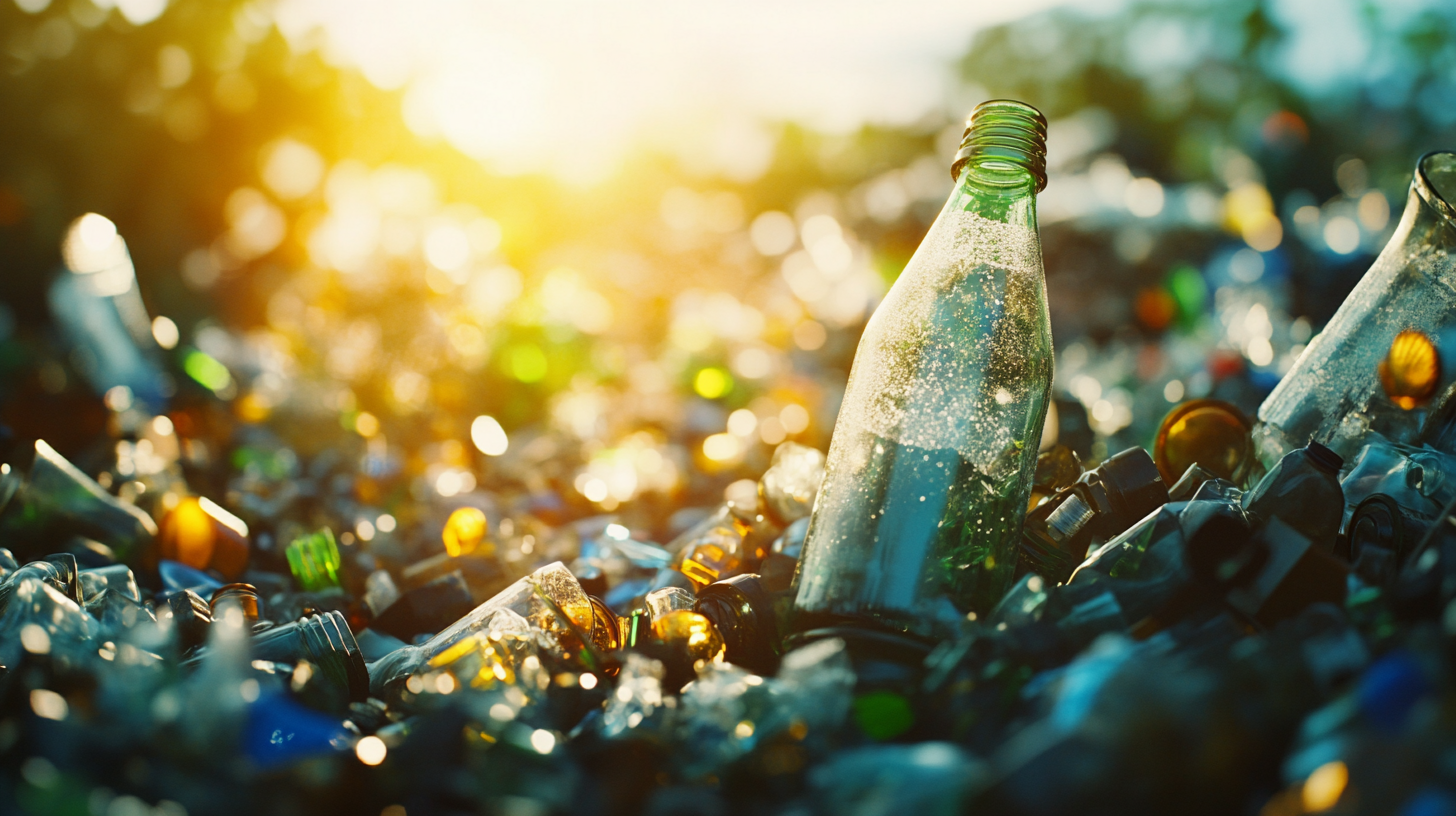
The transformation in the glass recycling landscape is happening due to the innovative technologies which are proven instrumental for the efficient recycling of glasses. Sustainability is the scene, improving the recycling process along with the extension of this technology to a circular economy. A major area now being focused on is the introduction of automated sorting systems that are powered through artificial intelligence and machine learning. These sorts of technologies can now accurately identify and separate different types of glass from one another.
For instance, advanced shredding machinery which is the most leading technology in glass recycling today. Most traditional systems broke glass into large cumbersome pieces, which made recycling difficult. The newest shredders can finely reduce glass to a uniform particle size prior to melting and remolding. Thus, this energy saving efficient process yields more of the recycled material as well, making it economical as well as eco-friendly.
Additionally, changes on the aspect of chemical treatment for glass recyclables have appeared as major game changers. Adopting novel chemicals as agents could remove impurities more efficiently and improve the quality of recycled glass. This upgraded material may, therefore, satisfy stringent manufacturing standards, allowing it to act as a substitute for virgin glass in more applications. Therefore, the coming together of these new technologies really changes the rules of glass recycling and creates a very groundswell towards a much more sustainable future.

The ever-increasing need to evaluate environmental impacts through Life Cycle Assessment (LCA) is fast becoming a crucial approach to materials sustainability especially regarding glass particle recycled solutions. LCA provides a systematic way to assess the environmental impacts of a product from cradle to grave. Therefore, stakeholders' decision-making regarding glass particles will be guided by an analysis of their life cycle, taking into consideration the ecological impact from raw material extraction, to processing, use, and disposal.
The main phases of the LCA for glass particle recycling are resource extraction, production, and disposal. The resource extraction phase deals with the evaluation of energy consumption and emissions resulting from the mining and processing of raw materials. The production phase evaluates the environmental impacts of converting waste glass into reusable particles, specifically in the domains of energy efficiency and waste generation. Finally, the disposal phase looks into the alternative end-of-life scenarios — landfilling, recycling, or incineration—demonstrating that sustainable practices and circular economy principles should take precedence.
LCA shows that glass particle recycling reduces not just landfill volumes but helps conserve natural resources and energy efficiency as well. This full assessment is useful for manufacturers, policymakers, and consumers to see how their options have wider implications and move forward in the innovation of sustainable materials and processing techniques. In conclusion, the synergy between glass recycling solutions and LCA principles is supportive of a more sustainable future, which contains a further aggressive pathway towards impact mitigation.
New recycled glass particle solutions are now emerging in construction as probably the most innovative green building practices. Recycling for waste materials is only part of the advantage of this method; the buildings also become more environmentally performative. It enables architects and builders to reduce the carbon footprint of new materials while creating a circular economy by incorporating glass particles.
The most important technical specifications for the different glass particle applications in green building have been laid down. These specifications govern the selection and application of glass particles in ensuring that these meet both safety and performance criteria in any use. Resulting from this proper use of glass particles: improved thermal and acoustic insulation, combined with aesthetic benefits such as finishes that may be tailored to design preferences.
In addition, such recycled glass particle solutions facilitate the development of smarter construction materials. Glass parts can be mixed with concrete and asphalt and be used to create composite materials with enhanced properties, including durability with less weight. Cost savings in transportation and installation arise as a result of such lighter materials. Eco-friendly structures can then be constructed, which are more resilient against climate change challenges.
The demand for recycled glass products is ever-brightening in the face of deepening environmental concerns and a tendency toward sustainable packaging alternatives. With more consumers looking for greener solutions, the recycled glass market is fast becoming an important part of the industries between food and beverage on the one side, and cosmetics on the other. This trend is not only reflective of changes in consumer behavior but also calls for a need among businesses to change or tune their packaging strategies to meet these new demands.
In fact, the market trends suggest a buoyant forecast for multi-segment recycling and the subsequent packaging. Take for example the global liquid filling machine market, which is booming, mainly because industries are looking for ways to efficiently use glass and other forms of sustainable packaging. This is relevant for emerging luxury packaging where the preference is for high-value, sustainable products. The alcohol packaging segment is showing most success, with estimations revealing that solutions are moving increasingly towards environmentally-friendly options without compromising product integrity.
Continuing innovations coupled with a sustainable approach in most industries will encourage recycled glass investments among many, especially for sustainability in environmental matters; it will also position those companies to benefit from this emerging market. Hence, adapting to these trends becomes vital for companies wishing to excel in an environment where consumers are defenders of greener choices.
Confronted with many challenges, the road toward effective technology for glass recycling demands innovative solutions. Collection and sorting of glass waste is among the main hurdles. In spite of ideal recyclability, many municipalities have yet to find an efficient way for the collection of used glass, resulting in contamination and lowered recycling rates. Additionally, different types of glass often pose challenges in recycling, lowering the quality of the refined product. Therefore, existing glass sorting and processing inefficiencies must be actively addressed as an industry requirement in order to evolve toward a truly effective glass recycling ecosystem.
At the same time, these challenges present ample possibilities to advance glass recycling technologies. New automated sorting technologies will help to ensure that glass will be separated more accurately and efficiently, with the rise of AI-driven systems. Furthermore, new glass recycling processes are emerging to accommodate mixed glass materials, thereby creating a potential for higher glass recovery rates. Bridging the gap between governments, industries, and technology companies will lead to integrated recycling programs that ensure increased material recovery rates and generate public awareness regarding the need for glass recycling.
Only through research and development can glass recycling be fully commercialized. With focus on enhancing the technical specifications of recycling solutions, great opportunities arise to develop products that not only fulfill market demand but also respond to environmental concerns. Such a complementary focus on technological advancement and sustainability can redefine glass recycling and eventually make it a backbone of the circular economy.
However, the future of sustainable glass solutions still relies on the development of critical recycling technologies. According to the International Glass Recycling Association, as much as 80% of all waste glass can be recycled, while only about 33% is actually made available for recycling in a sustainable manner. It is evident that there is an urgent need for development of new technical specifications aimed at increasing recovery and reuse of glass materials so that a larger fraction of recycled glass can find its way back into production cycles.
Such advances may include improved sorting technologies that better separate glass from other materials; according to Glass Packaging Institute in a 2022 market report, AI-driven sorting systems can further accelerate recyclability by as much as 25% compared to manual or mechanized sorting-only systems. Not only do such innovations hasten the pace of recycling activities, but they also preserve glass quality during the recycling process, making it suitable for new product inputs.
Closed-loop manufacturing systems also decrease the carbon footprint attributable to the production of glass. The European Container Glass Federation reports that these systems could save as much as 30% energy consumption from manufacturing. Advances toward the zero waste target of the industries involve a huge step in the more sustainable future of glass production and recycling since it will benefit both the environment and the economy.
The accent will shift to what much collaboration is going to mean between the technological innovators and policy makers. Public awareness drives towards educating the citizens on the value and importance of recycling glass should also further efforts toward attaining higher rates of glass recycling and improving overall sustainability concerning glass solutions.
Innovative technologies in glass recycling include automated sorting systems that utilize artificial intelligence and machine learning to accurately separate different types of glass, advanced shredding technology for uniform particle size reduction, and improved chemical treatment methods to enhance the quality of recycled glass.
Automated sorting systems improve glass recycling by accurately identifying and separating different glass types, which ensures that recyclable materials are processed effectively and helps to reduce contamination levels.
Advanced shredding technology is important because it allows for the precise reduction of glass particles to a uniform size, optimizing the melting and remolding processes, saving energy, and increasing yield from recycled materials.
Chemical treatment enhances the quality of recycled glass by effectively removing impurities, enabling the recycled material to meet stringent manufacturing standards and serve as a viable substitute for virgin glass in various applications.
Market trends driving the demand for recycled glass products include growing environmental concerns, a shift towards sustainable packaging solutions, and an increased preference for eco-friendly options among consumers in various industries, such as food, beverage, and cosmetics.
The glass recycling industry faces challenges such as inefficient collection and sorting systems leading to contamination, limitations in processing different glass types, and the overall need for improved recycling methods to increase recovery rates.
Technology can address challenges in glass recycling through innovations like AI-driven automated sorting systems and new recycling processes that handle mixed glass materials, thereby increasing the volume of glass that can be effectively recycled.
Collaborations between governments, businesses, and technology firms play a crucial role in advancing glass recycling by fostering comprehensive recycling programs that improve material recovery rates and raising public awareness about the importance of glass recycling.
Investment in research and development is important for unlocking the full potential of glass recycling, improving technical specifications, creating market-demand products, and addressing environmental concerns in the process.
The focus on sustainability impacts businesses in the glass packaging industry by necessitating adaptation to consumer demands for recycled glass solutions, allowing them to capture a share of the growing market for eco-friendly products while contributing to environmental sustainability.