- shanshui@shanshuizg.com
- We Will Respond to Your Inquiry Within 24 Hours of Receipt!
Leave Your Message
- Phone
- E-mail
- Whatsapp
- Wechat

Because the world is racing toward renewable energy sources, the topic of sustainable practices in Solar Energy production cannot be overstressed. According to a report released by the International Renewable Energy Agency (IRENA), the installed capacity of solar photovoltaic (PV) systems would likely exceed 1,400 GW by 2025. However, the increasing deployment of solar panels also brings to the surface the concern of end-of-life management, thereby requiring strong and well develop Solar PV Panel Recycling Solutions. This landscape poses huge opportunities for companies focusing on environment-centric technologies.
Since 2013, Henan Shanshui Heavy Industry Technology Co., Ltd. has been championing efforts to deal with the above problems and is committed to the research, development, and manufacture of clean machinery, especially Solar PV Panel Recycling Machine production lines. According to an estimated projection from the global solar panel market, waste will reach about 78 million metric tons by 2030. Thus, recycling systems are vital in response to the environmental damage caused by such waste. Investing in advanced recycling technologies developed from companies like Henan Shanshui Heavy Industry would help build a circular economy waste reduction and material recovery for reuse in further processes.

Indeed, solar photovoltaic (PV) panel deployment has taken off rapidly worldwide, and this has transformed the renewable energy narrative. Nevertheless, this has started to generate great concern regarding end-of-life disposal and waste management for the solar panels which typically last for an average of 25-30 years. One of the greatest worries is how to handle the larger volume waste that will be produced at the end of their lifespan as installations age and technology gets upgraded. One of the biggest challenges posed by solar PV panel recycling today lies with the associated recycling techniques. So many different materials go into the panels such as glass, silicon, and metals, and they need individual treatments. Also, existing facilities for recycling are not well equipped to deal with these composite panels. This not only makes the recycling efforts difficult but also makes a significant portion of it ultimately go straight to landfills, where dangerous leach into the environment. Moreover, recycling solar panels may never be economically viable at all. As demand for the recycling capacity grows, a cost that will focus mainly on collection, transport, and processing will be required so as to stimulate more sustainable activities towards recycling solar panels. Frugal but efficient recycling solutions will be critical to mitigating environmental injury and achieving a circular economy in solar energy. Confronting such challenges try to make the future of solar bright.

This development in solar energy brought into focus the important questions of the lifecycle of solar photovoltaic (PV) panels, particularly, their recycling and disposal. According to an IRENA report, by the time we get to 2050, the total cumulative amount of waste from PV could reach 78 million metric tons-a strong indicator for the urgent call for efficacious recycling measures. New technologies are really paving the way for realizing these measures to extract valuable materials like silicon, silver, and rare metals, among others, from recycled solar panels, thereby immensely decreasing the environmental burden of solar energy production.
An exciting new direction includes the development of advanced chemical processes for improved material recovery alongside these steps. For instance, a recent publication in *Renewable and Sustainable Energy Reviews* suggests that solvent methods can enhance recovery efficiency for silicon to as high as 98%, compared with much lower efficiencies using mechanical techniques. Moreover, applied artificial intelligence has found successful implementation in sorting and processing discarded panels. AI-powered companies have reported a 30% reduction in operating costs while also speeding up recycling processes, thereby making the recycling of solar panels economically feasible and environmentally sound.
Circular economy principles, which are increasingly gaining prominence nowadays, are inducing a redesign of solar panels for more easy recyclability. The brands are now concentrating on developing modules that are easily disassembled and efficiently recycled at their end of life. According to NREL, improving the recyclability of Pv Modules could cut the carbon footprint of solar systems by up to 50% over the long term. This strategic transition then serves not only to satisfy sustainability targets but also to fulfill regulatory requirements and consumer expectations in a fast-evolving renewable energy market.
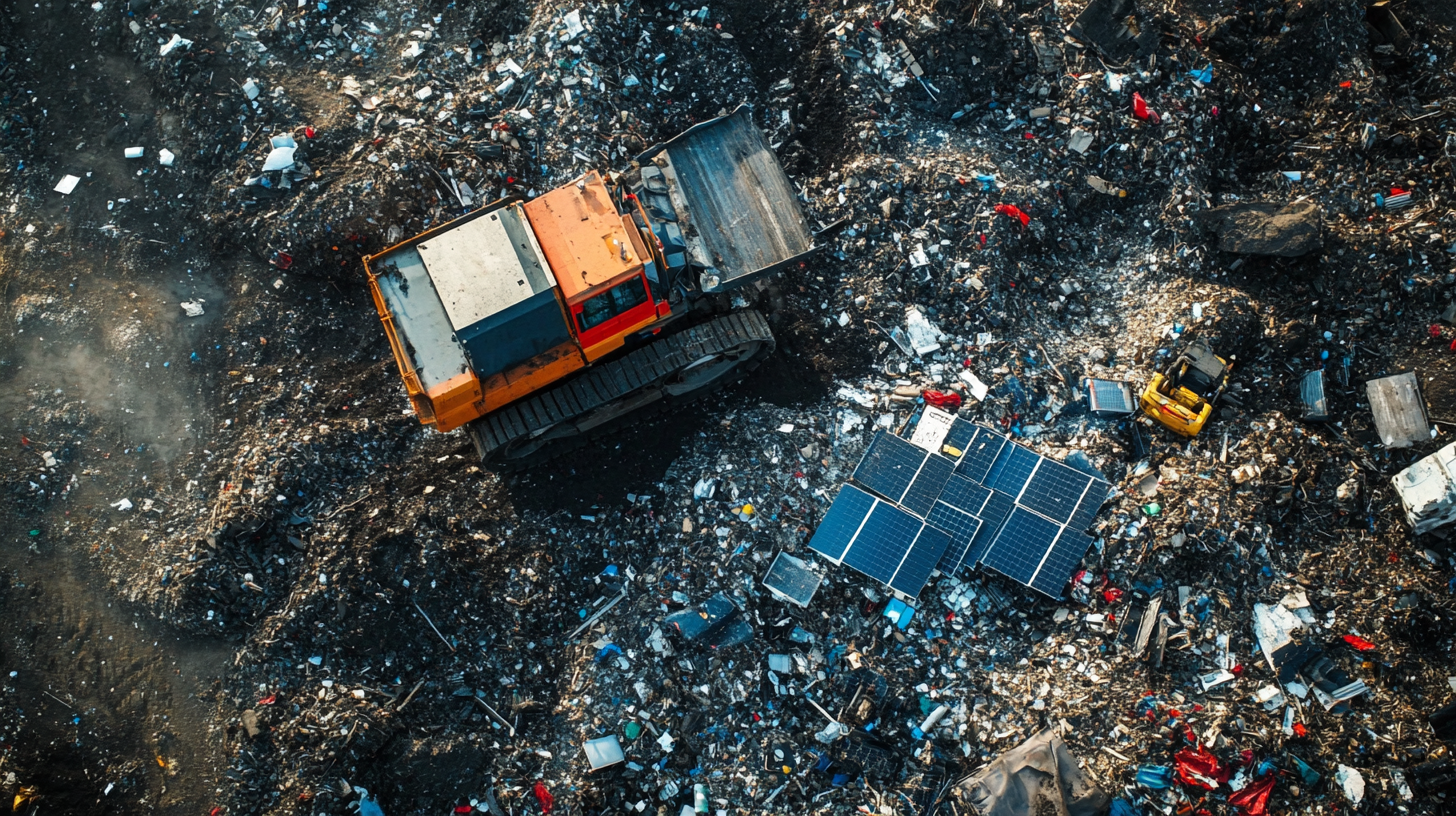
The transformation to renewable sources has placed solar photovoltaic (PV) panels at the pinnacle of sustainable technology. However, with the increasing installation of solar panels, the question of what to do with aging panels has become paramount. This is where circular economy models for recovering solar PV materials come to the forefront with innovative solutions that manage waste better and improve resource efficiency.
Circular economy models stress reusing materials and minimizing the waste of materials. In this concept of circular economy for solar PV panels, efficient recycling processes can be developed to recover valuable materials, including silicon, silver, and glass. These materials can either be reincorporated into the production of new panels or repurposed further, thus reducing the amount of virgin resources obtained and lowering the carbon footprint of their procurement. The further collaboration of companies and researchers aiming for advanced recycling technologies will allow for the creation of a true closed-loop system that would nurture both the environment and the economy.
Furthermore, adopting circular economy models is not only a means of dealing with environmental concerns; they are also the catalysts for innovation and job creation in the recycling industry. Investments in building recycling infrastructure will ensure local economies benefit while extending the life cycle of solar PV panels. This is a less myopic and more holistic approach, recognizing that sustainability is not only about the energy produced but also the manner of material management when they leave the factory, thus ushering in a brighter path towards a greener future in solar energy.
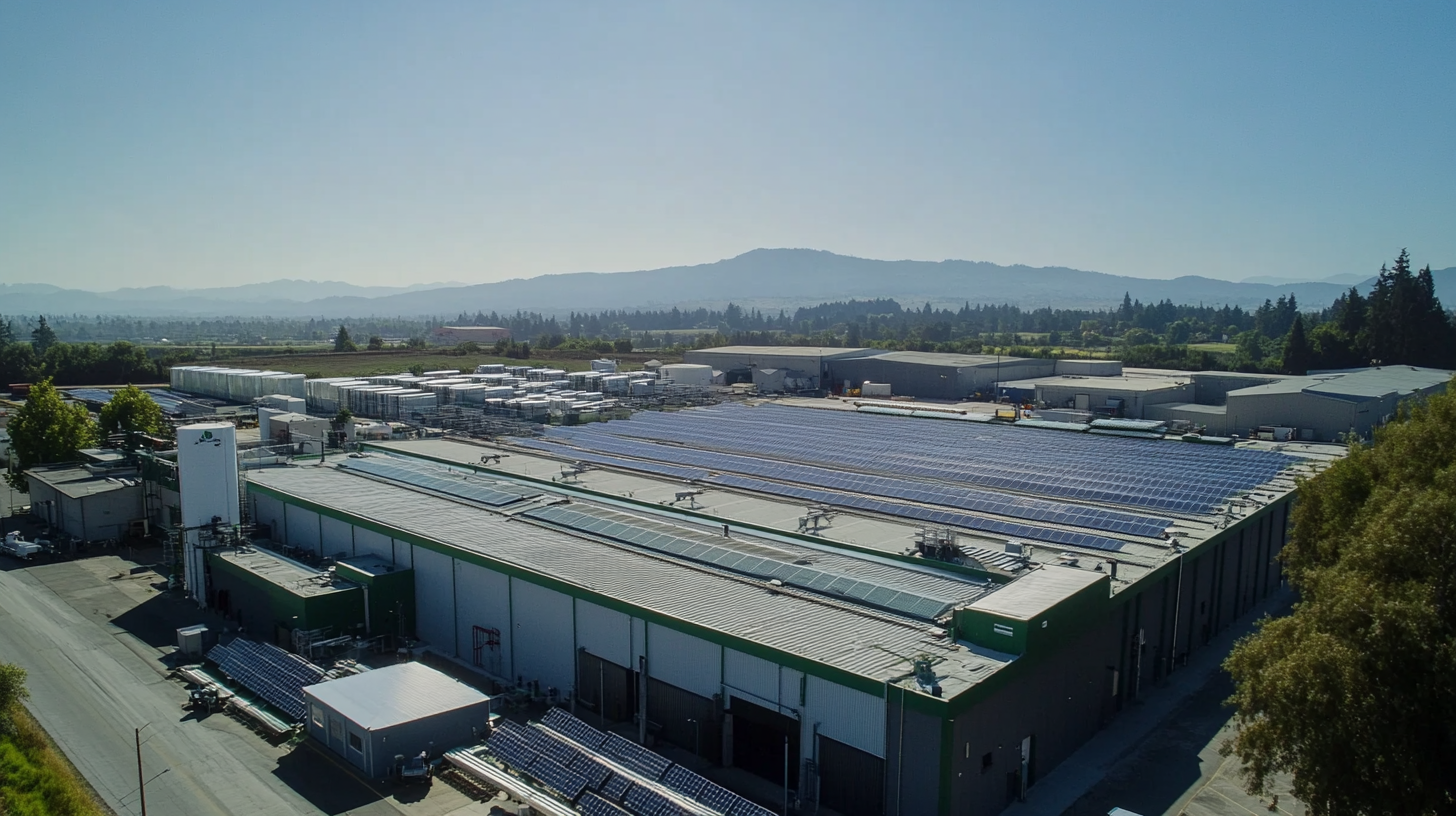
The increasing use of solar energy demands immediate attention toward the possible environmental effects of solar panel disposal. Reports by IRENA show that by 2050, approximately 78 million metric tons of solar panel waste could arise worldwide; hence, improperly managing this issue creates an emerging environmental crisis. Conventional disposal processes, such as dumping panels into landfills, not only waste these valuable resources but also pose a big threat to the environment. Solar panels are made of hazardous materials, such as cadmium and lead, which can seep into the earth and groundwater, putting wildlife and human health at risk.
On the other hand, novel recycling methods are being developed to reduce these threats and support fostered growth in the solar industry. It is estimated that nearly 95% of the materials within solar panels, like silicon, glass, and metals, could be recycled and repurposed. Companies such as First Solar pioneered advanced recycling methods that extract these materials very effectively, reducing the consumption of virgin resources and landfill space. This kind of effort not only lightens the burden on the environment but also opens countless opportunities to these companies, wherein the solar recycling industry is projected to be worth USD 10 billion by 2030, according to Allied Market Research.
To pass this effective recycling framework, cooperation among manufacturers, consumers, and policymakers is paramount. For example, take-back schemes, if combined with monetary incentives, can greatly enhance recycling uptake. An increasing sense of urgency to ameliorate the environmental burden stemming from traditional disposal methods will foreseeably give wings to the sustainable recycling initiative of tomorrow, one that would make solar energy a clean and responsible option for generations to come.
Emerging into the horizon are inventively innovative ideas for resource extraction from renewable energy. This means that such technologies would become even more urgent as always with the increasing demand for renewable energy sources. From the end-of-life solar panels, there is a necessity of recycling technology that can reclaim its resources. Meanwhile, estimates today predict that the solar market, by the year 2030, will produce waste beyond 78 million metric tons worldwide.
Recent innovations in recycling technologies, which could probably be borrowed from those in the fiber composites industry, seem to provide promise for increasing material recovery rates. A highly extensive decomposition procedure for reclaiming high-value composite materials from decommissioned aircraft components has sufficiently proved its capabilities, indicating that an identical methodology could probably be adapted for recycling applications in solar panels. With luminaries gaining ground, so is the lithium-ion battery recycling industry, where novel technologies will be developed to directly recover materials from discarded batteries-thus pointing to a collective push by the industry towards best practices in sustainability.
This recycling drive will culminate in the global precious metals recycling market dwarfing many a market by 2024 from the extraction of such materials from possibly outdated products in various electronics and industrial waste. This trend goes a long way to show how people have in the past come to appreciate the economic value found in recyclable components; clear indicators that all this will keep on generating further advances in solar PV recycling. They are just advancing their focus on principles of circular economy in manufacturing. These should also keep on being explored to unlock the full potential that solar waste has for making energy use much more sustainable.
In the era of countries gradually transforming to renewable energy, the end-of-life management of solar photovoltaic (PV) panels is gaining traction. Japan is now actively considering regulations making it compulsory to recycle and reuse out-of-date solar panels. With about 2.5 million tons of solar panel waste projected to occur in the 2030s, this effort illustrates the country's willingness to reduce landfill waste and minimize environmental impact, thereby embracing a circular economy.
The possibility for a vibrant recycling industry will not be, therefore, merely responding to the mandates of regulatory requirements; it will serve as an opportunity for innovation and economic growth. Global solar panel recycling market reports predict that this market will experience tremendous growth by surpassing $5 billion by the year 2030. Japan sets the stage for other countries to follow suit by promoting the development of efficient recycling processes through economic incentives, thus, establishing a framework for private and public investment and sustainable practice in the industry.
As policies such as Japan's get underway, harmonization across borders becomes crucial. The International Renewable Energy Agency (IRENA) noted that if a structured approach toward recycling is not implemented, the global community would lose significant quantities of valuable materials from solar panels, such as silicon, silver, and rare metals. Safe recycling options for solar panels help diminish environmental footprints and enhance recovery methods for resources for future uses in renewable energy technologies.
Solar panel recycling forms a recent strategic step towards achieving sustainability in renewable energy. Waste management, amidst the clean energy frenzy worldwide, constitutes a critical factor regarding the PV industry. Specifically, a novel program instituted by a solar company under China Energy Conservation commenced the first-ever large-sized intelligent recycling line in Hubei, designed to cope with the processing of container-sized quantities of abandoned solar panels. This initiative is unique as it provides a garbage solution and sets the pace for future programs.
Several successful case studies have demonstrated the power of recycling solutions in the solar sector. Difference programs are demonstrative of effective waste processing translated into economic and environmental potential. By extracting valuable resources from old panels, it is possible to decrease the demand for virgin raw materials and further the advance towards a circular economy. These technologies of recycling also mitigate the detrimental environmental problems and generate jobs and technologies.
With the rapid expansion of the solar business, it has never been more vital than now to deal with the lifecycle of solar panels. The establishment of intelligent recycling lines is a critical pillar to assure appropriate end-of-life panel management in an environmentally sustainable practice wherein landfill waste is minimized and a clean energy transition is facilitated. The concepts represented by Hubei will indeed be noteworthy visions for the industry concerning how it can grow and meet the challenges of waste management for a greener future.
Increasingly, the future of solar panel lifecycle management is sustainability, which is an imperative for effective utilization of renewable energy. The recent technological advancements like Siemens' digital photovoltaic O&M management platform recognize the importance of IoT and AI integration to solar maintenance for efficiency and easiness. This kind of preventive maintenance is pleasant for the users and helps in aiming for a longer operational life of solar installations, therefore reducing environmental footprint.
Moreover, the industry leaders are backing up their claims of sustainability with innovative solutions. For instance, Longi Green Energy and Jinko Solar are taking steps to develop comprehensive lifecycle solutions for photovoltaic plants. The initiatives seek to accelerate the transition to a low-carbon green economy by ensuring that at the end of their life cycle, solar panels are recycled well. By embracing a circular economy model, these companies are mitigating not only the waste that end-of-life solar panels produce but also creating a sustainable approach toward environment and economy.
The integration of recycling solutions into the solar energy market is going to become one of the key trends. Recent publication of Environmental Product Declarations by TÜV Süd for renewable energy producers has amplified the urgency for transparency and accountability in sustainability practices. This move mirrors a wider shift within the industry, wherein the key players recognize that effective lifecycle management is a key pillar to fostering such sustainable practices in view of the sustained viability of solar energy solutions.
A solar company under China Energy Conservation has launched the first large-scale intelligent recycling line in Hubei, capable of processing large volumes of abandoned solar panels.
Solar panel recycling is crucial for managing waste in the photovoltaic industry, reducing reliance on virgin resources, and contributing to a circular economy model.
Effective waste processing from these programs can lead to significant economic and environmental benefits, including job creation and technological advancements.
Technologies like Siemens' digital photovoltaic operation and maintenance management platform integrate IoT and AI, making the maintenance process more efficient and extending the lifespan of solar installations.
These companies are developing comprehensive lifecycle solutions for photovoltaic plants to ensure effective recycling at the end of their life cycle, promoting a low-carbon green economy.
Intelligent recycling lines help manage end-of-life solar panels sustainably, reduce landfill waste, and advance the clean energy transition.
EPDs highlight the urgency for transparency and accountability in sustainability practices among renewable energy producers, reflecting a broader industry shift toward effective lifecycle management.
With the rapid growth of the solar market, managing the lifecycle of solar panels is essential for minimizing environmental impact and maximizing resource efficiency.
A circular economy model reduces waste produced by end-of-life solar panels and promotes sustainable practices that benefit both the environment and the economy.