- shanshui@shanshuizg.com
- We Will Respond to Your Inquiry Within 24 Hours of Receipt!
Leave Your Message
- Phone
- E-mail
- Whatsapp
- Wechat

Without any hint of doubt, in terms of present, busy, and critical focus to industries all over the world, the circular economy is one. Recycling scrapped cell EV batteries is an important requisite in this change from the initial state of environmental degradation toward which the transition may lead, in the maximization of resource recovery. The importance of having an effective machine for recycling scrapped cell EV batteries follows the increased demand where more and more vehicles in use are powered by electricity because of the boom in the EV market, thus making the most favorable opening for all industries around the world to create and go green.
Among the country's energies, that is spearheading this movement, Henan Shanshui Heavy Industry Technology Co., Ltd. has its office sited in Henan, China. Established in 2013, the company has been spending efforts and resources on developing machinery for environmental field applications concerning the production lines used for recycling waste Solar Panels and lithium batteries. With the attention of advanced technology, the scrapped cell EV battery recycling machines produced by Henan Shanshui will make for an economy that is all the more sustainable and thus easy in adopting circular practices to minimize waste at all levels.
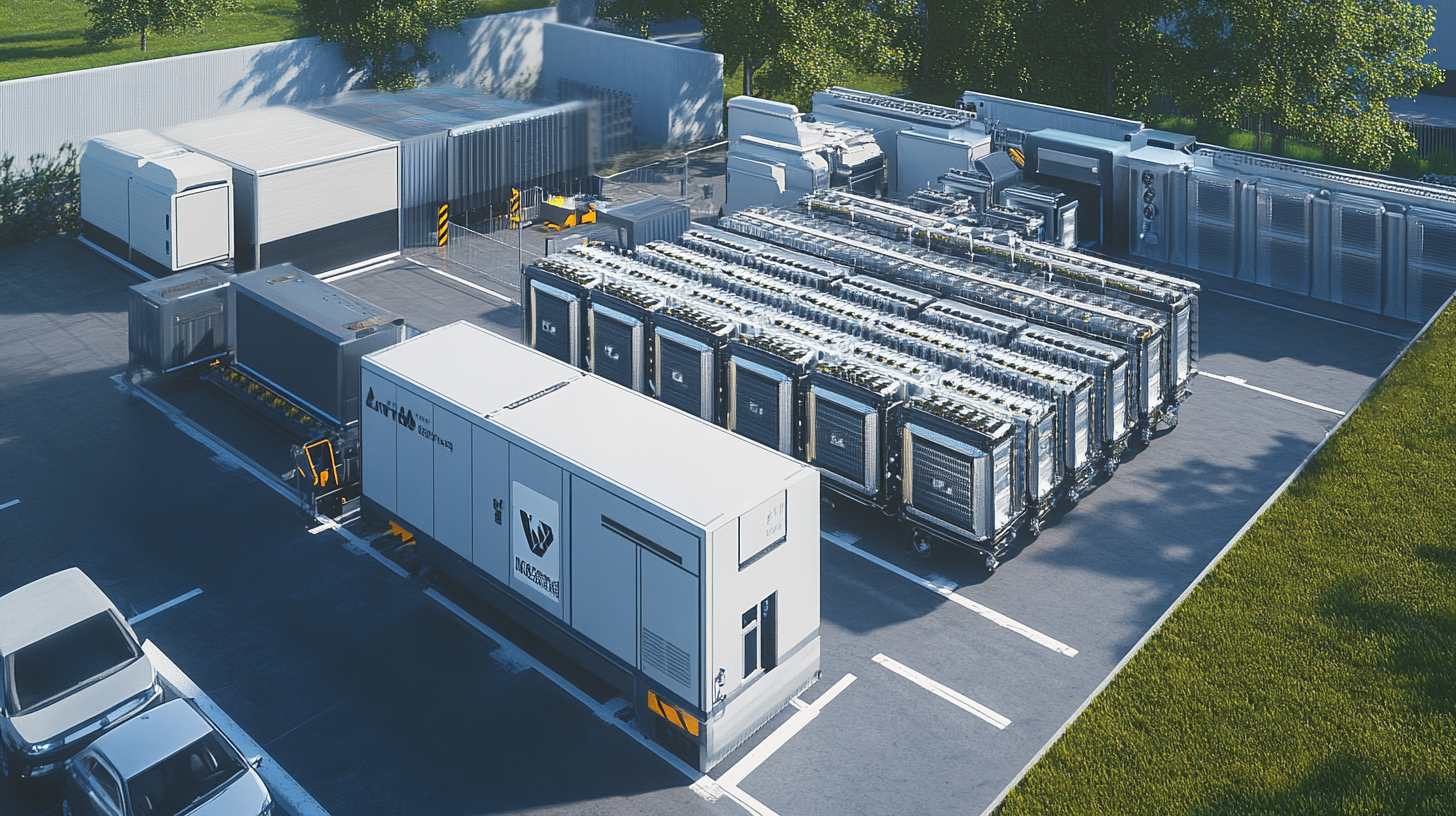
Focus is primarily on EV batteries in the circuit of circularity. Recycling scrapped cell EV batteries means a sustainable approach, where industry can do its part to reduce wastes while recovering materials in the process. Putting these batteries away from landfills can thus extremely reduce the environmental impact and promote responsible resourcing. The major advantage of recycling scrapped cell EV batteries is recovery of important metals such as lithium, cobalt, and nickel. These are essential in the construction of a new battery, and thus recycling represents a greener option than mining. This also decreases the demand for virgin materials and successfully adds to reduced emissions during normal extraction, which fit the environmental targets almost into the core. On another hand, this way, with advanced recycling machinery for EV batteries, it can be smoothened and made more efficient. These advancements keep the pace in recycling further easy for new consumption and recycling put back in the new battery production and other uses. With innovations and technology, the future will be more about circularity, where waste becomes a natural resource; thus, reinforcing the sustainability of the whole supply chain. Following these practices, these sectors can set a precedent for others and highlight the need for circularity in their business operations.
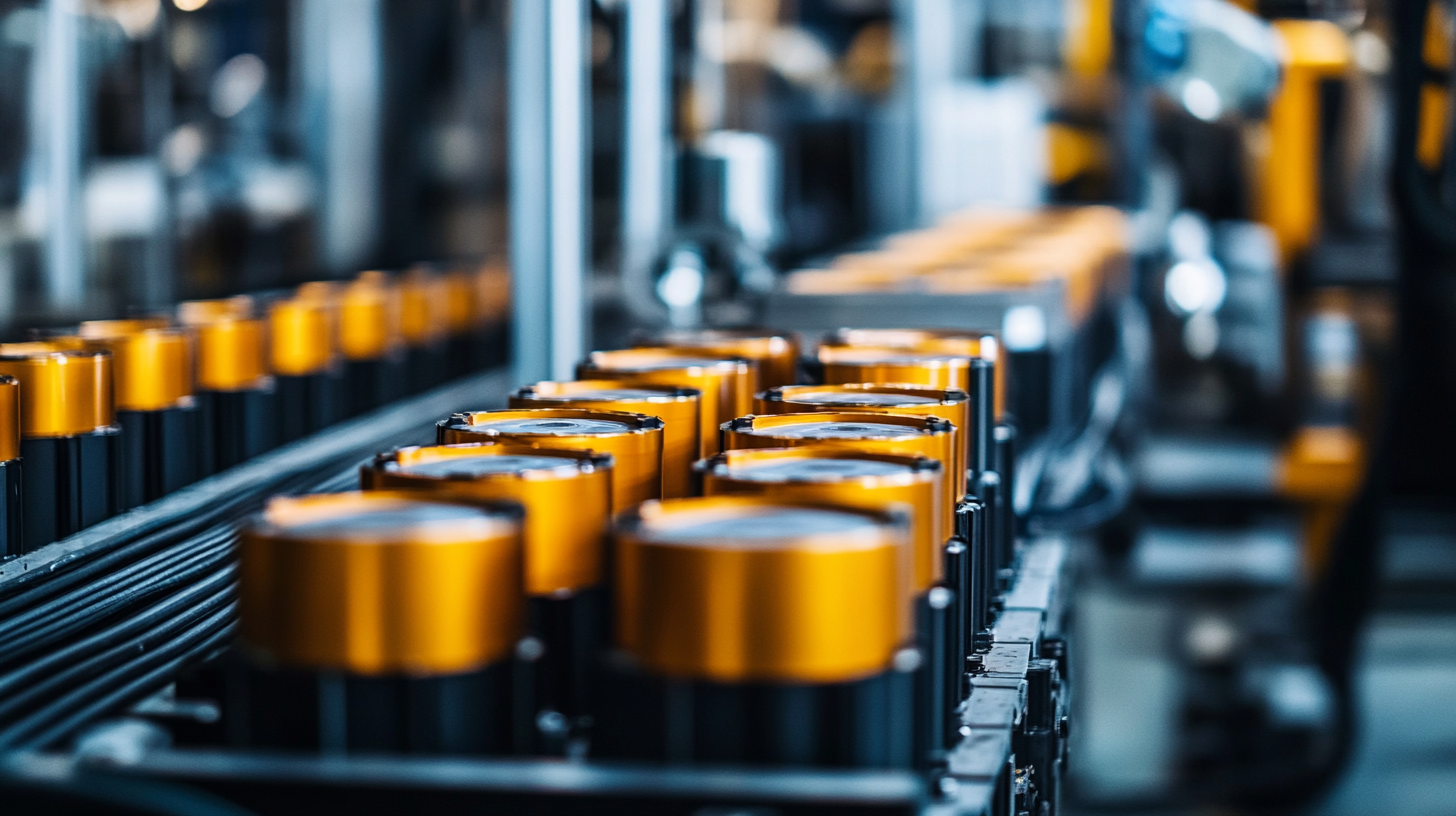
Among many challenges which the electric vehicle (EV) market is placing; the recycling of scrapped cell batteries is becoming one of the most important components of a circular economy and holds the most promise for the environment footprint implication. In a sharp report by the International Energy Agency (IEA), it is said that the possession of EV batteries worldwide will hit the bar of 200 million units as early as 2030. This means that there will be masses of spent batteries to manage responsibly. Of these batteries, up to 95% materials can be recovered through effective recycling processes, therefore cutting down virgin resource consumption and environmental impacts of mining.
Moreover, the environmental impact of recycling batteries for EVs contains conservation of resources. The report released by the Global Battery Alliance states that recycling should lead to the reduction of carbon emissions by 43 million tons a year by 2030. In addition to raw materials less extract, this reduction occurs due to energy savings from recycling versus primary production. Recycling also prevents hazardous materials from getting into landfills and then contaminating soil and water, thereby protecting ecosystems and public health.
The development of advanced technologies for recycling allows extracting metals such as lithium, cobalt, and nickel that are very much into making new batteries. According to the World Economic Forum, industry will save as much as $30 billion in raw materials by 2030 by "tapping into" the existing battery supply chain. Economic return and the bright prospects of improving the environment create the urgency for industries to invest in battery recycling machines and to develop infrastructure to recycle these batteries as part of their sustainability strategies.

The economic benefits of recycling machinery for scrapped cell electric vehicle (EV) batteries have gained greater weight in contemporary manufacturing settings. As industries seek to adhere to circular economy principles, these machines transform waste into resources of economic value. With lithium-ion battery recycling, companies can not only address their environmental responsibilities but can also save on raw material costs. This is critical since electric vehicle demand is experiencing an upward swing across the globe.
Further, in the broader context of the manufacturing economy, recycling machines afford industries some avenues for generating new sources of value and competitive advantage. The new advanced recycling technology integration can aid in streamlining operations, reducing wastes, and boosting profit in the long run. As sustainability becomes a more significant global theme, the embrace of circular strategies grants companies scope for appeal in the marketplace to customers and other stakeholders with an orientation towards sustainability.
Moreover, by recycling EV batteries, the local economy is strengthened through the creation of jobs in the recycling industry. By committing time and resources to establish a fully functional recycling process, these manufacturers contribute to the sustainability of tomorrow and enhance the local economic development of their communities. In keeping products in the use phase, the circular economy model emphasizes the importance of recycling machines for EV battery scraps in making this happen; hence environmental responsibilities and economic viability merge into one.

For the sake of battery management, spurring developments in the technology for electric vehicles is also pushing the urgent need to derive more sustainable methods from battery management. Such machines use advanced innovative technologies to maximize the recovery from cell reprocessing, accumulating and processing such valuable materials as lithium, cobalt, and nickel, which are required to construct new batteries-from the refurbished scrapped cells up to completely reused cells. Through this method, industries may achieve great efficiency and significant reduction in waste and damage to the environment.
Among these most critical innovations are artificial intelligence and its affiliate machine learning, which keeps being harnessed to enhance the recycling precision of such systems through identifying and sorting various battery chemistries. They also assist in increasing the efficiency of the whole recycling process through optimising power consumption and reducing the overall operational costs. Therefore, businesses that adopt these innovations do so knowing that resource management is increasingly enhancing their competitiveness toward meeting global sustainability targets and, in the process, improving profit margins.
Developments in hydrometallurgical and pyrometallurgical processes have also refined the means of extraction with which materials are gotten from spent batteries. These methods ensure not only increased recovery rates but also reduced emissions compared to conventional recycling techniques. Transforming waste into resource greening industries for a more circular economy like such clean technology solutions promises a sustainable future for EV production.
This globalisation is characterized by almost more than its essential adoption. By 2024, the global EV battery recycling market is valued at nearly USD 0.54 billion, and projections suggest it would soar to USD 23.72 billion by 2035. Such growth indicates the need for recycling methods that match the increasing number of scrapped EV batteries as the automotive industry changes into a phase of sustainable electric mobility. Just in time for this market growth, there arises the necessity for good recycling programs that can deal with these kinds of challenges.
One of the most crucial challenges in the building of comprehensive recycling systems concerned in almost all countries worldwide is the complexity of battery technologies preventing any standardized approach in any of the above-mentioned levels, from battery production to recycling in practice. This adds new proportions of difficulty to recycling processes. Additionally, there isn't an established infrastructure to ensure the collection and disassembly of used batteries, which increases costs and swathes the entire situation with inefficiencies. Moreover, quite in the thick of clearer complexities are regulatory hurdles and the need to initiate cooperation among different stakeholders.
Solutions have been proposed to alleviate these constraints. First of all, battery designs must be improved for easy recycling, while investment in research into new techniques that enhance efficiency in battery recycling will further solutions. Partnerships between firms and regulatory authorities are sought. Lastly, incentivizing public awareness will create interest in battery recycling among the general public, hence, consumers will participate in actions with the end goal of creating a more robust recycling ecosystem. These challenges must also be overcome as the global trend toward electrification continues so that all potential circular economy benefits are realized for EVs.
The regulatory framework for battery recycling related to the various circular economy initiatives is rapidly changing, and this changing environment is spurred by the urgent need for sustainable practices for EV industry operations. The International Energy Agency (IEA) reports that the global fleet of electric cars is likely to reach 145 million in 2030, which further implies a massive increase in discarded batteries requiring better recycling solutions. Unsurprisingly, governments across the world have imposed significant regulations to ensure that battery recycling becomes an integrated aspect of lifecycle management for EVs.
In the European Union, the Battery Directive requires that by 2025, at least 50% of the materials in the spent batteries shall be recycled with a higher ambition in mind of 70% by 2030. This is indicative of a more general outreach toward the circular economy wherein industries are encouraged not to waste valuable materials. It is furthering urges on new regulations to bring transparency and traceability in this recycling operation which in turn builds consumer and investor confidence. The World Economic Forum poses the question of recovering up to 90% of materials considered crucial-to-be like lithium, cobalt, and nickel from the recycling processes, emphasizing the need for effective regulatory frameworks.
With the recent introduction of the Bipartisan Infrastructure Law in the United States, funds have been allocated for the development of advanced battery recycling technologies, with the intention of building a sustainable supply chain for EV batteries. According to the U.S. Department of Energy, the lithium-ion recycling market is projected to exceed $4 billion by 2030. As regulations tighten, manufacturers of scrapped cell battery recycling machines will have a chance to gain maximum profits and environmental credits from a circular economy, thus helping bring a cleaner, greener world into being.
The automotive landscape is being reshaped as the transition to EVs comes with the challenge to efficiently recycle scrapped cells' batteries, given the rising demand. Some case studies show how battery recycling technologies are setting the stage for a sustainable future. A recent report by the International Energy Agency stated that the global market for battery recycling may reach $45 billion by the year 2030, thus emphasizing the pressing need for recycling solutions in this field.
One example of an illustrious partnership is that of Li-Cycle with General Motors, creating a closed-loop battery recycling system, which recycles more than 95% of lithium, nickel, and cobalt from used batteries, thereby showing how partnerships can build technology. Their data suggest that recycling these critical materials will greatly decrease the need for mining and reduce carbon emissions, thus contributing to a framework of a circular economy.
Another inspiring case is Volkswagen's drive to build a battery recycling plant in Salzgitter, Germany. The hot facility intends to recover raw materials from old batteries and reintroduce them into the supply chain. With projections that EV battery production may scale fivefold by 2025, Volkswagen's efforts and others like it are crucial to ensuring future demand is met responsibly. Reports indicate that effective recycling could supply approximately 75% of raw materials needed for battery production, thus converting waste into something that is worth and showing the economic viability of recycling technologies.
The future of recycling electric vehicle batteries is undergoing rapid transformation due to sustainability and increasing needs for raw materials. As the market for recycled lithium-ion batteries is on the rise, from a valuation of $775.6 million in 2023 to $4.31 billion by 2033, industries are engaging in circular economy initiatives. It will address the environmental concerns related to battery waste while providing a more sustainable supply for critical materials.
Innovation is the key to unlocking the potential in EV battery recycling. Newer technologies are being developed to increase the effectiveness of recycling operations, allowing for recovery of up to one-third of U.S. cathode material needs by 2030. Lithium-ion batteries nearing the end-of-life represent a material resource, especially with cobalt, nickel, and lithium, needed for new battery production. With stakeholders from different sectors adopting a circular economy, the driver for sustainable battery recycling practices will gain an extra momentum.
As Europe and other regions turn their focus toward different aspects of recycling, the need for skilled manpower in this area is growing rapidly. Education and training in the EV battery recycling process are imperative to ensure manpower that would meet the changing demands of the industry. The automobile industry serves as the fulcrum of this transformation, in nurturing a culture of fostering innovation and sustainability would be the way forward to gainfully harnessing the economic potential of the transition to electric vehicles and associated technologies.
EV battery recycling is crucial because it can recover up to 95% of materials from spent batteries, reducing the need for virgin resources, decreasing carbon emissions, and preventing hazardous materials from contaminating landfills and ecosystems.
Recycling EV batteries can potentially reduce carbon emissions by 43 million tons annually by 2030, resulting from decreased raw material extraction and energy savings.
Advanced recycling technologies can extract vital materials such as lithium, cobalt, and nickel, which are essential for producing new batteries.
The European Union's Battery Directive mandates that at least 50% of materials from spent batteries should be recycled by 2025, increasing to 70% by 2030.
The regulatory framework is evolving to ensure that battery recycling is integrated into the lifecycle management of EVs, implementing stringent regulations for recycling practices and promoting transparency and traceability.
By implementing effective battery recycling practices, companies can save up to $30 billion in raw material costs by 2030 while capitalizing on financial incentives associated with a circular economy.
The market for recycling lithium-ion batteries in the U.S. is anticipated to exceed $4 billion by 2030, driven by increased regulatory support and demand for sustainable supply chains.
Industries that invest in battery recycling technologies and machines will be well-positioned to leverage both financial returns and environmental benefits, contributing to a cleaner, greener future.
Transparency and traceability in recycling processes enhance consumer and investor confidence, ensuring that materials are being handled responsibly and sustainably.
Governments are implementing stringent regulations and providing funding, such as through the Bipartisan Infrastructure Law in the U.S., to develop advanced battery recycling technologies and foster a sustainable supply chain for EV batteries.