Leave Your Message
0%

Recycling aluminum isn’t just about doing something good for the planet — it’s practically a must in today’s world if we wanna live sustainably. With more folks realizing how important it is to cut down on waste and save resources, getting a handle on aluminum recycling has become pretty essential, whether you’re just starting out or you’ve been at it for a while. This guide aims to give you the lowdown and some handy tips to make the whole process easier, so you can really get the most out of recycling your aluminum.

From the basics of how aluminum recycling works to some of the more advanced tricks for processing it efficiently, I’ve put together this guide to help you feel more confident about your choices. Whether you’re new to recycling or just looking to fine-tune your approach, the info here will give you the tools to make a positive difference — both for the environment and possibly your wallet. And as we dig deeper into the ins and outs of aluminum recycling, you’ll also see that it’s not just about saving money — there’s a real ecological impact too, and your efforts do matter.
Ultimate Guide to Aluminum Metal Recycling Tips for Beginners and Experts

Understanding the Basics of Aluminum Recycling: A Comprehensive Overview

Aluminum recycling is an essential process that contributes significantly to environmental sustainability. At its core, aluminum is a valuable metal due to its lightweight, durability, and resistance to corrosion. Understanding the basics of aluminum recycling begins with recognizing the lifecycle of aluminum products. From cans to construction materials, aluminum can be recycled indefinitely without losing its properties, making it one of the most recycled metals globally. This means that every piece of aluminum collected can potentially re-enter the production cycle, helping to conserve natural resources and reduce energy consumption.

The recycling process itself involves several key steps. First, Aluminum Scrap is collected and sorted to remove contaminants. Then, the clean aluminum is shredded into smaller pieces, which are melted down in a furnace. During this melting process, impurities are skimmed off, and the molten aluminum is then poured into molds to create new aluminum products, such as sheets, ingots, or extrusions. Understanding these steps not only highlights the efficiency of aluminum recycling but also emphasizes its role inreducing landfill waste and minimizing the carbon footprint associated with aluminum production. For both beginners and experts, engaging in aluminum recycling supports a circular economy, making it a vital practice for a more sustainable future.

The Environmental Benefits of Recycling Aluminum Metal

Ultimate Guide to Aluminum Metal Recycling Tips for Beginners and Experts

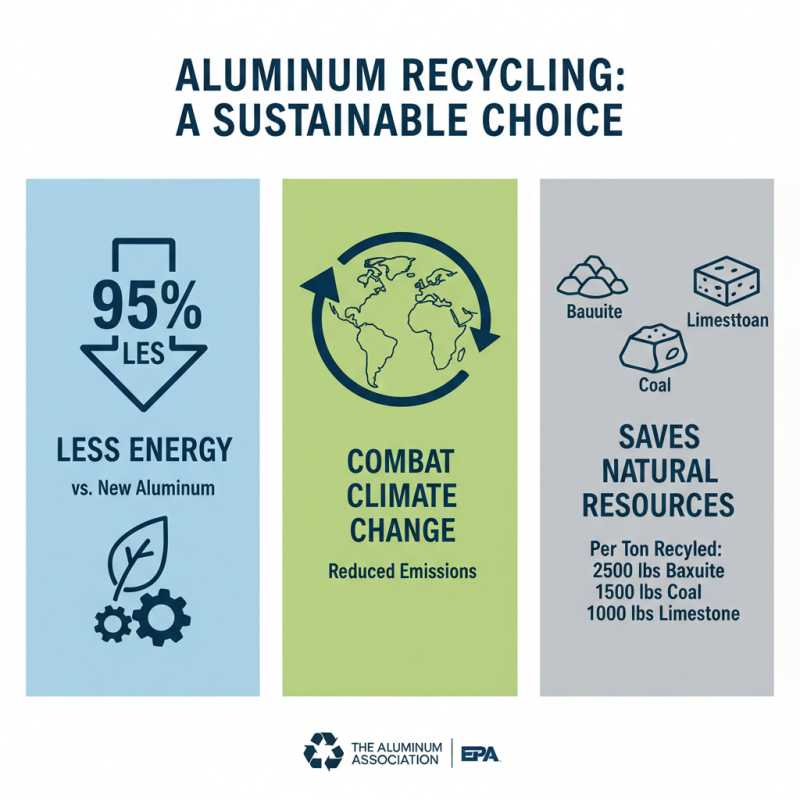
Recycling aluminum metal plays a vital role in reducing environmental impact and conserving natural resources. The Aluminum Association states that recycling aluminum uses only 5% of the energy required to produce new aluminum from raw materials. This massive reduction in energy consumption translates to significant decreases in greenhouse gas emissions, making aluminum recycling a critical element in combating climate change. According to the Environmental Protection Agency (EPA), recycling one ton of aluminum saves around 2,500 pounds of bauxite, 1,500 pounds of coal, and 1,000 pounds of limestone. These figures highlight the importance of aluminum recycling in preserving our planet's resources.

For those looking to get involved in aluminum recycling, here are a few tips to maximize your impact. First, ensure you clean aluminum products before recycling them; residue can contaminate the recycling process. Second, familiarize yourself with local recycling guidelines—knowing what types of aluminum are accepted can help you recycle more effectively. Third, consider participating in community recycling programs to educate others about the benefits of aluminum recycling and its positive environmental effects.

Furthermore, the recycling of aluminum contributes to the circular economy, where materials are reused and repurposed, thus minimizing waste. As the demand for sustainable practices grows, engaging in aluminum recycling not only supports environmental health but can also lead to economic opportunities in green jobs and industries. Transitioning to a more sustainable approach to aluminum production and recycling is essential for the health of our planet and future generations.

Step-by-Step Process of Aluminum Metal Recycling

Aluminum recycling not only conserves natural resources but also significantly reduces energy consumption. The process begins with the collection of used aluminum products, which are then sorted based on their grade and cleanliness. According to data from the Aluminum Association, recycling aluminum saves up to 95% of the energy required to create new aluminum from raw materials. Once sorted, the aluminum is cleaned and shredded into smaller pieces, allowing for more efficient melting in the next phase.

Following shredding, the material is melted in large furnaces. It’s worth noting that this melting process releases fewer greenhouse gases compared to primary aluminum production, further emphasizing the environmental benefits of recycling. After the aluminum is melted, it is poured into molds to create ingots. These ingots can be transported to manufacturers to produce new aluminum products, thereby completing a sustainable loop.

Reports show that over 75% of all aluminum ever produced is still in use today, highlighting the longevity and recyclability of this metal. This cycle underscores aluminum's role as a common ally in sustainable practices, making the step-by-step recycling process crucial for both beginners and experts alike.

Tools and Equipment Needed for Effective Aluminum Recycling

Ultimate Guide to Aluminum Metal Recycling Tips for Beginners and Experts

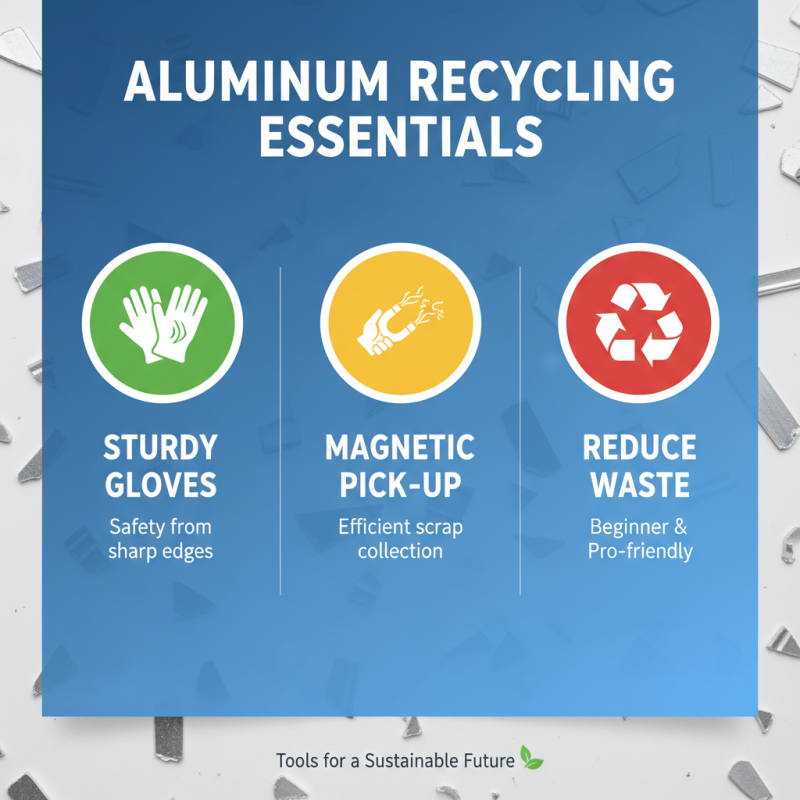
When venturing into aluminum metal recycling, having the right tools and equipment is essential for both beginners and experienced recyclers. A sturdy pair of gloves is vital for safety, as handling raw aluminum can sometimes result in sharp edges or jagged pieces. Additionally, a magnetic pick-up tool can help collect aluminum scraps efficiently, preventing potential injuries and ensuring no valuable pieces are left behind.

For those looking to streamline the recycling process, a wire cutter and a baler can be invaluable. The wire cutter allows recyclers to cut aluminum products into manageable pieces, while a baler compacts the aluminum for easier transport and increased value when taken to recycling centers. Furthermore, a good pair of safety goggles protects your eyes from debris during the cutting and sorting phases. By equipping yourself with the right tools, you not only enhance efficiency but also maintain a safer working environment, making the aluminum recycling process smoother and more effective.

Common Mistakes to Avoid in Aluminum Metal Recycling

Aluminum metal recycling is an eco-friendly practice that not only conserves resources but also reduces energy consumption significantly. However, many beginners and even experienced recyclers often fall prey to common mistakes that diminish the efficiency and effectiveness of their recycling efforts. One major error is failing to properly clean aluminum before recycling. Residual contaminants, such as food or oil, can alter the melting process and decrease the quality of recycled aluminum, which is important as industry data shows that high-quality aluminum can save about 95% of the energy required to produce aluminum from raw materials.

Another frequent pitfall is mixing aluminum with other metals. Aluminum has a lower melting point compared to materials like steel, which can lead to complications during the recycling process. According to the Aluminum Association, recycling facilities can lose a significant amount of potential revenue due to the contamination of aluminum with other scrap metals. It’s vital for recyclers to keep aluminum separate to ensure it is processed correctly and to maximize return on investment. This separation guides recyclers in producing high-purity aluminum, which is essential for any marketable product and ensures the sustainability of aluminum resources for the future.

Furthermore, not staying informed about local recycling guidelines can result in missed opportunities for recycling. Different regions may have specific regulations and procedures, and failing to adhere to these could lead to rejected materials or lower payouts. The National Recycling Coalition emphasizes the importance of community engagement in recycling programs to keep up with local practices. Whether a novice or an expert, understanding the best practices for aluminum recycling can significantly enhance the positive impact of these efforts on the environment and the economy.

Best Practices for Collecting and Sorting Aluminum Scrap

When it comes to recycling aluminum, effective collection and sorting practices are crucial for maximizing efficiency and profit. For beginners, starting with a designated collection area can help streamline the process. Use clearly labeled bins for different types of aluminum, such as cans, foils, and extrusions. This not only simplifies the sorting process but also encourages others to participate by making it easy to understand where to place their recyclables. Regularly check and empty the bins to maintain a clean and organized space.

For more experienced recyclers, fine-tuning your sorting process is key to obtaining the highest quality aluminum for recycling. Thoroughly clean the aluminum before sending it off—removing any contaminants can significantly increase its value. Additionally, be aware of the different grades of aluminum, as they can impact pricing. Grouping similar types will help in negotiations with scrap yards and recycling facilities. Understanding the local recycling guidelines and requirements ensures you are adhering to best practices, which not only enhances your recycling efforts but also promotes a sustainable approach within your community.

Advanced Techniques for Experts in Aluminum Recycling

When it comes to aluminum recycling, advanced techniques can significantly enhance efficiency and profitability. One effective method is the use of hydraulic systems to streamline the compaction and baling processes. According to the Aluminum Association, recycling aluminum saves up to 95% of the energy required to produce new aluminum from raw materials. Implementing hydraulic balers can help reduce operational costs while maximizing the volume of aluminum processed over time. This is especially crucial, as the global demand for recycled aluminum is projected to reach 10 million metric tons by 2025, making efficient processing essential for meeting market needs.

Another advanced technique is the application of sophisticated sorting technologies, such as optical sorting and AI-driven systems. These systems can accurately differentiate aluminum from other materials, ensuring higher purity levels in the recycled product. A 2022 report from the International Aluminum Institute states that improvements in sorting technology can increase the recovery rates of aluminum from waste by up to 20%. By investing in these technologies, recycling facilities can not only enhance their output quality but also contribute to a circular economy, where valuable resources are continually reused, reducing environmental impact.

Aluminum Recycling: Annual Recyclable Aluminum Types and Their Volumes

FAQS

: What are the environmental benefits of recycling aluminum?

: Recycling aluminum significantly reduces energy consumption, using only 5% of the energy required to produce new aluminum from raw materials. This leads to a decrease in greenhouse gas emissions, making it vital in combating climate change.

How much natural resource is saved by recycling a ton of aluminum?

Recycling one ton of aluminum saves approximately 2,500 pounds of bauxite, 1,500 pounds of coal, and 1,000 pounds of limestone, highlighting its importance in conserving natural resources.

What should I do to prepare aluminum products for recycling?

Ensure that aluminum products are cleaned before recycling, as residue can contaminate the recycling process.

How can I find out what types of aluminum are accepted for recycling in my area?

Familiarize yourself with local recycling guidelines to understand what types of aluminum are accepted, which will help you recycle more effectively.

What is the role of community recycling programs in aluminum recycling?

Participating in community recycling programs can help educate others about the benefits of aluminum recycling and promote its positive environmental effects.

How can I maximize the efficiency of my aluminum recycling efforts?

Start with a designated collection area using clearly labeled bins for different types of aluminum to simplify sorting and encourage participation.

What is the importance of cleaning aluminum scrap before recycling?

Thoroughly cleaning aluminum removes contaminants that can significantly increase its value and enhance the quality of the recycled material.

How do different grades of aluminum affect recycling?

Understanding the different grades of aluminum is important, as they can impact pricing when negotiating with scrap yards and recycling facilities.

How often should I check my recycling bins?

Regularly checking and emptying the recycling bins helps maintain a clean and organized space, which is essential for effective recycling.

What is the circular economy in the context of aluminum recycling?

The circular economy involves reusing and repurposing materials, such as aluminum, to minimize waste and promote sustainable practices.

Conclusion

Aluminum metal recycling is a vital practice that not only conserves natural resources but also significantly benefits the environment. This ultimate guide offers a comprehensive overview of the basics of aluminum recycling, highlighting its environmental advantages and detailing the step-by-step process involved. It also emphasizes the essential tools and equipment needed for effective recycling, as well as common mistakes that beginners and even experts might encounter.

Additionally, the guide provides best practices for collecting and sorting aluminum scrap, ensuring that recyclers maximize efficiency. For those looking to deepen their understanding, advanced techniques suited for experienced recyclers are also explored. By following these tips, both newcomers and seasoned professionals can enhance their recycling efforts and contribute to a more sustainable future through aluminum metal recycling.

Sophia

Sophia

Sophia is a dedicated marketing professional at Henan ShanShui Heavy Industry Technology Co., Ltd., where she leverages her extensive knowledge to promote the company's innovative products. With a strong focus on the heavy machinery sector, she excels in creating insightful blog posts that are......
Previous 2025 Global Trends in Solar Panel Separation Technology You Should Know