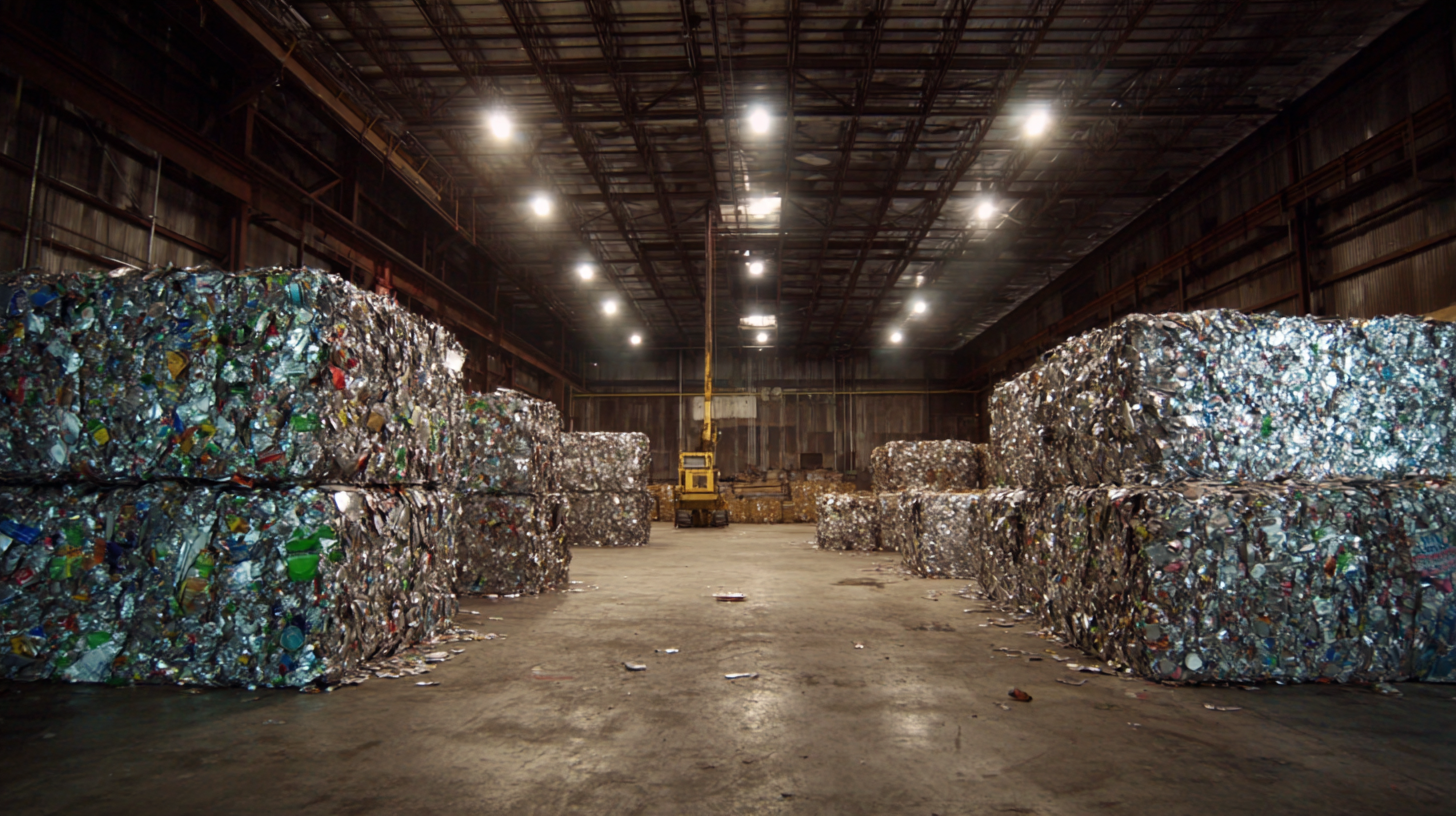
Lately, there’s been a noticeable shift in the construction industry towards embracing sustainable practices, especially when it comes to managing waste and recovering resources. A big player in this whole transformation is Aluminum Metal Recycling. It’s super important for cutting down waste and boosting how we use our resources. As companies work hard to shrink their carbon footprint, it’s clear that we need to tackle the challenges of effective recycling head-on if we really want to tap into the full potential of aluminum. Here at Henan Shanshui Heavy Industry Technology Co., Ltd., based in China, we’re all about pushing the envelope with eco-friendly machinery. Since 2013, we’ve been digging into research and development, creating some pretty cool equipment for recycling, including everything from waste Solar Panels to lithium batteries. In this blog, we’re going to dive into the hurdles that come with Aluminum Metal Recycling and share some solid insights on best practices that could totally revolutionize the construction world with sustainable solutions.
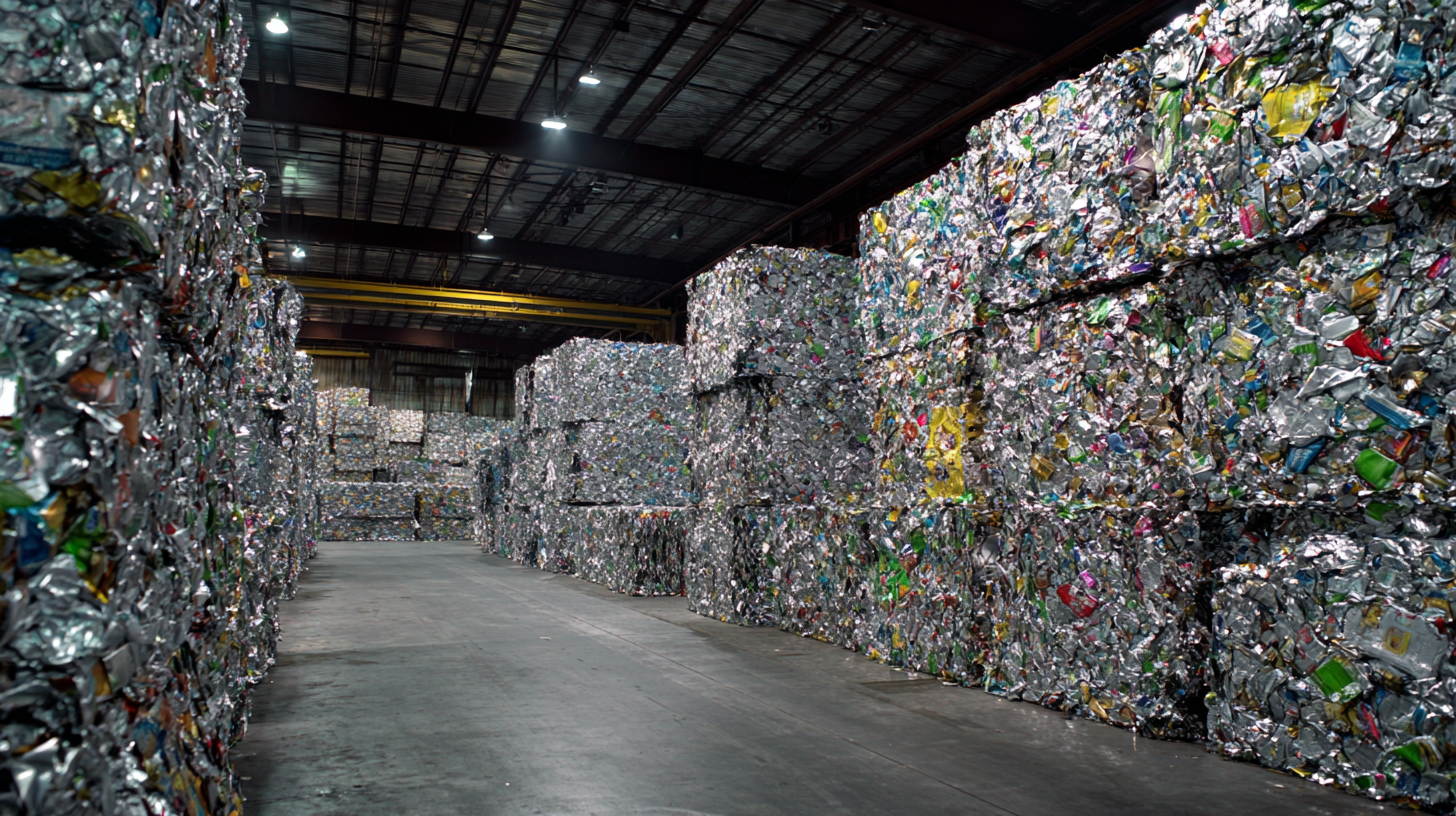
You know, aluminum recycling has really become a game changer in the construction world. It's not just about being eco-friendly; it’s also a smart move economically. With the demand for aluminum on the rise globally, finding new ways to use recycled aluminum is becoming super important. Experts say the aluminum market is gonna see some serious growth, especially in construction, driven by this big shift towards greener practices. We're talking about different aluminum alloy series like the 1000, 3000, and 6000 series making their way into projects everywhere.
As everyone hones in on greener solutions, the construction industry really looks to recycled aluminum for all sorts of uses—from frameworks that hold buildings up to facades that make them look great—basically replacing the old standard materials and cutting down on environmental harm. Plus, there’s this big uptick in the high-strength aluminum alloy market, which is expected to grow at a rate of 2.32% annually from 2023 to 2032—pretty exciting, right? All of this shows that the industry is genuinely committed to innovation and sustainability, and recycled materials are leading the way toward a more sustainable future in construction. It really highlights how aluminum recycling is so vital to evolving the industry for the better.
You know, the aluminum recycling industry is super important when it comes to sustainable building practices. It’s like a goldmine for reusing valuable materials, all while doing our bit for the planet. To really get the most out of this process, though, we need some high-performance recycling equipment that’s got the right specs. Think about it: we need machines that can shred aluminum waste efficiently and have fancy separation technologies to keep the recycled metals nice and pure. Plus, having equipment that can handle different types of aluminum, whether it’s extrusions, castings, or just scrap, really adds some flexibility to the whole recycling gig, which is great for all kinds of construction projects.
Another biggie for top-notch recycling equipment is energy efficiency. Machines that focus on energy-saving tech can really help cut down costs while still cranking out maximum output. And let’s not forget about automation and smart sensors! They can really jazz up the monitoring of recycling operations and give us real-time insights into how things are performing. So, by really paying attention to these key specs, the construction industry isn’t just improving its recycling game; it’s also playing a big role in supporting the circular economy. This way, we keep aluminum as a sustainable resource for generations to come.
You know, the aluminum recycling scene is really gearing up for some big changes! It’s all thanks to some cool new techniques that make things more efficient and eco-friendly. Leading the charge in this exciting transformation is Henan Shanshui Heavy Industry Technology Co., Ltd., which is doing some awesome work by creating cutting-edge machinery that makes aluminum recovery way more effective. They really care about the environment, which is why they focus on recycling aluminum waste in a way that cuts down on environmental harm while getting the most out of resources.
If you're looking to boost your aluminum recycling game, here are a few tips that might help: First off, think about investing in specialized equipment that can quickly separate aluminum from other materials. Not only will this speed things up, but it’ll also improve the purity of the materials you’re working with. Secondly, make sure your team is trained well in spotting and managing different aluminum grades; this can really amp up sorting efficiency. And don’t forget—a comprehensive recycling approach that considers the whole lifecycle of aluminum products can seriously enhance recovery rates and material management.
With innovative tech and smart practices, companies like Henan Shanshui Heavy Industry are not just tackling the challenges of aluminum recycling but are also raising the bar for the entire construction industry. It’s an exciting time to be in this space!
You know, aluminum recycling is super important if we want to make our construction industry more sustainable. But let’s be real, there are quite a few bumps in the road that are slowing things down. For one, we’ve got some pretty inefficient collection systems, and then there’s the issue of recycled materials getting contaminated. Not to mention, a lot of folks don’t even know about the perks of recycling! To tackle these challenges, it’s going to take a team effort—everyone from manufacturers and policymakers to the community needs to come together to come up with solid strategies that actually improve recycling processes.
And it’s not just construction. Look at industries like pharmaceuticals! They’re digging into some pretty cool sustainable practices to break down similar barriers. By putting consumer safety first while also bringing in eco-friendly solutions, companies can really help kickstart a circular economy. This whole industrial perspective shows how vital it is to keep investing in research and development and embracing new tech. Here at Henan Shanshui Heavy Industry Technology Co., Ltd., we’re all about making eco-friendly machinery. It’s more than just a job for us; it’s a crucial part of pushing aluminum recycling further, helping build a sustainable future—both in construction and beyond.
| Challenge | Description | Impact on Recycling | Solution |
|---|---|---|---|
| Contamination | Presence of non-aluminum materials in the recycling stream. | Reduces material quality and increases processing costs. | Implementing comprehensive sorting technologies. |
| Lack of Infrastructure | Insufficient facilities or technologies for effective recycling. | Limits recycling capabilities and increases waste. | Investment in recycling plants and modern technologies. |
| Economic Viability | Fluctuating market prices for recycled aluminum. | May discourage businesses from pursuing recycling initiatives. | Subsidies and incentives from governments to stabilize prices. |
| Public Awareness | Low understanding of the benefits of aluminum recycling. | Results in lower participation in recycling programs. | Educational campaigns to raise awareness about recycling benefits. |
| Quality Control | Difficulty in maintaining standards for recycled aluminum. | Compromises the integrity of recycled materials. | Advanced monitoring and quality assurance processes. |
You know, bringing aluminum recycling into construction projects is a game changer. Not only does it help cut down on waste, but it also takes a big step toward being more sustainable. One great way to get going with this is to include recycling plans right from the start when you're designing the project. If architects and project managers think about aluminum as a key material from the get-go, they can really make the most of recycled content and set up specific spots for gathering scrap materials. This kind of proactive planning means that every step of construction is digging into recycling and, in the end, it keeps a lot of aluminum from ending up in landfills.
Another really important tip is to team up with local recycling facilities and suppliers that are all about aluminum processing. Building these partnerships can make it super easy to find and source recycled aluminum and also share some valuable tips on the best ways to reuse it. Plus, if you get your construction teams trained on how to properly handle and sort aluminum waste, that can really boost recycling rates. Creating a culture focused on sustainability among workers helps cut down contamination in recyclables and makes everything run smoother during recycling. By embracing these strategies, not only do we step up our environmental responsibility, but we might even save some cash and see better results in our projects.
You know, the aluminum recycling industry has really come a long way in recent years, especially when it comes to construction. With everyone getting serious about sustainability these days, technologies that help recycle aluminum better are becoming super important. We've got cool innovations like automated sorting systems and advanced melting techniques that can really ramp up how efficiently we recycle. This means we can reuse quality aluminum in construction projects, which is awesome! Not only does this help cut down on waste, but it also helps shrink carbon footprints across the board.
For companies thinking about diving into these advancements, I’d say it's a good idea to invest in some R&D to check out new recycling technologies. Partnering up with specialized firms that focus on sustainability can also be a game-changer. By really getting into recycling, businesses in the construction world can improve their material sourcing while attracting eco-conscious shoppers who care about sustainability when they’re making their choices.
And let's not forget about keeping tabs on regional market trends. Different areas have different needs and rules around aluminum use and recycling. When you understand what’s going on in specific markets, like transportation or packaging, you can tweak your recycling initiatives to hit the sweet spot for impact and profitability.
: Aluminum recycling is crucial in the construction industry because it offers significant sustainability benefits and economic advantages, helping to reduce waste and minimize environmental impact.
The growing global demand for aluminum drives the need for reimagining recycled aluminum applications, pushing the industry towards more eco-friendly practices and innovations.
Various aluminum alloy series, including 1000, 3000, and 6000 series, are commonly used in construction applications to promote recycling and sustainability.
Best practices include integrating recycling plans early in the design phase, establishing specific collection points for scrap materials, and collaborating with local recycling facilities.
Training construction teams on proper handling and segregation of aluminum waste can enhance recycling rates and minimize contamination of recyclables.
The high-strength aluminum alloy market is expected to see a compound annual growth rate (CAGR) of 2.32% from 2023 to 2032.
Collaborating with local recycling facilities helps facilitate the sourcing of recycled aluminum and provides valuable insights into best practices for reuse.
By considering aluminum as a primary material early in the design phase, architects and project managers can optimize recycled content use and enhance recycling efforts throughout the construction process.
Embracing aluminum recycling strategies can enhance environmental responsibility, lead to cost savings, and improve project outcomes.
Fostering a culture of sustainability encourages workers to take recycling efforts seriously, which can significantly reduce waste and improve the overall efficiency of the recycling process.