- shanshui@shanshuizg.com
- We Will Respond to Your Inquiry Within 24 Hours of Receipt!
Leave Your Message
- Phone
- E-mail
- Whatsapp
- Wechat

With the world pushing hard towards sustainable energy, the need for efficient solar panel recycling machines has never been more urgent. As more and More Solar panels get installed, we’re also facing the tricky task ofrecycling them properly once they’re done with their lifespan. It’s a challenge, for sure, but tackling it isn’t just about cutting down environmental harm — it’s also about supporting a circular economy that keeps resources in use for longer. Our company, Henan Shanshui Heavy Industry Technology Co., Ltd., started back in 2013 in Henan, China, and we've been leading the charge in developing eco-friendly machinery.
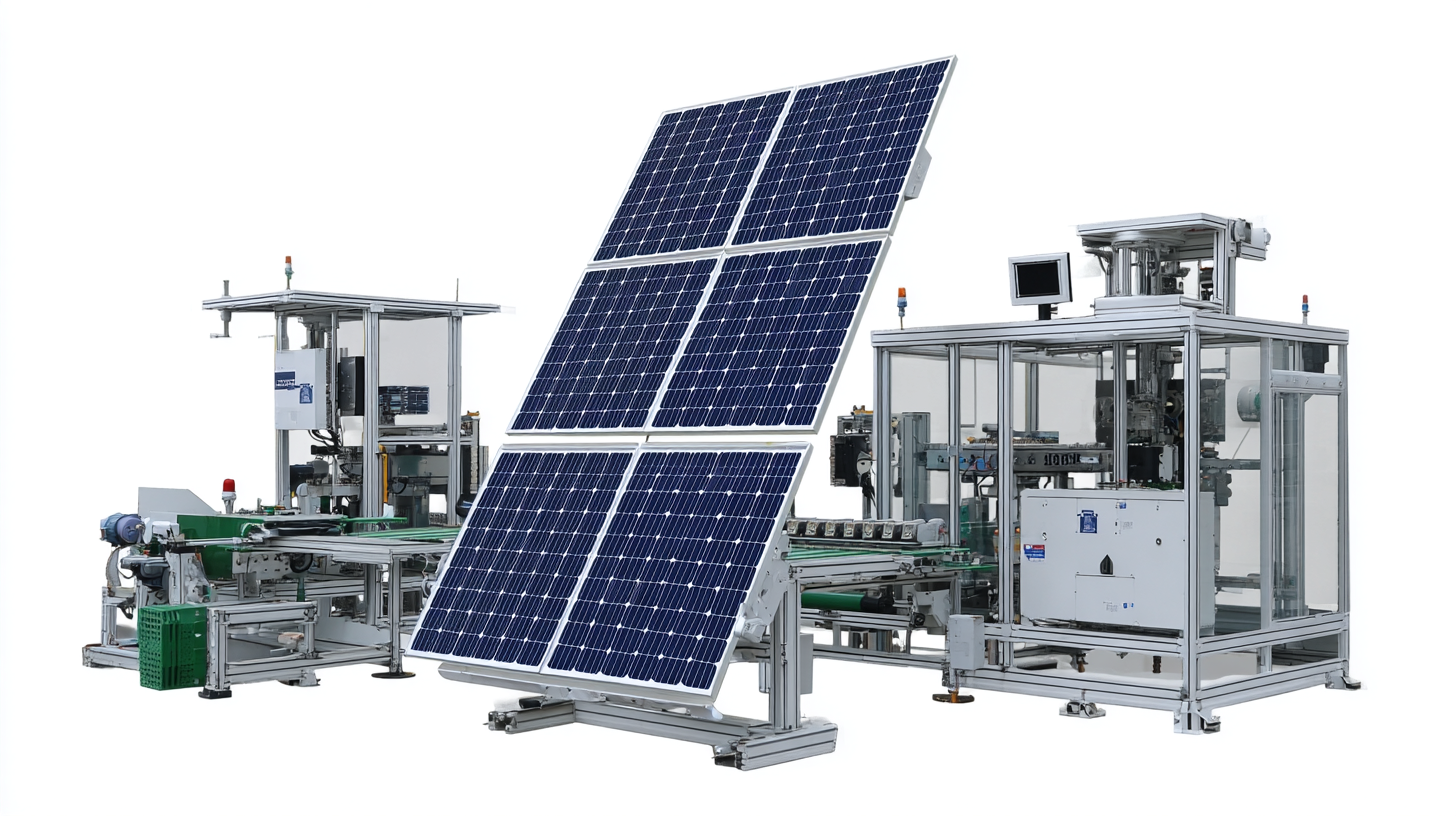
We’re especially focused on creating smart solutions for recycling waste solar panels and lithium batteries, because let’s face it, managing solar panel waste isn’t straightforward. In this blog, I’ll share some insights about the industry, go over the current hurdles, and toss in some ideas for new solutions that could make recycling more efficient and sustainable. It’s all about making sure we’re doing our part for the planet, one step at a time.
As Solar Energy keeps growing, the importance of recycling those solar PV panels really can’t be stressed enough. I mean, with millions of panels installed all over the world, a lot are starting to reach the end of their life. Recycling them properly isn’t just about trashing stuff — it’s about reclaiming valuable bits like silicon, silver, and glass instead of dumping everything in landfills. That’s a big deal for creating a circular economy. Not only does this cut down on waste, but it also helps lessen the environmental damage caused by mining and manufacturing new materials. Ultimately, it’s all about staying on track for a more sustainable future.
On top of that, we’ve gotta tackle the issues with the recycling machines themselves if we want the process to become more efficient and scalable. We need new tech that can boost how much reusable material we recover, while also using less energy in the process. By investing in smarter equipment and fine-tuning how things work, the industry can handle more and more retired panels without breaking a sweat. Taking these steps seriously will be key to hitting our sustainability targets, making sure our shift to renewable energy is both eco-friendly and financially sensible.
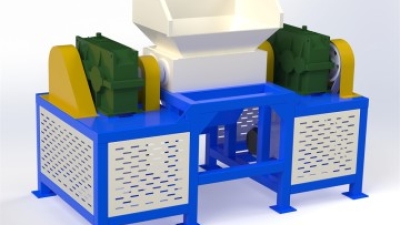
In the quest for sustainable energy solutions, the recycling of solar panels has emerged as a critical component of the solar industry. As solar panels reach the end of their lifecycle, they can contribute to significant waste if not processed properly. This is where advanced solar panel shredders come into play. These specialized machines are designed to efficiently handle the diverse materials found in solar panels, including glass, silicon wafers, and aluminum frames.
Equipped with high-strength shredding chambers and sharp, durable knives made from specialized alloy materials, solar panel shredders can withstand the intense forces required to break down these hard materials. The unique structural design ensures that each component is optimized for maximum efficiency, allowing for rapid processing of complete solar panels into smaller, manageable pieces. With a powerful drive motor, these shredders maintain stable performance, enabling businesses to recycle solar panels effectively while contributing to a circular economy and minimizing environmental impact.
Investing in solar panel recycling equipment is not just a step towards enhancing sustainability practices but also a means of harnessing valuable materials for future use. By properly recycling solar panels, we can recover precious resources and reduce the strain on natural resources, thereby promoting a greener and more sustainable future.
: Solar PV panel recycling is important because it allows for the recovery of valuable materials such as silicon, silver, and glass, promoting a circular economy while minimizing waste and environmental impact.
At the end of their operational lifespan, solar panels can either be recycled to recover valuable materials or sent to landfills, which is less environmentally responsible.
The industry faces challenges related to the efficiency and scalability of recycling processes, as well as the need for technological advancements to improve recovery rates and reduce energy consumption.
Recent advancements include mechanical and chemical recycling techniques that enhance recovery rates, as well as emerging technologies like automation and artificial intelligence to streamline operations.
New recycling methods could increase recovery efficiency of materials from solar panels up to 95%, significantly improving the recycling process.
Best practices include developing standardized recycling protocols, employing advanced technologies, and fostering collaboration among manufacturers, policymakers, and recycling facilities.
Collaboration among stakeholders is essential to create incentives for recycling, establish clear guidelines for end-of-life management, and develop take-back programs for responsible disposal.
Education and outreach initiatives are vital for raising awareness about the importance of solar panel recycling, helping industry players and the public understand their responsibilities in fostering a circular economy.
The blog titled "Addressing the Challenges of Solar PV Panel Recycling Machines: Industry Insights and Future Solutions" really drives home how important solar panel recycling is if we want a sustainable future. It dives into some of the big hurdles the industry’s facing right now, like tech limitations and the fact that recycling infrastructure still has a long way to go. But here’s the good news – new technologies are popping up that could seriously boost how efficient these recycling machines are, and it looks promising for fixing these issues.
The piece also sheds light on some best practices for managing solar panel waste and stresses how crucial it is for policymakers and industry folks to work together. After all, teamwork will be what pushes things forward. As a company that's genuinely committed to protecting the environment, Henan Shanshui Heavy Industry Technology Co., Ltd. is right there in the mix, developing some really innovative recycling equipment aimed at meeting the increasing demand for smarter solar panel recycling solutions.