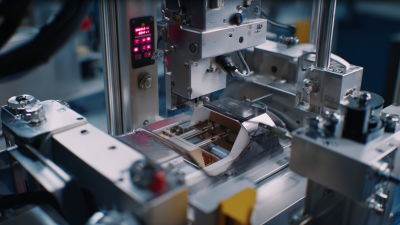
In today’s world where sustainability really matters, you can’t overstate how important good recycling solutions are. Henan Shanshui Heavy Industry, based in Henan, China, has been leading the charge in this area since 2013. They’re all about developing and making eco-friendly machinery. One of their standout innovations is the Solar Panel Separation Equipment, which is a real game-changer for recycling waste solar panels and lithium batteries. Not only does this machine help cut down on environmental damage, but it also raises the bar for recycling standards around the world. In this blog, we’re going to take a closer look at the technical specs of this state-of-the-art solar panel separator and walk you through how it works step by step. Come along as we see howHenan Shanshui is really setting the pace for sustainable solutions in renewable energy!
Advantages of After-Sales Service in Chinese Solar Panel Separation Equipment
The Chinese solar panel separation equipment market is really starting to stand out, mainly because of its excellent after-sales service. That’s a big deal for folks who are planning to make long-term investments—no one wants to buy equipment only to struggle with support later on. Having a solid support system not only makes things easier for users but also keeps everything running smoothly, from maintenance to troubleshooting. You can tell which manufacturers care about their customers because they’re quick to offer training, spare parts, and prompt responses to questions. It really helps build trust and reliability, you know?
A good tip for any business is to really dig into what kind of after-sales support a supplier offers. Look for companies that provide full support packages—things like regular maintenance checks and even free advice from experts. And it’s a plus if they’ve got a dedicated customer service team that’s ready to jump on any issues fast. This kind of proactive support can save you a lot of headaches and downtime, so your operations stay smooth and efficient.
On top of that, investing in equipment from manufacturers known for stellar after-sales service can actually extend the life of your machines. When you choose partners who truly care about customer satisfaction, you're not just getting top-quality equipment—you’re also getting the ongoing support needed to get the most out of your investment. In the end, this all adds up to a win-win, pushing the whole industry toward higher standards in solar panel separation technology.
Low Maintenance Costs for Enhanced Operational Efficiency
Making sure solar panel separation equipment runs smoothly is super important if we want solar energy to be sustainable in the long run. One of the biggest perks of modern gear, especially the Chinese-made ones, is how affordable they are to maintain. Cheaper upkeep means less time and money spent on repairs, which helps businesses use their resources better and ultimately boosts profits. Plus, keeping these systems efficient means solar setups stay financially viable and can seriously help meet global energy needs.
And let’s not forget how the tech inside these machines has really leveled up. With innovations like automated systems and smart sensors, everything can be monitored in real time. That means fewer surprises, less downtime, and fewer unplanned fixes. Not only does this extend the life of the equipment, but it also means more energy gets generated, giving energy providers better bang for their buck. As countries around the world push harder for renewable energy, having efficient, cost-effective solar panel separation tools really can’t be overstated — they’re a game changer for the whole industry.
Elevating Global Standards with Chinese Manufactured Best Solar Panel Separation Equipment - Low Maintenance Costs for Enhanced Operational Efficiency
| Equipment Model | Separation Efficiency (%) | Maintenance Cost ($/Year) | Operational Lifespan (Years) | Power Consumption (kW) |
| Model A1 | 97 | 250 | 15 | 3.5 |
| Model B2 | 95 | 200 | 12 | 4.0 |
| Model C3 | 98 | 300 | 18 | 3.0 |
| Model D4 | 96 | 180 | 10 | 4.2 |
| Model E5 | 99 | 220 | 20 | 3.8 |
Digital Solutions to Streamline Solar Equipment Operations
You know, in the fast-moving world of solar energy these days, digital solutions are really changing the game—especially when it comes to separating solar panels. By using the latest tech, manufacturers are finding smarter ways to get things done, making their processes more efficient and boosting productivity. For example, real-time data analytics now let operators keep an eye on equipment performance and even predict when maintenance might be needed. This really helps in cutting down downtime and savings on operational costs.
On top of that, smart automation systems are making workflows smoother and faster—ensuring separation tasks happen with both speed and accuracy. That means not only more panels processed in less time, but also better quality in the final product. It’s pretty cool how Chinese-made solar panel separation equipment is playing a big part here, leading the charge with innovation. Combining their top-notch manufacturing with the latest digital tools is setting new standards in the industry. As more companies jump on these tech bandwagons, they’re not just improving how they operate—they’re also helping push towards a greener, more sustainable energy future.
Best Practices and Tips for Optimizing Equipment Performance
When it comes to making solar panels, getting your equipment running at its best is super important if you want to keep quality high and stay efficient. I gotta say, a report from the International Renewable Energy Agency (IRENA) actually points out that how well your production processes work can really make or break your total output. That’s why it’s so important for manufacturers to stick with good practices in how they run things day-to-day. Regularly maintaining and calibrating separation tools—like those layer separators and cell handlers—really helps prevent any snags and keeps the material moving smoothly without any hiccups.
Plus, using data analytics can totally boost equipment performance. By setting up real-time monitoring systems, manufacturers can keep tabs on how everything’s behaving and even do predictive maintenance—fixing issues before they become big problems. A study by the Solar Energy Industries Association (SEIA) even shows that companies who go all-in on data-driven strategies can see up to a 30% boost in efficiency. And let’s not forget, having clear standard operating procedures (or SOPs) in place helps everyone be on the same page, cut down mistakes, and reduce downtime. Focusing on these tips isn’t just about keeping equipment reliable—it also helps boost China’s reputation for making top-notch solar panel separation tech, especially in the competitive world of renewable energy.
Comparative Analysis of Global Standards in Solar Manufacturing
The solar manufacturing industry is changing pretty fast these days. One big part of that is setting up global standards to make sure everything's up to par—covering quality, safety, and efficiency. In this comparison, we look at how different countries have their own standards, and how Chinese-made solar panel separation equipment often not only meets these standards but sometimes even surpasses them. Thanks to a focus on innovation and strict quality control, Chinese manufacturers are really stepping up their game and competing on the world stage.
When you’re checking out solar manufacturing standards, it’s important to pay attention to key things like durability, efficiency, and cost. Chinese-produced solar panel separation equipment has made some serious strides in all of these areas, often packed with the latest tech that boosts performance while also being better for the environment.
**Tip:** Before you pick your solar panel separation gear, take a moment to look into your local regulations and certifications. That way, you’re sure everything’s up to code and working at its best.
On top of that, working together with players around the world is crucial for creating standards that everyone can get behind. This kind of collaboration makes international trade smoother and helps push forward new tech and greener practices worldwide.
**Tip:** Stay in the loop by hitting up industry forums and workshops — it’s a great way to stay updated on the latest in global standards and innovations in solar tech.
Innovative Features of Top Chinese Solar Panel Separation Equipment
You know, the rapid progress happening in Chinese manufacturing has really pushed the boundaries when it comes to solar panel separation equipment. It’s pretty impressive—these machines now come with features that make them stand out globally. One of the coolest things about this gear is how well it can recover valuable materials from old solar panels. As the world gets more serious about sustainable practices, these kinds of technologies are becoming super important for cutting down waste and boosting recycling in the solar energy scene.
Chinese companies are really pushing the envelope by using the latest tricks—think high precision and faster separation processes. Automated systems and smart tech are changing the game, making it way easier to recover key materials like silicon, glass, and metals—all while keeping things friendly to the environment. As China keeps ramping up its innovation game, developing these advanced solar panel separation tools is going to be a big factor in growing the renewable energy industry, while also tackling the global challenge of material recovery and recycling. It’s exciting to see how all this evolves!
Performance Comparison of Top Solar Panel Separation Equipment
Innovative Solutions for Sustainable Energy: The Role of Lithium Battery Recycling Equipment Shredder Machines
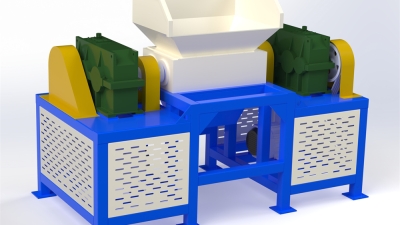
In the quest for sustainable energy solutions, lithium battery recycling stands out as a pivotal practice for reducing environmental impact and enhancing resource efficiency. The innovative lithium battery shredder plays an essential role in this recycling process. Designed specifically for the effective processing of used lithium batteries, this mechanical equipment boasts a unique structural design that ensures maximum efficiency in shredding tasks.
Equipped with a high-strength crushing chamber and durable, sharp knives crafted from special alloy materials, the lithium battery shredder is built to withstand the rigors of high-intensity tearing and cutting. These features enable the machine to handle a variety of materials found in lithium batteries, including lithium powder, iron, aluminum, and copper. The strategic engineering of the shredder ensures that it can reduce complete batteries into smaller pieces, facilitating the subsequent recovery of valuable materials.
Moreover, the powerful drive motor provides stable and sufficient power, enabling the device to operate continuously and efficiently. This reliability is crucial in meeting the growing demand for lithium battery recycling, fostering a circular economy where resources are reused and environmental harm is minimized. As the push for sustainable energy solutions intensifies, the evolution of lithium battery recycling equipment like shredders will undoubtedly play a critical role in shaping a greener future.
FAQS
: The key benefits include low maintenance costs and enhanced operational efficiency, which help businesses allocate resources strategically and drive profitability.
Advanced technologies, such as automated systems and smart sensors, optimize performance by enabling real-time monitoring, reducing downtime, and increasing equipment lifespan.
Digital solutions streamline operations through real-time data analytics, monitoring equipment performance, predicting maintenance needs, and minimizing operational costs.
Maximizing equipment performance is essential to maintain high-quality standards and efficiency, which significantly impacts overall yield in solar panel production.
Data analytics through real-time monitoring systems allows manufacturers to collect performance data, facilitating predictive maintenance and improving production efficiency by up to 30%.
Best practices include regular maintenance and calibration of equipment, utilizing data-driven methodologies, and implementing standardized operating procedures (SOPs) to reduce errors and downtime.
Smart automation systems optimize workflows, ensuring separation tasks are executed with precision and speed, thereby increasing throughput and the quality of the final product.
Low maintenance costs ensure that solar installations remain economically viable, allowing them to contribute effectively to global energy needs.
Chinese-manufactured solar panel separation equipment leads in innovation and cost-effectiveness, setting new benchmarks in operational standards within the competitive renewable energy landscape.
SOPs ensure that all operators are aligned in their tasks, which leads to a reduction in errors and downtime, ultimately enhancing equipment reliability.