
- shanshui@shanshuizg.com
- We Will Respond to Your Inquiry Within 24 Hours of Receipt!
Leave Your Message
- Phone
- E-mail
- Whatsapp
- Wechat

You know, as the world really ramps up its push for renewable energy, figuring out how to recycle solar panels efficiently has become super important. A recent report from Allied Market Research even suggests that the solar panel recycling market could hit a whopping $27 billion by 2027! That's mainly because there are more regulations popping up and we're seeing a rise in end-of-life solar panels. So, in light of all this, getting the best out of Solar Panel Separation Equipment is key for recovering resources and cutting down on environmental damage. Since 2013, Henan Shanshui Heavy Industry Technology Co., Ltd. has been leading the way in this area, focusing on developing some pretty amazing, eco-friendly machines for recycling those old solar panels. With solar materials getting more complex and needing effective separation processes, it's clear we need to get innovative with this equipment to improve efficiency and keep things sustainable in the Solar Energy game.
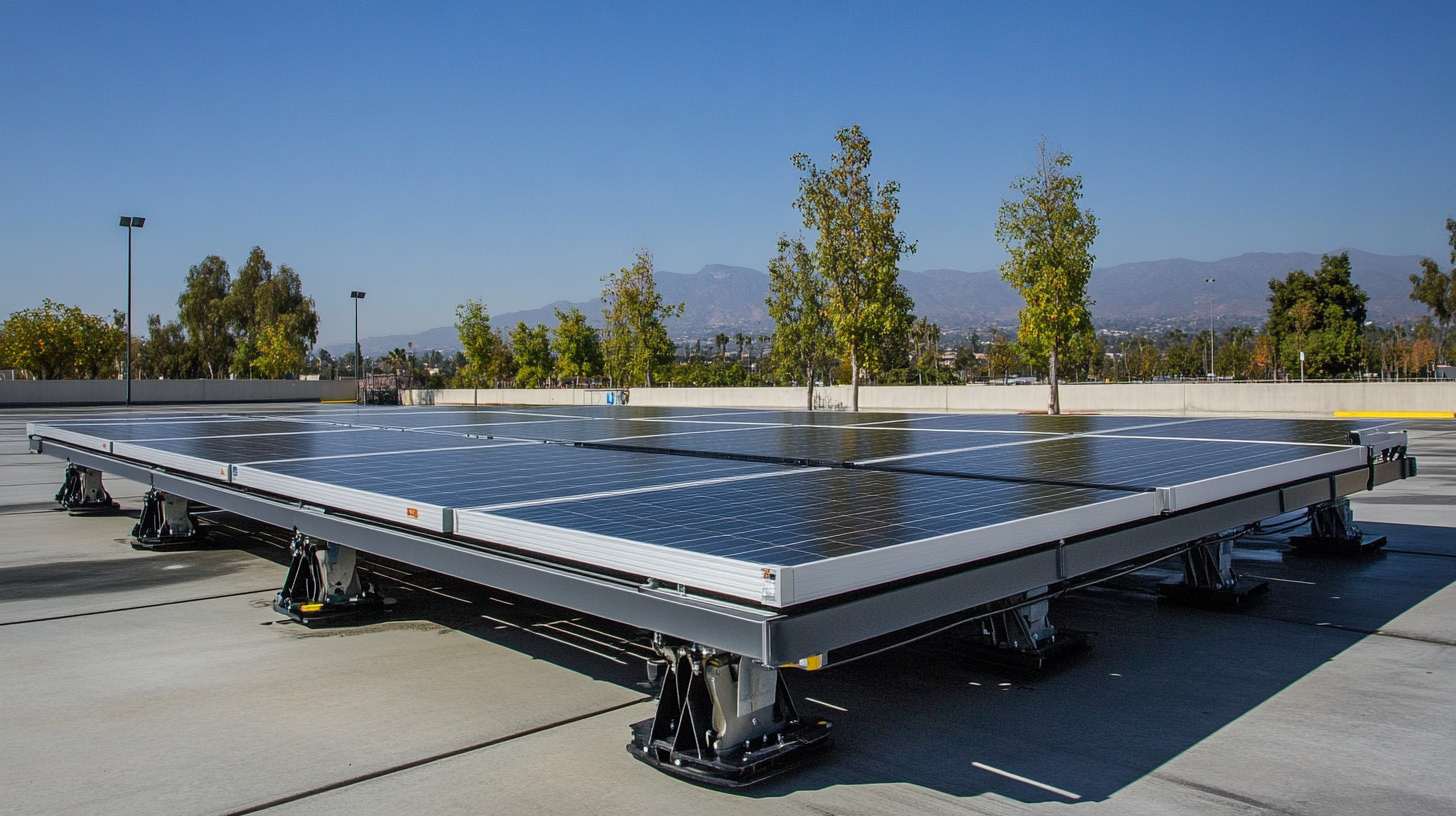
In the quest for optimizing solar panel separation techniques, the emphasis on enhanced practices is more relevant than ever. As the demand for solar energy surges, particularly in the context of transitioning to sustainable energy, innovative separation equipment becomes crucial. Improved separation methods not only lead to more effective extraction processes but also play a vital role in increasing the overall efficiency of solar panel manufacturing. By refining the separation of materials, we can reduce waste and enhance the yield of valuable components, which ultimately contributes to the sustainability of solar technology.
Moreover, as seen in recent studies on the recycling technology of silicon-based photovoltaic panels, enhanced separation techniques hold the potential to advance resource recovery. The development of effective recycling solutions can mitigate the environmental impact of solar panel disposal and encourage a circular economy. Thus, adopting innovative approaches to solar panel separation not only boosts the efficiency of production but also supports broader environmental goals by promoting sustainable practices in the solar industry. Embracing these advanced techniques will be pivotal in tackling the challenges posed by climate change and resource scarcity, paving the way for a cleaner, greener future.
| Method | Description | Benefits | Efficiency Improvement (%) | Cost Reduction (%) |
|---|---|---|---|---|
| Automated Separation | Utilizing robotic arms for precise panel separation. | Increased speed and reduced manual labor. | 35 | 20 |
| Magnetic Separation | Employing magnetic forces to separate panels effectively. | Reduced physical damage and faster processing. | 40 | 15 |
| Vibration Separation | Using vibrations to effectively detach panels. | Increased throughput and efficiency in output. | 30 | 10 |
| Ultrasonic Separation | High-frequency sound waves to dislodge panels. | Minimal damage with enhanced precision. | 50 | 25 |
You know, the world of solar panel recycling is really getting a makeover thanks to some cool new tech! These emerging technologies in solar panel separation equipment are shaking things up by boosting efficiency and making everything more eco-friendly. Lately, there’s been a focus on automation and precision, and let me tell you, this is really cutting down on labor costs while making the separation process way more accurate. For example, with the help of robotics and AI, we can now sort out broken panels automatically! That means way less waste and a much better chance of recovering all those valuable materials for recycling. Pretty neat, right?
And it’s not just about robots doing the heavy lifting; there’s some serious innovation happening with the materials used too! We’re talking about advanced tools crafted from lightweight composites and smart materials that can handle super high temperatures and even the nasty chemicals that come up in recycling. These upgrades not only make the equipment last longer but also kick its performance up a notch, which is awesome because it helps us separate those panels while sticking to tough environmental standards.
On top of all that, there are now software solutions powered by big data analytics that are getting involved too. They’re keeping an eye on everything in real-time, helping to fine-tune the separation techniques. By analyzing all sorts of operational data, these systems can even predict when equipment might fail, plan out maintenance, and optimize the whole separation process. This leads to less downtime and a boost in productivity! As these technologies keep developing, I really think they’re going to spark some major improvements in how efficiently and responsibly we recycle solar panels.
This pie chart illustrates the distribution of emerging technologies in solar panel separation equipment. The segments represent the percentage share of various methods employed in the separation process, showcasing the innovative approaches being adopted in the industry.
You know, the solar panel separation methods we have right now are really hitting some roadblocks, and it's holding back the efficiency and recycling efforts in the solar power industry. One big problem is that we often rely on mechanical separation techniques, which can just wreck the cells and mess up our chances of recovering those precious materials. Honestly, these traditional methods can be pretty slow and require a lot of hands-on work, so they might not cut it as solar panel installations keep popping up all over the globe.
Then there's the issue of the different materials mixed into solar panels, which just adds another layer of complication to the separation process. All the adhesives and encapsulants can really throw a wrench in the recycling works, leading to contamination and missing out on recyclable stuff. What we really need are some fresh ideas to tackle these challenges—like coming up with chemical separation methods that can safely break down the adhesives without wrecking the Solar Cells underneath. Plus, bringing in automated systems could really help speed things up and boost accuracy when we're sorting out various materials for recycling.
If we can work through these challenges, we'll not only make solar energy more sustainable but also play a part in creating a circular economy, where we can reuse valuable components. That would definitely help reduce our environmental impact and save resources in the long run!
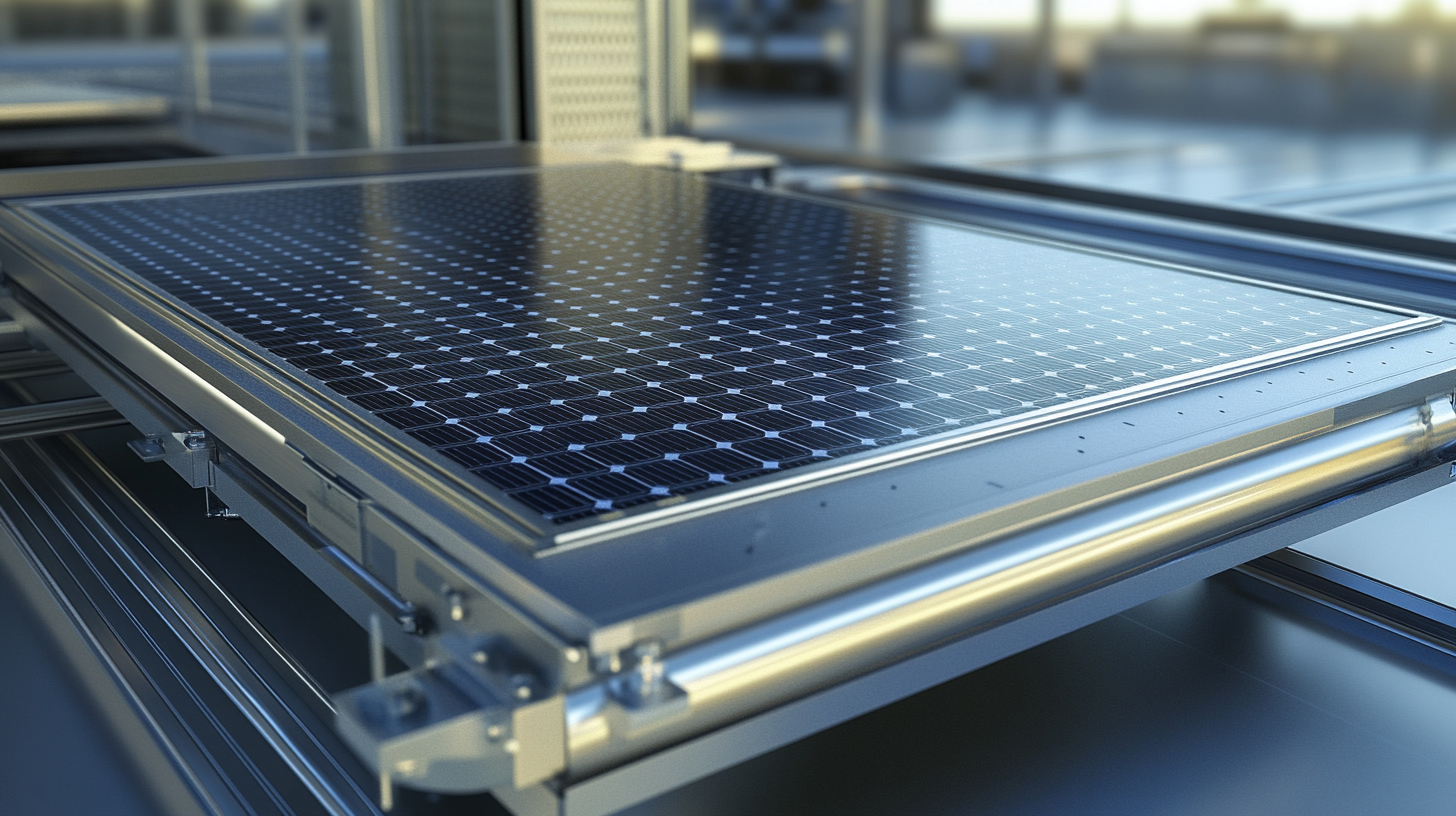
You know, when it comes to making the most out of solar energy, having some really cool separation equipment is super important. I mean, take this one leading solar tech company, for instance. They totally revamped how their panels are separated. By bringing in some cutting-edge materials and robotics, they nailed the precision in placing the panels and cut down assembly time significantly. This smart move not only boosted energy capture when the sun's at its peak but also reduced downtime, which means they really ramped up their productivity.
And then there's this small startup that caught my eye. They came up with this awesome separation device that uses AI-driven algorithms! Can you believe that? It can make real-time tweaks depending on the weather and automatically adjust how far apart the solar panels are, so they don’t end up shading each other. Their pilot program saw a huge jump in energy output, showing just how much modern tech can push the envelope when it comes to solar panel efficiency. These examples really highlight that investing in innovative separation equipment is absolutely key to unlocking the full potential of solar energy.
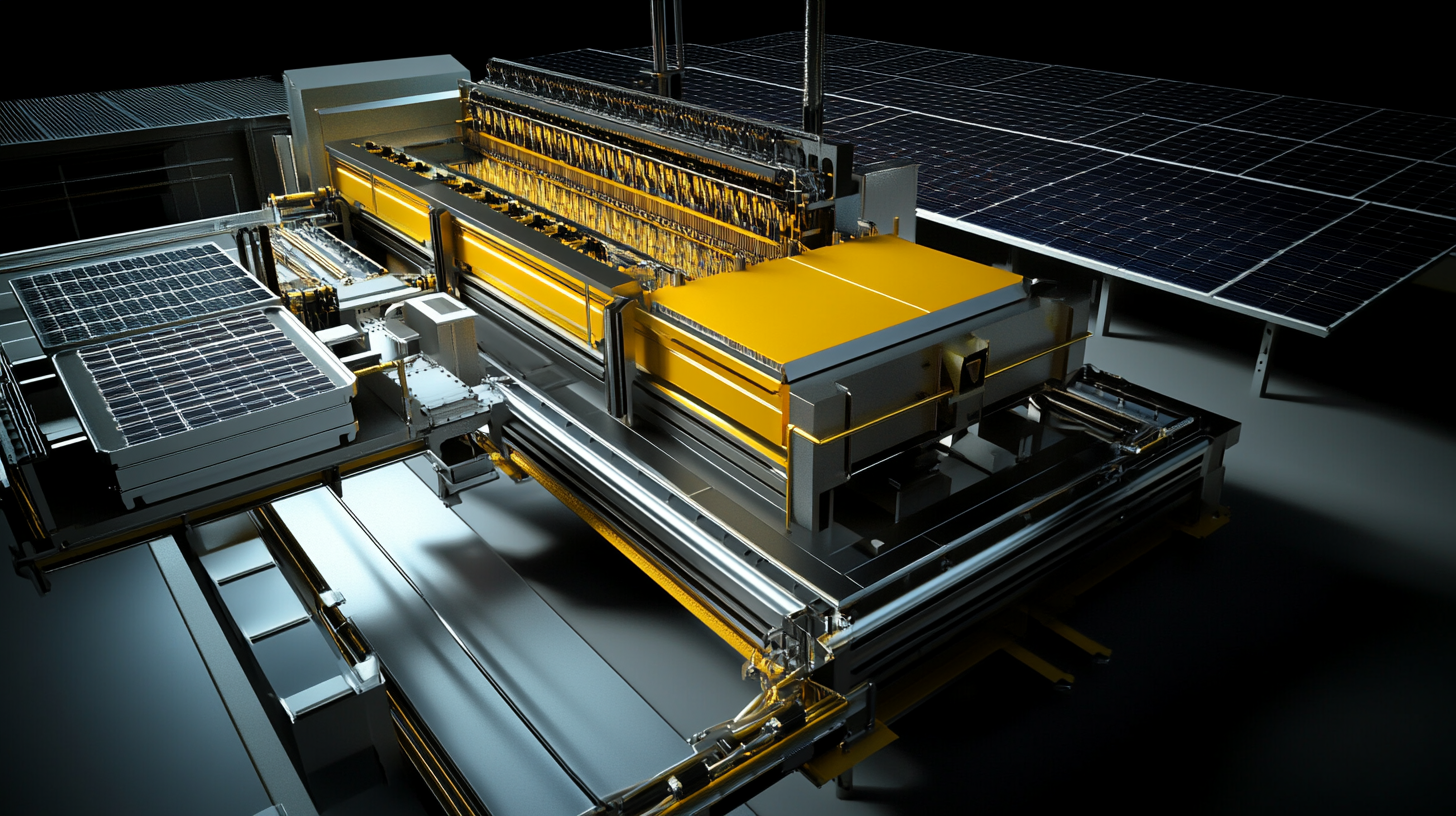
You know, as the solar energy industry keeps pushing forward, really fine-tuning our solar panel separation equipment has become super important for boosting both efficiency and cost savings. I mean, looking ahead, we’re probably going to see a big shift toward automated systems that use AI and machine learning. These smart technologies will help us monitor things in real time, making adjustments on the fly. Just imagine the precision we can get! It’ll mean less material waste and way more energy output.
If you’re looking to optimize your solar panel separation system, a great tip is to set up regular maintenance schedules—trust me, keeping the equipment in check is key for its efficiency. Plus, why not use simulations to model separation outcomes before diving into the physical bits? That way, you can catch any hiccups in advance. And hey, don’t forget about training your team on the latest tech; it can seriously amp up everyone's abilities when it comes to troubleshooting and making adjustments during the separation process.
Oh, and here’s another exciting thought: with all the advancements in sustainable materials, we’re likely to see some really cool new separation equipment that’s not just efficient, but also kind to the environment. If companies keep an eye on these trends, they’ll be in a great position to grab all the new opportunities in solar panel separation optimization. It’s a pretty thrilling time to be in the industry!
When it comes to getting the most out of solar panel separation equipment, adding a dash of automation to those processes can really make a difference. Thanks to advances in software-defined automation (SDA), we've got tools that allow for super flexible control and smooth data flows in industrial settings. This kind of automation not only boosts efficiency but also helps cut down on human errors—which is a big deal when you're dealing with tasks that need a lot of precision, like separating photovoltaic components.
Just recently, a thorough review pointed out that automated systems can speed up processing times and improve yields in all sorts of applications, from bioprocessing to sorting out complicated substances. For example, automated feedback systems in bioprocessing have been shown to ramp up production in busy facilities. They let you tweak things in real-time, which ultimately leads to higher-quality results. Plus, innovations in acoustofluidic devices highlight how automation can make these processes a lot smoother. It’s a clear sign that mechanized separation techniques are the way forward for optimizing resource use.
**Tip 1:** Think about bringing in SDA solutions that let you keep an eye on things and adjust on the fly. This way, your processes can stay sharp and responsive.
**Tip 2:** Look into integrating AI models with your separation gear to boost decision-making and predictive maintenance. This not only cuts down on downtime but also ramps up productivity.
**Tip 3:** Don’t forget to invest in training for your team on the latest automated systems. Giving them the know-how to operate and troubleshoot these technologies can really help nurture a culture of innovation and efficiency.
: Enhanced solar panel separation techniques improve extraction processes, increase overall efficiency in solar panel manufacturing, reduce waste, and enhance the yield of valuable components, contributing to sustainability.
Enhanced separation techniques improve resource recovery for silicon-based photovoltaic panels, mitigating the environmental impact of disposal and supporting a circular economy.
Automation and precision in separation equipment reduce labor costs, improve accuracy, and minimize waste by efficiently sorting and recovering valuable materials for recycling.
Robotics and artificial intelligence are integrated into separation equipment for automatic sorting of broken panels, improving material recovery efficiency while reducing labor dependency.
Advanced materials such as lightweight composites and smart materials enhance the performance and lifespan of separation equipment, making them capable of withstanding high temperatures and corrosive chemicals.
Software solutions using big data analytics monitor separation techniques in real-time, predict equipment failures, and optimize processes to reduce downtime and increase productivity.
Future trends include increased automation with AI and machine learning for real-time monitoring and adjustments, leading to more precise separation processes and reduced material waste.
Tips include implementing regular maintenance, utilizing simulations for modeling outcomes, and training personnel on the latest technologies for better operational capabilities.
Advancements in sustainable materials will lead to the development of innovative, efficient, and environmentally friendly separation equipment, helping companies stay competitive in the evolving solar energy industry.