- shanshui@shanshuizg.com
- We Will Respond to Your Inquiry Within 24 Hours of Receipt!
Leave Your Message
- Phone
- E-mail
- Whatsapp
- Wechat

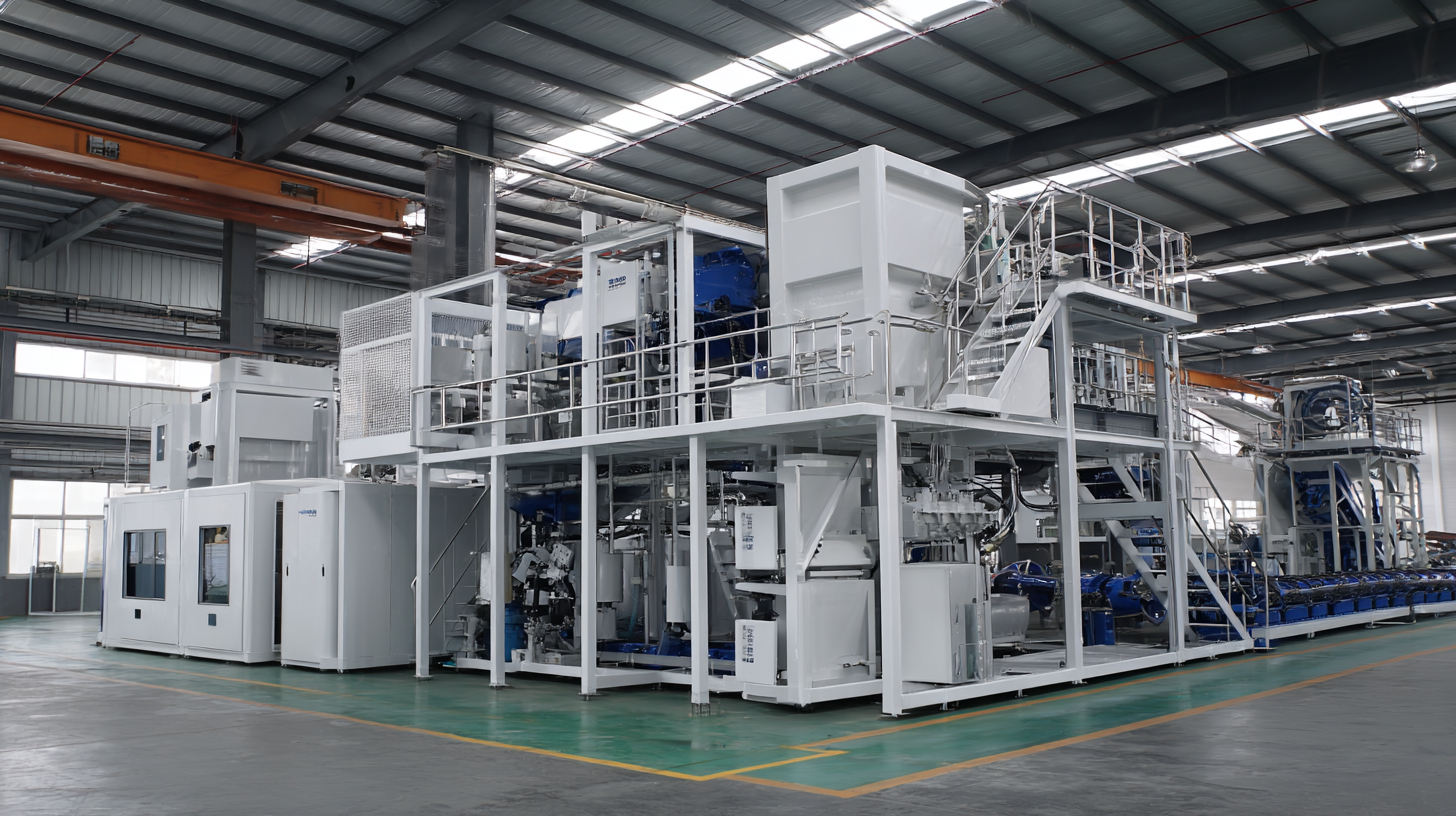
As the world moves more and more toward sustainable energy solutions, it's clear that recycling waste lithium batteries is becoming super important. That’s where Lithium Battery Recycling Equipment Production Lines come into play—they’re leading this charge, offering smart ways to recover valuable materials while keeping things eco-friendly. At Henan Shanshui Heavy Industry Technology Co., Ltd., we’ve been passionate about developing environmentally friendly machinery since we started back in 2013. Based in Henan, China, our team specializes in creating advanced recycling equipment specifically for waste lithium batteries and Solar Panels. In this article, I want to share a bit about where these recycling solutions are headed. We’ll look into why sustainable practices matter so much and how our tech is helping build a greener planet. By exploring the latest innovations and how we operate, I hope to show just how vital effective recycling is for a circular economy—and to highlight the great work being done here at Henan Shanshui Heavy Industry Technology Co., Ltd.
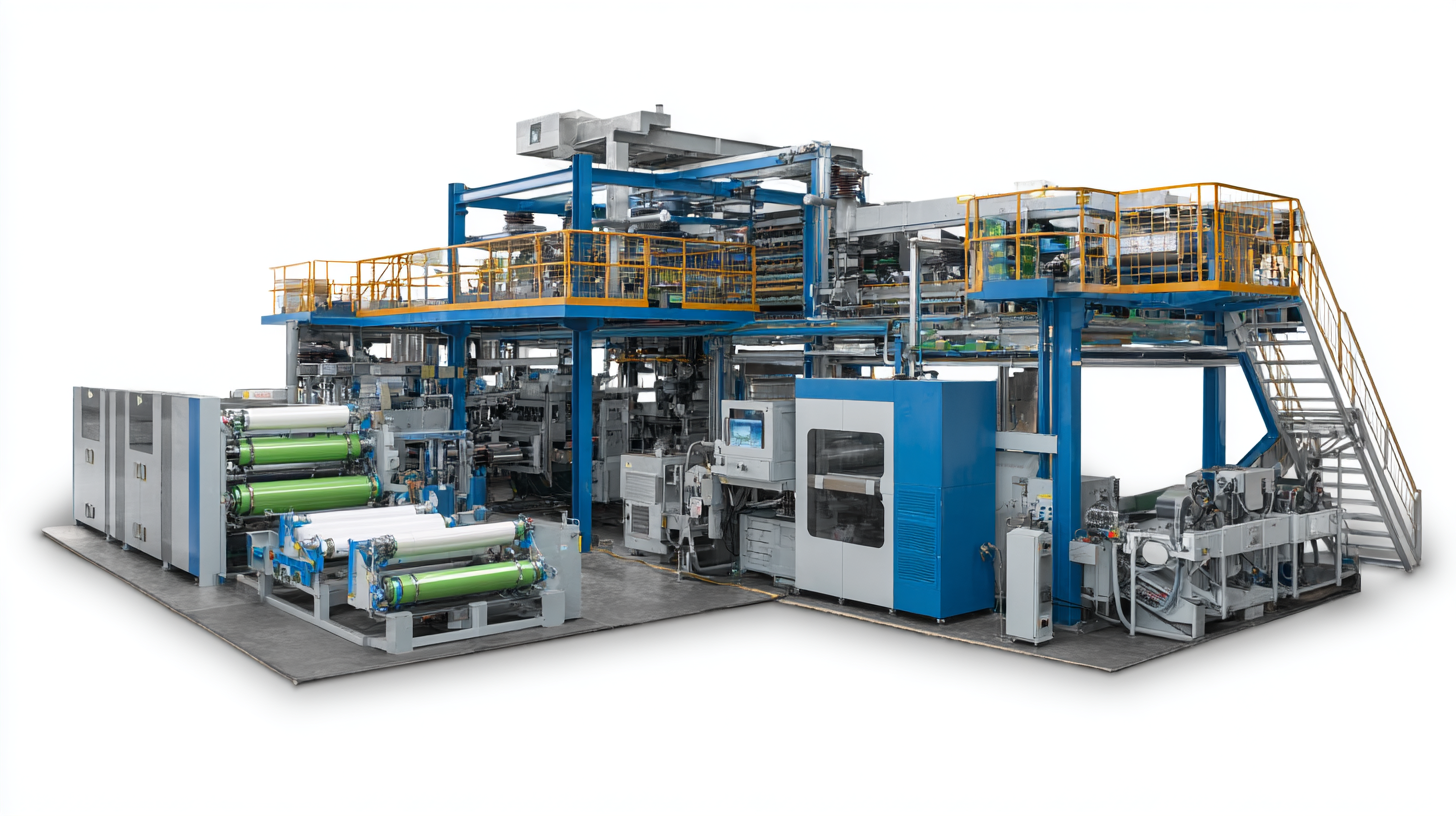
Recycling waste lithium batteries has really become a big deal lately, especially with more people jumping into electric vehicles and carrying around their gadgets all the time. Modern tech is honestly shaking things up when it comes to recycling—making sure we can recover those valuable materials efficiently and get them back into use. For example, those fancy sorting systems powered by AI are pretty amazing; they can separate different battery parts with a lot of precision. That means less mess and more of what we actually want, like lithium, cobalt, and nickel. Plus, they can even tell different battery chemistries apart, so recyclers can tweak their methods to get the most out of each batch.
Another pretty cool thing happening is the use of hydrometallurgical techniques—basically, eco-friendly solvents that dissolve metals from spent batteries. It’s a more sustainable way to extract stuff like lithium and cobalt without using all those harsh chemicals. Automation is also making a difference—robots handling disassembly and shredding not only make things safer but also faster and more consistent. That cuts down on costs and ensures high-quality recycled materials. As these techs keep improving, I truly believe they’re going to push lithium battery recycling into a more sustainable, cost-effective future. It’s exciting to see how all these innovations could really change the game in recycling—making it better for our planet and for the economy, too.
The growing demand for sustainable energy solutions has highlighted the need for effective disposal and recycling methods for solar panels. As solar energy adoption increases, so does the challenge of managing the waste produced by decommissioned solar panels. Innovative equipment designed for solar panel recycling, such as solar panel shredders, has emerged as a crucial component in addressing this issue. These machines not only streamline the recycling process but also significantly contribute to environmental sustainability.
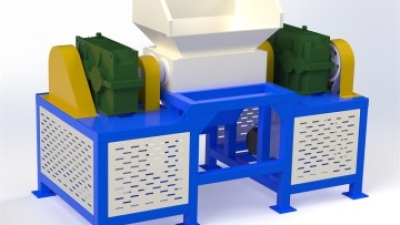
Solar panel shredders are specially engineered to handle the unique materials found in photovoltaic systems. With their robust structural design, these shredders feature a high-strength chamber and meticulously crafted knives made from special alloy materials. This allows them to efficiently break down tough components like glass, silicon wafers, and aluminum frames, all of which are prevalent in solar panels. The powerful drive motors equipped in these machines ensure continuous operation, enabling them to quickly reduce entire solar panels into manageable pieces, thereby facilitating the recycling process.
The implementation of solar panel shredders presents a vital step towards a circular economy in the renewable energy sector. By optimizing the recycling of solar panels, we not only minimize waste but also recover valuable materials that can be repurposed for new solar technologies. This innovative equipment represents a sustainable solution that aligns with global efforts to enhance energy efficiency and reduce the environmental impact of renewable energy sources.
: The recycling of waste lithium batteries is becoming critical due to the rising demand for electric vehicles and portable electronic devices, which leads to an increase in waste batteries.
Advanced sorting systems, powered by artificial intelligence, enable precise separation of battery components, minimizing contamination and maximizing recovery rates by identifying and categorizing different battery chemistries.
Hydrometallurgical techniques use environmentally friendly solvents to dissolve and extract metals like lithium, cobalt, and nickel from spent batteries, reducing reliance on harsh chemicals and enhancing the sustainability of the recycling process.
Shredders are crucial for the initial disassembly of battery packs, enabling efficient extraction of valuable metals and ensuring a better separation process.
The lithium battery recycling industry is projected to grow at a compound annual growth rate (CAGR) of over 24% by 2027, indicating a growing need for specialized recycling equipment.
Challenges include the complexity of battery compositions, the presence of hazardous materials, and the need for effective recycling processes to recover valuable resources while ensuring environmental protection.
Research indicates that up to 95% of lithium-ion battery components can be recycled, highlighting the potential for sustainable materials management.
According to reports, global demand for lithium is expected to reach 1.5 million metric tons by 2025 due to increased usage in electric vehicles and renewable energy storage solutions.
Automation in battery disassembly and shredding enhances safety and efficiency, reduces labor costs, and ensures consistent and high-quality output in the recycling process.
The company aims to create innovative and environmentally friendly machinery for lithium battery recycling, facilitating efficient separation and processing to minimize waste and maximize recovery rates, helping industries meet sustainability goals.
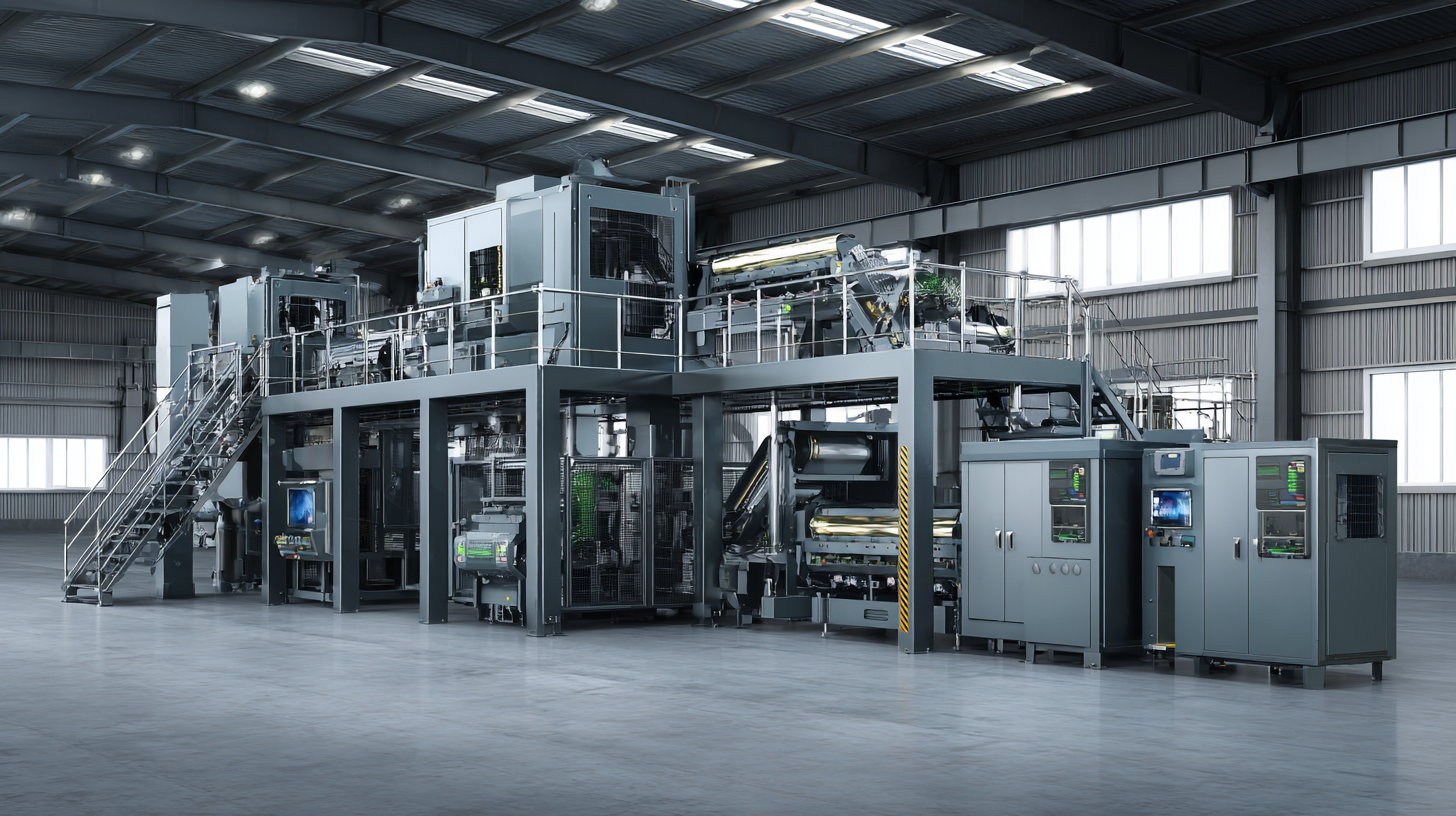
Looking ahead, the future of waste lithium battery recycling equipment is really being shaped by some pretty innovative tech that’s making the whole process more efficient and effective. You see, these production lines now incorporate advanced separation methods and smart automation — which means higher productivity and lower costs for businesses. And honestly, the environmental and financial perks of recycling lithium batteries are pretty huge. They help save resources and cut down on carbon emissions, which is a win-win.
That said, there are still some hurdles to jump, like managing waste properly and keeping up with regulations. These challenges call for targeted solutions, but the good news is, as the industry keeps evolving, we're seeing emerging trends that focus on sustainability and even smarter recycling gear. Companies like Henan Shanshui Heavy Industry Technology Co., Ltd. are leading the charge, working on the latest machinery to meet the rising demand for responsible lithium battery recycling — it’s all about creating better, greener solutions for the future.