Leave Your Message
0%

As the world’s really cranking up the demand for lithium batteries — thanks to the boom in electric vehicles and renewable energy storage — it’s more important than ever to focus on recycling them effectively. Recent industry reports actually say the lithium-ion battery recycling market could hit around $6.8 billion by 2025, which shows how much opportunity there is for businesses in this space. Setting up a Lithium Battery Separation Plant Production Line is pretty much a must for efficiently reclaiming valuable materials and keeping the environment safe. At Henan Shanshui Heavy Industry Technology Co., Ltd., we’re all about creating eco-friendly machinery specifically for lithium battery recycling. Since 2013, we’ve put a lot of effort into R&D, and that’s helped us become a leader in building efficient production lines to process used batteries and recover key components — all part of working toward a cleaner, greener energy future.
Create Your Own Lithium Battery Separation Plant Production Line Step by Step Guide

Choosing the Right Location for Your Lithium Battery Separation Plant

Picking the right spot for your lithium battery separation plant? Honestly, it's a game-changer when it comes to running things efficiently and making a solid profit. You really wanna think about things like how close you are to the raw materials, the transportation routes, and what the local rules and regs are. I mean, a report by IBISWorld even says that worldwide demand for recycling lithium batteries is expected to jump by about 23.7% each year from 2021 to 2026. So, finding a good location isn’t just about convenience — it can actually give you a serious edge in how you operate and how quickly you can respond to market needs.
Create Your Own Lithium Battery Separation Plant Production Line Step by Step Guide

And don’t forget about the environment. The industry’s under increasing pressure to be more eco-friendly, and if you set up shop somewhere with super strict environmental rules, you might find your flexibility limited. According to the International Energy Agency, if your facilities aren’t properly placed, it could lead to more transportation emissions, which kinda defeats the purpose of being sustainable in the first place. So, really, you want a spot that strikes a balance — one that makes logistical sense but also keeps you in line with regulations. That way, you’re set up for long-term success in the lithium battery separation game.

Essential Equipment Needed for Lithium Battery Separation Production Line

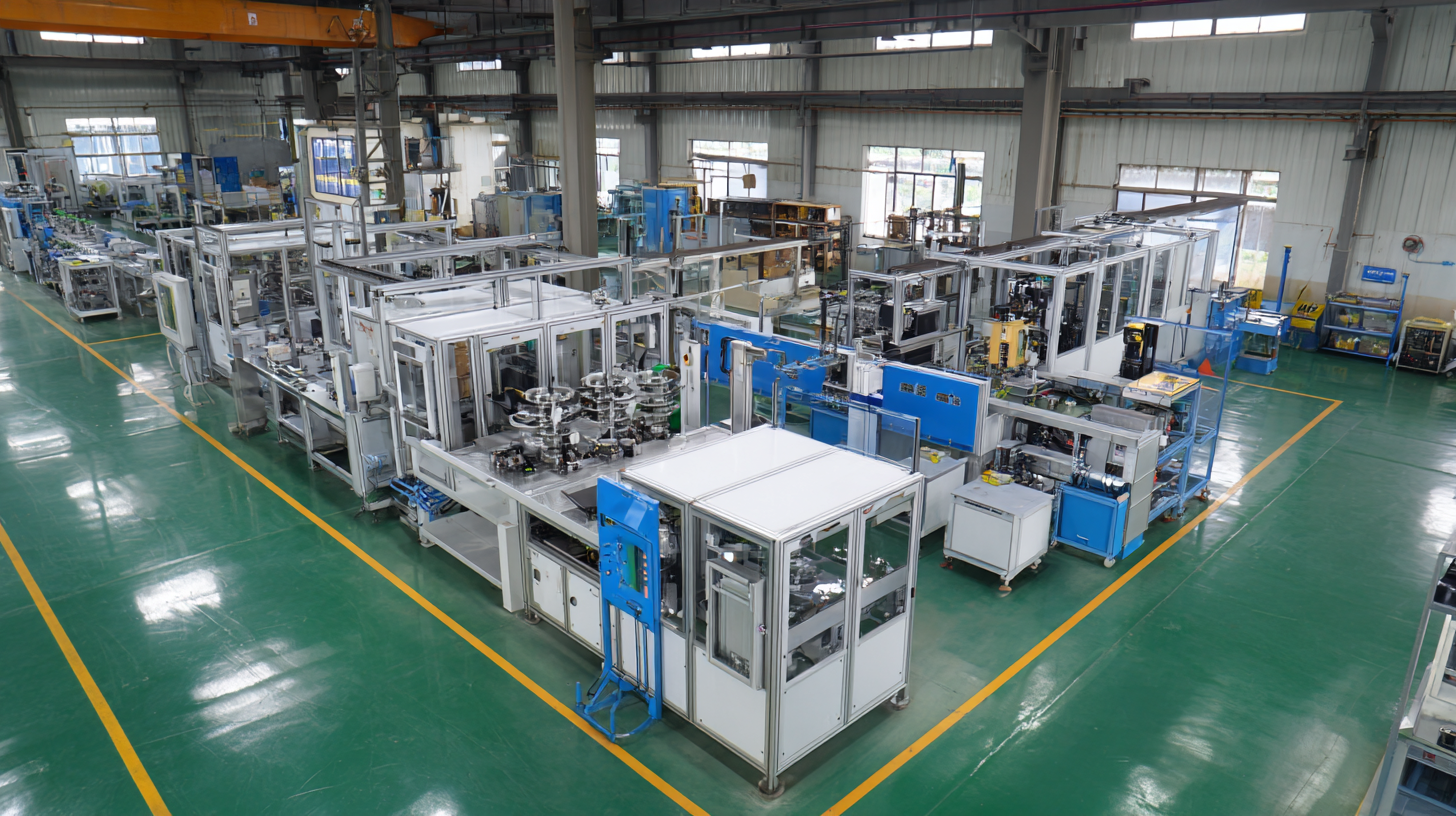
When you're setting up a lithium battery separation line, choosing the right equipment really makes all the difference in how smoothly things run. You’ll probably start with some industrial shredders—they’re essential for breaking down the batteries into smaller, manageable pieces. The cool thing is, these machines come in different designs, so it’s smart to pick one based on how much material you’re planning to process. After shredding, you’ll need a solid separation system. Magnetic and air classifiers do a great job of pulling out metals from the rest of the materials, helping you recover valuable resources and keep everything organized.

On top of that, using good quality screening equipment is super important. Vibratory screens can help further refine your materials by sorting them based on size and weight—pretty handy, right? Also, don't forget about dust collection systems—they're key for keeping the workspace safe and clean by reducing airborne particles during operation. Investing in top-notch gear isn’t just about boosting productivity; it’s also about making your whole process more sustainable. By maximizing how much you recover from spent lithium batteries, you'll be doing a solid job both practically and environmentally. With these essential tools, your lithium battery separation plant will be all set to hit those production targets without a hitch.

Step-by-Step Process of Setting Up Your Production Line

Setting up a production line for a lithium battery separation plant isn’t something you just jump into overnight. It’s more of a step-by-step process that’s gotta be done right to make sure everything runs smoothly and sustainably. Usually, it all starts with digging into the market—figuring out how much demand there is and what the key requirements are for recycling lithium batteries. That way, you not only get a sense of what equipment you’ll need but also can plan the layout of your production line more effectively. Oh, and don’t forget to get familiar with the rules and environmental guidelines—super important, especially if you're working with a company like Henan Shanshui Heavy Industry, which really cares about eco-friendly machinery.

Once that’s sorted, the next big thing is picking out the right equipment for the job. You’ll want to go for advanced tech that can recycle those batteries efficiently and cut down on waste as much as possible. It’s a smart move to team up with experienced manufacturers who can offer solutions tailored to your needs. Henan Shanshui has been a big name in this space since 2013, providing specialized equipment that’s not only efficient but also environmentally friendly. Finally, setting up your line involves organizing the workflow, training your crew, and putting some good maintenance routines in place so everything keeps running smoothly down the line. Follow these steps, and you’ll be well on your way to building a solid, effective lithium battery recycling operation.

Safety and Environmental Considerations in Lithium Battery Production

When you're setting up a production line for a lithium battery separation plant, safety and environmental concerns really need to be front and center. The process isn’t simple — it involves everything from digging up raw materials to recycling batteries at the end of their life, and each step comes with its own set of risks. You’ve probably heard about accidents like leaks, fires, or even explosions related to lithium-ion batteries — those are serious red flags, highlighting why strict safety protocols are a must. Plus, when things do go wrong, the environmental damage can be pretty severe, so having solid plans to handle emergencies is key.

On top of safety, there's also the whole issue of sustainability. Producing lithium batteries isn’t exactly gentle on the planet — the entire lifecycle, especially manufacturing, leaves a pretty big carbon footprint. That’s why new innovations, like quasi-solid electrolytes, are getting attention. They’re not only safer but also easier to recycle, helping cut down on environmental harm. As the industry tries to go greener and reduce emissions, tackling issues like the toxicity involved in battery production will be crucial for creating a safer, more eco-friendly supply chain. It’s all about balancing performance with responsibility, right?

Lithium Battery Production Steps and Safety Considerations

Quality Control Measures for Efficient Lithium Battery Separation

Getting quality control right in the lithium battery separation line is a big deal if you want things to run smoothly and sustainably. Honestly, putting in strict checks at each step can really boost how much valuable stuff you recover — think lithium, graphite, and all that good stuff — making the whole recycling game more circular and eco-friendly. It’s also super important to keep an eye on the process with regular testing. Not only does this help keep the product quality top-notch, but it also cuts down on environmental harm. For example, tweaking the pH levels during separation can actually improve how much lithium and graphite you’re able to extract from old batteries — meaning, better recycling results all around.

A couple of tips? Definitely have checkpoints where you watch and adjust the pH, because that’s a game changer for recovery rates. It’s also smart to prep the batteries beforehand with some pre-separation tricks — it makes the whole process way more efficient. And don’t forget, a solid quality control plan should cover both checking the materials and validating the process itself. Catching issues early can save you a lot of headaches later, and help you get the most high-quality metals out while wasting less. All in all, a bit of proactive planning goes a long way!

Create Your Own Lithium Battery Separation Plant Production Line Step by Step Guide

Streamlining Operations for Maximum Efficiency in Your Production Line

In the fast-changing world of lithium battery manufacturing, cutting corners isn’t an option anymore—streamlining operations is key to staying efficient and eco-friendly. I came across a report from Research and Markets that said the global lithium-ion battery market could hit around $129.3 billion by 2027. That’s a pretty big jump, growing at about 17.2% each year since 2020. With demand skyrocketing, it’s more important than ever for manufacturers to fine-tune their production lines if they want to stay in the game. Using advanced separation techniques on the line can really make a difference—it cuts down on waste and boosts overall yield, which = more profit in the end.

To really get the most out of their operations, folks should look into tech like automated separators and real-time monitoring systems. These tools help cut down on mistakes and keep things running smoothly without unnecessary delays. A McKinsey study pointed out that companies making good use of digital tools can bump up their performance by as much as 30%. Plus, applying lean manufacturing ideas helps get rid of activities that don’t add value, making everything leaner and more efficient. Putting money into these kinds of upgrades not only makes the production more efficient but also aligns with the drive toward greener, more sustainable manufacturing—because, generally, a smarter, leaner process uses less energy and harms the environment less.

Create Your Own Lithium Battery Separation Plant Production Line Step by Step Guide - Streamlining Operations for Maximum Efficiency in Your Production Line

Step Description Equipment Needed Expected Output (kg/h) Operational Costs (USD)
1 Collect Lithium Ion Batteries Battery Collection Container 500 100
2 Dismantle Battery Packs Dismantling Tools 450 150
3 Separate Components Separation Machinery 400 200
4 Sort Recovered Materials Sorting Equipment 350 80
5 Process Recovered Materials Processing Units 300 300
6 Store Finished Products Storage Facility Varies 50

Innovative Solutions for Sustainable Waste Recycling: Exploring Positive and Negative Electrode Battery Equipment

In the quest for sustainable waste recycling, the role of innovative machine processes cannot be overstated. The processing of positive and negative electrodes from batteries presents a significant opportunity for improving recycling efficiencies. With advancements in technology, modern machinery is now capable of effectively sorting precious metals like copper and aluminum from battery electrodes with an impressive purity rate of up to 98%. This high level of purity is essential for the viability of recycled materials, allowing them to re-enter the production cycle with minimal contamination.

One of the standout features of this electrode processing is the operation under negative pressure conditions. This method not only enhances the efficiency of the sorting process but also addresses critical environmental concerns by eliminating air pollution. By capturing and containing potentially harmful gases during the recycling process, we can significantly mitigate the ecological impact often associated with traditional recycling methods. As industries continue to seek more sustainable practices, the development and implementation of such innovative solutions will be crucial in transforming waste into valuable resources while safeguarding our planet.

FAQS

: Why is the location of a lithium battery separation plant important?

: The location is crucial for maximizing efficiency and profitability, as it impacts access to raw materials, transportation routes, and compliance with local regulations.

What is the expected growth rate for global demand for lithium battery recycling?

The global demand for lithium battery recycling is expected to grow at an annual rate of 23.7% from 2021 to 2026.

What environmental considerations must be taken into account when choosing a location?

It’s essential to consider local environmental regulations, as operating in regions with strict regulations may limit operational flexibility and impact sustainability efforts.

How can misplaced lithium battery facilities affect sustainability?

Misplaced facilities can lead to higher transportation emissions, which can significantly undermine sustainability efforts in the lithium battery production industry.

What safety risks are associated with lithium battery production?

The manufacturing process poses risks including leaks, fires, and explosions, making stringent safety protocols vital for mitigating risks and protecting the environment.

What are some innovations aimed at enhancing the safety and sustainability of lithium batteries?

Innovations like quasi-solid electrolytes are being developed as safer alternatives that improve recyclability and reduce environmental harm.

Why is life cycle assessment (LCA) important for lithium-ion batteries?

LCA reveals the significant environmental costs, including the carbon footprint during manufacturing, helping identify areas for improvement in sustainability.

What challenges does the lithium battery production industry face regarding sustainability?

The industry faces sustainability challenges linked to toxicity concerns during battery production, necessitating a focus on decarbonization and responsible practices.

What are some fundamental strategies for addressing environmental impact in battery production?

Implementing effective response strategies to mitigate risks and prioritizing safety measures are fundamental to achieving a safe and environmentally responsible battery supply chain.

How does local regulation affect the operational capabilities of a lithium battery plant?

Compliance with local regulations can limit operational flexibility, making it important to balance logistical advantages with regulatory requirements to ensure long-term success.

Sophia

Sophia

Sophia is a dedicated marketing professional at Henan ShanShui Heavy Industry Technology Co., Ltd., where she leverages her extensive knowledge to promote the company's innovative products. With a strong focus on the heavy machinery sector, she excels in creating insightful blog posts that are......
Previous 2025 Global Trends in Solar Panel Separation Technology You Should Know