- shanshui@shanshuizg.com
- We Will Respond to Your Inquiry Within 24 Hours of Receipt!
Leave Your Message
- Phone
- E-mail
- Whatsapp
- Wechat

In today's world, where environmental sustainability is becoming increasingly crucial, the efficient recycling of materials plays a vital role in reducing waste and conserving resources. Among various recyclable materials, glass stands out due to its durability and recyclability. However, traditional Glass Recycling methods often fall short in maximizing efficiency. This is where innovative technologies, such as the Glass Remove Separating Machine For Recycling, come into play. These machines not only enhance the separation process but also ensure that the recycled glass can be repurposed effectively, supporting a circular economy.
At Henan Shanshui Heavy Industry Technology Co., Ltd., we have dedicated ourselves to advancing environmentally friendly machinery since 2013. Our expertise in research and development has enabled us to specialize in the production of efficient waste recycling lines, including solutions for solar panel and lithium battery recycling. As we delve into the ultimate guide to glass recycling, we will explore how the integration of advanced Glass Remove Separating Machines can revolutionize the recycling industry, turning Glass Waste into valuable resources while promoting sustainability and reducing environmental impact.

You know, glass recycling really does wonders for waste management around the globe. It's not just about cutting down on trash; it’s also a big deal for saving our environment and using resources wisely. For example, did you know that using recycled glass can drop energy consumption by around 30% compared to making new glass from scratch? That’s a huge win as we all try to tackle those pesky greenhouse gas emissions.
In many parts of the world, especially in developing countries, managing waste is a serious headache. A recent review looking into waste management practices in Asia and Africa found that a lot of places struggle with having the right infrastructure and not enough public awareness. Because of this, a ton of recyclable stuff, including glass, just ends up in landfills instead of being reused. But here’s the good news: communities can step things up by using advanced tech, like separating machines, to make their recycling efforts way more effective. This way, more glass can stay out of landfills.
And speaking of glass, did you see that the European Union has reported that the amount of packaging waste, including things like glass bottles, reached about 186.5 kg per person in 2022? Crazy, right? This really highlights how crucial it is to have strong recycling systems in place if we want to keep our waste management practices sustainable. Plus, when we grasp just how important glass recycling is, we help lessen our environmental footprint, support local economies by creating jobs in recycling, and cut down on the need for new raw materials.
You know, those remove separating machines are super important when it comes to recycling glass. They really help separate glass from all the other stuff, which makes everything run smoother in recycling facilities. I mean, according to the Glass Packaging Institute, recycling just one ton of glass can save more than 1,000 kilowatt hours of energy. That really highlights how crucial effective separation is for getting the most out of recyclable materials, right?
So here’s the deal: these machines work their magic with some pretty cool technology. They use different methods like air classification, vibrating screens, and, believe it or not, magnetic separation. For example, air classifiers are great at sorting out lightweight stuff—like plastic and paper—from the heavier glass bits. And those vibrating screens? They really help in keeping different glass colors nicely sorted out. There’s even a study by the American Society of Recycling Industries that points out how efficient separation systems can boost glass recovery rates by up to 25%. That’s a big deal for recycling operations!
On top of all that, using remove separating machines not only pumps up the amount of glass we recycle but also improves its quality. And, let’s be honest, high-quality recycled glass is super important for people making new glass containers and products. The Container Recycling Institute even says that using recycled glass in manufacturing can cut emissions by about 30%. So, when you think about it, glass recycling isn’t just eco-friendly; it really helps fight climate change. All in all, these advanced machines are absolutely key to making the glass recycling industry work!
You know, these days, sustainability is such a big deal, and glass recycling has really become a key player in cutting down on waste and saving resources. One of the coolest advancements in the recycling world is the introduction of Remove Separating Machines. These machines are game-changers—they make the glass recycling process way more efficient by separating different types of glass from all the junk that gets mixed in, which helps to improve the overall quality of the recycled stuff.
So, what’s the big deal about using Remove Separating Machines? Well, for starters, they really boost operational efficiency. I mean, traditional methods can be such a hassle—labor-intensive and super time-consuming. That often results in slower processing rates and, let’s be honest, higher costs. But with this advanced tech, these machines can sort through glass quickly and accurately. That means recycling facilities can manage a whole lot more glass without burning out their staff. This efficiency cuts down on costs and maximizes how much glass can actually be recycled.
And there’s more! Using these machines also seriously ups the purity of the recycled glass. When contaminants sneak into the mix, they can really mess with the quality of the recycled materials, making them not so great for producing new products. But these machines, by effectively filtering out impurities, help ensure that the recycled glass hits those industry standards. That makes it a pretty valuable resource for manufacturers. Plus, when you’ve got high-quality recycled glass, it can be reused in a bunch of different ways, which means less reliance on new materials and a smaller environmental footprint. Pretty awesome, right?
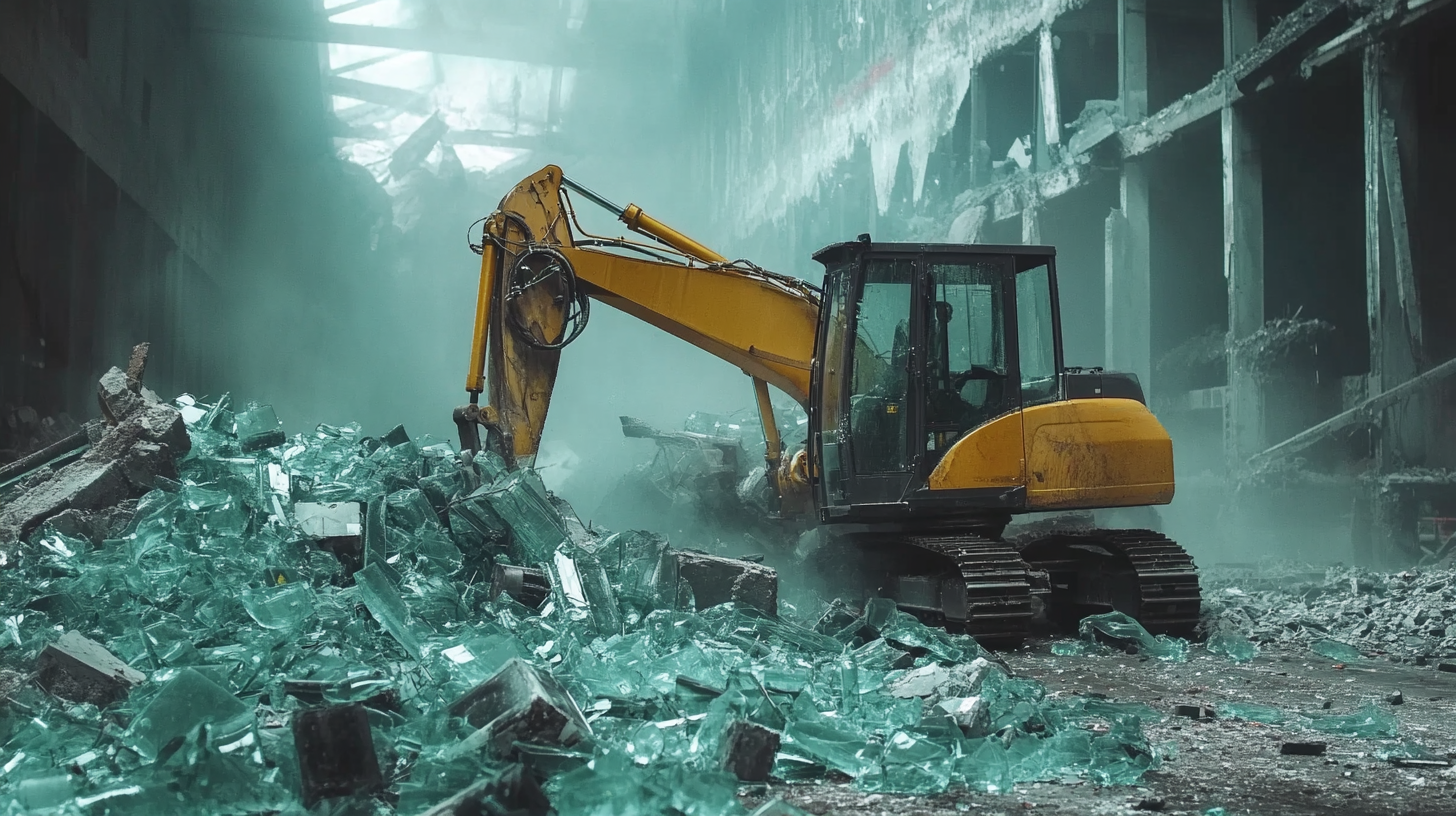
You know, recycling glass is super important for keeping our planet healthy. And let me tell you, using these advanced Remove Separating Machines can really take the whole process up a notch! When you break it down step by step, it not only boosts efficiency but also helps improve the quality of the recycled glass. Here’s a fun fact: according to the Glass Recycling Coalition, recycling just one ton of glass can save over 700 kilowatt-hours of electricity, along with 1,300 pounds of sand and 400 pounds of soda ash. Pretty impressive, right? It really underscores how much we stand to gain from smarter glass separation.
So first off, these Remove Separating Machines start by crushing the glass into smaller, manageable bits. This first step is key because it gets the glass all set for the next stages of separation. And get this, these machines can handle over 30 tons of glass in just an hour — talk about a game-changer! After the glass is crushed, it moves through a series of screens that cleverly separate different colors and types, making sure we get as much high-quality material back as possible. According to reports from the International Glass Recycling Association, machines that use advanced optical sorting tech can achieve separation efficiencies of over 95%. How cool is that?
Once everything's separated, the clean glass cullet is ready to go back into the manufacturing process. With the help of those machines, we’re looking at a higher purity rate, which makes reprocessing way easier. And here's another tidbit: the Container Recycling Institute points out that glass bottles made with recycled content use about 30% less energy to produce than those made from virgin materials. By hopping on the modern technology bandwagon, like with Remove Separating Machines, businesses can really do their part in promoting a circular economy. It’s all about making sure glass gets recycled efficiently so it can be turned into new products, cutting down on waste and saving our natural resources.
You know, glass recycling has really picked up steam over the last few decades, but it’s not all smooth sailing. One of the biggest headaches is contamination; that’s when non-glass stuff ends up mixed in with the glass we’re trying to recycle. The National Glass Association points out that contamination can really mess with the quality of recycled glass and hike up processing costs. Can you believe that up to 25% of the glass we collect can’t be recycled because of impurities? That’s where advanced separating machines come into play. They’re designed to help with sorting and really cut down on contamination.
Another thing that often trips us up is the lack of good infrastructure for glass recycling. Many places just don’t have enough collection and processing facilities, which really takes a toll on recycling rates. The Container Recycling Institute says that in the U.S., we’re only recycling about 33% of our glass, while Germany is crushing it with over 90%. If we could implement those smart separating machines and build a solid infrastructure, we could definitely boost collection rates and get more folks involved in glass recycling efforts.
And let’s not forget about consumer education—it’s super important in tackling the challenges of glass recycling. A lot of people don’t even know the right way to recycle or how crucial it is to keep contamination low. Experts suggest that we need to ramp up public awareness campaigns, and when we combine that with some cool new separating tech, we can really help folks develop better recycling habits. That way, we’ll not only improve the quality and quantity of recycled glass material but also make glass recycling a vital part of sustainable waste management.
You know, the way we're tackling glass recycling these days is pretty amazing! There’s this cool innovation with high-tech machines that really change the game for how we handle waste and save resources. These machines are like the superheroes of glass processing, using fancy optical sorting systems and artificial intelligence. They can quickly spot and sort glass by color, composition, and quality, which helps get rid of contamination. This means that the recycled materials are cleaner, making it a whole lot easier for manufacturers to weave recycled glass into their new products.
And let’s not forget about automation! Glass recycling facilities are now using automated systems to really streamline their processes. This doesn’t just cut down on labor costs but also helps avoid those pesky human errors. For example, conveyor belts hooked up to robotic arms can sort and clean glass pieces way faster than if we were doing it all by hand. Plus, with the latest machine learning algorithms, these systems can learn and improve on the fly! This means they stay efficient and can handle whatever quality glass comes their way.
Looking ahead, the future of glass recycling is really exciting, especially with the rise of sustainable materials and processes. There’s ongoing research into eco-friendly additives that could help create new glass types with even better recycling capabilities. More businesses are jumping on the circular economy bandwagon too, investing in technologies that help reclaim and reuse materials more effectively. All these innovations are essential as we move forward in glass recycling, maximizing efficiency while reducing our environmental footprint.
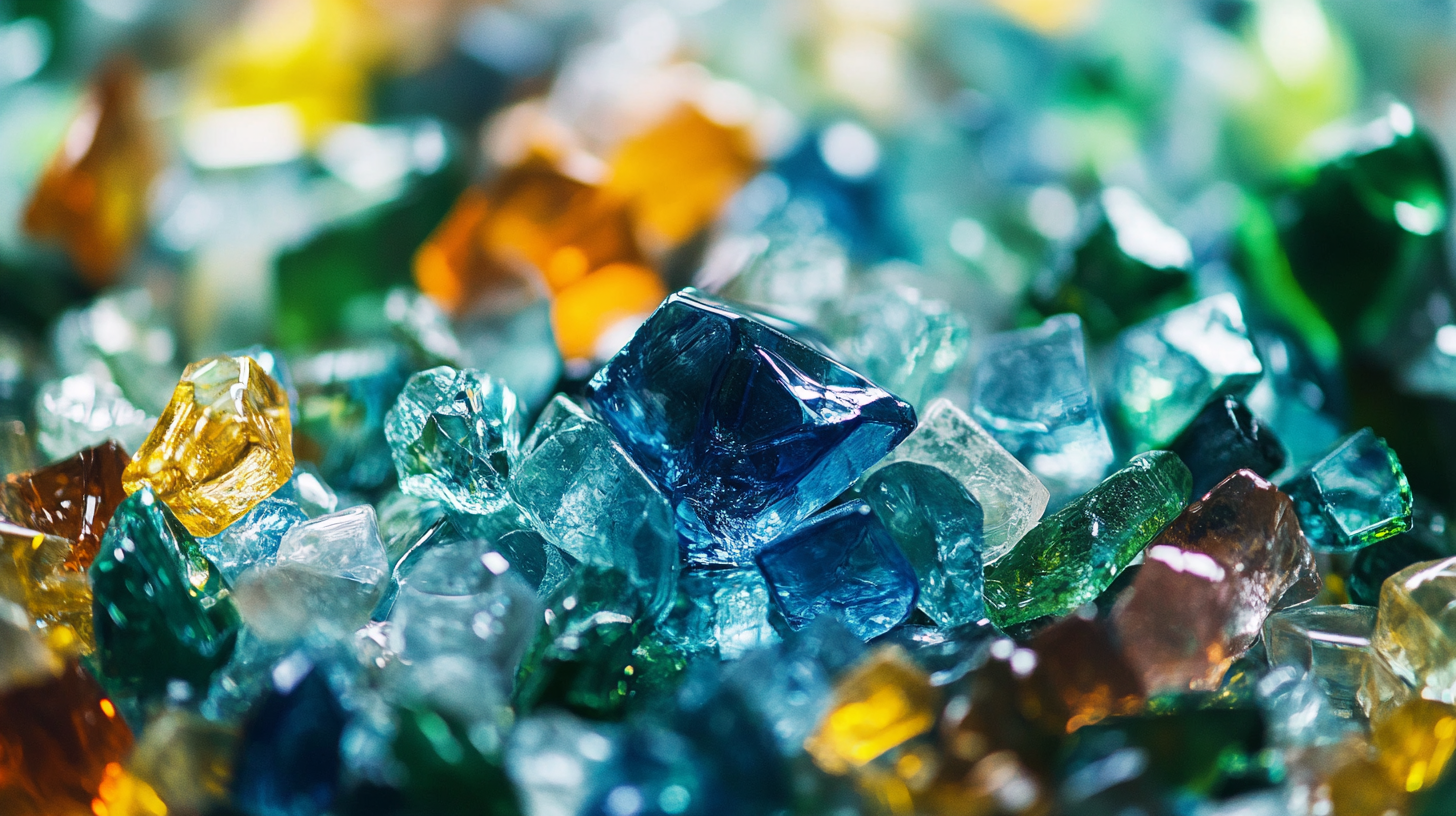
You know, in the glass recycling world, making things super efficient is super important if we want to keep things sustainable and lessen our impact on the environment. One of the best ways to boost efficiency is by using some of that fancy technology and following some solid strategies. Take those remove separating machines, for instance—they really help speed up the sorting process, which means facilities can get cleaner, purer recycled glass. Studies have shown that when sorting is done right, it can actually bump up the recycling yield by as much as 15%! That’s a pretty amazing way to get higher-quality glass products.
And speaking of advancements, there's been some cool stuff happening with energy efficiency in the glass biz. The ENERGY STAR Guide for the Glass Industry points out that bringing in energy-efficient tech can slice energy use by a whopping 30-50%. I mean, that really adds up to some serious cost savings! Not only do these practices lower bills, but they also make glass manufacturing greener overall. Plus, companies hopping on the energy-efficient train are likely to be more competitive, especially since everyone’s moving towards more sustainable solutions these days.
Then there's the whole digital transformation thing going on, which is really shaking up glass recycling operations. Just look at Jurong Port and their digital twin, JP Glass. This setup allows them to monitor things in real time and dive into data analytics to make supply chain management smoother and more sustainable. That kind of innovation really helps with smart decision-making and keeping everything transparent, which in turn leads to more efficient recycling practices. So yeah, by jumping on these best practices and tech upgrades, companies can really step up their glass recycling game—ushering in a greener future for all of us.
You know, the rollout of these removal separating machines in glass recycling has been pretty amazing, really. I mean, it’s been a game changer for efficiency, and there are quite a few case studies to back that up. These machines are using some pretty nifty tech to make the whole separation process way simpler, pulling out valuable glass materials from waste with hardly any manual labor needed. Take, for example, a recent setup at a local recycling facility—it really showed off how much better the sorting accuracy has gotten, which, in turn, means there’s way better recycled glass coming out of it. The operators even mentioned a noticeable dip in contamination levels, which is fantastic because it makes processing a lot easier and boosts demand for recycled glass in the market.
Then there’s this interesting case study about plastic packaging waste. They tried out a waste separation system that uses sensor tech and deep learning, which is such a fresh take on those tricky recycling challenges. This method highlighted just how cool it is to mix in cutting-edge technologies to spot and sort different types of plastic—definitely a win for boosting recycling rates! If we can bring similar tech into the glass recycling scene, facilities could ramp up their efficiency like never before. It’s all about cutting down on contamination and maximizing what can actually be recycled, which is super important for hitting those sustainability targets, especially in the whole circular economy picture.
All these examples really show a cool trend in the recycling world—using tech to solve long-standing problems. By putting money into removal separating machines and other advancements like these, recycling facilities are not just getting better at what they do; they’re making a solid contribution to helping the environment. It’s like these efforts could really set a new bar for recycling practices, highlighting how vital technology can be in creating a cleaner, greener future.
Best practices include integrating advanced technologies such as remove separating machines, implementing energy-efficient technologies, and embracing digital transformation for systematic improvements.
Remove separating machines improve sorting accuracy, streamline the separation process, and reduce contamination levels, leading to higher-quality recycled glass output with minimal manual intervention.
Research indicates that improved sorting accuracy can boost recycling yield by up to 15%, resulting in higher quality glass products.
Implementing energy-efficient technologies can reduce energy consumption by 30-50%, leading to significant cost savings and enhancing the sustainability of glass manufacturing processes.
Digital transformation, such as real-time monitoring and data analytics, optimizes supply chain management, promotes sustainability, and contributes to more efficient recycling practices.
A case study from a municipal recycling facility demonstrated that the use of remove separating machines significantly improved sorting accuracy and decreased contamination levels, enhancing recycled glass quality.
By reducing contamination and maximizing recyclable material recovery, technological advancements help meet sustainability goals within the framework of a circular economy.
Companies that embrace energy-efficient practices can lower operating expenses, enhance competitiveness, and contribute to a more sustainable industry.
Better decision-making through data analytics leads to operational transparency and more efficient processes, ultimately driving improved recycling outcomes.
By investing in innovative technologies like remove separating machines, recycling facilities are improving operational efficiency and significantly reducing environmental impacts, setting new standards for recycling practices.