
- shanshui@shanshuizg.com
- We Will Respond to Your Inquiry Within 24 Hours of Receipt!
Leave Your Message
- Phone
- E-mail
- Whatsapp
- Wechat

The pressing need and global drive for sustainable recycling solutions forced the recycling industry to the use of novel techniques or technologies, especially within the parameters of glass-waste management. A report published recently and focused on Glass Recycling by the International Glass Recycling Association noted that more than 80% of glass packages can be recycled without any degradation in quality, making glass one of the most sustainable materials. However, the problem arises in the efficient beneficiation of glass from other waste materials so as to recycle with efficiency. This is where certain specialist equipment shines: the Glass Remove Separating Machine For Recycling applies efficient streamlining methods to ensure that valuable recycling resources are recovered.
Founded in 2013, Henan Shanshui Heavy Industry Technology Co., Ltd. is at the leading edge of manufacturing eco-friendly machines in China, particularly focused on production lines for recycling waste Solar Panels and lithium batteries. The company strives for advancement in technologies suitable for sustainable methods. With the current demand for recycling efficiency, the use of some sort of innovative machines such as the Glass Remove Separating Machine For Recycling plays a crucial role in maximizing the potentiality of recyclable material in terms of conservation and preserving the environment.
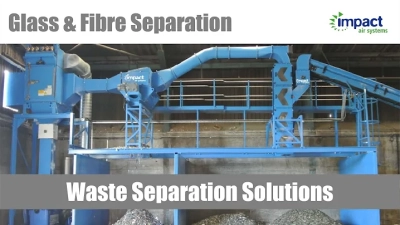
In the recycling industry, Glass Remove Separating Machines (GRSMs) are essential for increasing glass waste management efficiency. As stated by the Glass Packaging Institute, about 40% of glass containers are recyclable in the U.S.; however, with improved technologies, this percentage is expected to peak through GRSM usage. These machines separate glass from contaminants, such as plastics or metals, resulting in much purer recycled material. With their operations founded on sustainability and resource recovery, GRSMs represent an interesting recycling technology. According to the National Recycling Coalition, recycling glass conserves natural resources and energy; it takes approximately one-third the energy to manufacture new glass from recycled material as from virgin material. Glass separation with maximum efficiency virtually removes the environmental burden of landfilling, where glass can take a million years to degrade. By providing maximum optimization in the glass-fetching process through GRSMs, recycling plants will witness a significant rise in glass recovery rates, leading to more sustainable waste management practice overall. As a result, these machines not only produce higher-quality recycled glass to reduce environmental impact but also contribute to the circular economy. The Glass Container Institute reports that by using recycled glass, manufacturers save as much as 30% in greenhouse gas emissions compared to operating with virgin materials. The role of GRSMs in the transformation of waste processing offers a stepping stone towards the realization of sustainability goals in the sector of recycling. With the continuous advancement of technologies, the future of glass recycling soon appears bright, heralding a cleaner and more efficient environment.
Effective separation is the primary mechanism for a progressive change in recycling so that it is truly sustainable, by making possible further improvements in quality and quantity of the recycled product. Glass recycling can cut energy consumption associated with production for up to 30% when compared to the production of new glass using raw materials according to a report from the Glass Packaging Institute. Therefore, energy efficient processes not only save costs but also minimize greenhouse gas emissions to the extent that they are compatible with global sustainability goals.
The purity of the recycled product is one of the greatest advantages in efficient glass separation. As the National Recycling Coalition points out, contaminants in recycled glass can greatly reduce their market value and subsequently show how important separation techniques are. Recent innovations in glass separation machines have allowed recyclers to achieve a purity of applications close to 90% resulting in recycled glass that can be utilized to make new containers and hence complete an entire cycle of recycling.
Again, one of the areas that will be greatly abetted by effective glass separation is that of the economics. The report places disposal costs of up to $50 a ton savings in communities with well-established glass recycling programs. Investment in state-of-the-art separation technologies benefits recyclers financially while at the same time promoting a circular economy diadem under which glass materials are reused rather than relegated to landfills. It sets a new course in the glass industry toward a more sustainable future in responsible resource management.
The initial key factors in selecting the appropriate glass removing separate machines for recycling are efficient operations. Industries are progressively moving to sustainable and responsible recycling options, and machines with even more efficient operations require diverse handling capabilities over many types of materials comprising glass. Those advancements within the specialty mark the need for selecting machines with a test of time where they will suit an efficient process but also a volume operation easy if one compares it to that of the presently evolving quartz sand production lines in China.
In the solutions, some major companies relate how these high-tech solutions should be part of any glass recycling. There is a great potential for growth in glass recycling, given that the studies suggest efficient separation technologies can elevate recycling rates by 30% and more. Hence, these changes will be affected by firmly stent of recycling in scopes where pressure will be upon the operators in opting for equipment that meets present demands while also not blind by the outcomes of future regulatory threats.
It is essential to consider the unique functionalities of glass remove separating machines. Parameters of efficiency also depend on the differentiation of automatic versus semi-automatic, sizes and types of materials processed (glass vs. plastics), and kind of filling. Therefore, in what may be a narrow and speedy adaptation of these changes towards sustainability, the right machine ensures productivity but, along the way, helps feed a circular economy perspective wherever possible, thus ensuring a win-win for both nature and economy.
Using glass separation and removal equipment properly is critical to improve the recycling process and the sustainability of recycling processes. Best practices for the operation of these machines improve Production and also keep the quality of the glass being processed for future reuse. Training of operators needs to be done on a regular basis in order for them to be brought up to date on the latest technologies and methods of glass separation. This knowledge is instrumental in minimizing errors and optimizing operational workflows.
Prior sorting and categorization of glass are also key practices before introducing glass into the machines. Valid glass sorts will create conducive conditions for machines to operate efficiently and ensure higher recovery rates. Another clearly obvious key practice is regular maintenance of the machines. Routine checks and servicing of the machines by the operators will work to prevent very costly breakdowns and thus the smooth running of the machines, increasing their lifetime and efficiency.
The glass recycling processes will also benefit greatly if operators keep up with other realms of innovation, such as mobile glass processing technologies. For example, specific glass type machines recently introduced can greatly increase recycling rates in settings such as wineries or community centers. Using these new developments and implementing best practices will usher in a sustainable recycling approach, whereby that glass has infinite reuse cycles.
However, like most specialized machines, it can face some of the most common problems. Troubleshooting these problems is an important way in which these machines can be optimized for better performance, changing glass recycling from the norm to a more effective and environment-friendly manner.
The most common problem with these machines is that they get clogged with debris while working. Clogging hampers the whole separation operation from then onwards. Such a scenario would need proper servicing or regular maintenance and cleaning. This is similar to houses where homeowners prefer designs like "wet and dry separation" in bathrooms to keep moisture at bay; machines recycling all these wastes should be kept clean for them to serve well. For example, routine inspections can be set to discover blockages before they develop greater problems.
Another challenge is how fast the machine processes the material. Looking at a new line that has been introduced recently in similar sectors, in which it is possible to have glass processing of 2-3 tons per hour, it demonstrates the need for efficiency. Training operators on machine specification and capability will also supplement such an operator in maximizing output and punctuality in recycling processes. Innovations in calibration schedules are some of those best practices that can be employed to yield improvements that equal these standards in the industry while boosting sustainable glass recycling.
These new technologies have changed the glass recycling economy to a great extent as far as efficiency and sustainability are concerned. Recently, the National Recycling Coalition revealed that just about 33% of glass containers found their way into recycling in these United States. Advances in glass separating machines for removal processes, however, can significantly improve the figure. These machines use enhanced separation techniques that are capable of separating glass from other materials with up to 95% accuracy, thus ensuring minimal contamination in recycled streams.
An example of such technology includes where the automated sorting systems are integrated with AI. As per the publication of the Glass Packaging Institute, AI sorting systems are capable of ingesting approximately 20 tons of glass in an hour, a significant leap forward from the otherwise earlier methods of human sorting. These numbers enable recycling facilities to handle more glass with less cost, thus encouraging wider participation in recycling activities.
In addition, new technologies are being developed, which include new crushing and cleaning technologies for further preparing glass for recycling. According to studies carried out by the Sustainable Glass Forum, emerging technologies like electrostatic separation can improve the purity of recycled glass by removing unwanted materials besides glass. This way, organizations will manufacture very clean cullet that meets so high standards set for them by manufacturers, leading to more closed-loop recycling and a lesser need for virgin materials. In fact, these are new separations machines that will certainly promote a more circular economy and ensure sustainable results for recyclers in the glass industry.
The introduction of glass separation systems is arguably a major milestone on the path to sustainable recycling solutions. Of the nearly 10 million tons of glass containers recycled every year in the U.S., the Glass Recycling Coalition estimates that less than one-third actually gets properly processed, owing to inefficiencies of separation techniques. Innovative glass remove separating machines have recently been introduced to improve recycling rates and the quality of recycled material.
The city of San Francisco's Glass Recovery Program exemplifies an acclaimed case study whereby advanced separation technology was utilized to process glass collected through recycling bins. Effectively, the program has been noted to have achieved an incredible increase of 75% in the volume of clean glass feedstock available for remanufacturing. The city was able to divert over 3,000 tons of glass from landfills in a single year, adding much to their zero waste goal by 2030.
Another successful case was in the European Union, where some member states employ glass separation systems to comply with recycling targets dictated by law. In Sweden, this has resulted in glass container recycling rates of over 90%, mainly due to the installation of automatic sorting technologies. These newer systems increase not only the efficiency of separation but also purity of the recycled materials from this glass fraction, which is necessary for regeneration of new glass products, hence closing the loop of the circular economy.
By transforming glass recycling and separation techniques, innovative technologies continue to reshape this evolving race. At recent discussions organized in the framework of the glasstec 2024 conference, emerging market opportunities focusing on sustainability and execution were highlighted. Further discussions spotlighted the importance of using advanced glass removal separating machines for the recycling process, particularly because glass manifests its distinctive properties such as high transparency and chemical stability.
China's waste glass recycling industry is snowballing under increased environmental pressures and favorable national policies on resource recovery. The reports say that because of a large population with limited resources, better technology is being pushed for waste recycling, particularly on the widespread use of glass as a sustainable alternative to traditional plastics. Glass, with its jam-proof retention and reuse capabilities, can make a major difference in packaging industries, especially in food and beverages, where cleanness and stability will be given importance.
Advancing glass recycling systems through smart technologies- which AI and IoT are now incorporating- is anticipated to improve the efficiency and receptiveness of separation. Manufacturers are quickly turning to sustainable practices, which willgradually lead the glass recycling sector into further advanced technologies that enable circular economies. It is anticipated to change the 2025 landscape for the industry, as it increasingly finds itself adopting recyclable and novel solutions toward glass, a very bright future material.
When selecting a glass remove separating machine, consider factors such as efficiency, ability to handle diverse materials, features (automatic vs. semi-automatic), and the specific functionalities based on the types of glass being processed.
These machines enhance operational productivity and improve recycling rates, facilitating a circular economy that benefits both the environment and the industry.
Regular training sessions for operators familiarize them with the latest technologies and techniques, minimizing errors and optimizing workflows for better recycling results.
Proper categorization of glass materials ensures that machines operate effectively, leading to higher recovery rates and improved efficiency during the separation process.
Routine maintenance prevents costly breakdowns, ensures smooth operation, and increases the lifespan and overall efficiency of the machines.
Yes, recently introduced mobile glass processing technologies can significantly enhance recycling capabilities and improve recycling rates in various settings such as wineries and community centers.
The city of San Francisco’s Glass Recovery Program utilized advanced separation technology, resulting in a 75% increase in clean glass feedstock and diverting over 3,000 tons of glass from landfills in one year.
Several EU member states, like Sweden, have integrated automated sorting technologies that streamline the glass separation process and ensure high purity levels of recycled materials, meeting strict recycling targets.