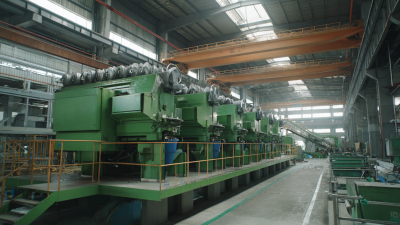
Lately, there's been a real push towards sustainability, and one of the coolest things getting attention is recycled glass particles. It’s kind of hard to ignore how much this can help the environment. For example, the EPA says recycling glass can cut down energy use by up to 40% compared to making new glass — which means fewer greenhouse gases in the air. Since way back in 2013, Henan Shanshui Heavy Industry has been leading the charge, especially focusing on developing eco-friendly machines. They're now working on recycling waste Solar Panels and lithium batteries, which is pretty innovative. By including recycled glass particles in manufacturing, companies aren’t just doing their bit for the planet—they’re also saving on raw materials and sticking to strict environmental rules.
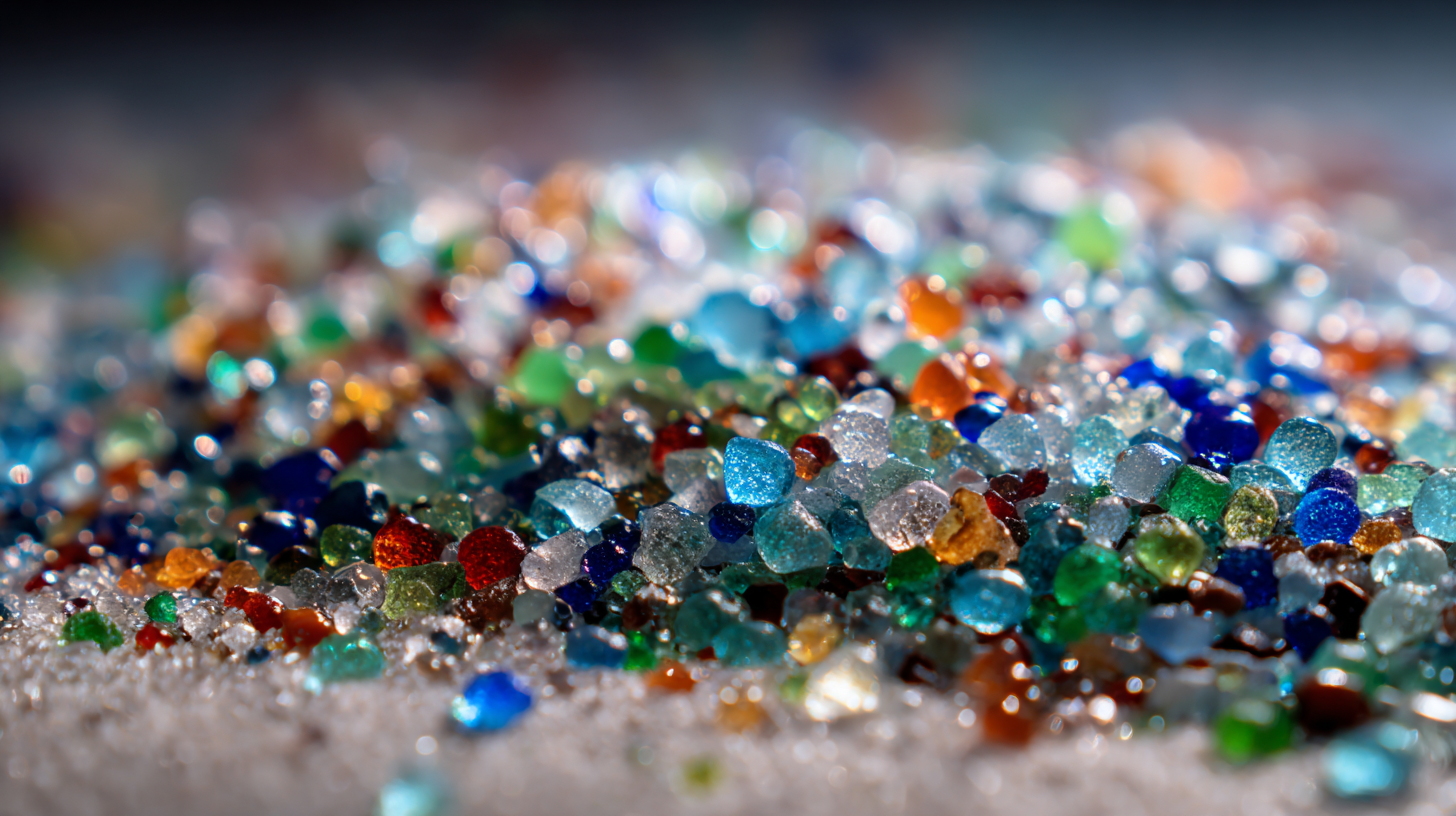
As we dig into this ultimate guide on the benefits of glass particle recycling, our goal is to share some solid tips on how businesses can use these smart solutions to stay sustainable and profitable at the same time.
Benefits of Glass Particle Recycling for Environmental Sustainability
Recycling glass particles isn't just good for the planet — it's a smart move all around. It helps cut down on pollution and saves natural resources. Did you know that, according to the EPA, recycling just one ton of glass can save over 1,300 pounds of sand, 410 pounds of soda ash, and 380 pounds of limestone? That’s pretty impressive! Plus, recycled glass can be repurposed into a bunch of different products — from fresh new bottles to fiberglass insulation — which means we’re using less raw material and saving energy in the process?
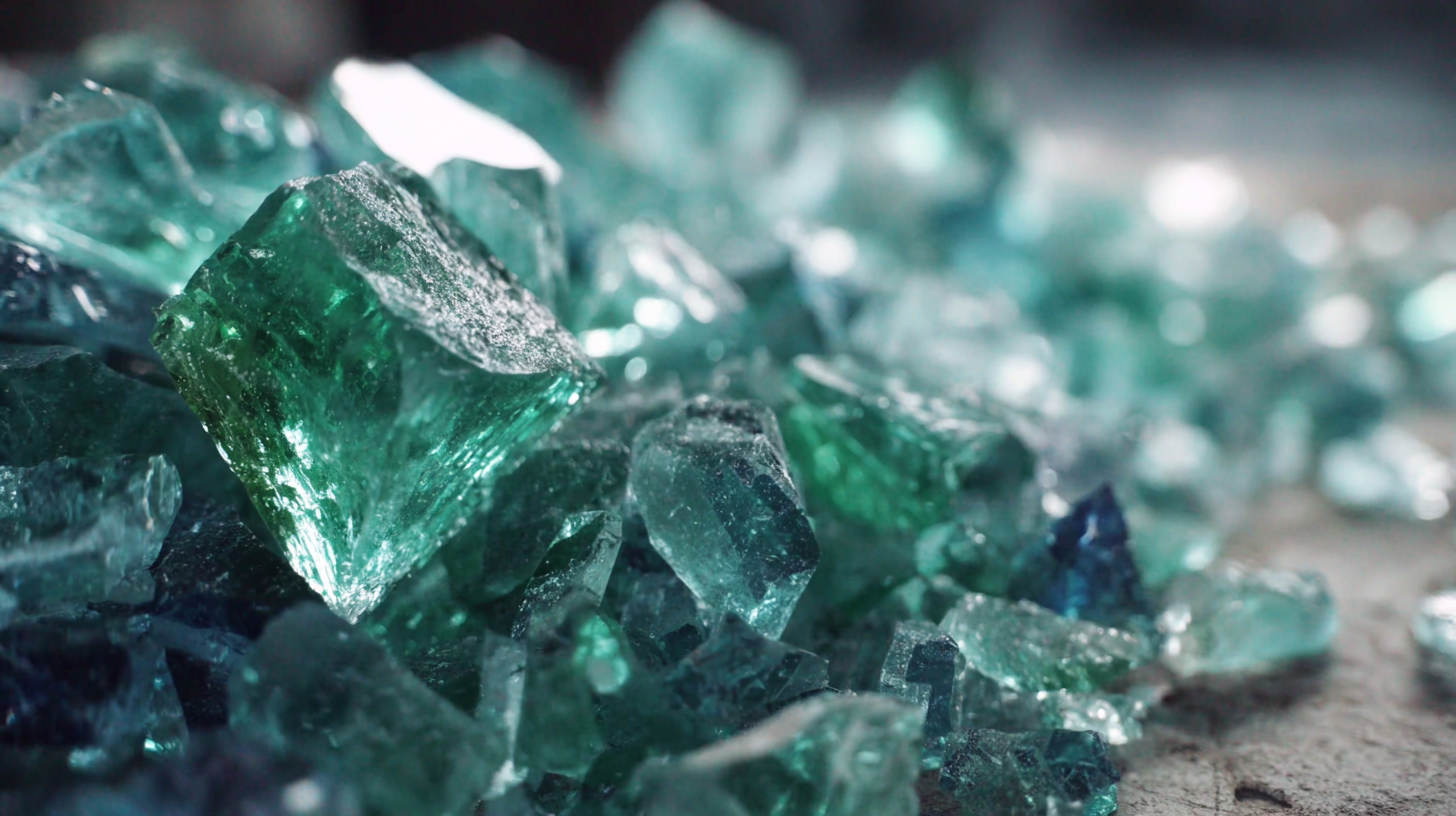
If you’re thinking about how to get started with Glass Recycling, a few simple steps can make a big difference. Setting up local collection points and running awareness campaigns to teach folks how to recycle properly can really boost participation. Working with local businesses is also a win — they can offer incentives to customers who recycle glass, encouraging more folks to do their part. And don’t forget, making sure the glass is clean and contamination-free is key to producing quality recycled products and keeping everything running smoothly.
On top of that, research shows that using crushed recycled glass — or cullet — in manufacturing can cut energy use by up to 30%. That’s a huge deal because it leads to fewer greenhouse gases and supports efforts to fight climate change. So, recycling glass isn’t just good for individual companies; it’s a meaningful way we can all help protect the environment and promote sustainability on a larger scale.
Innovative Applications of Recycled Glass Particles in Construction
You know, recycled glass particles are really shaking things up in the construction world these days. They offer some super sustainable and innovative solutions that can seriously cut down on environmental harm. I mean, traditional building materials tend to create a lot of waste and drain resources, so throwing in glass particles actually gives us a pretty cool alternative. You can use these recycled bits in all sorts of ways—think concrete, asphalt, even insulation—making buildings look better and perform nicely, all while keeping the carbon footprint in check since we’re not producing as much new stuff.
One of the coolest uses of recycled glass is in concrete. When you mix it in, it not only makes the concrete stronger and more durable but also keeps it lightweight. Plus, the way glass catches the light gives the surfaces a lovely shimmer, which architects and designers totally dig—they love the unique, eco-friendly vibe. And on top of that, using recycled glass helps keep waste out of landfills, which is a big win when it comes to circular economy goals in construction. As more folks in the industry start exploring and adopting these kinds of innovations, it’s pretty clear that recycled glass particles are going to be a big part of building a greener, better future.
Economic Advantages of Using Recycled Glass in Manufacturing
Using recycled glass in manufacturing really offers some pretty solid economic benefits, especially for industries trying to step up their sustainability game. Did you know that the EPA says recycling just one ton of glass can save over 60 bucks in landfill fees? Plus, it prevents more than 300 pounds of carbon dioxide from being released into the air. And here’s the coolest part: recycling glass efficiently can cut energy use by 20 to 30 percent compared to making new glass from scratch. Not only does that mean saving money, but it also helps cut down on our carbon footprint, so it’s a smart choice both economically and environmentally.
At Henan Shanshui Heavy Industry Technology Co., Ltd., we’re really passionate about pushing forward with green practices. We’re developing innovative recycling machines, especially for waste solar panels and lithium batteries, which fit right into the bigger picture of sustainability. Studies show that moving towards recycled materials like glass can boost the circular economy—some forecasts even suggest that the recycling industry could add over $500 billion to the global economy by 2030. So, choosing recycled glass isn’t just good for the planet, it’s also a win for economic growth and creating a more sustainable industrial world.
Comparative Analysis: Glass Recycling vs. Other Recyclable Materials
As the world starts to get serious about sustainability, it’s pretty important to understand how glass recycling stacks up against other recyclable materials. Honestly, glass has some really cool perks—mainly, it can be recycled forever without losing its quality. That’s a big deal because it means recycled glass can be used again and again, whether it's making new bottles, fiberglass, or building materials. Unlike plastics, which tend to break down or degrade over time, glass keeps its strength and shape, making it a solid choice for a truly sustainable, circular economy.
And here’s another thing—recycling glass takes way less energy than creating new glass from scratch. That’s pretty great because it cuts down on greenhouse gas emissions. In places like Taiwan, new tech is converting waste glass into useful resources, showing just how much economic potential recycling has. On the flip side, some plastics, especially certain types, often get contaminated or break down, which makes recycling them harder and less effective. So, if we’re serious about being eco-friendly, glass really stands out as a smart, impactful option that helps us move towards a greener planet.
Your Ultimate Guide to Understanding Glass Particle Recycled Benefits for Sustainable Solutions
This chart compares the recycling rates of glass particles against other recyclable materials, highlighting the sustainable benefits of glass recycling.
Challenges in Glass Particle Recycling and Solutions for Improvement
Recycling glass particles is definitely good for the environment, but honestly, there are quite a few hurdles that make it tough to do on a large scale. For one, contamination is a real pain — when glass gets mixed with other stuff, it can spoil entire batches, making them unusable. To fix this, recycling centers really need to step up their sorting game and invest in better separation tech that can make the process more efficient and keep the glass clean.
Another big thing holding things back is money. Recycling glass can get pretty expensive, especially for smaller operations that don’t have the resources. One way around this could be for local governments and recycling companies to team up—working together and offering incentives like subsidies or tax breaks might actually encourage more businesses to jump on the eco-friendly bandwagon.
And here’s a tip: getting the local community involved makes a big difference. Educating folks about how to sort their recyclables properly helps cut down on contamination. Plus, if we promote local markets that buy recycled glass, it can help keep demand steady and make recycling projects more financially sustainable. Encouraging businesses to use recycled glass in their products is also a smart move—it helps create that circular economy where everything benefits, both our planet and our local industries.
Your Ultimate Guide to Understanding Glass Particle Recycled Benefits for Sustainable Solutions - Challenges in Glass Particle Recycling and Solutions for Improvement
| Aspect | Description | Benefits | Challenges | Potential Solutions |
| Recycling Process | Collection, sorting, and processing of glass waste into particles. | Reduces landfill waste and resource consumption. | Contamination of materials. | Implementing strict sorting guidelines. |
| Glass Particle Uses | Used in construction, road bases, and as abrasive materials. | Provides alternative materials and lowers production costs. | Market acceptance and technical limitations. | Research on enhancing properties and awareness campaigns. |
| Environmental Impact | Reduced CO2 emissions from recycled materials. | Contributes to a circular economy. | Energy consumption in processing. | Investing in energy-efficient technologies. |
| Economic Benefits | Lower costs for manufacturers using recycled materials. | Encourages local recycling industries. | Initial investment for recycling facilities. | Grants and subsidies for recycling projects. |
| Policy & Regulation | Government incentives for recycling initiatives. | Promotes public participation and awareness. | Lack of standardized regulations. | Establishing comprehensive recycling policies. |
Future Trends in Glass Particle Recycling for Sustainable Development
Looking into the future, recycling glass particles is really going to play a crucial role in our efforts toward sustainability. Lately, it seems like there's been a real uptick in innovative ways to recycle glass, which is pretty exciting. Did you know that in the EU28 countries, the amount of recycled glass, or cullet, has gone up by about 20% over the last five years? That’s a clear sign that folks are shifting towards more eco-friendly practices. Not only does this help cut down on waste, but it also trims down the carbon footprint tied to making new glass. Honestly, using recycled glass can slash energy use by up to half compared to starting from raw materials—pretty impressive, right?
If we want to get even better at recycling glass, a few tips come to mind. For one, investing in smarter sorting tech can really boost the quality of the recycled stuff. Plus, building better partnerships between manufacturers and recycling centers can make the whole process smoother and help recover more materials. As more people and businesses jump on the recycled glass bandwagon, adopting circular economy ideas will become more and more important. It’s all about reducing environmental impact and making the most of our resources.
Looking ahead to 2050, it’s likely we’ll see a huge drop in landfill waste, thanks to smarter recycling systems and greater awareness among the public. Getting communities involved and spreading the word about recycling can really make a difference—turning glass recycling into a key piece of sustainable development worldwide. It’s about creating a future where waste is minimized and resources are used wisely, and I think we’re headed in the right direction.

FAQS
: Glass particle recycling significantly reduces pollution and conserves natural resources, saving over 1,300 pounds of sand, 410 pounds of soda ash, and 380 pounds of limestone for every ton of glass recycled.
Recycled glass can be repurposed to create a range of products including new containers and fiberglass insulation, reducing the need for virgin materials.
Establish local collection points, run awareness programs to educate the community, and collaborate with local businesses to enhance recycling rates.
Contamination with other materials can render entire batches unsuitable for recycling, emphasizing the need for clean glass materials.
Using glass cullet (crushed recycled glass) in manufacturing can reduce energy use by up to 30%, leading to fewer greenhouse gas emissions.
Challenges include contamination of glass and the economic viability of the recycling process, especially for smaller operations.
Regular community engagement and education about proper sorting of glass can significantly reduce contamination rates and improve recycling effectiveness.
Collaborations between local governments and recycling companies, along with subsidies or tax breaks for businesses adopting sustainable practices, can improve the economic viability of glass recycling.
Promoting local markets for recycled glass can stabilize demand, making recycling initiatives more financially sustainable and supporting a circular economy.
Ensuring that glass materials are clean and free from contamination maximizes the quality of recycled products and strengthens the supply chain.
Conclusion
In our piece, titled "Your Ultimate Guide to Understanding the Benefits of Recycling Glass Particles for Sustainable Solutions," we really delve into the many perks of recycling glass. It’s not just about cutting down waste in landfills; it’s also about pushing forward with some pretty cool, innovative uses—especially in construction, where recycled glass can be a real game-changer. Plus, there’s a solid economic angle: using recycled glass in manufacturing can cut costs and make resource use way more efficient.
We also take a moment to compare glass recycling to other recyclable materials, pointing out some of the unique hurdles that come with recycling glass—and brainstorming ways to make the process smoother. Looking ahead, the trends in glass particle recycling look pretty promising, with new developments that could really boost sustainability across different industries. At Henan Shanshui Heavy Industry Technology Co., Ltd., we’re all about supporting these efforts with our advanced machinery and innovative recycling tech—helping to push things forward in a big way.