You know, with more and more folks turning to renewable energy, we've seen a huge boom in solar panel installations all around the world. As this industry keeps expanding, there's this growing need for better recycling methods to deal with solar panels once they’ve reached the end of their life. One pretty cool solution that’s been gaining attention is the Solar Cell Crushing Separating Machine. It’s basically a game-changer when it comes to taking apart old panels — breaking down the parts quickly and sorting out the valuable stuff so it can be reused.
Getting what this machine does and why it’s so important helps us understand how it fits into the bigger picture of sustainability in energy. By efficiently dismantling old solar panels, it not only cuts down on waste but also helps recover materials that can be given a second life, supporting that circular economy everyone’s talking about. In this article, we’ll look into how this machine actually works and why it’s such a big deal for solar recycling efforts.
What is a Solar Cell Crushing Separating Machine?
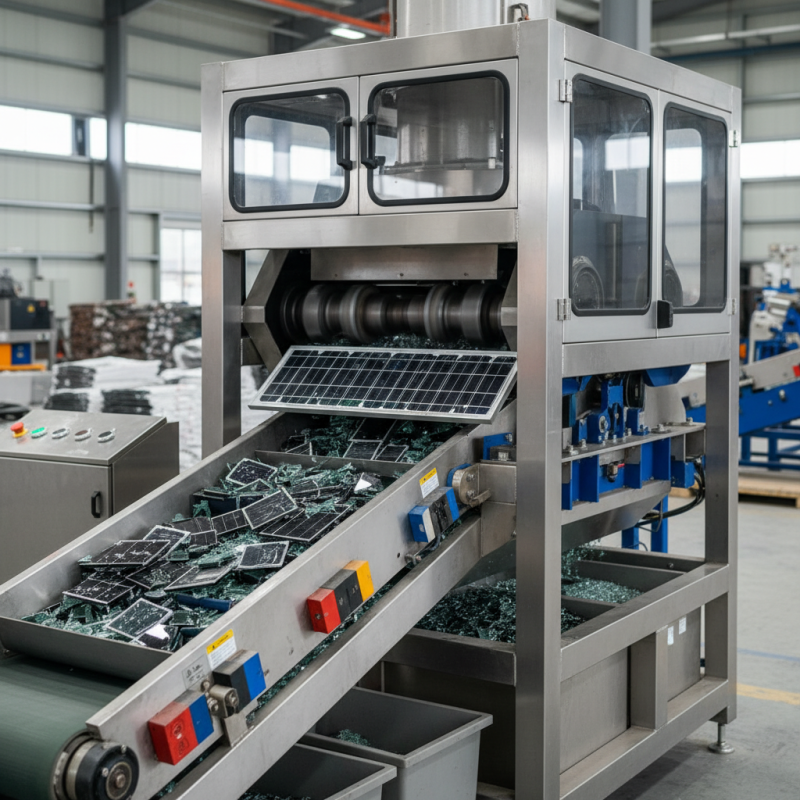
A Solar Cell Crushing Separating Machine is an innovative piece of equipment designed to process and recycle solar panels at the end of their life cycle. Typically, solar panels consist of materials such as silicon, glass, and metals, which can be difficult to separate manually. This machine automates the crushing and separating process, efficiently turning decommissioned solar panels into reusable materials. By breaking down the panels into smaller pieces, the machine enables the extraction of valuable materials for recycling, thereby promoting sustainability and reducing waste in landfills.
The operation of a Solar Cell Crushing Separating Machine relies on several key components. First, the machine crushes the solar panels into smaller fragments, allowing for easier handling and separation. Then, advanced separation technologies, such as air classification and magnetic separation, are employed to isolate different materials based on their properties. This process not only facilitates the recycling of high-value materials like silicon and metals but also ensures that harmful substances are properly managed. The entire system is designed to maximize efficiency while minimizing environmental impact, making it an essential tool in the growing field of solar panel recycling.
The Importance of Recycling in the Solar Industry
Recycling plays a pivotal role in the solar industry, particularly as the demand for renewable energy sources continues to rise. As solar panels reach the end of their lifespan, it becomes essential to develop efficient recycling processes that can recover valuable materials like silicon, glass, and metals. By recycling these components, we not only reduce waste but also minimize the need for new raw materials, thus conserving natural resources and reducing environmental impact.
A solar cell crushing separating machine is intricately linked to this recycling effort. It effectively dismantles and separates the various materials found in solar panels, allowing for the recovery of high-value elements that can be reused in the production of new panels or other products. This process not only helps in managing the waste produced by decommissioned Solar Installations but also supports a circular economy within the solar industry, where materials are continually repurposed rather than discarded. By emphasizing recycling and utilizing innovative machinery, the solar sector can enhance its sustainability and contribute to a greener future.
What is a Solar Cell Crushing Separating Machine and How Does It Work? - The Importance of Recycling in the Solar Industry
| Feature | Description | Importance |
| Crushing Mechanism | Utilizes high-strength materials to crush solar panels into smaller pieces. | Facilitates easier separation of valuable materials for recycling. |
| Separation Technology | Employs air classification and screening to separate glass, metals, and silicon. | Maximizes material recovery rates and minimizes waste. |
| Automation | Includes automated controls for efficiency and safety during processing. | Reduces labor costs and enhances operational safety. |
| Environmental Impact | Minimizes landfill waste by recovering valuable materials. | Supports sustainable practices within the solar industry. |
| Future Trends | Emerging technologies aim to improve efficiency and recovery rates further. | Encourages continuous innovation in solar panel recycling processes. |
How Solar Cell Crushing Separating Machines Function
Solar cell crushing separating machines play a vital role in the recycling of photovoltaic panels. These machines are designed to break down solar cells into their component materials, allowing for the efficient recovery of valuable elements like silicon, glass, and metals. The primary function of these machines involves a multi-step process that ensures minimal contamination and maximum yield of reusable materials.
Initially, the solar panels are fed into the crushing mechanism, where they are subjected to sharp blades or hammers that repeatedly crush the structure. This process is designed to efficiently dismantle the panels while preserving the integrity of the recyclable materials. Following the crushing phase, the materials typically undergo a separation process, which can involve air classification, gravity separation, or magnetic separation. This step enables the segregation of glass, silicon wafers, and other components, ensuring that each material can be processed separately for reuse in manufacturing or other applications.
Overall, the operation of a solar cell crushing separating machine showcases a blend of mechanical engineering and ecological responsibility, facilitating the transformation of waste into valuable resources in the renewable energy sector. By recovering these materials, the machines not only reduce environmental impact but also contribute to a circular economy in the solar energy industry.
Key Components of Solar Cell Crushing Separating Machines
Solar cell crushing separating machines are designed to efficiently process and recycle solar panels. These machines are essential in breaking down the components of used solar cells to recover valuable materials for reuse. Understanding the key components of these machines is crucial for comprehending their functionality and effectiveness in recycling operations.
The primary component of a solar cell crushing separating machine is the crushing unit, which typically consists of high-strength blades or hammers that pulverize the solar panels. This process is essential for reducing the size of the material into manageable pieces, facilitating further separation. Following the crushing mechanism, the separation system employs various techniques, such as air classification or magnetic separation, to separate glass, silicon, metals, and other materials. This ensures that each component can be processed individually, maximizing the recovery rate of materials without cross-contamination.
Additionally, the machine often includes a dust collection system to minimize airborne particles generated during the crushing and separation processes. This system is vital for maintaining a clean working environment and ensuring the safety of operators. Overall, the combination of these key components allows solar cell crushing separating machines to operate efficiently, contributing to sustainable recycling practices in the solar industry.
Analysis of Solar Cell Crushing Separating Machine Efficiency
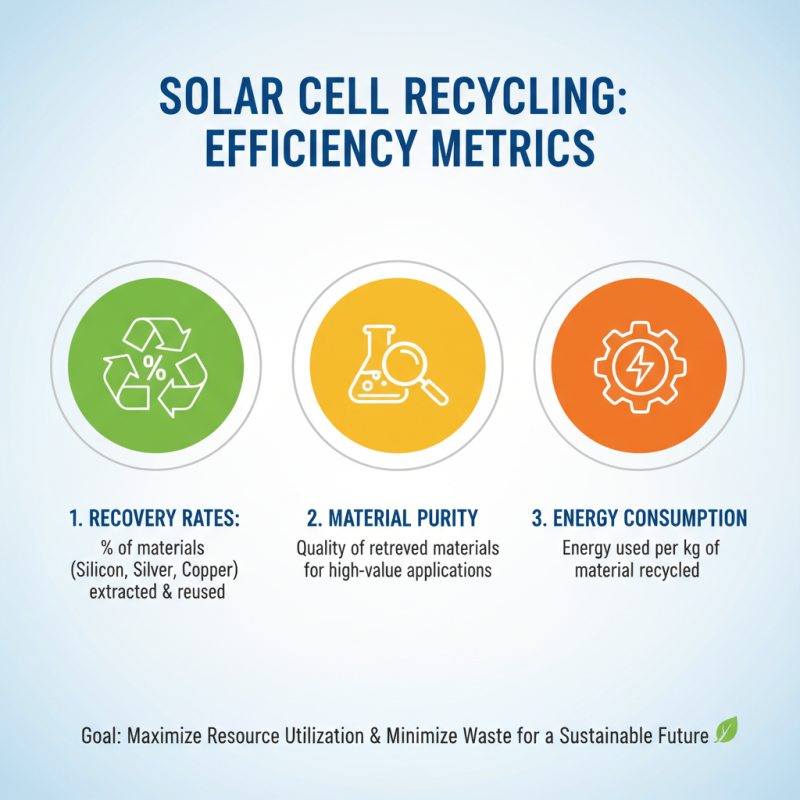
Efficiency Metrics in Solar Cell Recycling Processes
Efficiency metrics play a crucial role in assessing the effectiveness of solar cell recycling processes. These metrics help in determining how effectively materials from end-of-life solar panels can be recovered and reused, thus minimizing waste and maximizing resource utilization. Key indicators include recovery rates, purity of the retrieved materials, and the energy consumption involved in the recycling process. High recovery rates indicate that a significant proportion of valuable materials, such as silicon, silver, and copper, can be extracted and repurposed, which is vital for sustainability in the solar industry.
Furthermore, the purity of recycled materials significantly impacts their reusability in new solar cell production. Ensuring that recovered materials maintain a high level of purity is essential for their integration back into the manufacturing processes. This requires advanced separation techniques that can effectively isolate specific components. Energy efficiency is another critical metric, as it reflects the sustainability of the recycling process itself; lower energy consumption translates into reduced carbon footprints. By optimizing these metrics, researchers and manufacturers can enhance the overall effectiveness of solar cell recycling, contributing to a more circular economy within the renewable energy sector.
Environmental Impact of Solar Cell Waste Management
The environmental impact of solar cell waste management is a pressing issue as the solar industry continues to grow. Solar cells, primarily made from materials such as silicon, metals, and glass, present significant challenges once they reach the end of their lifecycle. Improper disposal can lead to leaching of harmful substances into the soil and water, contributing to environmental pollution. Therefore, effective recycling and waste management strategies are essential to mitigate these impacts.
 A Solar Cell Crushing Separating Machine plays a pivotal role in the recycling process. Designed to break down used solar panels, this machine separates valuable materials like silicon and metals from non-recyclable components. Properly managed recycling not only reduces waste in landfills but also conserves natural resources by recuperating materials that can be reused for new solar cells or other applications. By enhancing the efficiency of recycling processes, we can minimize the ecological footprint associated with solar energy production, align with sustainability goals, and promote a circular economy within the renewable energy sector.
Future Trends in Solar Cell Recycling Technologies
The future of solar cell recycling technologies is poised for significant advancements as the demand for renewable energy continues to rise. One of the primary trends is the enhancement of extraction processes that focus on recovering valuable materials, such as silicon and rare metals, from used solar panels. Innovations in mechanical and chemical separation techniques are being developed to improve efficiency and reduce ecological impact. This shift not only addresses environmental concerns but also promotes a circular economy by minimizing waste and maximizing resource recovery.

Additionally, the integration of automation and artificial intelligence in recycling processes is likely to accelerate. Smart systems can optimize the sorting and processing of materials, increasing throughput while lowering operational costs. Research into new environmentally friendly solvents and methods for material reclamation is also underway, which could enable more sustainable practices in solar cell recycling. As these technologies evolve, they promise to make recycling more viable economically and environmentally, paving the way for a greener future in the solar energy sector.
FAQS
: The primary function of these machines is to efficiently process and recycle used solar panels by breaking them down into manageable pieces and separating valuable materials for reuse.
Key components include a crushing unit with high-strength blades or hammers, a separation system using techniques like air classification or magnetic separation, and a dust collection system to reduce airborne particles.
The crushing unit pulverizes solar panels into smaller pieces, making it easier to process and separate the different components effectively.
The separation system employs various techniques, such as air classification and magnetic separation, to isolate materials like glass, silicon, and metals while preventing cross-contamination.
The dust collection system is vital for maintaining a clean working environment and ensuring the safety of operators by minimizing airborne particles produced during the crushing and separation processes.
These machines contribute to sustainable recycling practices by reducing waste in landfills, conserving natural resources, and minimizing the ecological footprint associated with solar energy production.
Effective recycling recovers valuable materials that can be reused in the production of new solar cells or other applications, thus conserving natural resources.
Improper disposal can result in the leaching of harmful substances into soil and water, leading to environmental pollution, which makes effective recycling and waste management essential.
By enhancing the efficiency of recycling processes, these machines support a circular economy by ensuring that materials are reused rather than discarded, thus aligning with sustainability goals.
Proper waste management is crucial to mitigate the environmental impacts of solar cell waste, ensuring that valuable materials are recovered and harmful substances do not contaminate the environment.
Conclusion
A Solar Cell Crushing Separating Machine is a crucial innovation in the solar industry, designed to efficiently recycle and process used solar panels. This machine plays a vital role in the recycling landscape, as the number of retired solar cells increases. By crushing and separating the various components of solar cells, it contributes to the recovery of valuable materials while minimizing waste.
The functioning of solar cell crushing separating machines involves several key components, ensuring high efficiency in the recycling process. Not only do they enhance the overall sustainability of solar energy systems, but they also mitigate the environmental impacts associated with solar cell waste management. As technology advances, future trends will likely focus on improving the efficiency metrics and effectiveness of these machines, paving the way for a greener solar industry.