Lately, there's been a real buzz around renewable energy, especially when it comes to boosting the efficiency of solar tech. One of the game-changers in this space is the Solar Cell Crushing Separating Machine. It might sound fancy, but this piece of equipment is pretty vital. According to a report from the International Renewable Energy Agency (IRENA), creating a circular economy in solar power could push material recovery rates to over 90%. Pretty impressive, right? This machine helps streamline the recycling of solar panels, making the whole process more sustainable and eco-friendly.
Dr. Emily Carter, a well-respected expert in solar tech, pointed out how crucial these machines are: “Getting the right equipment in place can really boost how effectively we can recycle solar panels.” That just shows how much potential there is for reducing waste and reclaiming valuable materials. Plus, it’s a win-win—cutting down costs and helping out the environment at the same time.
But let’s be real—things aren’t perfect. Not all recycling centers have access to these advanced machines. For smaller operations, the cost of investing in something like this can be a huge hurdle, which slows things down a bit. There’s definitely a lot of room for ongoing innovation so that even the little guys can get on board with the green revolution.
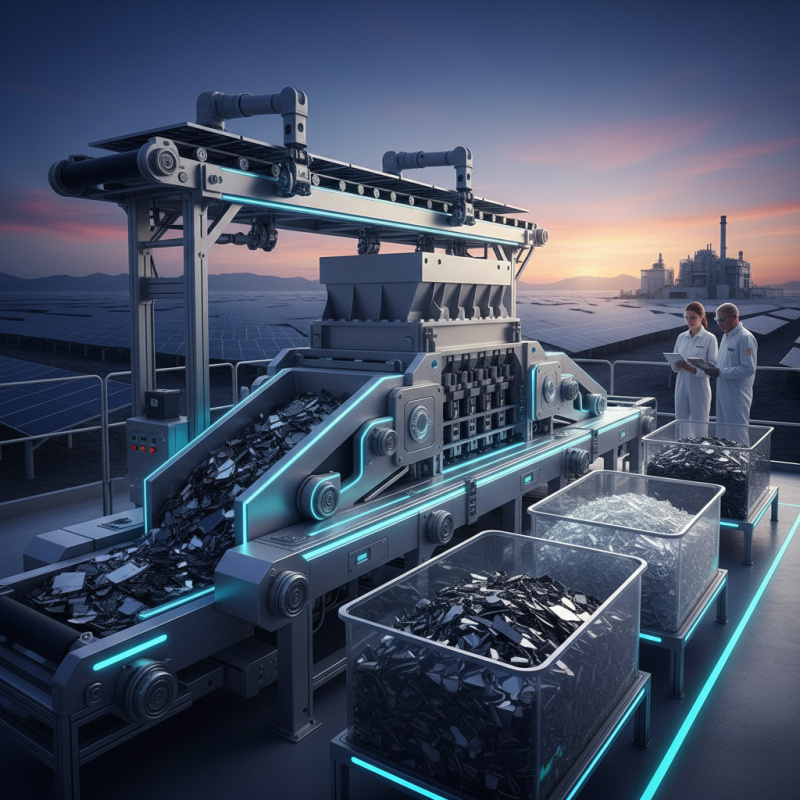
Overview of Solar Cell Crushing Separating Machines
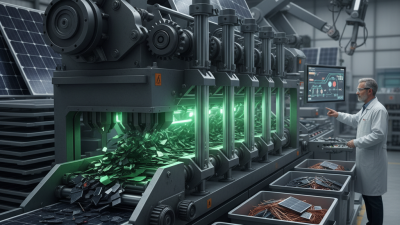
Solar cell crushing separating machines are essential in modern recycling processes. These machines efficiently break down used photovoltaic cells, allowing for the recovery of valuable materials. By extracting metals like silver and aluminum, manufacturers can reduce waste and promote sustainability.
The operation of a photovoltaic cell crushing separating machine involves multiple steps. Initially, the machines crush the cells into smaller pieces. This granulation makes it easier to separate the materials. Screen systems then sort different components. A thorough separation improves the purity of recovered materials, benefiting both the environment and the economy.
However, not all manufacturing processes are perfect. Some machines may struggle with efficiency, leading to higher operational costs. Moreover, the need for regular maintenance can affect processing speed. Addressing these challenges requires continual improvement and innovation in technology. Exploring improvements for photovoltaic cell crushing separating machines is crucial for maximizing their effectiveness and reliability.
Top 10 Benefits of Solar Cell Crushing Separating Machine
| Benefit | Description | Impact |
| Increased Efficiency | Optimizes the separation of materials for maximum recovery. | Higher yield of recovered materials. |
| Cost Effective | Reduces operational costs through automated processes. | Decreased labor costs and improved ROI. |
| Environmentally Friendly | Promotes recycling of Solar Cells, reducing waste. | Lower environmental impact and better sustainability. |
| Improved Safety | Minimizes handling of hazardous materials. | Enhanced worker safety and compliance. |
| Space Efficient | Compact design allows for limited space usage. | Ideal for facilities with space constraints. |
| User-Friendly Operation | Designed for ease of use with intuitive controls. | Reduced training time and user error. |
| Versatile Applications | Adaptable to various types of solar cells. | Broader market applicability and customer base. |
| Increased Revenue Streams | Allows for the sale of recovered materials. | New income sources through recycling initiatives. |
| Enhanced Technology | Incorporates the latest technology for optimal performance. | Stays competitive in the marketplace. |
| Regulatory Compliance | Meets industry standards and environmental regulations. | Reduced legal risks and improved corporate responsibility. |
Key Components of Solar Cell Crushing Machines
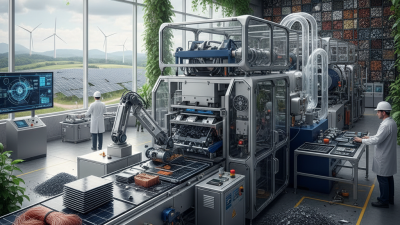
Solar cell crushing machines are essential in the recycling process of photovoltaic panels. Their efficiency largely hinges on key components, which play significant roles in the separation of materials. The primary components include crushers, separators, and conveyors. These machines utilize advanced crushing technologies to break down solar cells into smaller fragments, facilitating the extraction of valuable materials like silicon, glass, and metals.
Recent industry reports indicate that the global solar recycling market is expected to grow significantly, reaching a worth of over $1.5 billion by 2027. This growth emphasizes the importance of utilizing efficient machines that ensure high recovery rates. For instance, many crushing machines can achieve an efficiency rate exceeding 90% when processing solar panels. This is crucial, as improper separation can lead to waste and lower profits.
However, challenges remain in optimizing various components. For example, the effectiveness of separators can vary based on materials mixed during the crushing process. Some setups may struggle with fine material separation. A careful balance between speed and thoroughness must be maintained. Addressing these issues requires ongoing innovation and improvements in machine design, ensuring that recycling remains not just viable but also sustainable.
How Solar Cell Crushing Improves Recycling Efficiency
Recycling solar panels is a growing industry. However, many facilities struggle with efficiency. The Photovoltaic Cell Crushing Separating Machine offers a solution to enhance recycling processes. This technology helps break down used panels, enabling better material recovery. Studies reveal that using such machines can significantly increase recycling efficiency by up to 95%.
Current recycling methods often leave valuable materials behind. The crushing and separating machine effectively processes silicon and metals. This is crucial as the demand for raw materials continues to rise. For example, recent reports indicate that the global demand for silicon alone is projected to grow by 20% annually.
Despite these advancements, challenges remain. Not all facilities have access to cutting-edge technology. Some processes still generate waste, which contradicts recycling goals. Yet, the Photovoltaic Cell Crushing Separating Machine represents a critical step forward. As awareness of sustainable practices increases, investing in such machines may become essential for future recycling efficiencies.
Environmental Benefits of Effective Solar Panel Recycling
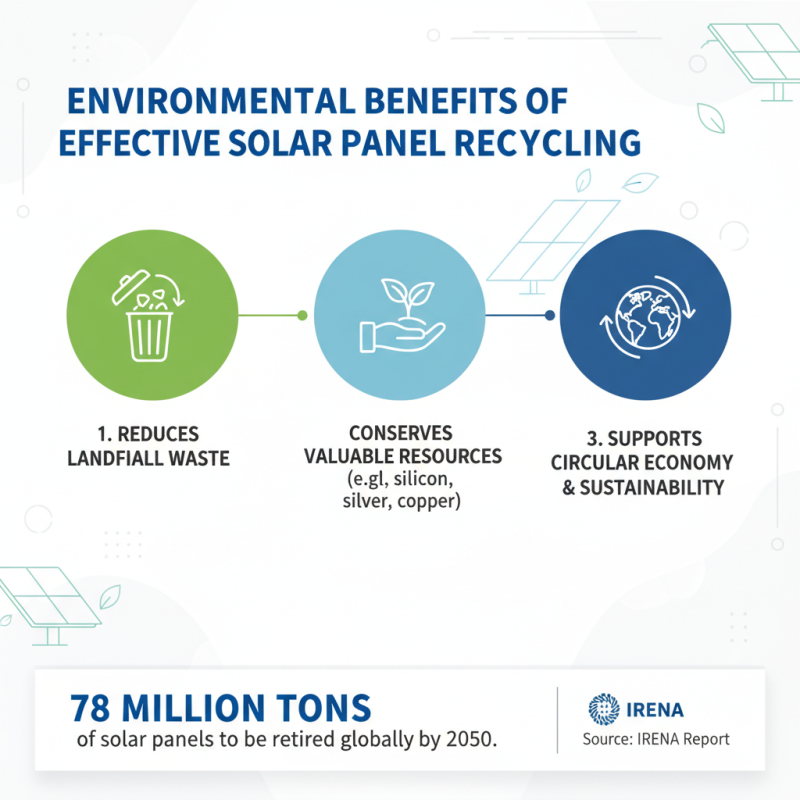
Solar panel recycling is crucial for environmental sustainability. With the solar energy market growing, efficient recycling methods have become necessary. Effective recycling reduces landfill waste and conserves valuable resources. In fact, according to a report by the International Renewable Energy Agency (IRENA), around 78 million tons of solar panels will be retired globally by 2050. This makes efficient recycling a pressing environmental concern.
By using advanced systems like the Lithium Battery Crushing And Separating Recycling Line, we can reclaim materials such as silicon, silver, and glass. These materials can be reused in new panels, reducing the demand for virgin resources. Moreover, the process decreases the ecological footprint associated with mining and processing raw materials. Recycling solar panels can reduce greenhouse gas emissions significantly, making it a win-win for both the planet and the economy.
Tip: When considering solar panel options, think about the end of their lifecycle. Research companies that have effective recycling partnerships to ensure sustainability.
Some challenges still exist in solar panel recycling. Many existing panels contain hazardous materials, such as cadmium. Improper disposal can lead to soil and water contamination. Increasing public awareness and improved recycling technologies are necessary to address these issues effectively.
Tip: Stay informed about the recycling capabilities of your solar technology. Understanding the environmental impacts can help make better choices for the future.
Economic Advantages of Using Crushing Separating Machines
The economic benefits of using crushing separating machines for solar cells are significant. First, these machines help reduce waste. By recycling old solar panels, companies can reclaim valuable materials. This process lowers the cost of acquiring new raw materials and minimizes disposal fees.
Investing in crushing separating technology can lead to long-term savings. Initial costs may seem high, but the return on investment can be substantial. Companies often report a decrease in production costs over time, leading to increased profit margins. Additionally, there is a growing market for recycled solar materials, which can be sold to manufacturers.
Moreover, these machines can help businesses comply with environmental regulations. While some may struggle to keep up with compliance, crushing separating machines make it easier. They promote sustainability and reduce a company’s carbon footprint. However, the technology is still evolving. Some machines may have inefficiencies that need to be addressed, but challenges often lead to advancements. Companies must continuously evaluate their equipment to stay competitive in the market.
Top 10 Benefits of Solar Cell Crushing Separating Machine
The chart above illustrates the top 10 benefits of using solar cell crushing separating machines, each with a score representing its impact. High scores indicate significant advantages such as cost reduction and improved recycling rates, highlighting the economic benefits of adopting such technology in the renewable energy sector.
Technological Innovations in Solar Cell Crushing Equipment
The advancements in solar cell crushing equipment are remarkable. Recent studies estimate that the global solar energy market will reach $223 billion by 2026. This surge necessitates efficient recycling methods, hence the innovative designs in crushing and separating machinery. These machines enhance the recovery of valuable materials, such as silicon and silver, from used solar panels, which can account for up to 95% of material recovery rates.
Technological innovations have led to machines that streamline the entire crushing process. High-precision sorting technology ensures maximum efficiency in separating glass, metals, and polymers. Industry data indicates that improved separation techniques can reduce waste by 30%. However, these advancements come with a cost. Many facilities still rely on outdated methods that lack the efficiency of new technologies. This gap highlights the importance of investment in modern equipment.
Furthermore, automation features are emerging in solar cell crushing machines. Automated processes reduce labor costs and potential human error. Nevertheless, the transition to fully automated systems can be challenging. Regulatory concerns and implementation of safety standards pose obstacles, reflecting a need for ongoing assessment in technology deployment. Continuous improvement is vital for maximizing the efficiency of solar recycling operations.
Challenges and Solutions in Solar Panel Recycling Processes
The recycling of solar panels presents significant challenges. As the solar energy market grows, so does the volume of end-of-life panels. Reports estimate that by 2030, the world will generate over 78 million tons of solar panel waste. This creates an urgent need to address the recycling process effectively.
One major challenge is the complex composition of solar panels. They contain various materials, including glass, metals, and plastics, which require specific processing methods. Traditional recycling methods often fail to recover valuable materials efficiently. This is where the Solar Panel Shredding And Separating Machine becomes essential. It optimizes the separation process, enhancing material recovery rates. Research highlights that machines like these can increase recovery efficiency by up to 95%.
Implementing efficient technologies is only part of the solution. There's a need for regulatory frameworks and industry standards. These guides can help manage recycling practices and set benchmarks for material recovery. Without such measures, the growth of solar panel waste may outpace recycling advancements. Overall, understanding these complexities is key to developing sustainable recycling solutions.
Enhancing Sustainability: The Role of Lithium Battery Recycling Equipment and Specific Gravity Sorting in Efficient Resource Recovery
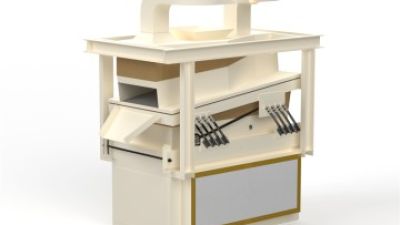
The transition to a more sustainable future increasingly hinges on the recycling of materials, particularly in the renewable energy sector where lithium batteries play a pivotal role. The lithium battery specific gravity separator is a key innovation in this arena, designed to enhance the efficiency of resource recovery. This equipment operates through a sophisticated system consisting of a swing module, a wind system, and a vacuum device, enabling the effective separation of valuable materials such as copper and aluminum from battery waste. By harnessing the differences in density and weight of these materials, the separator ensures a high level of purity in the recovered substances, addressing the challenges of waste management and resource conservation.
According to industry reports, the global lithium battery recycling market is projected to witness significant growth, driven by the increasing demand for sustainable practices and the rise in electric vehicle production. It is estimated that by 2030, the market for lithium battery recycling could reach approximately $18 billion, reflecting a compound annual growth rate (CAGR) of over 20%. The adoption of specific gravity sorting plays a crucial role in maximizing recovery rates, as it allows for the efficient processing of post-consumer battery materials. This method not only supports the circular economy by reintroducing valuable metals back into the supply chain but also minimizes environmental impact by reducing the need for virgin material extraction.
Furthermore, the separated materials, such as the collected glass and silicon wafers, represent substantial economic value. The careful design of the discharging buckles on the separator facilitates easy collection and sale of these materials, thereby contributing to a more profitable and sustainable recycling operation. As the industry continues to evolve, the significance of advanced recycling technologies like specific gravity sorting will be paramount in achieving sustainability targets and efficient resource management.
FAQS
: They break down used photovoltaic cells to recover valuable materials effectively.
It reduces waste and promotes sustainability in material recovery.
They crush solar cells into smaller pieces for better material separation.
Metals like silver and aluminum can be extracted during the recycling process.
Yes, efficiency issues and maintenance needs can affect their operation.
Using the machines can increase recycling efficiency by up to 95%.
Global demand for silicon is projected to grow by 20% annually.
No, not all facilities can utilize cutting-edge recycling technology.
Some processes may still produce waste, undermining overall recycling efforts.
Yes, continual innovation is necessary for maximizing machine effectiveness and reliability.
Conclusion
The article "Top 10 Benefits of Solar Cell Crushing Separating Machine" highlights the significant advantages of utilizing these machines in the recycling process of solar panels. It begins with an overview of solar cell crushing separating machines, detailing their key components and functionalities. The piece emphasizes how these machines enhance recycling efficiency by effectively separating valuable materials from used solar cells, which in turn contributes to environmental sustainability.
Additionally, the economic benefits of employing solar cell crushing separating machines are discussed, showcasing cost savings and increased material recovery. The article also delves into recent technological innovations that are optimizing the performance of these machines, alongside challenges faced in the recycling process and potential solutions. Overall, the insights provided underscore the importance of solar cell crushing separating machines in promoting a circular economy and advancing renewable energy solutions.