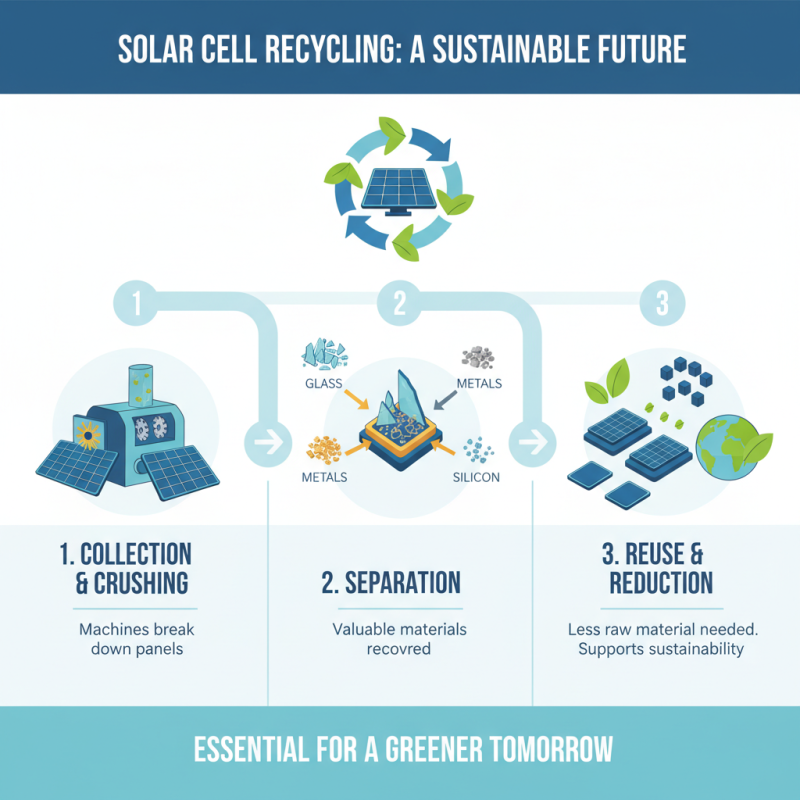
The 'Solar Cell Crushing Separating Machine' is pretty much a game-changer when it comes to recycling old solar panels and reusing valuable materials. As Dr. Emily Johnson, a renewable energy expert, always points out, 'Efficient recycling is absolutely essential if we want a sustainable future for Solar Energy.' This machine does a vital job—breaking down those solar cells and sorting out the different parts efficiently.
With more and more folks switching to solar power, the need for good recycling tech has really taken off. Companies like GreenTech Innovations are pouring resources into developing smarter, more advanced machines. Their Solar Cell Crushing Separating Machine uses state-of-the-art methods to get the most out of recycled materials while also being eco-friendly. Still, it’s not all perfect—there are some hurdles to overcome, especially when it comes to making these machines work even better.
A lot of machines out there just aren’t hitting the mark in separating everything perfectly. The tech is always improving, but let’s be honest—perfection is still a bit of a moving target. Industry folks need to keep pushing the envelope, finding new ways to fix these issues. All in all, The Solar Cell Crushing Separating Machine is a pretty important piece of the puzzle—helping us move toward a greener, more sustainable future.
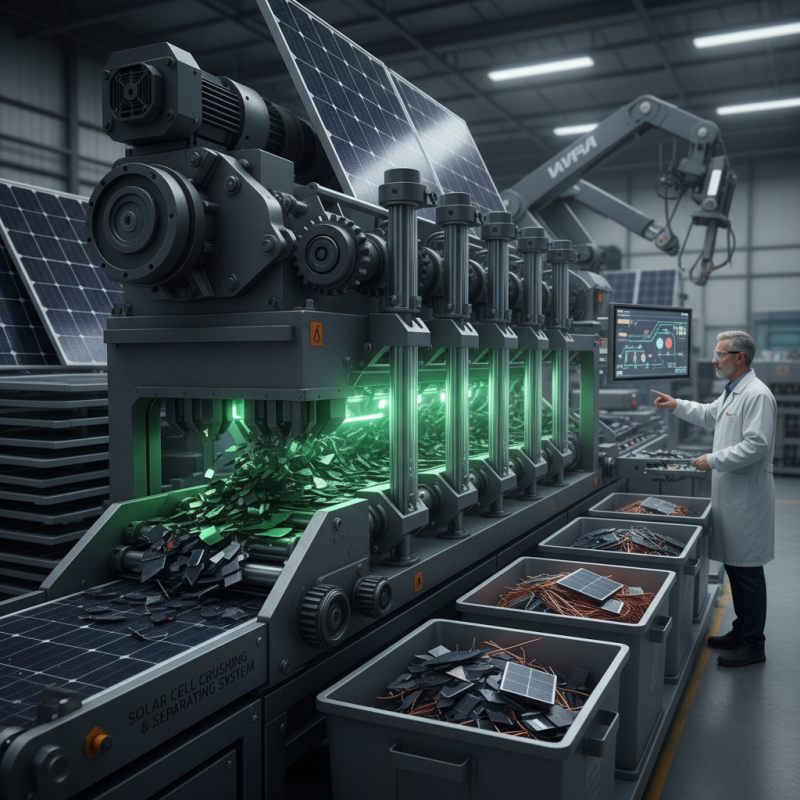
What is a Solar Cell Crushing Separating Machine?
What is a Solar Cell Crushing Separating Machine? This machine is designed to process used solar panels efficiently. It plays a crucial role in recycling solar cells, promoting sustainability in the renewable energy sector. According to a recent report by the International Renewable Energy Agency (IRENA), about 78 million tons of solar panel waste is expected by 2050. This highlights the urgent need for proper recycling methods.
The crushing separating machine works by breaking down solar panels into smaller pieces. These components are then sorted, allowing valuable materials like silicon, glass, and metals to be recovered. This process reduces landfill waste and conserves natural resources. However, inefficiencies can arise if machines are not maintained properly or if the sorting mechanism is outdated. Regular checks are essential to prevent these issues.
Tips: Ensure that the crushing process is optimized to reduce material loss. Train staff on best practices to enhance efficiency. Regular updates on technology can improve overall output, making the recycling process more effective. Keeping a close eye on these aspects can lead to better recovery rates and lower operational costs.
The Importance of Solar Cell Recycling
Recycling solar cells is crucial for sustainability. As the world shifts towards renewable energy, managing end-of-life solar panels becomes essential. Solar cell recycling reduces waste, conserves resources, and minimizes environmental harm. Each discarded panel contains valuable materials like silicon and metals that can be reused.
However, many solar panels end up in landfills. This is a concern, as toxic materials can leach into the soil and water. Properly crushing and separating solar cells can help recover these resources. Specialized machines can efficiently extract valuable components, contributing to a circular economy. This process not only protects the environment but also strengthens the resource supply chain.
Tips: Consider local recycling programs for solar panels. Educate others about the importance of recycling solar technology. Businesses should invest in eco-friendly solutions. Addressing solar waste is a shared responsibility. It starts with awareness and action from everyone.
Overview of Solar Cell Materials and Structure
A solar cell is a device that converts sunlight into electricity. These cells consist of several layers of materials. The primary component is silicon, which is abundant and efficient. Silicon solar cells account for over 90% of the market share. They are composed mainly of crystalline silicon and thin-film technologies. Crystalline silicon has higher efficiency but comes at a higher production cost.
Thin-film solar cells, made from materials like cadmium telluride, offer flexibility and lighter weight. They are useful for applications where space is limited. However, their lower efficiency, around 10-12%, presents challenges. Reports indicate that the global market for solar technology could exceed $300 billion by 2026, driven by policy shifts and a push for clean energy.
Despite these advancements, challenges remain. Recycling materials from old solar panels is crucial. For example, less than 20% of solar panels are currently recycled effectively. This raises concerns about waste management in the industry. Innovations such as solar cell crushing separating machines may enhance recovery rates. These machines can break down solar panels into reusable components, maximizing resource efficiency. This area needs more focus to achieve sustainability in solar technology.
How the Crushing Process Works in Solar Cell Separation
The crushing process in solar cell separation is fascinating. It involves the careful dismantling of solar panels to extract valuable components. This process is crucial for recycling.
During crushing, panels are fed into a machine that uses mechanical force. The machine fractures the glass and breaks the silicon cells. These materials can then be sorted for reuse. However, operators must ensure safety. Flying debris can be hazardous. Protective gear is a must.
Tips: Keep the workspace organized. This can prevent accidents. Regular maintenance of the machine is important too. A well-maintained machine ensures better efficiency. Always observe the crushing process. Monitoring can help refine techniques.
The separation requires precision. Sometimes, the process may not be perfect. Misalignment can lead to waste. It’s a learning curve, and each attempt offers insights. Operators should reflect on their methods and outcomes.
Key Technologies Used in Crushing and Separating Machines
Solar cell crushing and separating machines are crucial in the recycling industry. They help recover valuable materials from old or broken solar panels. The process involves the crushing of solar cells into smaller pieces. This makes separating materials like silicon, glass, and metals easier. The efficiency of these machines significantly impacts the recycling rates.
Key technologies are at play in these machines. For instance, advanced grinding techniques help achieve a finer crush. This allows for a more thorough separation of materials. According to the International Renewable Energy Agency, about 78 million tons of solar panel waste will emerge by 2030. Efficient crushing and separating systems can address this growing challenge. Moreover, sensor-based sorting technology improves material recovery. This enhances the value extracted from each panel.
However, the industry faces challenges. Some machines may not separate materials effectively. This often leads to contamination, influencing the overall recycling rates. Further development in technology is needed. Innovations are necessary to boost effectiveness and reduce waste. Hence, while progress is evident, reflection on current practices is essential.
Performance of Solar Cell Crushing and Separating Machines
This bar chart represents important performance metrics of solar cell crushing and separating machines, showcasing their efficiency, cost, operating time, and maintenance frequency. These metrics are crucial for evaluating the effectiveness and economic viability of such machines in the recycling process.
Efficiency and Environmental Impact of Recycling Solar Cells
The recycling of solar cells is essential for a sustainable future. Solar cell crushing separating machines play a significant role in this process. They efficiently break down solar panels, allowing valuable materials to be recovered. Glass, metals, and silicon can be separated and reused. This reduces the need for new raw materials.
The environmental impact of recycling solar cells cannot be ignored. Improper disposal leads to toxic substances leaching into the soil. By recycling, we minimize waste and conserve resources. It also helps lower carbon emissions associated with producing new materials.
**Tips:** Consider what happens to your solar panels when they reach the end of their life. Research effective recycling options in your area. Remember, recycling not only protects the environment but also supports a circular economy.
Future Trends in Solar Cell Recycling Technologies
The solar cell crushing separating machine plays a crucial role in recycling. As the world shifts towards renewable energy, recycling technologies emerge as a necessity. This machine efficiently breaks down old solar panels. It separates the silicon, metals, and glass. Each material can be reused, reducing waste in landfills.
Future trends in solar cell recycling focus on efficiency and sustainability. Innovative methods are being developed to enhance separation processes. Advances in automation could speed up recycling, minimizing labor costs. Some companies are exploring chemical processes to recover materials more effectively. However, challenges remain. For instance, the economic feasibility of these methods is still under discussion.
There is also a growing emphasis on circular economies. This concept encourages designing products for longevity and recyclability. Educating consumers about recycling is essential. Many people are unaware of how to recycle solar panels. As technologies progress, the recycling industry must adapt. The future looks promising, but obstacles linger. Clear strategies are needed to make recycling more accessible.
FAQS
: The product enhances daily routines. It aims to simplify tasks and improve efficiency in everyday life.
Follow the instructions provided in the manual. Proper usage leads to better results and user satisfaction.
Yes, this product is not suitable for children. Adults should supervise any use by younger individuals.
Some variations are designed for outdoors. Check the specific features before using it outside.
Refer to the troubleshooting guide. If problems persist, consider reaching out to customer support for assistance.
Yes, a warranty is often included. Make sure to register your product to activate the warranty coverage appropriately.
Yes, multiple users can benefit from this product. However, personal adjustments may be needed for optimal use.
Regular cleaning is advised. Use a damp cloth and avoid harsh chemicals to maintain its longevity.
Consider the return policy. Feedback is valuable, so share your thoughts for potential improvements.
Yes, following safety guidelines is crucial. Read the warnings and ensure a safe user environment to avoid accidents.
Conclusion
The "Solar Cell Crushing Separating Machine" plays a crucial role in the recycling of solar cells, which is essential for sustainable energy practices. As the demand for solar energy continues to rise, so does the need for efficient recycling processes to handle the materials used in solar cells. This machine effectively crushes and separates various components of photovoltaic cells, enabling the recovery of valuable materials like silicon, metals, and glass.
Understanding the materials and structure of solar cells, coupled with advancements in crushing techniques, enhances recycling efficiency and reduces environmental impact. Future trends indicate continuous improvements in these technologies, aiming for more effective recovery methods and increased sustainability in solar panel lifecycle management. The evolution of the Solar Cell Crushing Separating Machine reflects the growing importance of responsible recycling practices in the renewable energy sector.