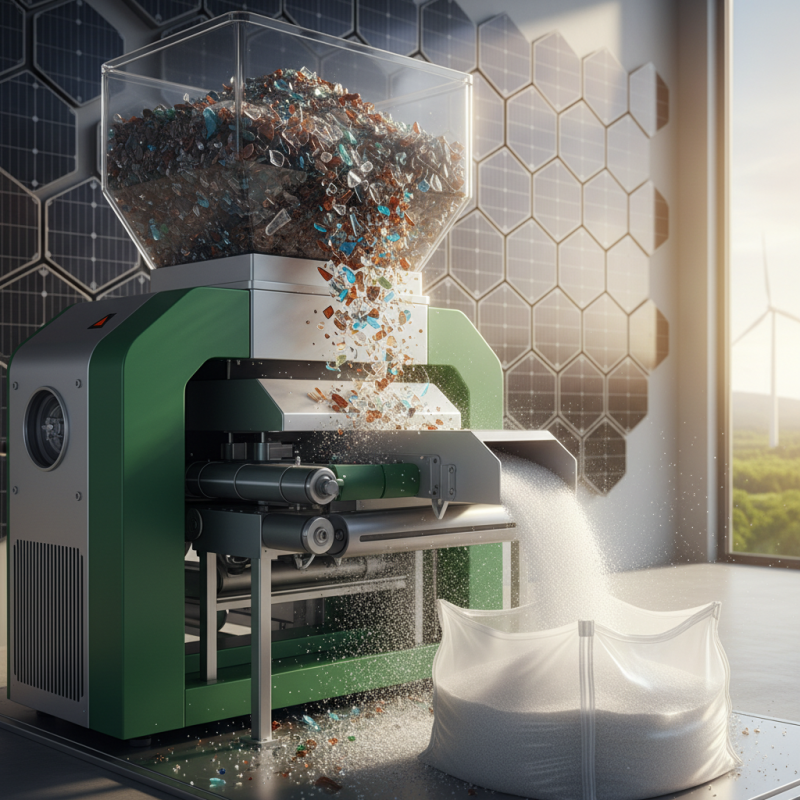
You know, recycling glass particles is really catching on as a green solution that’s good for our planet. More and more companies are coming up with creative ways to turn Glass Waste into something useful. It’s not just about saving natural resources—it's also about cutting down the amount of stuff that ends up in landfills. A pretty exciting example of this is theSolar Panel Glass Particle Recycling Machine.
Overview of Glass Particle Recycling and Its Importance
Recycling glass particlesis crucial for a sustainable future. The Glass Recycling industry is growing, with approximately80% of recycled glass being used in new products. This reduces energy consumption by up to 30% compared to using raw materials. Additionally, recycling glass diminishes landfill waste, with nearly 12 million tons of glass discarded annually.
The importance of glass particle recycling is highlighted by its environmental benefits. Recycled glass can save significant resources, including water and raw materials. For instance, every ton of recycled glass saves 1.3 tons of natural resources.
However, challenges persist. Contamination during collection can lead to decreased quality, affecting the recycling rates. It’s crucial for communities to educate residents on proper disposal methods to maintain high recycling standards.
Sustainable practices in glass recycling need constant refinement. With technological advancements, efficiency in processing helps address some existing issues.
Methods for Collecting Glass Waste Efficiently
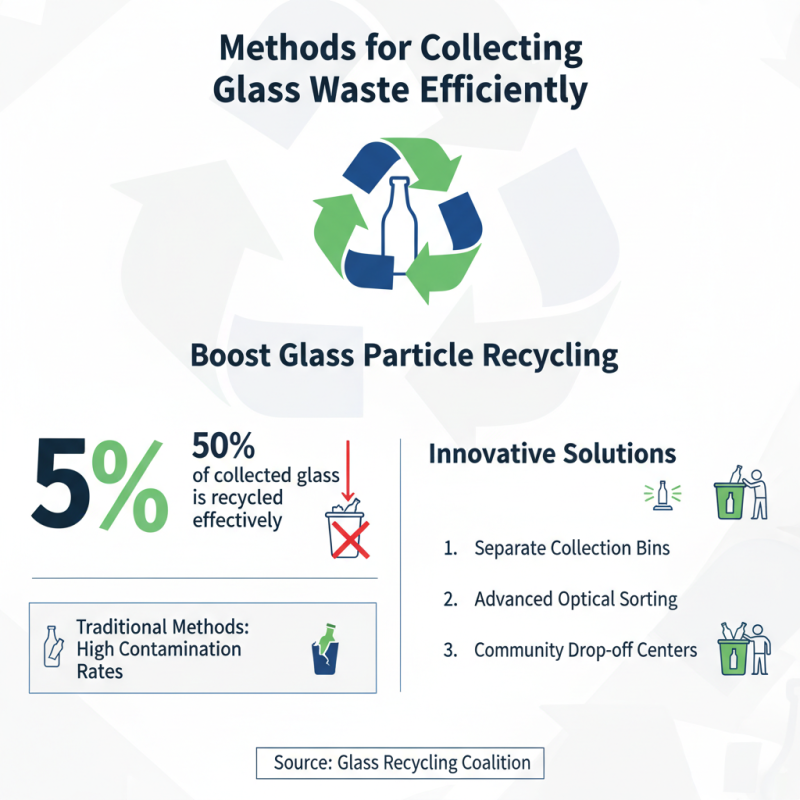
Collecting glass waste efficiently is integral to promoting Glass Particle recycling. Traditional methods often fall short due to high contamination rates. Interestingly, only 50% of collected glass is recycled effectively, according to the Glass Recycling Coalition. This raises concerns about our current waste management practices.
Innovative collection techniques are emerging to address these inefficiencies. For instance, automated sorting technologies have improved accuracy. Some systems can distinguish glass from other materials at a high speed, significantly reducing contamination. Reports indicate that using such technology can boost recycling rates by up to 30%. Additionally, community initiatives play a crucial role in raising awareness about proper glass disposal.
However, challenges remain. Not all regions have access to advanced recycling facilities. Rural areas often lack the infrastructure to collect glass waste efficiently. This can lead to environmental issues, as disposed glass can take thousands of years to decompose. A collective effort is necessary to enhance both the collection processes and local participation in glass particle recycling.
Mechanical Processes in Glass Particle Recycling
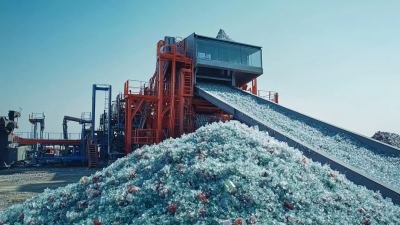
Glass particle recycling offers various mechanical processes that enhance sustainability. One key method is crushing, which reduces glass into manageable pieces. This process is vital in preparing glass for further refinement. According to industry reports, crushed glass can reduce the need for raw materials by up to 30%.
Another significant process is screening, where glass particles are separated based on size. This step ensures uniformity, making recycling much more efficient. Industrial data shows that impurities can decrease the quality of recycled glass. Effective screening can improve recycling rates significantly.
It's important to remember that every recycling method has its challenges. For instance, contamination can lead to increased waste and lower quality products. Investing time and resources in proper sorting and cleaning techniques can mitigate these issues.
Tip: Regularly check the recycling guidelines in your area to stay compliant and informed. Balancing efficiency and quality in glass recycling is crucial for long-term sustainability.
Top 10 Glass Particle Recycling Methods for Sustainable Solutions
This chart illustrates the efficiency percentages of various methods used in glass particle recycling, emphasizing the importance of mechanical processes for sustainable solutions. Each method contributes differently to the recycling outcome, showcasing the diverse approaches being adopted in the industry.
Chemical Methods for Glass Particle Conversion
Chemical methods for glass particle conversion present innovative solutions for recycling. These techniques allow for the transformation of waste glass into usable materials. For instance, thermal treatment can enhance the melting process of glass particles, making them easier to repurpose. According to the Glass Recycling Coalition, only 30% of glass is currently recycled. This highlights a significant opportunity for improvement within the industry.
Another effective method is the use of chemical agents to break down glass into its constituent components. This process can generate raw materials suitable for new glass production or even other applications, such as construction. A recent study published in the Journal of Waste Management reported that chemical recycling can improve recovery rates by up to 50%. Yet, these methods require further refinement. Costs and environmental impacts must be extensively evaluated.
Despite these advancements, several challenges remain. The chemical recycling process can generate hazardous byproducts. Strict regulations govern their disposal. Industry professionals emphasize the need for sustainable practices. Continuous research is crucial to address these concerns and enhance glass recycling methods. Transformation is not just an endpoint; it is part of an ongoing journey towards sustainability.
Innovative Technologies in Glass Recycling
Innovative technologies in glass recycling are transforming how we manage waste. Traditional methods often lead to high energy consumption and waste. New techniques are emerging that focus on efficiency and sustainability. These innovations aim to enhance the process of turning Glass Particle Recycled materials into new products.
One promising approach is the use of advanced sorting systems. These systems utilize sensors and artificial intelligence to identify and separate different types of glass. This method reduces contamination rates, which is crucial for successful recycling. Furthermore, technologies like glass-to-glass recycling show great potential. This method involves processing bottle and jar waste back into raw materials for production. It minimizes the need for new resources.
Yet, challenges remain in scaling these technologies effectively. The infrastructure for collection and processing may lag behind. Many facilities still rely on outdated systems, limiting overall efficiency. As we look towards a more sustainable future, addressing these gaps is essential. Improved systems could significantly increase the volume of glass particle recycled, pushing the industry towards a greener path.
Top 10 Glass Particle Recycling Methods for Sustainable Solutions
| Recycling Method | Efficiency (%) | Energy Consumption (kWh/ton) | Application | Innovative Aspect |
| Mechanical Recycling | 90 | 150 | Container Production | Low energy, high yield |
| Thermal Recycling | 85 | 250 | Glass Fiber Production | Utilizes waste heat |
| Chemical Recycling | 95 | 200 | High-purity Silica | Produces high-quality outputs |
| Biological Recycling | 80 | 100 | Soil Amendment | Utilizes microorganisms |
| Electrochemical Recycling | 88 | 175 | Glass Recycling | Innovative process for decontamination |
| Cryogenic Grinding | 90 | 300 | Fine Glass Powders | Produces ultra-fine materials |
| Optical Sorting | 95 | 50 | Recyclable Material Separation | High precision sorting technology |
| Ultrasonic Cleaning | 80 | 60 | Contaminated Glass | Effective removal of impurities |
| 3D Printing with Recycled Glass | 75 | 120 | Sustainable Design Products | Innovative use of glass waste |
| Hot Melt Recycling | 85 | 400 | Product Rehabilitation | Restoration of damaged products |
Applications of Recycled Glass Particles
Recycled glass particles have gained significant attention for their diverse applications. These materials are not just eco-friendly; they also bring unique functionalities. For instance, they can be used in construction as aggregates in concrete. This mix enhances the concrete's strength while reducing the need for virgin materials. Additionally, incorporating glass particles into asphalt can improve pavement durability. Roads can become more resilient to wear and tear, benefiting from this unique blend.
In the realm of art, recycled glass particles shine a light on creativity. Artists use these particles to create stunning mosaics or sculptures. The vibrant colors and varied textures add a new dimension to their work. Meanwhile, in the landscaping industry, glass particles serve as decorative mulch. This not only reduces waste but also provides a long-lasting aesthetic solution.
Despite these benefits, the recycling process poses challenges. Quality control is essential for applications in food and drink containers. Domain experts continuously explore ways to improve the purity of recycled glass. This remains a topic of discussion in the industry. Experts emphasize the importance of Glass To Glass Recycling, ensuring sustainability remains a top priority. In a world looking for green solutions, the potential of recycled glass particles continues to inspire innovation.
Challenges and Future Directions in Glass Recycling
The recycling of glass poses significant challenges that require urgent attention. One major hurdle is the contamination of glass materials. When glass is mixed with other waste, it complicates the recycling process. This results in lower quality recycled glass. It’s crucial to improve sorting methods to address this issue effectively. Advanced technology may offer solutions, but implementation is still inconsistent across regions.
Another challenge is the economic viability of glass recycling. While glass can be recycled indefinitely, the costs associated with collection and processing often outweigh the benefits. Many facilities struggle to compete with cheaper alternatives. Policymakers need to implement regulations that encourage investment in glass recycling facilities. Community awareness also plays a role in boosting recycling rates. Educating the public on the importance of recycling can lead to better participation.
Future directions in glass recycling must focus on innovation. New methods that enhance the efficiency of recycling processes are needed. For instance, advancements in separating technology could improve the quality of recycled glass. Further research into the recycling of Pv Glass Glass and its specific properties is essential. This material, often seen as challenging to recycle, may hold the key to new sustainable practices. Addressing these challenges will pave the way for a more sustainable future in glass recycling.
Innovative Solutions for Sustainable Energy: The Role of Magnetic Separators in Lithium Battery Recycling
The transition towards sustainable energy solutions is increasingly critical in today's world, particularly in the realm of lithium battery recycling. One of the key technologies facilitating this process is the lithium battery magnetic separator. This advanced device plays a vital role in enhancing the recycling efficiency of lithium batteries by separating magnetic materials from non-magnetic substances. By leveraging the magnetic differences inherent in various materials, these separators ensure that recyclers can effectively extract valuable magnetic particles such as iron and other metals, which are critical for reuse in new battery production.
As material passes through the magnetic field created by the separator, the magnetic particles are drawn to the magnet, while the non-magnetic particles continue on their path with minimal disturbance. This method not only improves the purity of recovered materials but also significantly contributes to reducing waste. The effective sorting process facilitated by magnetic separators not only optimizes resource recovery but also supports environmental conservation efforts by minimizing the need for new raw materials. The implementation of such innovative solutions is essential in making lithium battery recycling more sustainable and efficient, ultimately advancing the broader goal of sustainable energy development.
FAQS
: Only 50% of collected glass is recycled effectively, according to recent studies.
High contamination rates are common with traditional methods, leading to inefficiencies.
Automated sorting technologies can boost recycling rates by up to 30% by reducing contamination.
Community initiatives raise awareness about proper glass disposal and encourage participation in recycling.
Many rural areas lack the infrastructure needed for efficient glass waste collection.
Disposed glass can take thousands of years to decompose in the environment.
Advanced sorting systems using sensors and AI can significantly enhance recycling efficiency.
It processes old bottles and jars back into raw materials, minimizing resource use.
Outdated systems and inadequate infrastructure limit the scaling of innovative recycling technologies.
Improving collection systems and adopting new technologies are essential for a greener future.
Conclusion
Glass particle recycling is a critical process that promotes sustainability by reducing waste and conserving resources. The article outlines various methods for efficient glass waste collection, ensuring that quality materials are available for recycling. It delves into mechanical and chemical processes that facilitate the conversion of glass particles into reusable forms. Additionally, innovative technologies play a significant role in advancing glass recycling practices, enabling the creation of diverse applications for recycled glass particles.
Despite the promising advancements, the article also highlights the challenges in glass particle recycling, including contamination and economic viability. Future directions are discussed, emphasizing the need for continued innovation and collaboration within the industry to enhance recycling efficacy and promote sustainable solutions. Overall, glass particle recycling not only supports environmental goals but also contributes to a circular economy by repurposing materials that would otherwise contribute to landfill waste.