Lately, there’s been a real buzz around sustainable practices in manufacturing, especially when it comes to recycling materials like aluminum. Did you know that, according to the International Aluminum Institute, about 75% of aluminum worldwide is recycled? That’s pretty impressive and shows just how much potential there is for companies to jump on this efficient cycle.
If you're looking to boost your sustainability efforts and also tap into the growing demand for recycled materials, setting up an aluminum recycling plant could be a smart move. Companies like Henan Shanshui Heavy Industry Technology, which started back in 2013, focus on eco-friendly machinery — including advanced lines for recycling waste Solar Panels and lithium batteries.
Investing in a top-notch aluminum recycling plant not only helps support a circular economy but also keeps your business profitable and compliant with environmental rules. It's a win-win, really.
Strategies for Identifying Key Features of an Efficient Aluminium Recycling Plant
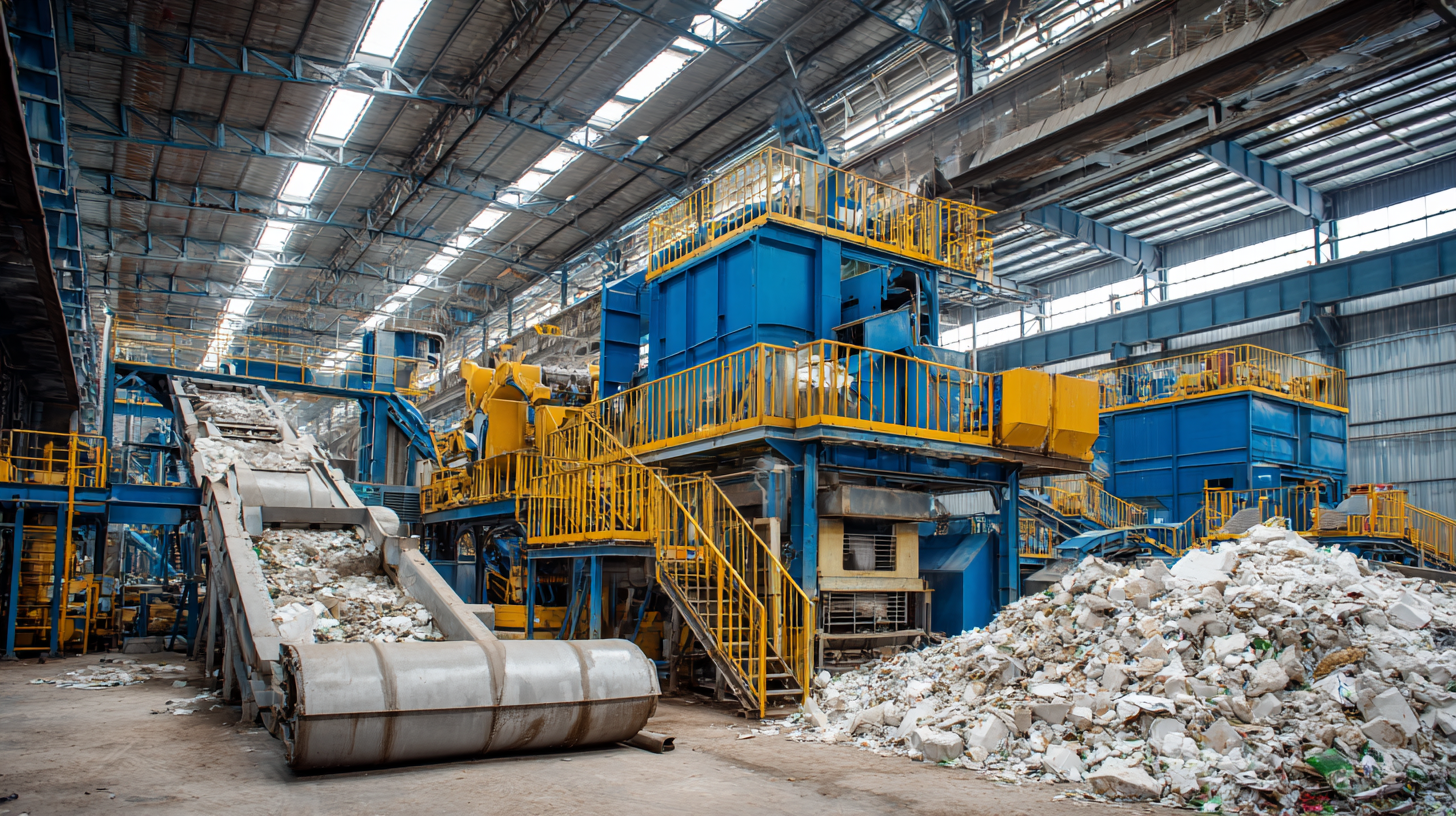
Looking for a really good aluminium recycling plant for your global business? If so, it’s super important to know what features really matter to get the most out of your investment—both in terms of efficiency and being eco-friendly. First off, you wanna check out the technology they use. Modern stuff like automated sorting systems and energy-saving furnaces can make a huge difference. Not only do these techs cut down on energy use, but they also help produce high-quality recycled aluminum—crucial for meeting the growing demands of markets today.
Another thing to keep in mind is how flexible the plant is. For big companies operating worldwide, it’s smart to find a place that can scale up or down depending on how much aluminium waste they have. Having that kind of flexibility means the plant can handle busy times, without falling apart during quieter periods. Plus, a well-designed recycling setup should have solid logistics in place—making sure the flow of materials in and out runs smoothly. That’s key to avoiding unnecessary downtime and keeping costs down. By choosing a plant that combines all these features, you’ll put your business in a great spot to stay ahead in the competitive aluminium recycling game.
Evaluating the Technological Innovations in Aluminium Recycling Processes
In the push for a more sustainable future, tech innovations in aluminum recycling are becoming more and more important for businesses around the world. New methods like hydrometallurgy and pyrolysis are really shaking up the old-school recycling game. They help us recover more material, use less energy, and generally make the whole process more efficient. Plus, the recycled aluminum coming out of these techniques is often better quality, so it can compete with new metal more easily.
Here's a quick tip: it’s smart to keep investments in R&D current—staying up-to-date with the latest tech can give your business a real edge. Partnering up with tech providers is also a good move; they can help you bring in automation and AI for things like better sorting and processing of recyclables. And don’t forget about data—tracking everything in real-time with analytics allows you to fine-tune your processes, saving money and cutting down on environmental impact.
Another exciting development is adopting circular economy principles in aluminum recycling plants. Basically, it’s all about reusing materials and minimizing waste through smart design and clever production methods. Switching to this mindset not only boosts your sustainability stats but also shows your customers that you really care about the planet.
Oh, and here’s a tip: do regular sustainability audits. They’re super helpful for spotting areas where you can upgrade your tech or processes. Taking this proactive approach keeps your operations greener, more compliant with new waste guidelines, and ready for the long haul.
Aluminium Recycling Process Innovations Overview
Understanding Regulatory Compliance and Standards for Recycling Facilities
In today's constantly changing world of recycling, it’s really important for global businesses to understand the rules and standards around operating recycling facilities—especially when it comes to sourcing efficient aluminum recycling plants. These regulations are usually shaped by government efforts to cut down on waste and boost sustainability. Take the EU's Green Deal, for instance—it's a great example of how climate-focused policies are actually changing the way we handle environmental issues. Companies now need to follow new rules related to how resources are managed and waste is reduced. These rules don’t just cover one step; they go through the entire process—from sourcing raw materials to recycling and disposal.
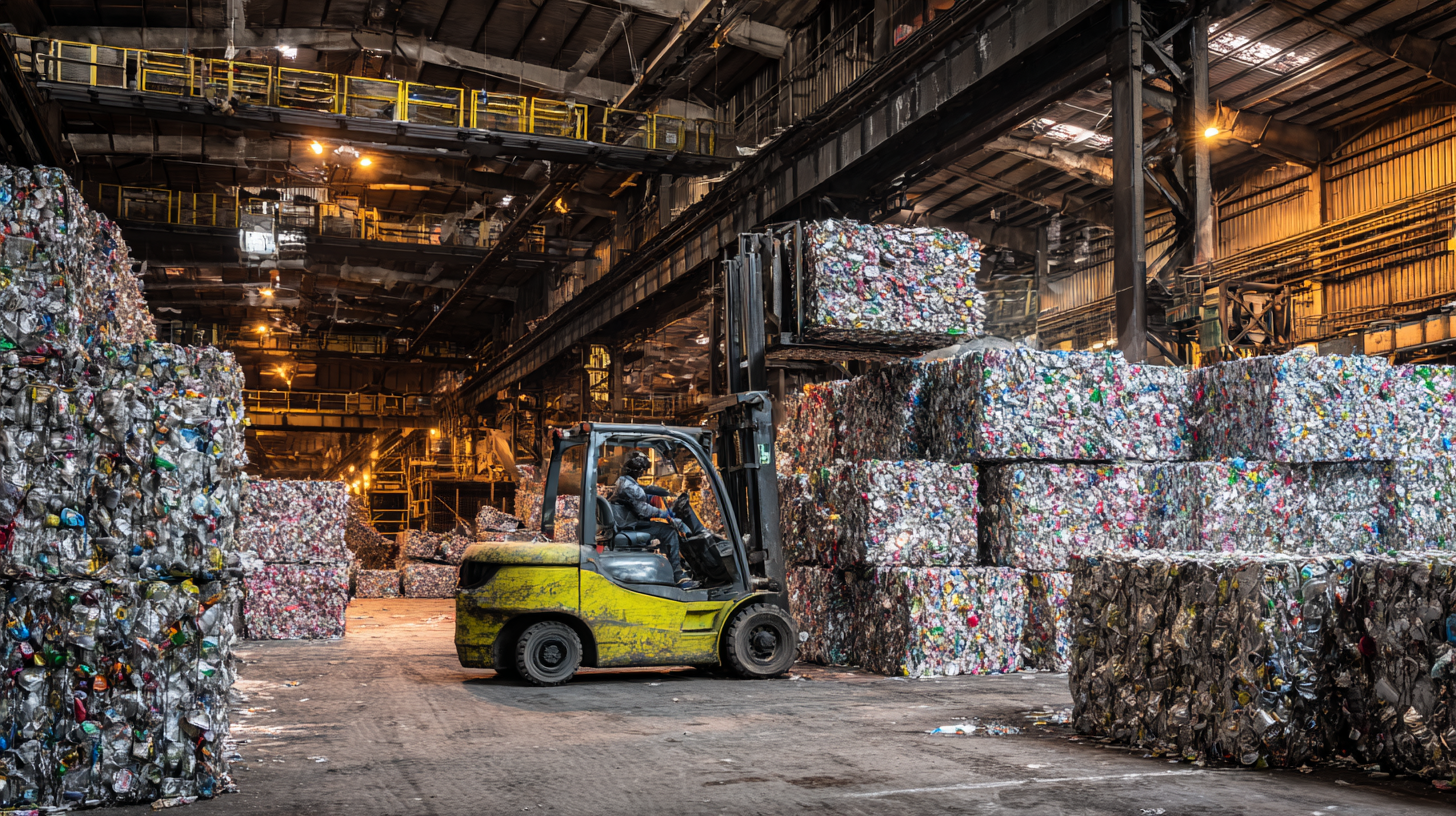
On top of that, as businesses work through all these complicated regulations, they need to keep in mind specific laws like the EU’s Ship Recycling Regulation. This law is all about improving environmental and social standards in ship recycling. It’s not just about rules—these laws also push the industry to get more innovative. By sticking to these compliance requirements, companies can do their part in supporting the circular economy and avoid problems from breaking the rules. As the world moves more towards sustainability, it’s crucial for businesses to stay in the know about these standards if they want to stay competitive and succeed in the long run.
Assessing the Cost-Effectiveness of Aluminium Recycling Plant Options
When you're thinking about whether investing in an aluminium recycling plant is worth it, it’s important to remember that the upfront costs can really impact how much you'll save in the long run. According to the International Aluminium Institute, recycling aluminium can cut energy use by up to 95% compared to making it from scratch. That’s a huge chunk of energy savings, especially for industries where energy costs are a big deal. For example, putting in more efficient recycling machinery might cost more initially, but it can mean lower electricity bills down the line — which obviously helps your bottom line.
On top of that, don’t forget to consider the potential money you can make from selling recycled materials. The Aluminium Association mentioned that the recycled aluminium market is supposed to grow at a rate of about 4.5% annually through 2025. That indicates demand for sustainable aluminium is on the rise. So, refining your recycling process not only helps the environment but also opens up a pretty promising revenue stream. This can give your business a real edge, especially as consumers and markets become more eco-conscious.
Bottom line? It’s all about balancing those initial setup costs with the long-term financial perks. For anyone looking to jump into aluminium recycling — it’s definitely worth doing your homework on both sides of the equation.
Exploring Sustainable Practices in Aluminium Recycling Operations
Lately, there's been a real hop in interest when it comes to sustainable practices in aluminium recycling. People are more aware of environmental issues, and governments are stepping up with rules to cut down carbon footprints. I mean, did you know that, according to the International Aluminium Institute, recycling aluminium can save up to 95% of the energy you'd need to create new aluminium from scratch? That’s a huge difference! Not only does this help cut down greenhouse gases, but it also makes the whole manufacturing process way more eco-friendly.
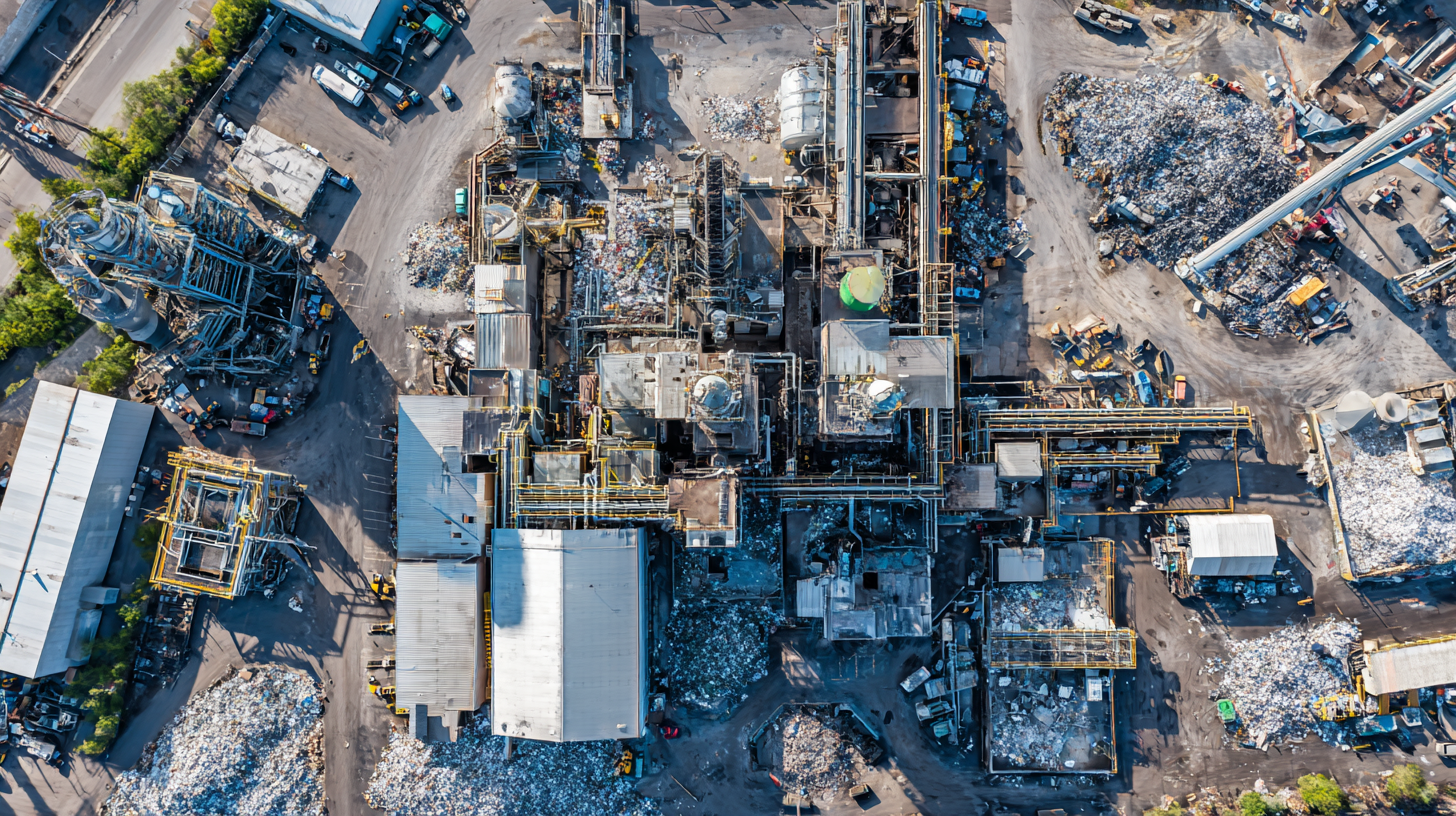
And here's the cool part — if aluminium plants use smarter recycling tech, it gets even better. The Aluminium Association points out that new tech, like advanced separation methods and automated sorting, can boost recovery rates by around 15%. These cool innovations don’t just make the process more efficient; they also produce higher quality recycled materials. That’s super important because manufacturers and regulators are getting pretty strict about standards nowadays. Basically, by investing in top-notch recycling plants, companies around the world aren’t just helping the environment—they’re also staying competitive in a market that’s increasingly all about being green.
Tips for Collaborating with Manufacturers and Suppliers for Your Recycling Plant
When you're looking to set up a really effective aluminum recycling plant, working closely with the right manufacturers and suppliers honestly makes all the difference. A report from the International Aluminum Institute mentions that the global recycling rate for aluminum has climbed to about 75%, which just shows how much recycling is becoming a key part of sustainable practices these days. Partnering with experienced suppliers isn't just about getting the latest tech; it’s also about gaining insights on best practices that can seriously boost your plant’s efficiency.
Building good relationships with manufacturers can help you get top-notch machinery and eco-friendly materials more easily. According to the Global Aluminum Foil Roller Association, investing in modern recycling tech can bump up your production capacity by as much as 40%, which really highlights the tangible benefits of collaborating. Plus, teaming up with local suppliers can cut down on transportation costs and shrink your carbon footprint — a win-win for your bottom line and the environment. At the end of the day, focusing on effective partnerships isn’t just smart business, it also helps make a real difference in the aluminum recycling world.
Ultimate Guide to Sourcing an Efficient Aluminium Recycling Plant for Global Businesses
| Category | Parameter | Value |
| Plant Capacity | Tons per Day | 50 - 100 |
| Energy Consumption | kWh per Ton | 400 - 600 |
| Water Usage | Liters per Ton | 100 - 200 |
| Average Waste Generation | % of Input Material | 10 - 15 |
| Initial Investment Cost | USD | 500,000 - 1,000,000 |
| Return on Investment | Years | 3 - 5 |
| Key Technology | Type | Shredders and Melt Furnaces |
| Market Demand | Tons per Year | 10,000 - 50,000 |
FAQS
: Regulatory compliance for recycling facilities involves adhering to laws and regulations that govern waste management and resource use, which are often shaped by government initiatives aimed at sustainability.
Understanding recycling regulations is crucial for businesses to align with policies that promote sustainability, reduce waste, and ensure they are contributing positively to the circular economy.
The EU's Green Deal and the EU's Ship Recycling Regulation are key examples that dictate environmental and social standards in recycling practices.
Compliance with regulations can compel businesses to adopt new technologies and practices, fostering innovation to meet the growing demand for sustainable solutions.
Collaborating with experienced manufacturers and suppliers can provide access to advanced technology and insights into best practices, which can significantly enhance operational efficiency.
Investments in modern recycling technology can increase production capacity by up to 40%, leading to financial benefits and improved efficiency.
Partnering with local suppliers can reduce transportation costs and minimize carbon footprints, which aligns with global sustainability goals and enhances operational efficiency.
With the global aluminium recycling rate reaching around 75%, it emphasizes the growing importance of recycling and encourages businesses to adopt sustainable practices.
Non-compliance can lead to legal penalties, damage to reputation, and increased operational risks, underscoring the importance of adhering to regulatory standards.
Effective collaboration with suppliers helps in sourcing high-quality machinery and sustainable materials, which supports overall sustainability objectives in the recycling industry.
Conclusion
When it comes to finding sustainable solutions, sourcing a reliable Aluminum Recycling Plant has become more important than ever for businesses around the world. This guide is here to walk you through the key things to look for—like cutting-edge technology and making sure you’re on top of all the regulations. These factors help ensure your operation runs smoothly and efficiently. Plus, taking a close look at different options’ costs versus benefits can really help you make smarter choices—and explore greener practices that boost overall recycling performance.
Partnering up with manufacturers and suppliers is also a big deal. Companies like Henan Shanshui Heavy Industry Technology Co., Ltd. are well-known for their eco-friendly machinery and can offer valuable advice and equipment tailored to your recycling needs. By using these strategies, your business can set up a top-notch Aluminum Recycling Plant that not only ticks all the industry boxes but also plays a part in protecting our planet. It’s all about making smarter choices today for a cleaner, greener tomorrow.