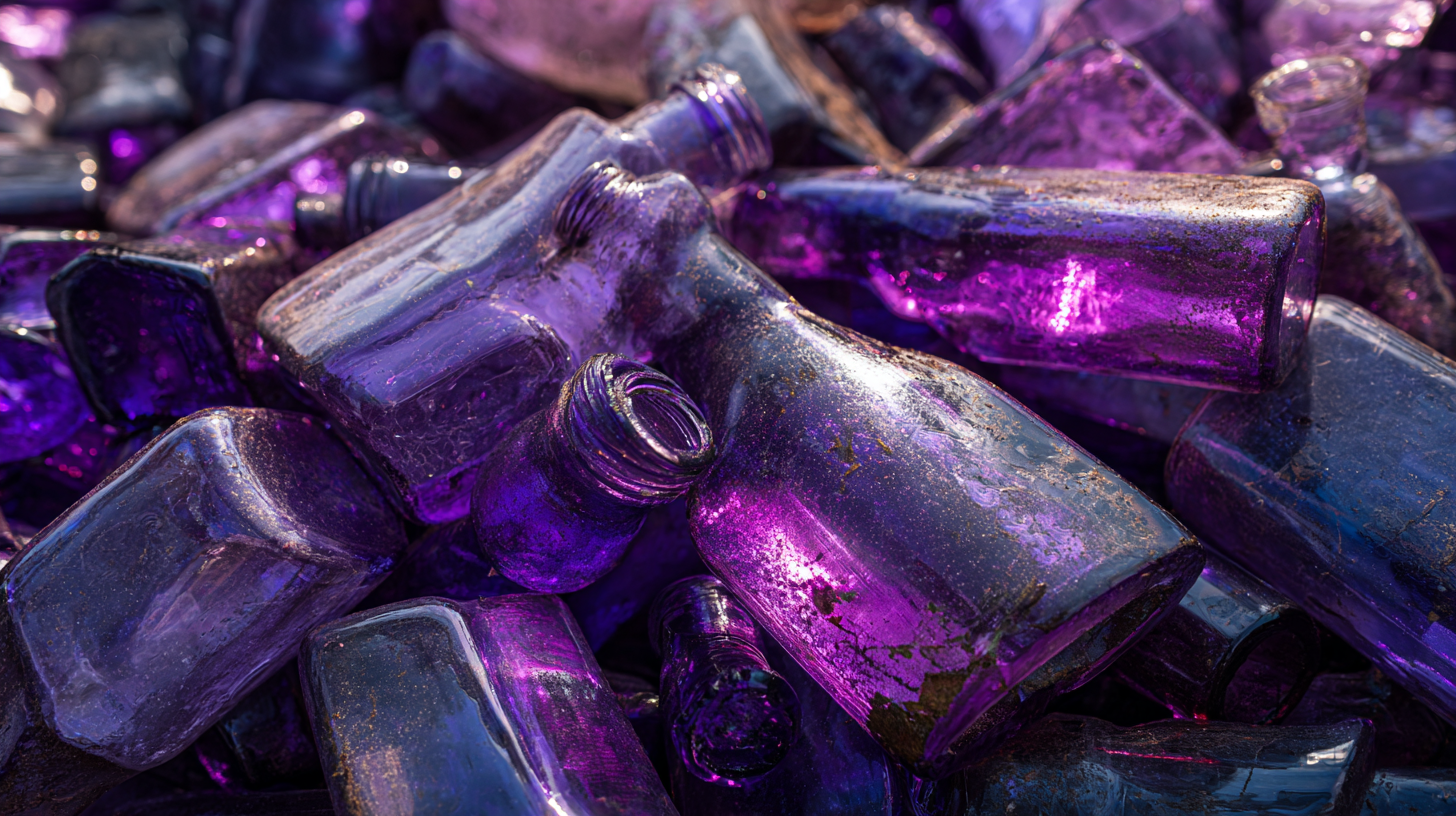
Purple Glass Recycling has really become a big deal lately in the whole sustainability scene, especially as more folks are paying attention to recycling in general. Did you know that, according to a recent report from the Glass Recycling Coalition, only about 31% of glass containers actually get recycled in the U.S.? That’s pretty eye-opening and shows how much room we still have to improve our recycling game.
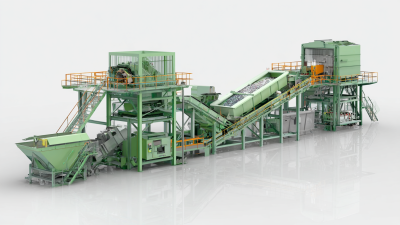
Over the past few years, the push for specialized recycling—like for purple glass—has been building up, partly because industries are trying to get greener and more eco-friendly. Companies like Henan Shanshui Heavy Industry Technology Co., Ltd.have been leading the way, coming up with innovative solutions for waste recycling, including cutting-edge machines for recycling not just glass but also things like Solar Panels and lithium batteries.
As we go through some key tips for recycling purple glass effectively, we’ll see how industry innovation and proactive recycling efforts can really make a difference—showing both businesses and communities how they can do their part to boost recycling and help protect the planet.
Understanding the Characteristics of Purple Glass for Effective Recycling
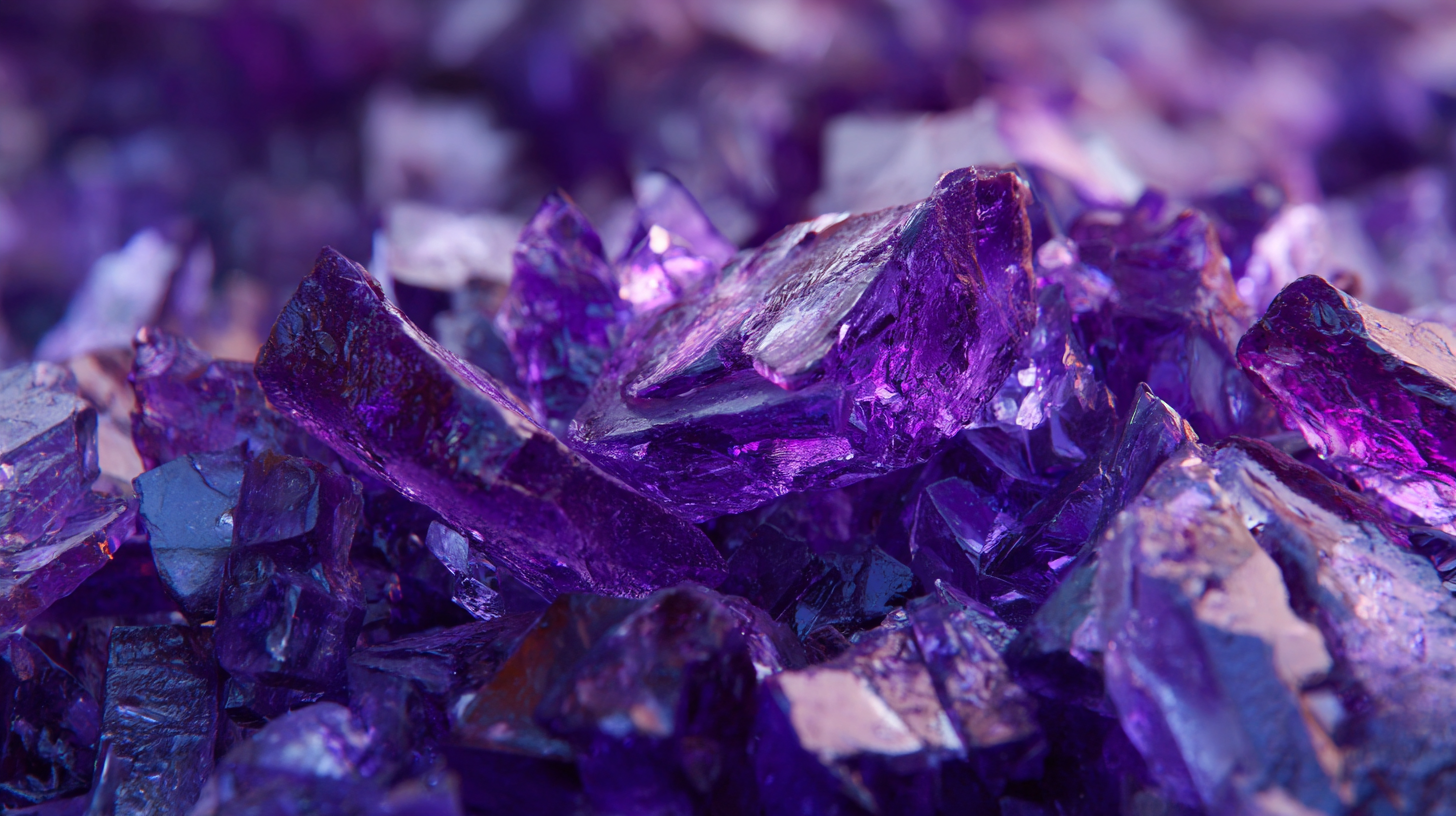
When you're dealing with recycling purple glass, it’s pretty important to get a handle on what makes it special. You see, purple glass—often used for fancy bottles or decorative pieces—contains this stuff called manganese dioxide, which gives it that unique color. But here’s the thing: that color can actually fade if the glass sits in the sunlight for too long. So, keeping your purple glass out of direct sunlight really helps it stay vibrant and makes it more valuable when recycling.
Oh, and a quick tip—make sure to give the glass a good rinse before tossing it in the bin. Leftover food, chemicals, or grime can mess things up for the recyclers, affecting the quality of the recycled material. Also, it’s super important to sort purple glass apart from other colors. Mixing different hues can cause the purple to lose its richness, which isn’t great if you’re hoping to turn it into new bottles or decorative stuff. By taking a bit of extra care with cleaning and sorting, recycling centers can do a much better job turning purple glass into something new and awesome. It’s all about making sure those little details are handled, so we get the most out of what we’re recycling.
Steps to Clean and Prepare Purple Glass for Recycling
When you're getting purple glass ready for recycling, it's super important to clean and prep it properly. This really makes a difference in the quality of the recycled stuff we end up with. Did you know that, according to the Glass Packaging Institute, about 60% of glass containers recycled in the U.S. get turned into brand new glass products? But that number can actually drop if the glass isn't clean enough. So, a simple step like rinsing the purple glass well with warm water and a bit of mild soap can do wonders—this helps wash away any leftover residues, labels, or sticky adhesives that might mess things up during recycling.
Once you've cleaned the glass, it’s a good idea to give each piece a quick look to check for cracks or chips. The National Association for PET Container Resources points out that damaged or contaminated glass can cause higher processing costs and lower the quality of the recycled material. Also, sorting purple glass separately from other colors makes the whole process smoother and helps create better end products because it’s easier to remake the glass accurately. All these little steps—cleaning, inspecting, and sorting—really help the recycling industry move towards a greener, more sustainable future. Plus, knowing you're doing your part is pretty rewarding, don’t you think?
Identifying Local Recycling Programs for Purple Glass Disposal
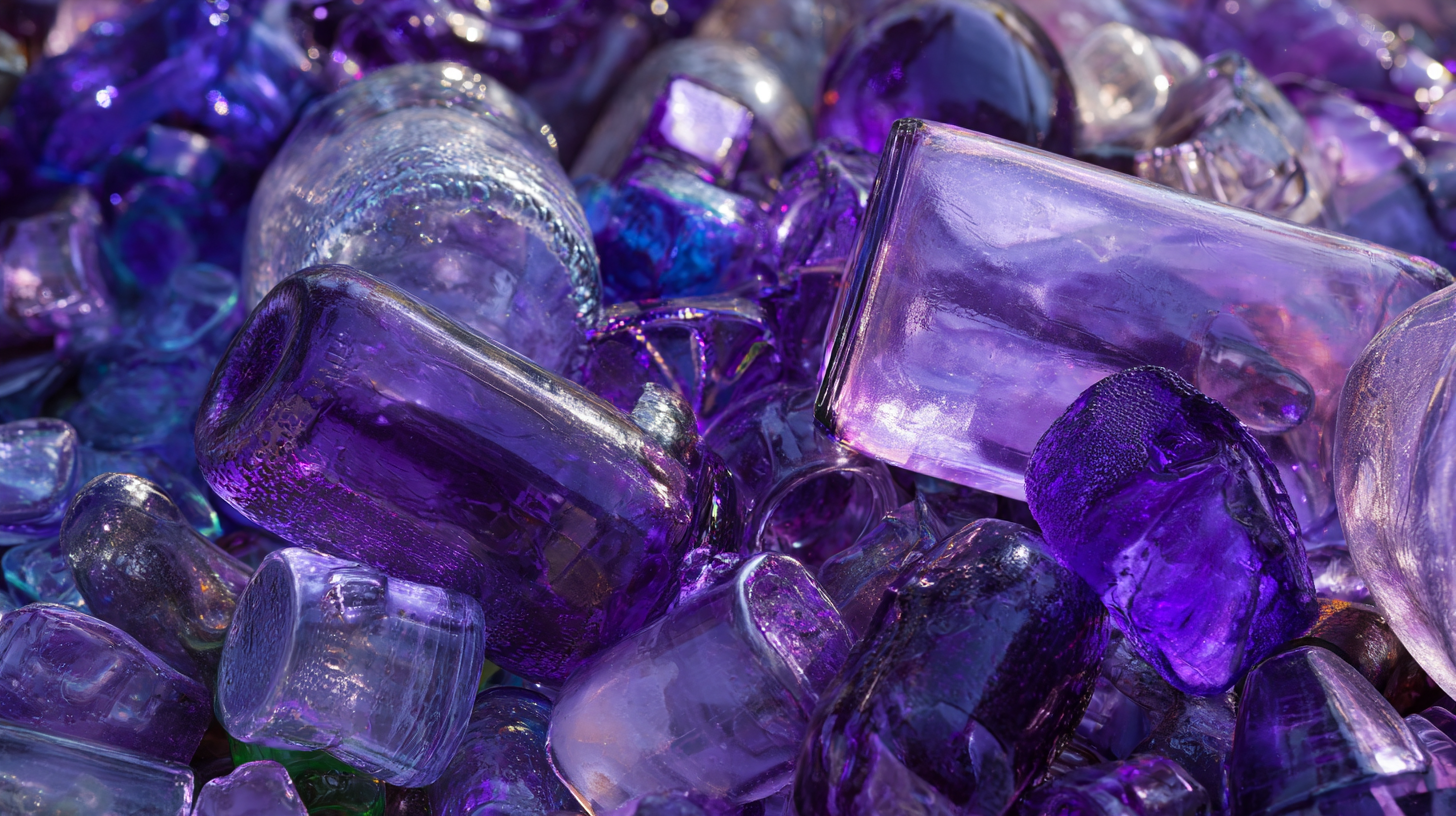
When you're dealing with recycling purple glass, it's so important to know about local programs in your area. Honestly, many communities have specific guidelines for how to dispose of glass, and finding out about these can make a big difference in making sure your purple glass actually gets recycled properly. A good starting point is to check with your waste management department—either give them a call or hop onto their website. They usually list out what materials they accept and where you can drop off purple glass if there are special locations. Some cities even have dedicated recycling centers just for colored glass, making sure it’s processed the right way.
On top of that, companies like Henan Shanshui Heavy Industry Technology Co., Ltd. are playing a big role in the bigger picture of protecting our planet. They develop eco-friendly machinery, focusing on recycling solar panels and lithium batteries. By pushing ahead with new tech that makes recycling more efficient, they help cut down waste and support the idea of a circular economy—that’s basically a way to reuse resources instead of just throwing stuff away. Recycling purple glass might seem small, but when you see it connected with these wider efforts, it’s clear that what we do individually really adds up to something impactful for the environment.
Innovative Ways to Repurpose Purple Glass Before Recycling
You know, repurposing purple glass before tossing it in the recycling bin is a pretty clever way to breathe new life into this one-of-a-kind material while cutting down on waste. One fun idea is turning those purple glass bottles into eye-catching vases. Just cut them to the height you like and sand down the edges a bit—easy, right? And honestly, they make gorgeous centerpieces that instantly bring a splash of color to any space. You can even add a little paint or some decorative touches to make them unique—perfect for gifts or sprucing up your own home.
And here’s another cool thing—turn purple glass into art projects! Break it into small pieces and use them to create mosaics or fused glass artwork. It's a great way to get your creative juices flowing, plus you’re doing your part to keep it out of the landfill. If gardening’s your thing, crushed purple glass makes a fantastic colorful mulch. Not only does it look pretty, but it also helps the soil retain moisture and keeps weeds at bay. Getting into these kinds of projects is a win-win: you’re helping the environment, and it’s a fun way to boost your creativity and keep things sustainable in your everyday life.
Common Mistakes to Avoid When Recycling Purple Glass
Recycling purple glass can be pretty rewarding, but honestly, a lot of folks end up making common mistakes that mess it up. For example, a lot of people skip cleaning their bottles properly. The Glass Packaging Institute points out that things like leftover food or sticky labels can cause problems in the recycling process, making the recycled material lower quality. Giving your purple glass a quick rinse before tossing it out not only helps with better recycling but also supports your community’s efforts to be more sustainable.
And then there’s the issue of mixing different colored glasses. According to the Container Recycling Institute, combining purple glass with other colors can sometimes create batches that are hard to recycle, which just ends up increasing waste. So, it’s a good idea to keep your purple glass separate from other colors. By being mindful of these little details, you can actually make a big difference in how effectively your recycling efforts work—plus, it all adds up to a greener, healthier planet. Easy enough, right?
The Environmental Benefits of Recycling Purple Glass Properly
Recycling purple glass isn’t just about waste—it's actually a pretty big deal for the environment. When you recycle it properly, you’re helping to cut down on the need for new raw materials, which means saving natural resources and using less energy overall. I came across a study from the Glass Recycling Coalition that said recycling one ton of glass can save around 1,000 kilograms of raw materials and cut carbon emissions by about 315 kilograms. Honestly, that’s pretty impressive, especially considering today’s challenges with climate change and dwindling resources.
At Henan Shanshui Heavy Industry Technology Co., Ltd., we really care about eco-friendly practices, and that lines up perfectly with the importance of recycling, especially things like purple glass. We’ve invested in high-tech recycling equipment that not only boosts recovery rates for all kinds of recyclables but also helps us run more sustainably. Because here’s the thing—recycling glass seriously helps reduce the amount of waste piling up in landfills, which, by the way, can take millions of years to break down. The Container Recycling Institute even estimates that recycling glass can lower greenhouse gases by up to 40% compared to making new glass from scratch.
So, making sure we recycle purple glass properly isn’t just good for the environment—it actually supports a circular economy, helping us move towards sustainable growth. If industries put an effort into proper recycling techniques, they can play a real part in reducing waste and keeping our planet healthier. That’s a cause we’re really passionate about at Henan Shanshui Heavy Industry Technology Co., Ltd.
5 Essential Tips for Effective Purple Glass Recycling - The Environmental Benefits of Recycling Purple Glass Properly
| Tip No. | Tip Description | Environmental Benefit |
| 1 | Rinse before recycling to remove residues | Prevents contamination of other glass recyclables |
| 2 | Check local recycling guidelines | Ensures proper sorting and processing |
| 3 | Avoid mixing glass types | Improves quality of end products |
| 4 | Use designated glass recycling bins | Enhances collection efficiency |
| 5 | Educate others about purple glass recycling | Increases community participation in recycling efforts |
Innovative Solutions for Eco-Friendly Lithium Battery Disposal: The Role of Lithium Powder Collectors
The issue of lithium battery disposal is growing in importance as the demand for sustainable solutions increases. A crucial aspect of this process is the innovative use of lithium battery black powder collectors. These specialized devices are designed to efficiently gather the electrode material powders derived from used lithium batteries, which are rich in valuable metals such as lithium, cobalt, and nickel. By focusing on the collection of these precious metals, we move closer to closing the loop in battery recycling and minimizing environmental impact.
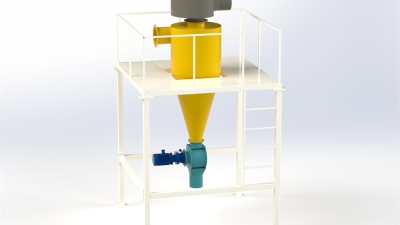
When lithium batteries are processed, they undergo crushing which generates a mix of materials, including black powder comprising the valuable electrode components. As these crushed materials are fed into a trommel screen, an effective separation process occurs. The black powder is then pneumatically transported to the lithium battery black powder collector, where it is isolated for further recycling efforts. This systematic approach not only enhances the recovery of critical materials but also promotes eco-friendly practices in lithium battery disposal. By utilizing black powder collectors, industries can ensure that valuable resources are not wasted and are reintegrated into the production cycle, contributing to a more sustainable future.
FAQS
: Cleaning purple glass removes contaminants such as labels and food residues, which can hinder the recycling process and lead to lower quality recycled materials.
Mixing different glass colors can result in unrecyclable batches and increase waste, so it's essential to separate purple glass from other colors.
Properly recycling purple glass conserves natural resources, reduces energy consumption, and cuts carbon emissions, which is crucial in the context of climate change.
Recycling one ton of glass saves approximately 1,000 kilograms of natural resources.
Recycling glass can reduce greenhouse gas emissions by about 40% compared to making new glass from raw materials.
Effective recycling practices for purple glass help reduce waste and foster sustainable development, supporting a circular economy.
The company utilizes advanced recycling equipment to enhance recovery rates of recyclables and promote environmentally friendly practices.
Avoiding mistakes such as not cleaning glass or mixing colors can significantly improve recycling effectiveness, thus contributing to a more sustainable environment.
Recycling glass reduces the amount of waste sent to landfills, where glass can take millions of years to decompose.
By enhancing the quality of recycled materials and promoting effective recycling practices, individuals contribute to their community's sustainability goals.
Conclusion
You know, purple glass recycling might not be the most talked-about topic, but trust me, it’s pretty important when it comes to keeping our planet healthier. Getting a handle on what makes purple glass special is key — you’ve gotta know its quirks if you want to recycle it properly. Before tossing it in the bin, it’s a good idea to give the glass a quick rinse and clean; nobody wants contaminated loads messing up the whole process. Also, don’t forget to check out your local recycling programs—some places might have specific guidelines for purple glass. Oh, and here’s a fun tip: before recycling, you might get creative and find cool ways to reuse purple glass in arts, crafts, or decorative stuff—way more fun than just throwing it out! If you stay away from common slip-ups, like mixing in non-recyclable trash, the whole process gets smoother and more effective. Recycling purple glass doesn’t just cut down on landfill clutter; it also helps save resources and reduces pollution. So, whether you’re at home or running a business, doing your part in proper purple glass recycling really helps move us toward a greener world. At Henan Shanshui Heavy Industry Technology Co., Ltd., we’re all about pushing forward with smarter recycling tech, especially for those tricky materials like purple glass. We’re dedicated to making sure recycling isn’t just essential but also innovative and sustainable.