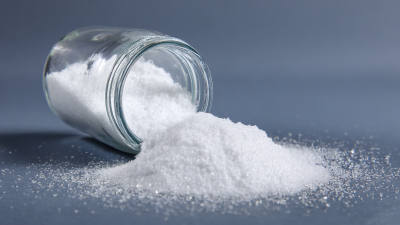
These days, as the industrial world changes so fast, it’s more important than ever for manufacturers and consumers alike to focus on sustainable practices that really add value. At Henan Shanshui Heavy Industry Technology Co., Ltd., we’re super proud to be leading the way in developing and producing eco-friendly machinery. We’re especially passionate about coming up with innovative solutions for recycling waste Solar Panels and lithium batteries—that’s our jam. Our dedication to quality shows in our advanced processes, which guarantee top-notch results, including crucial components like recycled glass particles. We also make sure that our products last longer and work better through affordable after-sales repairs—and that helps push us toward a greener future. Sticking to our motto of 'world-class manufacturing, Chinese pride, exporting globally,' we’re not just aiming to stay ahead of the industry, but also to inspire others to do their part in resource recovery and protecting the environment. We really believe that small steps can lead to big change, and we’re all in this together!
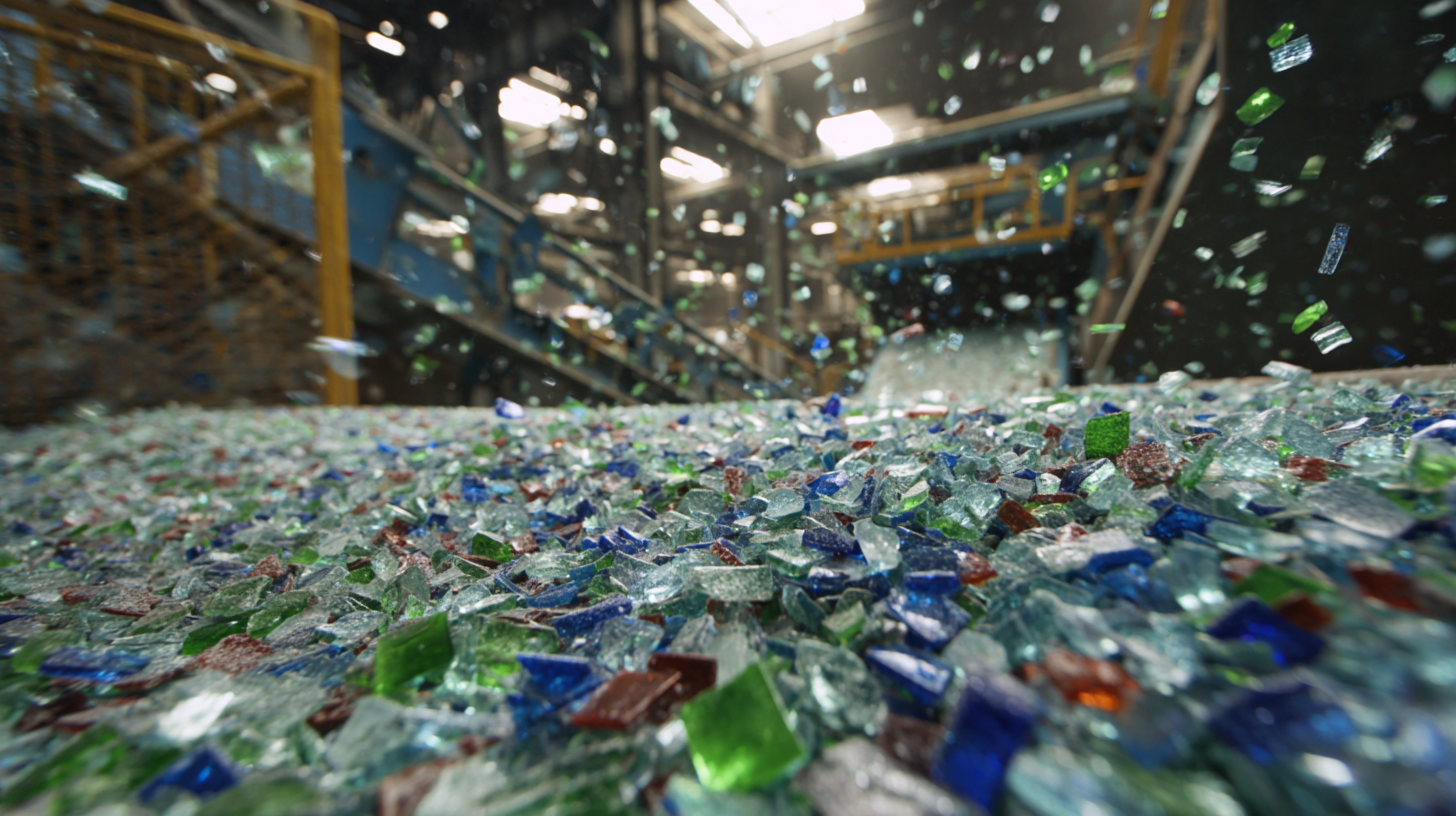
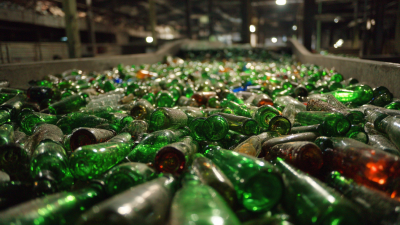
Glass Recycling is honestly such a key part of pushing for more sustainable practices across different industries. The Glass Recycling Coalition points out that recycling just one ton of glass can save over 1,200 kilograms of natural resources—that’s a pretty big deal, right? Plus, it cuts down quite a bit on the energy needed for making new glass. This kind of stuff is super important if we want to fight climate change and keep the economy moving in a circular way. More and more businesses are jumping on the sustainability bandwagon, and using recycled glass not only boosts their eco-cred but can also save them a ton of money during production.
If you’re thinking about making the most of glass recycling, here are a couple of tips: First, always make sure your glass is clean and free of trash or contaminants because that really helps in getting good quality recycled glass. Also, try to partner up with recycling facilities that focus on high recovery rates and use innovative tech—they can really make a difference.
And here’s something often overlooked: providing solid after-sales service and repairs for glass products made from recycled materials can be a game-changer. When you maintain and repair these items, they last longer, which means less need to mine for new raw materials. Interestingly, reports show that companies with strong recycling strategies can see up to a 30% drop in operational costs—that’s a win-win for both the planet and the bottom line.

Great customer service after a sale really makes a difference, especially in industries like glass particle recycling where products can be pretty specialized. When companies go the extra mile with comprehensive support, it’s not just about helping the customer during the product’s lifespan — it’s about building real trust and loyalty. When people feel supported and cared for, they’re much more likely to stick around, buy again, and even tell their friends about the experience.
Offering personalized repair options and having smooth, easy communication channels can totally boost how customers feel about your business. For example, sending timely maintenance reminders or providing quick access to repair services shows that you’re genuinely putting their needs first. This kind of proactive mindset not only helps minimize delays or issues for customers but also shows that your company really cares about making sure they get the most out of their purchase. By really focusing on after-sales support, businesses can turn satisfied customers into loyal ones, which ultimately means more sales and a stronger reputation in the long run.
This chart illustrates the relationship between customer satisfaction levels and the frequency of after-sales service repairs. The data represents a hypothetical scenario where increased after-sales services correlate with higher customer satisfaction in the glass particle recycling industry.
You know, in the ever-changing world of emergency lighting, making sure these products last longer through affordable repair solutions is pretty darn important. Industry reports are saying the emergency lighting market could hit around $9.7 billion by 2025, mostly because more and more sectors are really prioritizing safety and sticking to regulations. If manufacturers focus on good after-sales repairs and maintenance, they can really help extend how long their products work, especially when it counts most—in those critical moments.
And as tech keeps moving forward, there's a big push toward greener, more sustainable options that cut down on waste. Take the whole Windows 10 situation—about 240 million devices affected when support ended—it's a huge reminder of how vital solid repair services are. By embracing ideas like the circular economy, companies can do their part for the environment while also pulling more value from old parts. It’s not just good for the planet, but it also helps customers get more bang for their buck and keeps them happy. Plus, these smarter strategies boost product reliability and make brands stand out more in today’s really competitive market.
As more and more people focus on sustainable practices, it’s become pretty clear that bringing technology into glass recycling is a must. Things like automated sorting machines and more advanced crushing equipment are really stepping up the game—complementing the old-school methods and making everything run smoother. These tech upgrades do a great job of separating glass by color and type, which means you get a lot purer recycled material. That’s a big win because it not only makes the recycled glass more valuable but also helps cut down on waste’s environmental footprint.
On top of that, having reliable, cost-effective after-sales support — you know, quick repairs and maintenance — is super important in this business. Keeping the recycling machines in good shape means less downtime, better performance, and, in the end, lower costs. It’s kind of like building a system where awesome tech and solid service work hand-in-hand, helping recycling facilities get the most out of what they do. All in all, combining the latest technology with good support really can make glass recycling more efficient, more profitable, and way more sustainable in the long run.
| Dimension | Value | Description |
|---|---|---|
| Recycled Glass Volume (tons) | 5000 | Total amount of glass recycled annually. |
| Cost of Repairs ($) | 15,000 | Annual cost for after-sales service repairs. |
| Tech Integration (% Efficiency) | 20 | Improvement in recycling efficiency through technology. |
| Customer Satisfaction Score | 85 | Percentage of positive customer feedback on services. |
| Return on Investment (%) | 25 | Financial return from investments in recycling technology. |
In today’s super competitive world, keeping track of value metrics is pretty much essential if you want to measure how well your after-sales services are doing. Companies really need to set up key performance indicators (KPIs) that genuinely reflect how happy and loyal their customers are. By using smart, well-thought-out KPIs, you can not only get a handle on the quality of your service but also boost customer loyalty and grow your business. For example, things like response times, resolution rates, and customer feedback can give you real, actionable insights — helping you tweak and tailor your services to better meet customer needs.
On top of that, blending customer service metrics into your overall business strategy gives you a bigger, more complete picture of how your company’s really performing. It’s important to focus on metrics that shed light on customer behavior because understanding what your clients want and need is crucial for shaping sales tactics and improving their experience. Looking ahead to 2025, adopting new tech—like AI and data analytics—will help organizations stay flexible and continuously improve their after-sales services. That way, they can maximize value, build stronger relationships with customers, and stay ahead of the game.
: After-sales services are crucial for enhancing customer satisfaction by providing comprehensive support throughout the product lifecycle, fostering loyalty and trust in the brand.
Tailored repair services and efficient communication channels can significantly enhance customer experience by addressing their specific needs and minimizing downtime.
Proactive maintenance reminders showcase a company’s commitment to customer needs and help maximize the value customers derive from their products.
Value metrics, such as customer satisfaction and retention rates, help organizations measure the success of their after-sales services and identify areas for improvement.
Examples of KPIs include response time, resolution rates, and customer feedback, which provide actionable insights into service quality and customer loyalty.
Integrating customer service metrics offers a comprehensive view of performance and helps inform sales strategies by understanding customer behavior patterns.
Advancements such as AI and data analytics are expected to allow organizations to continuously adapt their after-sales services, enhancing customer relationships and maximizing value.
Prioritizing after-sales service not only improves customer satisfaction but also leads to increased sales and long-term brand loyalty, giving companies a competitive edge.
By providing effective after-sales support and demonstrating commitment to customer needs, businesses can foster long-term engagement and encourage repeat purchases and recommendations.
An improved customer experience through strong after-sales services leads to greater brand loyalty, as customers are more likely to choose and recommend the brand for future purchases.