- shanshui@shanshuizg.com
- We Will Respond to Your Inquiry Within 24 Hours of Receipt!
Leave Your Message
- Phone
- E-mail
- Whatsapp
- Wechat

You know, as we aim for a more sustainable future, advances in machinery are really shaking things up in the recycling game. Take the Glass Cullet Machine, for instance—it's really leading the charge when it comes to effectively processing recycled glass. A recent industry report highlights that the global market for Glass Recycling is expected to hit a staggering USD 18 billion by 2025! This growth is largely fueled by tighter government regulations and a rising awareness about how important environmental sustainabilityis becoming. Since 2013, Henan Shanshui Heavy Industry Technology Co., Ltd. from Henan, China, has really been at the forefront of this change. They're pouring their energy into research and development, creating eco-friendly machinery that includes cutting-edge solutions for recycling all sorts of waste materials, like Solar Panels and lithium batteries. So, looking ahead to 2025, it looks like the innovations in Glass Cullet Machines are going to completely transform the recycling industry.We're talking better efficiency, less energy use, and ultimately, a greener planet—as we all hope for!
You know, the glass industry is really going through some exciting changes! By 2025, we’re expecting major advancements in automation tech to totally revolutionize glass cullet machines. The cool part? Artificial Intelligence (AI) is stepping in to work its magic, especially in the flat glass sector. It’s all about making processes faster and more accurate. With digitalization really picking up speed, you’ll see AI systems boosting sorting precision and making operations way more efficient. It's a win-win, as these innovations not only make recycling smoother but also push for more sustainable practices across the board.
Take Australia, for instance. They’re already using automated tech in various projects to sort glass more effectively. It’s pretty impressive, and it really highlights the real benefits that come with automation. Companies are jumping on these high-tech solutions to keep up with the increasing demand for recycled materials, and it helps them play their part in meeting those global sustainability goals.
We at Henan Shanshui Heavy Industry Technology Co., Ltd. are super passionate about driving this change, too! We're all about researching and developing eco-friendly machinery. Our expertise in recycling technologies, especially for things like waste solar panels and lithium batteries, really puts us ahead in the environmental game. It perfectly aligns with the ongoing advancements in glass cullet processing. We're just really dedicated to making a greener future happen.
| Innovation Type | Description | Expected Impact | Estimated Adoption Rate (%) |
|---|---|---|---|
| AI Integration | Utilizing artificial intelligence for optimized sorting and processing of glass cullet. | Increased efficiency and reduced waste. | 75% |
| Robotics | Implementation of robotic systems for handling and processing glass cullet. | Improved safety and labor cost reduction. | 65% |
| Smart Sensors | Advanced sensor technology for real-time monitoring of glass cullet quality. | Enhanced product quality and process control. | 70% |
| Data Analytics | Utilizing big data analytics for predictive maintenance and operational efficiency. | Reduced downtime and maintenance costs. | 80% |
| Energy Efficiency | Innovations in energy consumption for cullet processing machinery. | Lower operational costs and environmental impact. | 85% |
Harnessing Advanced Lithium Battery Recycling: Analyzing the Impact of Specific Gravity Sorting Machines on Sustainable Practices
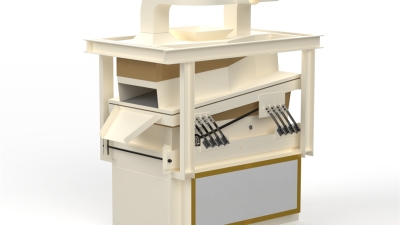
In the quest for sustainable practices within the burgeoning field of lithium battery recycling, the implementation of specific gravity sorting machines marks a significant advancement. These sophisticated devices are engineered to optimize the separation process of mixed materials derived from spent lithium batteries. The core of the lithium battery specific gravity separator is its innovative swing module combined with a precise wind system, designed to leverage the differences in density and weight among various components. As processed battery materials enter through the designated inlet, these systems work in unison to achieve efficient and consistent separation of copper and aluminum particles.
Notably, the functionality of the sorting machine extends beyond just the basic separation of metals. With the integrated use of a vacuum device, the system ensures that materials are collected with minimal contamination, enhancing the purity of the separated products. The separated glass and silicon wafers, collected through strategically placed discharging buckles, can then be processed further or sold, contributing to a circular economy. By investing in these advanced sorting technologies, industries can significantly reduce waste and improve the overall efficiency of battery recycling practices, paving the way towards more sustainable energy solutions.
: Smart cullet machines are equipped with IoT capabilities that allow operators to monitor performance metrics like throughput and energy consumption in real-time, leading to improved maintenance strategies and reduced downtime.
IoT technologies in industrial equipment are expected to grow with a compound annual growth rate (CAGR) of 17.9%, reaching USD 110.6 billion by 2025, driven by the need for automated processes and real-time data insights.
AI enhances glass cullet machinery performance by enabling real-time monitoring and analysis, predicting maintenance needs, improving sorting accuracy, and ensuring higher purity of recycled glass through advanced image recognition technologies.
Predictive maintenance can reduce machine failures by up to 70%, allowing companies to minimize operational disruptions and optimize production schedules.
The COVID-19 pandemic has accelerated the adoption of AMH systems as businesses seek contactless operations and enhanced throughput to adapt to new logistics and supply chain challenges.
Advanced analytics empower companies to make data-driven decisions, enhancing recycling rates and promoting operational sustainability in line with global circular economy practices.
The integration of robotics and AI into material handling equipment is redefining efficiencies and effectiveness, significantly impacting industries that prioritize precision and speed in their operations.
By 2025, the integration of smart features, IoT, and AI in glass recycling technology is expected to enhance operational efficiency, improve product quality, and promote sustainability.
AI can improve sorting and processing by accurately differentiating between various glass types and colors, ensuring a higher quality of the recycled material, which promotes sustainability and resource recovery.
Optimizing resource management in material handling solutions is critical for streamlining processes, enhancing operational efficiencies, and positioning industries toward a smarter and more sustainable future.