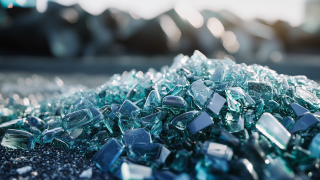
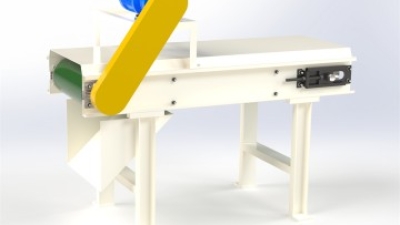
You know, Broken Glass Recycling plays such a crucial role when it comes to managing waste sustainably. It’s not just about cutting down on pollution, but also about saving our natural resources. I read somewhere—by the way, from the Glass Packaging Institute—that recycling glass can cut energy use by around 30% compared to making new glass from scratch. It’s pretty impressive! Unfortunately, though, millions of tons of broken glass still end up in landfills every year. That’s a huge missed opportunity for some really innovative recycling tech.
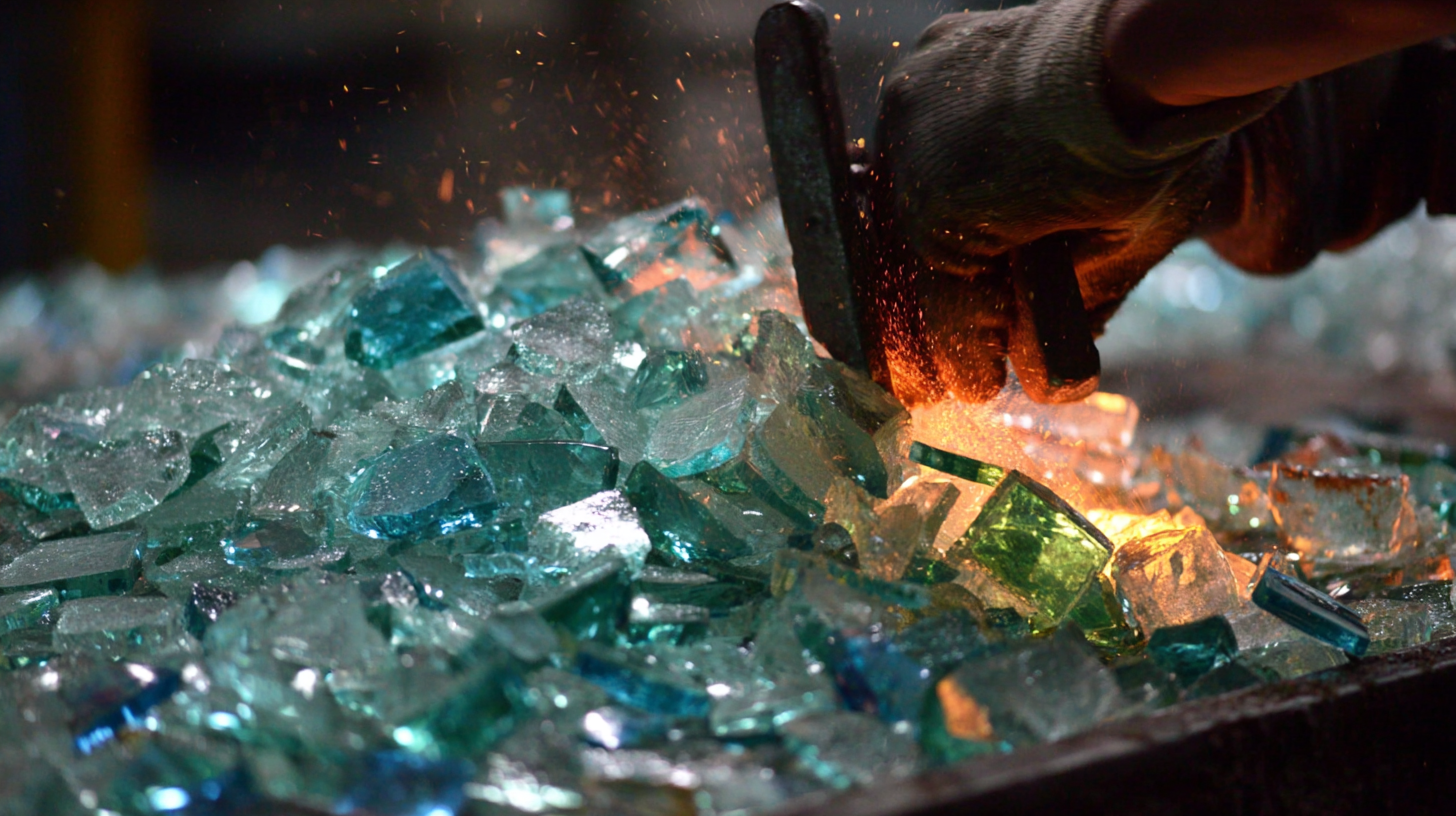
At Henan Shanshui Heavy Industry, we’ve been working since 2013 to develop eco-friendly machinery—stuff like advanced recycling equipment that handles broken glass, Solar Panels, lithium batteries, and all that. By turning broken glass into usable recycled products, industries can drop their carbon footprint a bit and help push toward a morecircular economy. In this blog, I’ll walk you through how broken glass gets recycled, and the amazing tech making it all happen. It’s pretty fascinating stuff!
The Journey of Broken Glass: Understanding the Recycling Process
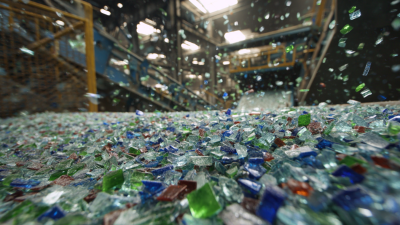
Recycling broken glass is actually pretty fascinating when you think about it. It’s this whole journey where what most people see as waste gets turned into something useful again. It usually kicks off with collecting glass from different places—like curbside bins or recycling centers. After that, the glass is sorted by color and cleaned up to make sure there aren’t any yucky contaminants. Honestly, that step is super important because any dirt or impurities can mess with the whole recycling process and can even ruin the finished product.
Some tips I’ve picked up? Rinse out your jars or bottles before tossing them in the bin—that simple step really makes a difference. Also, try to keep different kinds of glass separate—things like mirrors or ceramics shouldn’t be mixed in with your regular bottles and jars. Once everything’s sorted, the glass gets crushed into small bits called cullet, which are then melted down and shaped into new stuff, like bottles, tiles, or even decorative pieces.
What’s really cool is that recycling glass doesn’t just save raw materials; it also uses a lot less energy compared to making glass from scratch. Getting involved in glass recycling is a great way to help the environment and promote smarter waste habits in communities. Knowing how broken glass gets turned into new stuff can really motivate us all to do our part. So, next time you toss a bottle, remember—there’s more to it than just throwing it away.”
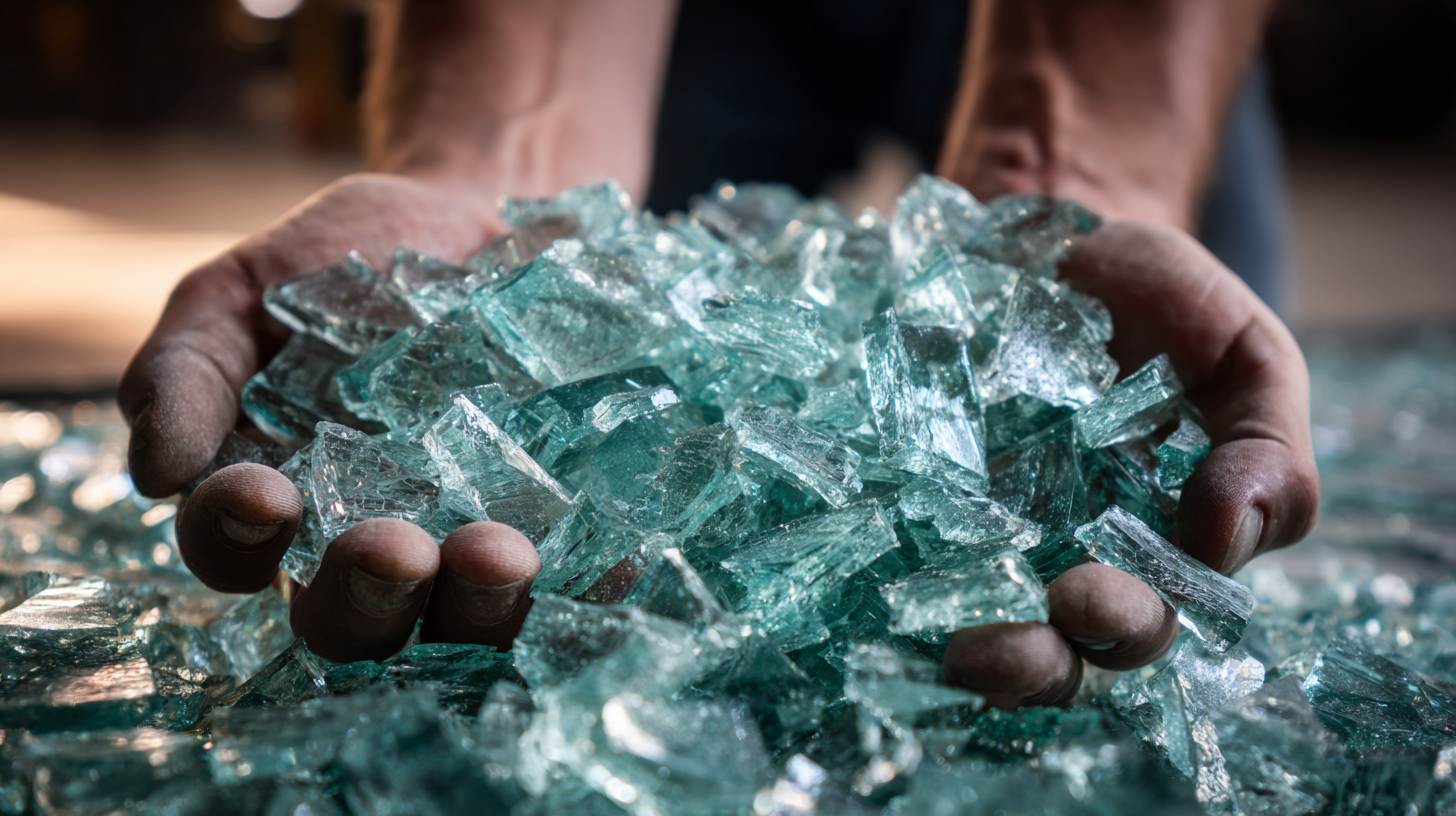
Challenges in Collecting and Sorting Glass for Recycling
Lately, folks have been noticing that collecting and sorting glass for recycling has gotten pretty tricky—especially in busy city areas. Take Futian, for example, where recent efforts have brought this issue into the spotlight. As the amount of low-value recyclables keeps piling up, we really need more effective systems in place. The whole process isn’t straightforward, though; it’s complicated by stuff like contamination, the need for special sorting facilities, and sometimes just a general lack of awareness about the right way to recycle glass. To tackle these issues, many local governments are rolling out new waste classification rules—like separating textiles and furniture from regular household trash—which, honestly, can make a big difference.
Quick tips for better glass recycling:
- Rinse out your glass bottles and jars before tossing them in the bin—this helps cut down on contamination and makes sorting easier.
- Spread the word in your neighborhood about why proper glass disposal matters—it’s all about building a culture of caring for our environment.
- Get involved! Whether it’s helping out at community clean-ups or joining local workshops, your participation can really boost recycling efforts and get more people on board.
And it’s not just glass—other materials are part of the bigger recycling picture too. Companies like Henan Shanshui Heavy Industry Tech are developing cool new technologies that help improve recycling for all kinds of waste. As we face these challenges, coming up with smart solutions and rallying our communities to get involved will be key to building a greener, more sustainable future for everyone.
Innovative Technologies in Glass Recycling: Efficiency and Sustainability
Recycling glass has come a long way over the years, thanks to some pretty cool innovations that boost both efficiency and sustainability. In the old days, sorting glass was mostly done by hand, which made the whole process slow and costly—plus, it was easy to get some contamination in the mix. But now, with technology advancing like crazy, things have totally changed. Nowadays, high-tech sorting machines use optical sensors and AI to quickly and accurately spot different types of glass and weed out impurities. It’s pretty impressive how much faster and cleaner this makes the process, which means recycled glass ends up being way more valuable for manufacturers.
They’ve also improved shredding and melting techniques to save energy. By fine-tuning the melting temperatures and recycling waste heat, modern recycling plants use way less power. It’s all about making the process more efficient while also being kinder to our planet. These kinds of innovations are super important, especially since there's a big push worldwide to make manufacturing greener. As this tech keeps getting better, I honestly think the glass recycling industry is gonna play a huge role in cutting down waste and keeping the circular economy going strong.
What is the Process of Transforming Broken Glass into Recycled Products - Innovative Technologies in Glass Recycling: Efficiency and Sustainability
| Stage of Recycling | Description | Technologies Used | Efficiency Level | Environmental Impact |
| Collection | Gathering broken glass from various sources. | Manual collection, Co-mingled bins | High | Reduced landfill waste |
| Sorting | Separation of glass by color and type. | Optical sorters, Air classifiers | Very High | Minimizes contamination |
| Crushing | Grinding glass into small pieces or cullet. | Crushers, Hammer mills | High | Reduces volume for transport |
| Melting | Fusing cullet to create new glass products. | Furnaces, Batch processing | Very High | Saves energy compared to raw materials |
| Forming | Shaping molten glass into products. | Molds, Pressing machines | High | Creates new marketable goods |
| Distribution | Selling and distributing recycled products. | Logistics software, Supply chain management | Moderate | Promotes circular economy |
The Environmental Impact of Recycling Glass vs. Landfilling
You know, it’s pretty clear that the demand for sustainable products is really taking off these days—especially when it comes to eco-friendly bottles. More and more people and companies are leaning into sustainability, which means the need for easy, environmentally-friendly ways to stay hydrated has shot up. Schools, offices, and different organizations are jumping on the bandwagon by investing in reusable bottles, and honestly, it’s making a big difference in the market. This whole shift shows how everyone’s trying to cut down on waste and promote smarter, responsible choices.
At the same time, it’s super important to talk about what happens when we don’t recycle glass properly. Every day, tons of valuable materials get tossed out without a second thought, ending up in landfills where they can stick around for hundreds of years. Recycling glass isn’t just about waste reduction—it also turns broken bottles into new, useful stuff, helping us stick to our sustainability goals. Thanks to cool advances in recycling tech, we can reuse glass in some incredible ways. If we focus on recycling rather than throwing glass away, we’re definitely moving closer to a world without waste. Companies like Henan Shanshui Heavy Industry Technology Co., Ltd. are really leading the charge here, creating innovative machines that make recycling easier and helping industries go green with their practices.
This chart illustrates the comparison between the amount of glass that is effectively recycled and that which is sent to landfills. Recycling glass not only helps in reducing waste but also significantly lowers environmental impact compared to landfilling, as recycled glass can be reprocessed into new products, conserving energy and resources.
Market Demand for Recycled Glass: Industry Statistics and Trends
Hey, have you noticed how quickly the demand for recycled glass is picking up? It’s really a reflection of how much people and companies are starting to care more about sustainability these days. You know, over 70% of cosmetics brands are now switching to eco-friendly packaging just to match what consumers want—there’s definitely a strong shift happening overall across various industries. This trend in beauty products sort of mirrors what’s happening in the bigger packaging world. For instance, the global glass packaging market is expected to grow from around $67 billion in 2024 to nearly $94 billion by 2032—kind of impressive, right? That’s roughly a 4.2% annual growth rate.
Plus, with everyone becoming more eco-conscious, industries are pushing more and more to use recycled materials. The rising demand for recycled glass isn’t just about being green; it’s also opening doors in the larger beverage packaging scene. That market’s looking to jump from about $144 billion in 2023 to over $217 billion by 2032, with a CAGR of almost 4.7%. As people continue to prefer environmentally responsible choices, incorporating recycled glass isn’t just a trend anymore—it's more like a must-have to stay aligned with market expectations and environmental targets.
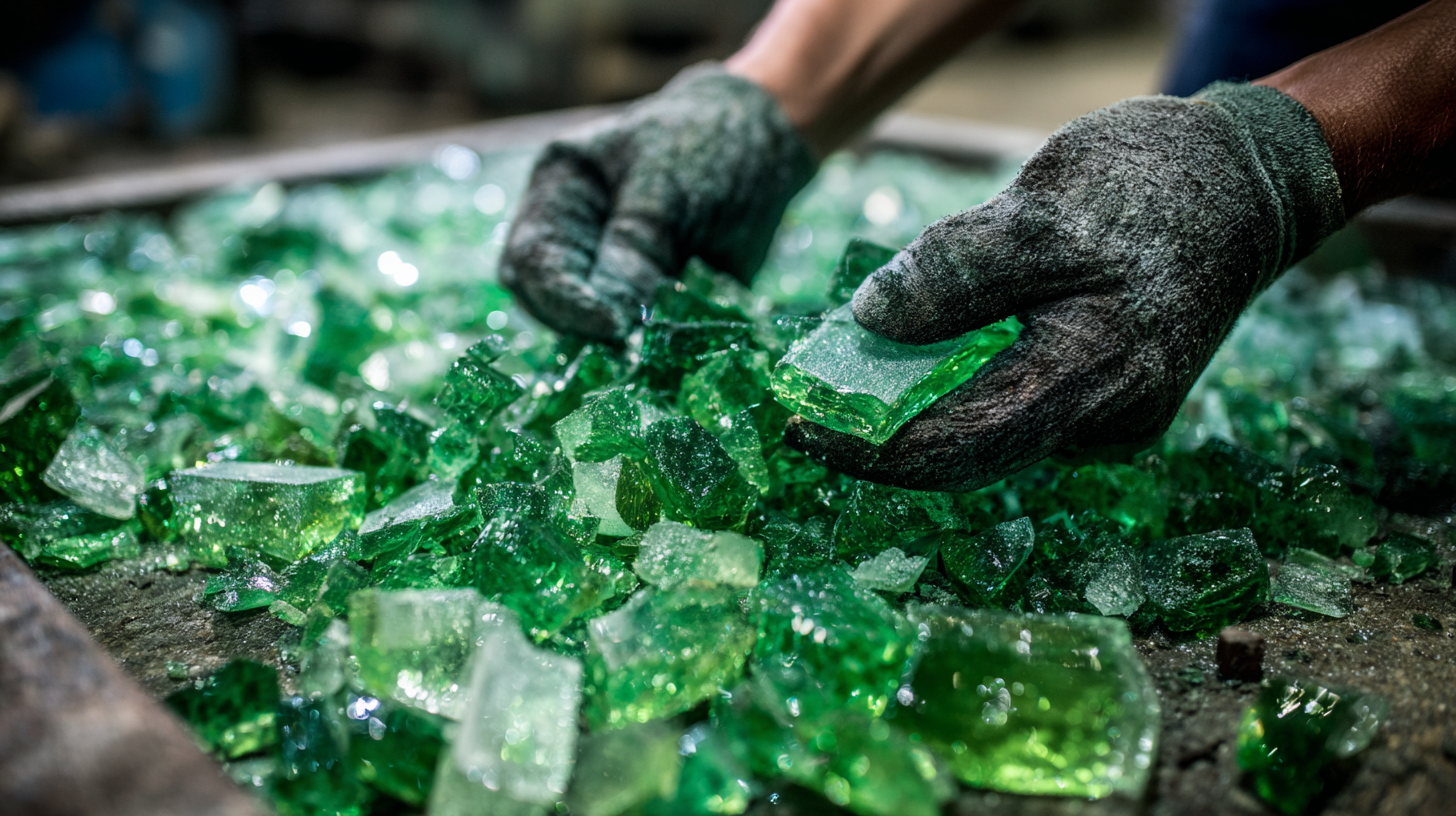
Case Studies: Successful Glass Recycling Programs Around the World
Around the world, lots of cities have come up with pretty impressive glass recycling programs that do more than just cut down on waste—they actually promote sustainability too. For example, in Sweden, they've rolled out this clever deposit refund scheme, which basically gives people a little nudge to return their glass bottles and jars. And it’s paying off — they've got recycling rates over 85%! The glass they collect then gets turned into brand new products, showing how smart policies can really create a circular economy that benefits both the environment and the local folks.
On the other side of the world, in Japan, a bunch of local governments, businesses, and residents have teamed up to make glass recycling work like a charm. They’ve set up strict sorting rules and partnered with recycling centers, and some places are practically hitting zero waste — pretty incredible, right? This not only means more glass gets recycled but it’s also encouraging more people to get involved and do their part for the planet. These stories show that when you have a good plan, tailored to your community, great things can happen with glass recycling. It’s definitely a model that other places can look to if they want to boost their waste management game.
Transforming Waste into Wealth: Insights from the 2023 Global Market Report on Lithium Battery Recycling and the Role of Magnetic Separators
The global push towards sustainable energy solutions has spotlighted the importance of lithium battery recycling, transforming what was once seen as waste into a valuable resource. The 2023 Global Market Report on Lithium Battery Recycling unveils critical insights into how the industry is evolving, particularly with advanced technologies like magnetic separators playing a pivotal role in streamlining the recycling process.
Lithium battery magnetic separators are essential devices in this ecosystem, designed to efficiently separate magnetic materials such as iron from non-magnetic components within batteries. By leveraging the inherent magnetic differences in materials, these separators enhance the purity of extracted resources, ensuring that recyclers can maximize the recovery of valuable metals. When mixed battery waste passes through the magnetic field created by the separator, ferromagnetic particles are attracted and removed from the non-magnetic materials. This not only improves the efficiency of the recycling process but also leads to a more sustainable approach to lithium-ion battery disposal.
As the demand for lithium batteries surges with the rise of electric vehicles and renewable energy storage, the role of magnetic separators becomes increasingly significant. By optimizing the recycling of lithium batteries, these separators contribute to a circular economy where materials are reused rather than discarded, ultimately driving the transition towards greener energy solutions and fostering innovation within the recycling industry.
FAQS
: Recycling glass reduces waste and transforms discarded glass into useful products, while landfilling contributes to long-term environmental degradation as glass can take centuries to decompose.
The rising demand stems from consumers and businesses prioritizing sustainability and seeking convenient, environmentally friendly drinking options, which has led to increased investments in reusable bottles.
The demand for recycled glass is rapidly evolving, with industries increasingly prioritizing recycled materials to meet consumer preferences for sustainability, particularly highlighted in sectors like cosmetics.
Over 70% of cosmetics brands are adopting eco-friendly packaging solutions, indicating a strong shift towards sustainable practices in the industry.
The global glass packaging market is expected to grow from $67.28 billion in 2024 to $93.69 billion by 2032, reflecting a compound annual growth rate (CAGR) of 4.23%.
The growth in demand for recycled glass supports sustainability goals and aligns with the larger beverage packaging market, projected to expand from $144.4 billion in 2023 to $217.54 billion by 2032, with a CAGR of 4.70%.
Advances in recycling technology enhance the potential for reusing glass and empower industries to adopt more environmentally friendly practices.
Businesses can incorporate recycled glass into their products and packaging solutions to align with market demands and promote responsible consumption.
Not recycling glass can lead to significant waste accumulation in landfills, where it contributes to environmental harm over centuries.
They are providing innovative machinery for recycling glass and helping industries adopt environmentally friendly practices to support sustainability efforts.
Conclusion
So, I recently came across a blog titled "What is the Process of Transforming Broken Glass into Recycled Products," and I have to say, it really takes you through the whole journey of recycling shattered glass. It breaks down the key steps—like collecting, sorting, and all those tricky challenges along the way. What’s pretty cool is how innovative tech is helping out, making the whole process not just more efficient but also a lot more eco-friendly. Honestly, it’s a big win compared to just dumping glass in landfills. The blog also dives into market demand, sharing some industry stats and trends, and highlights some pretty successful glass recycling programs from around the globe.
On our end, at Henan Shanshui Heavy Industry Technology Co., Ltd., we’re all about supporting these kinds of initiatives—especially recycling broken glass. Thanks to ongoing research and a passion for innovation, we’re dedicated to developing better recycling tech that encourages sustainability and a circular economy. It’s all about doing our part to help the planet, one step at a time.