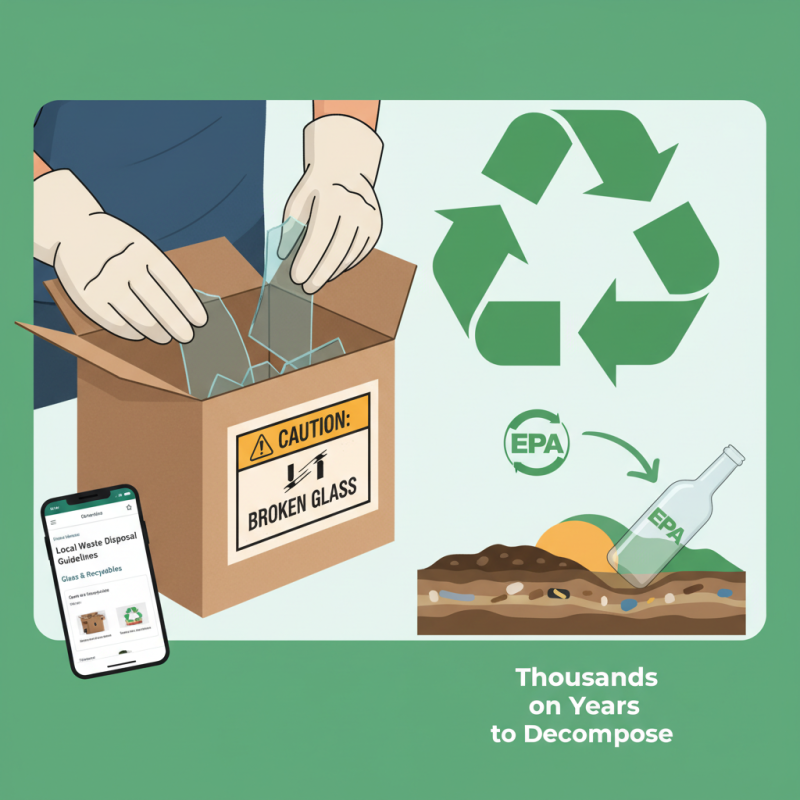
When it comes to waste management, handling broken glass is a pretty important topic that often doesn’t get enough attention. According to the EPA, the US produces about 3.5 million tons of Glass Waste each year, and a big chunk of that is just shattered glass. It’s not just dangerous — it also makes recycling way more complicated. That’s why doing it right really matters. Dr. Emily Carter, a well-known expert in waste management, points out, ‘Getting rid of broken glass safely isn’t just about protecting people; it’s also about keeping our recycling systems healthy.’
On top of that, if broken glass isn’t disposed of properly, it can cause serious environmental issues and end up costing local governments a lot more money. The National Safety Council reports that injuries from broken glass send a lot of people to the ER every year, which just shows how important it is to raise awareness and teach folks how to handle it safely. By following a few simple best practices, we can all help reduce injuries and keep our environment cleaner and greener. Whether you’re an individual or running a business, sticking to these guidelines means safer communities and better waste management — it’s a win-win, really.
Understanding the Risks of Broken Glass Disposal
When it comes to disposing of broken glass, understanding the risks involved is crucial for ensuring safety. Broken glass can pose significant dangers, including cuts, injuries, and environmental hazards if not handled properly. As such, taking the right precautions during disposal is essential to protect yourself, others, and the environment.
Tips: Always wear protective gloves when handling broken glass to minimize the risk of cuts. Use a sturdy broom and dustpan to sweep up larger shards, and consider using a damp paper towel to pick up smaller fragments. This helps ensure that no sharp pieces are left behind.
Additionally, ensure that the glass is placed in a puncture-proof container before disposal. This reduces the chances of the glass causing injuries to sanitation workers or anyone else who may come into contact with the waste. Regularly check your disposal methods to adapt to any changes, ensuring you consistently prioritize safety in your broken glass disposal practices.
Tips: Label the container clearly to prevent accidental injuries. Keeping broken glass separate from regular waste can also facilitate recycling efforts for those glass items that can be reused, contributing to a safer and cleaner environment.
Choosing the Right Materials for Safe Glass Containment
When disposing of broken glass, choosing the right materials for safe containment is crucial to avoid injuries and ensure proper handling. Begin with a sturdy container that can withstand sharp edges, such as a thick cardboard box or a heavy-duty plastic bin. It is essential that the container has a lid or can be securely closed to prevent glass shards from escaping. Moreover, opting for containers that are clearly labeled with warnings can help alert others to the dangerous contents inside, further enhancing safety during disposal.
To enhance safety while handling broken glass, consider using protective materials and tools. Heavy-duty gloves can provide a barrier against potential cuts when gathering the shards, while a dustpan and brush can help in sweeping up smaller pieces effectively. Additionally, utilizing a thick layer of newspaper or heavy cloth to wrap the glass before placing it in the container can minimize the risk of breakage during transport. By carefully selecting the right materials and employing safe handling techniques, you can significantly reduce the risk associated with glass disposal.
Properly Preparing Broken Glass for Disposal
When dealing with broken glass, proper preparation for disposal is essential to ensure safety for yourself and others. Begin by carefully collecting the shattered pieces. Use thick gloves to protect your hands from cut hazards, and consider employing a broom and dustpan for larger shards. For smaller fragments, a damp paper towel can effectively pick them up, allowing you to safely dispose of them without risking injury.
It’s crucial to place the collected glass in a sturdy, puncture-resistant container. An old cardboard box or a thick plastic bag (double-bagged for extra strength) can work well. Ensure that the container is clearly labeled to alert anyone who might come into contact with it. This helps prevent accidental injuries during disposal. Always remember to keep broken glass out of standard recycling bins, as it poses risks to waste workers.
Tip: When cleaning up glass, always work slowly and methodically, allowing time for a thorough search for any hidden fragments.
Another useful tip is to avoid using your hands directly; tools like pliers or tongs can help you manage larger pieces, keeping your hands at a safe distance. By following these proper preparation methods, you can effectively mitigate risks associated with broken glass disposal.
Utilizing Designated Disposal Containers and Bins
When it comes to disposing of broken glass safely, utilizing designated disposal containers and bins is crucial. These bins are specially designed to handle sharp materials and reduce the risk of injury during the disposal process. Always look for containers labeled specifically for glass, which often feature reinforced walls and lower openings for easy access without risking cuts. By using these designated containers, you minimize the likelihood of glass shards ending up in regular waste, where they can pose dangers to waste workers and the environment.
Tips for safe disposal include never placing broken glass in regular recycling bins, as this can contaminate the recycling stream. Instead, keep a sturdy cardboard box handy to securely contain the glass until you can dispose of it properly. It's also advisable to tape the box closed to prevent accidental punctures. When transporting the glass, ensure it's stored upright and secured to avoid shifting that could lead to breaks, which can cause injuries.
For those working in environments with frequent broken glass, keeping a designated disposal bin within arm's reach can make a significant difference. Encourage colleagues to use these bins consistently and ensure they are emptied regularly to maintain a safe workspace. By adopting these simple practices, you can make a positive impact on safety and hygiene while ensuring responsible glass disposal.
Identifying Local Regulations on Glass Waste Disposal
When dealing with broken glass, one of the most critical considerations is to understand the local regulations surrounding glass waste disposal. Many municipalities have specific guidelines on how to handle this material safely to prevent injury and environmental harm. According to a report from the Environmental Protection Agency (EPA), improper disposal of glass can contribute to landfill overcrowding, with glass taking thousands of years to decompose. This highlights the importance of familiarizing oneself with local rules that can vary from one area to another.
It is advisable to check with local waste management authorities for designated Glass Recycling programs. Some regions offer curbside pickup for glass or have drop-off centers specifically for recyclables. Additionally, some states have implemented bottle deposit laws that encourage the return of glass bottles and jars to reduce waste. Following these guidelines not only supports community sustainability efforts but also ensures compliance with local regulations.
Tips: Always wrap broken glass in newspaper or cloth before disposal to prevent cuts. Use sturdy cardboard boxes labeled "broken glass" if sending it to a landfill, making it clear to waste handlers. Lastly, consider creative reuse options; turning broken glass into art or decorative projects can significantly reduce waste and promote recycling in your community.
Exploring Recycling Options for Broken Glass
When it comes to disposing of broken glass, exploring recycling options is both environmentally friendly and practical. Many communities have specialized recycling programs that focus on glass materials. These programs often encourage residents to separate glass waste from other recyclables, ensuring that it is processed correctly. By breaking down glass into cullet, the recycling process becomes more efficient, and this recycled material can be used to create new glass products, reducing the need for raw materials.
Additionally, some innovative recycling initiatives aim to repurpose broken glass in various applications. For instance, crushed glass can be utilized in construction materials, such as concrete and asphalt, or even in landscaping as decorative mulch. These alternative uses not only reduce waste but also contribute to sustainable construction practices. Educating the public about these recycling options can significantly enhance community participation, leading to a greener approach to managing broken glass disposal.
Implementing Safety Precautions During Cleanup and Disposal
When you encounter broken glass, it’s paramount to prioritize safety during cleanup and disposal. Begin by assessing the area to ensure no one is at risk of injury. Equip yourself with protective gear such as gloves and closed-toe shoes to minimize the risk of cuts. Carefully gather the larger shards of glass using a stiff piece of paper or cardboard, rather than your hands, to avoid direct contact. This initial step is crucial in preventing accidents.
Tips: For smaller fragments, use a damp paper towel or cloth to pick them up. The moisture will help capture tiny shards that are often left behind. Additionally, consider sweeping the area with a broom and dustpan to ensure all debris is collected. Once you have gathered all the broken glass, place it securely in a puncture-proof container, like a sturdy cardboard box, to prevent it from breaking during disposal.
After the glass is contained, label the box clearly to warn others about the contents. Dispose of it according to your local waste management guidelines for hazardous materials. Ensuring that broken glass is dealt with properly protects not only you but also others who may come across the remains. Always stay vigilant and handle the disposal process with care and attention.
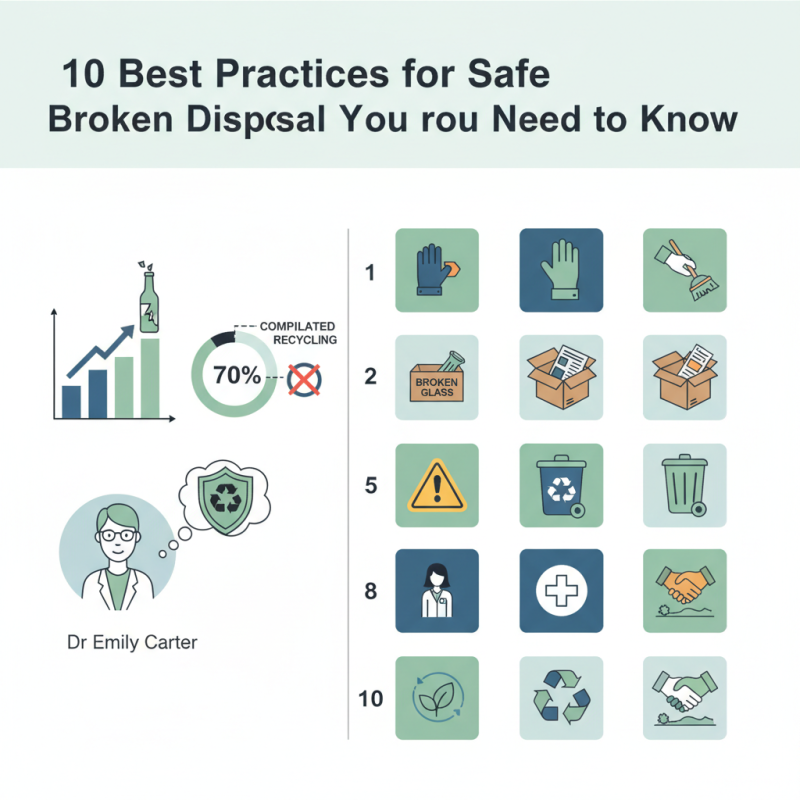
10 Best Practices for Safe Broken Glass Disposal You Need to Know
| Best Practice | Description | Safety Precautions | Tools Needed |
| Wear Gloves | Always wear protective gloves while handling broken glass. | Prevents cuts and injuries. | Cut-resistant gloves |
| Use a Broom and Dustpan | Carefully sweep up smaller shards using a broom and dustpan. | Avoids using hands to pick up shards. | Broom, dustpan |
| Wrap in Newspaper | Wrap larger pieces of glass in newspaper before disposal. | Prevents cuts during disposal. | Newspaper or old cloth |
| Use a Heavy-Duty Bag | Place wrapped glass in a heavy-duty trash bag. | Reduces risk of tearing and exposure. | Heavy-duty trash bags |
| Label the Bag | Clearly label the bag containing broken glass. | Alert others to potential hazards. | Label or marker |
| Avoid Mixing with Regular Trash | Do not dispose of glass with regular household waste. | Prevents injuries at waste facilities. | Separate trash containers |
| Dispose at Designated Sites | Take the bag to a recycling or hazardous waste location. | Ensures safe disposal methods are followed. | Recycling center information |
| Keep Away from Pets and Children | Ensure broken glass is out of reach from children and pets. | Prevents accidental injuries. | Safe storage area |
| Report Large Breakages | Notify management in case of significant broken glass. | Ensures proper cleanup protocols are followed. | Reporting tool or form |
Innovative Waste Management Solutions: Enhancing Sustainability with Waste Photovoltaic Panel and Solar Panel Glass Removal Technologies
The rise of solar energy as a prominent source of renewable electricity has led to an increasing number of photovoltaic panels in operation worldwide. However, with this growth comes the challenge of managing the waste generated when these panels reach the end of their lifecycle. Recent studies suggest that by 2030, around 78 million metric tons of waste Solar Panel materials could accumulate globally, highlighting the urgent need for effective waste management solutions.
Innovative technologies, such as the waste solar panel glass removal machine, play a pivotal role in addressing this challenge. Designed for processing both single crystal silicon and polycrystalline silicon glass panels, these machines utilize automated processes for feeding, discharging, and separating glass from the panels. This not only enhances operational efficiency but also minimizes labor costs significantly. According to industry reports, implementing such automated systems can improve production efficiency by up to 50%, making it a sound investment for waste processing facilities.
Furthermore, the recovery of glass from photovoltaic panels is a sustainable practice that aligns with current environmental objectives. Recycling glass not only reduces landfill waste but also contributes to the circular economy by providing raw materials for new products. As the demand for solar energy continues to rise, these innovative waste management solutions are essential for enhancing sustainability and ensuring that the solar energy sector can grow responsibly without leaving a significant environmental footprint.
FAQS
: Always wear protective gloves to minimize the risk of cuts. Additionally, use a sturdy broom and dustpan for larger shards, and a damp paper towel for smaller fragments to ensure no sharp pieces are left behind.
Carefully collect the glass using thick gloves, a broom, and dustpan. Place the collected glass in a sturdy, puncture-resistant container, such as a cardboard box or a thick plastic bag, and label it clearly to prevent accidental injuries.
Tools like pliers or tongs can help you manage larger pieces safely. Use a damp paper towel for smaller fragments, as the moisture helps capture tiny shards that might be left behind.
No, broken glass should not be placed in standard recycling bins as it poses risks to waste workers. Always keep it separate and dispose of it according to local waste management guidelines for hazardous materials.
Work slowly and methodically when cleaning up glass, allowing time to thoroughly search for hidden fragments. Sweeping the area with a broom and dustpan can help ensure all debris is collected.
It’s best to assess the situation and ensure no one is at risk. If safe to do so, follow the proper precautions for cleanup, or notify the appropriate authorities to handle the disposal safely.
Clearly label the container to inform others about its contents. This helps prevent accidental injuries during handling and disposal.
Protective gear such as gloves and closed-toe shoes is essential to minimize the risk of cuts and injuries while cleaning and disposing of broken glass.
Use a broom and dustpan to gather the larger shards first. Then, follow up with a damp paper towel or cloth to pick up smaller pieces and ensure complete cleanup.
Conclusion
Proper broken glass disposal is crucial to ensure safety and prevent injuries. Understanding the risks associated with broken glass is the first step in ensuring safe disposal practices. Choosing the appropriate materials for containing the glass, such as strong, puncture-resistant containers, helps mitigate the risks. Preparing the broken glass by carefully wrapping and securely sealing it can further enhance safety during the disposal process.
Utilizing designated disposal containers and bins is essential, as it reduces the likelihood of accidents and promotes compliance with local regulations regarding glass waste. Exploring recycling options for broken glass can also contribute to environmental sustainability. Moreover, implementing safety precautions during cleanup and disposal, such as wearing gloves and protective eyewear, ensures that the process is conducted safely and effectively. By following these best practices, individuals can navigate broken glass disposal with greater confidence and care.