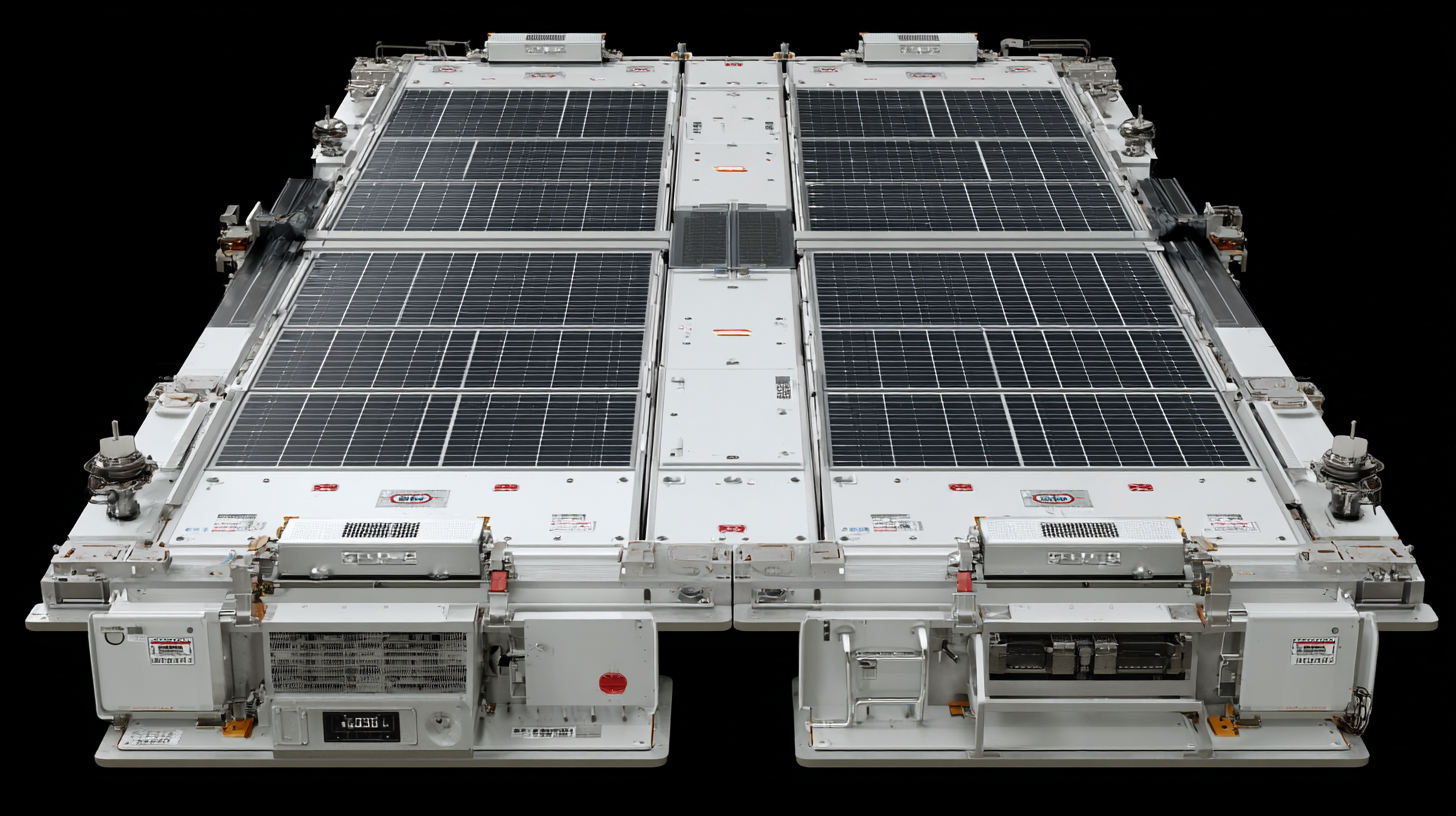
You know, as the Solar Energy market keeps growing—seriously, global solar panel installations shot up to a whopping1,200 gigawatts in 2020—it’s really clear that we need some solid Solar Panel Separation Equipment. But here’s the kicker: recycling solar panels is still a tough nut to crack. Can you believe that about 80% of those panels that get decommissioned aren’t being recycled the right way? This is a big deal because it affects our environment and slows down the whole idea of a circular economy in renewable energy. Thankfully, there’s Henan Shanshui Heavy Industry Technology Co., Ltd., which has been leading the charge since 2013. They’re all about research and development, creating machines specifically for recycling those waste solar panels. Their cutting-edge Solar Panel Separation Equipment is aimed at making the process more efficient and promoting sustainability. In this blog post, we’re going to dive into the main challenges in solar panel separation technology and share some top strategies to tackle these issues head-on.

Importance of Import and Export Certification in Solar Panel Equipment Industry
You know, in the ever-evolving world of solar panel equipment, keeping up with import and export certifications is becoming super important. These certifications aren’t just some formalities; they actually help ensure quality, which builds trust for consumers and investors alike. Recent reports are showing that the global solar market is booming, with projections hitting about $223 billion by 2026! A lot of this growth is thanks to the rising demand for clean energy solutions.
And let's talk about places like Africa for a moment. Integrating artisanal mining into the formal economy could actually provide vital raw materials for making solar panels. This really highlights why we need strong certifications to keep this new supply chain in check.
Plus, countries like Indiaare striving to lead the way in renewable energy. Strong import and export regulations are going to be crucial in establishing a solid foundation for the Solar Industry there. With India’s Union Budget for 2025 aiming to boost renewable energy incentives, the spotlight is definitely on certification. This isn't just about cutting down on dependence on foreign tech; it’s also about encouraginglocal manufacturing, which is key for driving economic growth and creating jobs in the renewable sector. Honestly, companies that want to succeed in this competitive market need to get a good grip on these certification processes.
Key Challenges in Obtaining Industry Certifications for Solar Equipment
Getting industry certifications for solar gear is super important for making sure everything's safe, reliable, and efficient. But, man, manufacturers really have to jump through a lot of hoops during the certification process! One of the biggest headaches is dealing with the complicated regulations that seem to change depending on where you are and what type of equipment you’re working with. Each certification body has its own quirky rules, which can really throw a wrench in the works and drag out the approval timeline.
A great tip? Keep yourself in the loop with the latest standards and regulations by hitting up industry seminars and workshops. Staying proactive like this can help manufacturers tweak their products to fit those ever-changing requirements, making it a whole lot easier to get certified.
Another thing to keep in mind is the testing procedures. These can take ages and cost a pretty penny. Solar panel separation equipment has to go through intense testing to show it meets performance and safety standards—talk about a process! And let’s be real, these tests often need specialized knowledge and resources that not all manufacturers have just lying around.
So, here's another tip: teaming up with third-party testing labs that know the solar equipment game can really speed things up. Also, think about investing in pre-certification consulting—it can help spot potential issues early, which is a lifesaver in reducing delays and extra costs.
Impact of Global Standards on Solar Panel Separation Equipment Efficiency
You know, the efficiency of solar panel separation equipment really depends a lot on global standards. These standards aren't just some arbitrary rules; they’re there to make sure everything is safe, performs well, and is sustainable. They truly shape up the technology used for recycling and recovering solar panels. When manufacturers stick to these international guidelines, they can really boost their equipment's performance and hit those high benchmarks consistently. This not only makes things run smoother, but it also helps keep the environmental impact as low as possible during the separation process.
And here's the thing—by following these global standards, we’re also encouraging innovation in the field. Equipment that meets those tough regulations tends to be way more advanced, using the latest tech to optimize separation processes. With the growing amount of solar waste piling up, countries and organizations are really pushing for better recycling practices, which means the demand for effective separation equipment is on the rise. Plus, when manufacturers align with these global standards, they can tap into larger markets. This opens up more opportunities for sharing knowledge and best practices that can boost efficiency even more. So yeah, global standards aren’t just about regulation; they’re actually driving technology forward and showing how serious we are about being responsible for our environment in the solar panel sector.
Navigating Regulatory Changes in the Solar Equipment Certification Process
Navigating the maze of regulatory changes in the solar equipment certification process has turned into quite the challenge, especially with recent shifts like the hike in Basic Customs Duty and GST for big projects, such as the 120 MW initiative in Gujarat. These changes can really shake up project timelines and costs, so it's super important for everyone involved to stay on their toes and be flexible. If companies are looking to invest in solar tech nowadays, they really can't ignore the shifting landscape of regulations—all those little details can flip everything from import taxes to compliance rules on their heads.
Here’s a handy tip: get out there and connect with regulatory bodies and industry groups to keep your ear to the ground about policy changes. Teaming up with local regulatory consultants can be a game changer, giving businesses some solid insights on how to steer through these complexities. Plus, investing in tech that simplifies compliance processes can save organizations a lot of headaches and help keep certifications in check, which means fewer costly delays.
As the solar industry keeps evolving, staying in the loop about regulatory agendas coming up in 2024 is going to be key. Knowing what’s on the horizon not only helps with planning but also sets companies up to grab any new incentives or support programs that could make their projects more viable. And let’s not forget—keeping a line of communication open with government agencies can really pay off, giving early alerts about possible shifts in the regulatory scene so companies can pivot their strategies when needed.
Challenges Faced in the Efficiency of Best Solar Panel Separation Equipment - Navigating Regulatory Changes in the Solar Equipment Certification Process
| Challenge | Description | Impact on Efficiency | Regulatory Change Type | Action Required |
| Certification Delays | Lengthy approval times for new equipment | Slows down production and increases costs | New Testing Standards | Streamline submission processes |
| Changing Standards | Frequent updates to certification criteria | Requires constant adaptation and retraining | Regulatory Framework Adjustments | Ongoing training for staff on new regulations |
| Cost of Compliance | Increased costs associated with compliance measures | Can reduce profit margins for manufacturers | National and Local Compliance Requirements | Budgeting for compliance costs |
| Equipment Upgrade Requirements | Mandatory updates to meet new standards | Can lead to temporary downtimes during upgrades | Emerging Technologies Criteria | Plan equipment upgrades strategically |
| Lack of Clarity in Regulations | Ambiguous guidelines causing confusion | Increases risk of non-compliance | Vague Policy Updates | Engage with regulatory bodies for clarification |
Technological Innovations to Enhance Compliance with Certification Standards
You know, the solar industry is really booming these days! But with all that growth, there's a pretty big challenge: making sure that the equipment used for separating solar panels meets global certification standards. Technological innovations are absolutely key here. They’re helping to boost compliance, making the equipment not just more efficient but also kinder to the environment. For example, with advances in automation and machine learning, we can achieve super precise separation processes. This means we’re reducing material waste and really maximizing our recycling potential. It's a win-win for manufacturers, as these innovations help them meet those strict regulations and stay competitive in the market.
Oh, and here's a tip: Regular training for your team on the latest tech and compliance standards is super important! It ensures your equipment runs smoothly and ticks all the certification boxes.
And there's more! By integrating real-time monitoring systems, manufacturers can keep an eye on efficiency and compliance all the time. These nifty systems analyze data to spot issues before they turn into big problems. It allows for proactive maintenance and quick adjustments when needed. By jumping on these technologies, companies can really enhance their operational efficiency while sticking to sustainable practices.
One more thing: think about investing in software that visualizes performance metrics. It’s a great way to pinpoint areas that could use some improvement in your separation processes.
Strategies for Improving Operational Efficiency Amidst Certification Challenges
You know, the effectiveness of solar panel separation equipment is super important for the renewable energy scene. But here’s the kicker—lots of companies are really struggling with their operational efficiency because of various certification hurdles. A recent report even showed that over 60% of manufacturers are hitting roadblocks with compliance and those pesky certification processes, which definitely messes with their operational flow. As the industry keeps growing, it’s clear that we need to leverage technology to help bridge these gaps. By using real-time monitoring systems and predictive analytics, companies can streamline their operations a lot better, which means they can verify compliance faster and boost productivity.
One solid strategy to enhance efficiency is to look into automated compliance management tools. These can really smooth out the certification process. Plus, it’s super beneficial to build a culture of continuous improvement through employee training. This way, teams feel empowered to tackle challenges and get a bit creative in their approaches. Also, adopting a more agile operational framework—like they talk about in various studies—can really help companies respond better to changing regulations and market demands, ultimately making them more capable overall.
And let’s not forget about predictive maintenance strategies that use real-time data. This allows organizations to cut down on downtime and really optimize their performance. With all the advancements in AI and machine learning, companies are now in a much better position to forecast their maintenance needs and reduce chaos in their operations. This is crucial for improving service delivery in such a competitive solar energy market.

Maximizing Sustainability: The Importance of Solar Panel Recycling Equipment like Mills and Vibrating Screens
In the push for maximizing sustainability within the solar energy sector, the recycling of solar panels has emerged as a crucial concern. Effective recycling not only reduces waste but also recovers valuable materials for future use. Central to this process is specialized equipment like solar panel mills and rotary vibrating screens, which play a pivotal role in ensuring that solar panels are processed efficiently and responsibly.
The solar panel mill is engineered specifically for the grinding and processing of solar panels. Through its innovative design, it performs efficient crushing and grinding, transforming solar panel materials into suitable particle sizes that facilitate subsequent resource recovery and material separation. This stage is vital as it lays the groundwork for extracting valuable components from old panels, promoting a circular economy within the solar industry.
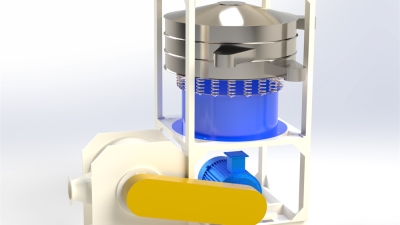
Complementing the mill is the rotary vibrating screen, which utilizes precision vibration forces generated by a specialized motor to effectively sort materials like silicon powder and EVA. This equipment ensures that different particle sizes are rapidly and accurately separated, allowing for a streamlined recycling process. The synergy between the grinding mill and the vibrating screen enhances the overall efficiency of solar panel recycling, ensuring that valuable resources are not only recovered but are also prepared for reuse in new solar technologies.
FAQS
: Manufacturers struggle with navigating complex regulations that vary by region and equipment type, confusion over different certification body requirements, and lengthy timelines for approval.
Manufacturers can stay informed by regularly attending industry seminars and workshops, allowing them to align their products with changing requirements.
Testing procedures can be time-consuming and costly, requiring specialized knowledge and resources that may not be readily available to all manufacturers.
Collaborating with experienced third-party testing labs and investing in pre-certification consulting can help identify potential issues early, reducing delays and costs.
Global standards ensure safety, performance, and sustainability, enhancing equipment performance and minimizing environmental impact during separation processes.
By adhering to stringent regulations, manufacturers can create more advanced equipment that incorporates cutting-edge technologies, meeting the increasing demand for effective solar waste recycling practices.
Over 60% of manufacturers reported obstacles related to compliance and certification, negatively impacting their operational efficiency.
Implementing real-time monitoring systems and predictive analytics can streamline operations and enhance productivity, enabling quicker compliance verification.
Investing in automated compliance management tools and fostering a culture of continuous improvement through employee training can help improve the certification process.
Predictive maintenance strategies utilize real-time data to minimize downtime and optimize performance, allowing companies to forecast maintenance needs and improve service delivery.