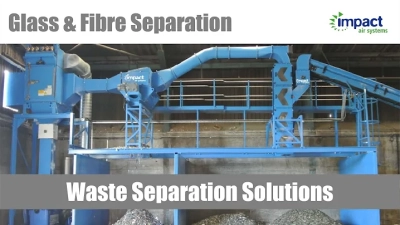
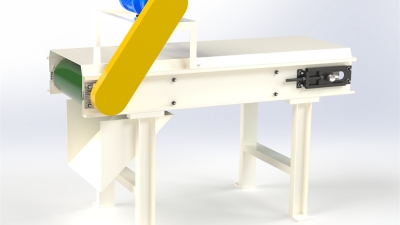
Lately, we've been seeing a real boost in demand for sustainable energy solutions, mostly thanks to the rapid rise of electric vehicles and renewable tech. The lithium battery market, in particular, is attracting a lot of attention, with estimates saying it'll hit over $100 billion by 2025—that's huge! This kind of growth really emphasizes how important it is to develop efficient ways to recycle batteries. One key part of that is the Lithium Battery Separation Plant Production Line, which helps recover valuable materials in an eco-friendly way. Henan Shanshui Heavy Industry Technology Co., Ltd., founded back in 2013, has really stepped up to lead the charge here. They're focused on R&D and manufacturing solutions for lithium battery recycling. By leveraging the latest technology and sticking to sustainable practices, they're working hard to tackle the battery waste problem and support a circular economy—pretty inspiring, right?
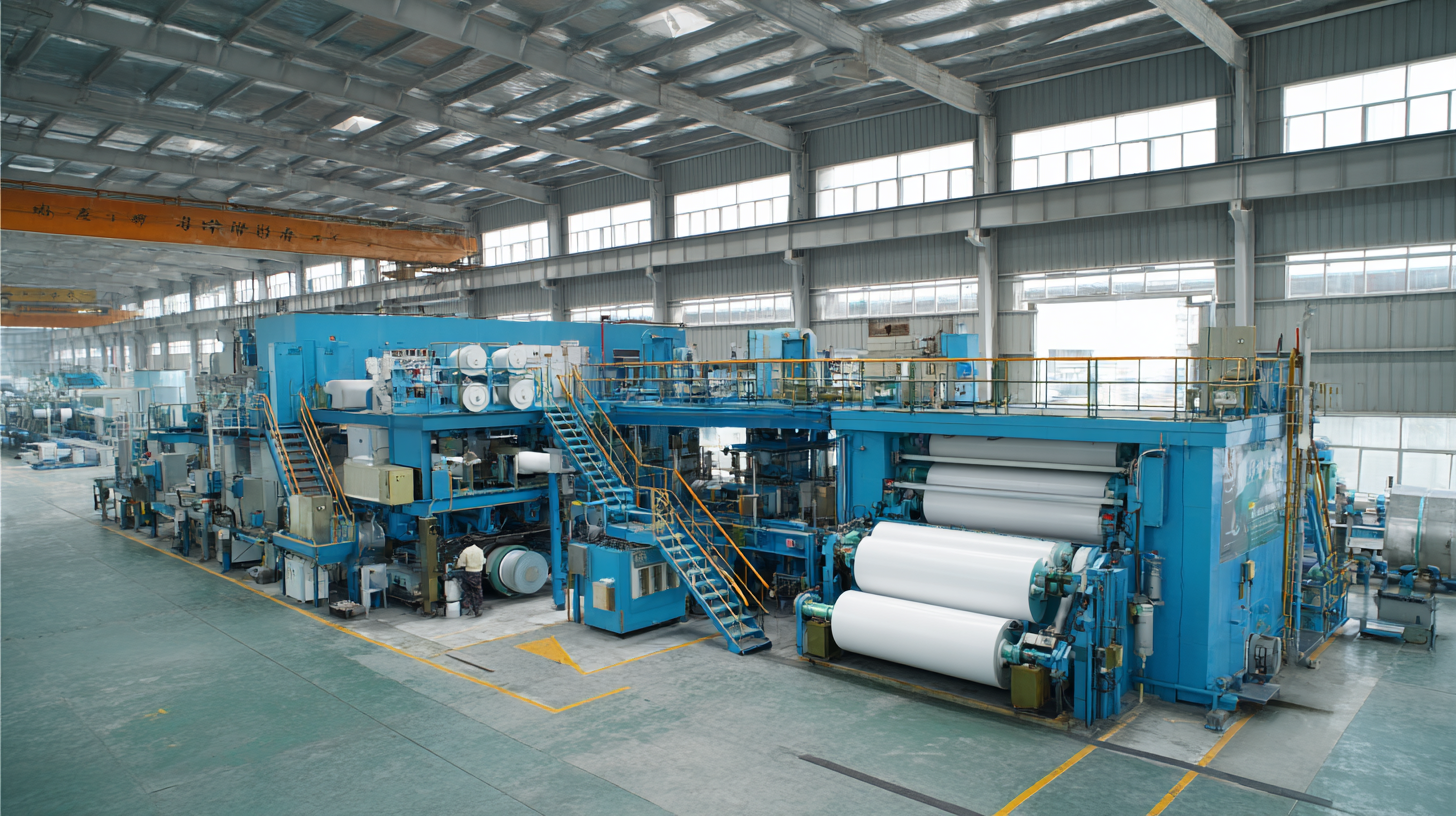
Comprehensive Overview of Lithium Battery Market Dynamics in 2023
As we move further into 2023, the lithium battery market is shaping up to be pretty dynamic, and companies really need to keep up. A recent report by Allied Market Research suggests that by 2027, the global lithium-ion battery market could be worth around $129.3 billion — that’s a huge jump, growing at nearly 20% every year since 2020. The main drivers here? More people are buying electric vehicles, adopting renewable energy storage solutions, and upgrading their gadgets. Because of that, companies are scrambling to boost their production and come up with newer, better battery tech to meet the soaring demand.
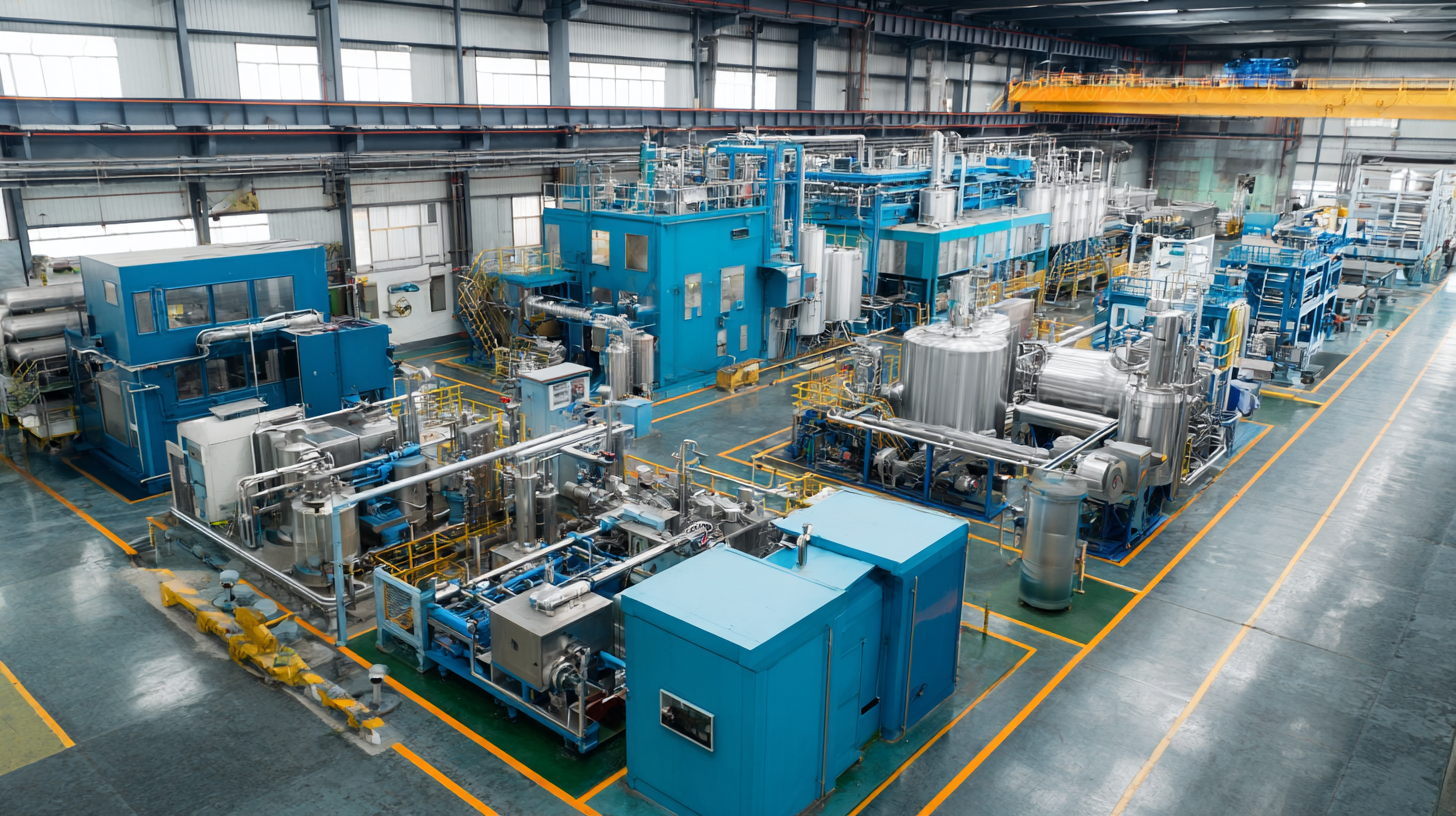
Given the global shift towards sustainable energy solutions, it’s super important to stay in the know about what's happening in the market. One key area to watch is battery recycling — it’s expected to become a game-changer, creating a potential $20 billion industry by 2040, according to the International Energy Agency. Not only does this help with resource shortages, but it also resonates with eco-conscious consumers looking for greener options.
And let’s not forget about regulations. Countries are tightening up rules around how batteries are made and disposed of, aiming to cut down on environmental harm. It’s a smart move for businesses to stay compliant and adopt more sustainable practices. Incorporating greener technologies in manufacturing isn’t just good for the planet — it can also boost your brand image and improve profits in the long run.
Key Technical Specifications and Innovations in Battery Separation Technologies
Hey, you know, the demand for lithium batteries is really skyrocketing right now. It’s all thanks to the rapid rise of electric vehicles and the push toward renewable energy storage—things are moving fast! Recent market insights show that the lithium-ion battery recycling industry could hit a massive $19.2 billion valuation by 2027. That just goes to show how urgently we need smarter, more efficient ways to separate and recycle old batteries. Henan Shanshui Heavy Industry Technology Co., Ltd. is actually leading the charge here, focusing on building innovative machinery that makes battery recycling not only more efficient but also more eco-friendly.
Our top-of-the-line Lithium Battery Separation Plant features some pretty advanced tech. We combine mechanical and chemical separation methods to recover valuable materials—like lithium and cobalt—while keeping environmental impact to a minimum. The equipment we use can recover over 95% of these key components, which is a big deal for battery makers. Plus, we've got cool innovations like automated sorting systems and real-time performance monitoring—that means better efficiency and lower costs, all while keeping sustainability in mind.
As the industry keeps evolving, it's so important to stay ahead with cutting-edge technology. Not just to meet all the rules and regulations, but also to tackle the huge problem of electronic waste. At Henan Shanshui Heavy Industry, we’re really committed to R&D, pushing the boundaries of what's possible so we can stay at the forefront of this battery recycling revolution. It’s all about making a difference and keeping the future bright—and green, of course.
Analysis of Efficiency Improvements in Premier Production Lines for Lithium Batteries
Lately, there's been a real surge in demand for lithium batteries, mainly because electric vehicles and renewable energy storage are becoming more popular than ever. To keep up, Premier’s production lines for these batteries have really ramped up their efficiency. They've brought in some cutting-edge automation tech and tweaked their workflows — now, they’re producing more at a lower cost, which honestly helps them stand out in the industry.
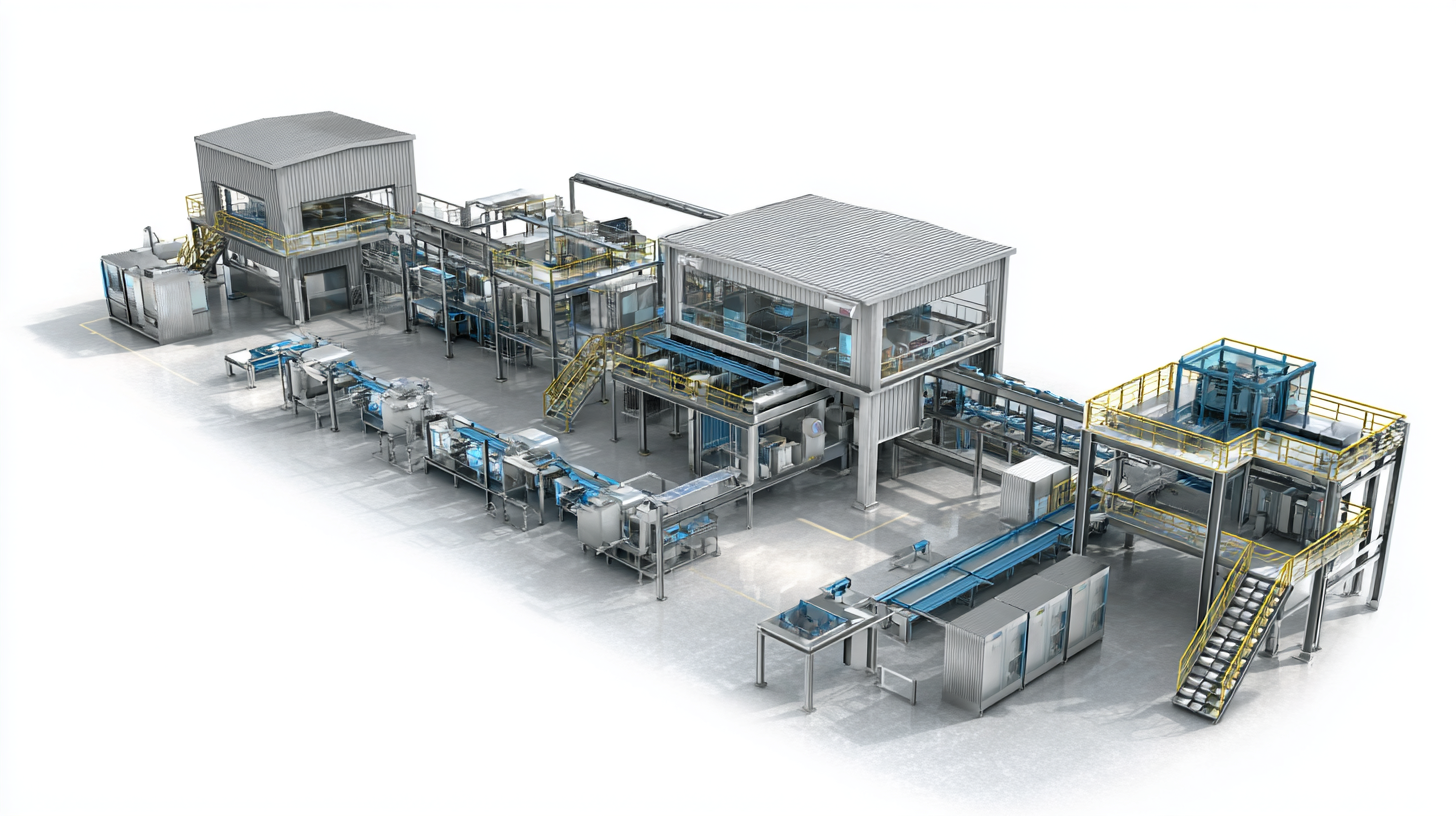
One of the biggest wins has been the use of real-time data analytics. By constantly keeping an eye on the process, managers can spot bottlenecks quickly and fix issues on the fly. Plus, their streamlined method of separating battery components cuts down on waste and speeds up the whole process, making everything run smoother. These tweaks not only boost the output of Premier’s lithium batteries but also push for more eco-friendly manufacturing, which aligns with the global push to be kinder to our planet.
China's Competitive Advantage in Global Lithium Battery Manufacturing: A Data-Driven Perspective
China really holds a strong lead when it comes to making lithium batteries globally, and a big part of that is because they rely on smart, data-driven strategies that give them an edge over the competition. Thanks to some serious tech advances and a pretty slick supply chain setup, Chinese manufacturers can produce these batteries at lower costs without sacrificing quality—which is a huge advantage. This kind of efficiency helps them keep up with the skyrocketing global demand for electric cars and renewable energy solutions, where lithium batteries are absolutely essential.
If you’re thinking about jumping into the lithium battery game, it’s worth paying close attention to how China handles their supply chains. Investing in local raw material sourcing and building partnerships with top battery tech firms can really help new players cut down on costs early on.
Plus, China's big focus on research and development has pushed its battery industry to the cutting edge of innovation. They keep pouring resources into developing new tech that makes batteries more efficient and longer-lasting. This constant push for innovation also means Chinese manufacturers are pretty quick to adapt to changes in market needs.
For startups looking to get into this space, I’d definitely say focus on R&D. Coming up with unique battery chemistries or specialized solutions for niche markets can really set you apart and open doors to international opportunities. Basically, being innovative and strategic about R&D might just be the key to staying competitive and making a mark worldwide.
Global Lithium Battery Manufacturing Comparison (2022)
This chart illustrates the production capacity of lithium battery manufacturers across different countries in 2022, highlighting China's significant competitive advantage in the industry.
Sustainability Practices in Lithium Battery Production: Meeting Global Standards
You know, in the fast-changing world of lithium battery production, everyone’s really starting to focus on sustainability. It’s become a big deal for manufacturers who want to keep up with global standards. Honestly, with more and more people relying on energy storage — whether it's our phones, laptops, or electric cars — it’s super important to cut down on the environmental mess during production. It’s not just about lowering carbon emissions; it’s also about being smarter with resources — cutting waste, recycling more, and using processes that are kinder to the planet.
Getting it right means looking at everything from start to finish. That means sourcing raw materials responsibly, and constantly exploring new tech that makes things more energy-efficient. Manufacturers are being encouraged to follow strict environmental rules, which isn’t always easy. But if they embrace sustainable practices — like switching to renewable energy or improving how they recover and reuse materials — they can actually help steer the industry towards a greener future. The goal is to meet the huge demand for tech without sacrificing the health of our planet — kinda like doing more with less, right?
Comprehensive Technical Specifications for the Premier Lithium Battery Separation Plant Production Line - Sustainability Practices in Lithium Battery Production: Meeting Global Standards
| Specification | Values | Sustainability Aspect |
| Input Capacity | 500 tons per day | Energy Efficiency |
| Separation Efficiency | 98% | Resource Recovery |
| Water Consumption | 50 liters per ton | Water Conservation |
| Waste Generation | 10% by weight | Waste Management |
| Carbon Emission Reduction | 30% reduction | Emission Control |
| Recycling Rate | 85% | Circular Economy |
Maximizing Efficiency: The Essential Role of Lithium Battery Recycling Equipment and Magnetic Separators in Sustainable Practices
In recent years, the importance of sustainable practices in the lithium battery industry has surged, driving the demand for effective recycling solutions. A key player in this process is the lithium battery magnetic separator, which plays a vital role in maximizing efficiency during the recycling of lithium batteries. According to a recent report by the International Energy Agency (IEA), the global demand for lithium-ion batteries is expected to reach 2,500 GWh by 2030, necessitating enhanced recycling measures to reclaim valuable resources and minimize environmental impact.
The lithium battery magnetic separator operates on the principle of separating magnetic substances from non-magnetic materials through differences in their magnetic properties. This equipment efficiently attracts and separates iron and metal particles from lithium batteries, significantly improving the recovery rates of valuable materials. A study from the Journal of Cleaner Production highlights that employing advanced magnetic separation techniques can increase the recovery of cobalt and nickel—key components in lithium-ion batteries—by up to 90%, thereby bolstering the sustainability of battery production and reducing reliance on virgin raw materials.
Moreover, as regulatory frameworks tighten around e-waste and battery disposal, the integration of magnetic separators in recycling processes not only streamlines operations but also aligns with global sustainability goals. The World Economic Forum reports that up to 95% of lithium, nickel, and cobalt can be recycled with proper techniques, underscoring the significance of technologies like magnetic separators in achieving circular economy targets within the lithium battery lifecycle. The transition towards greener practices is essential, and investing in efficient recycling solutions is a fundamental step in ensuring resource conservation and environmental protection.
FAQS
: Premier's lithium battery production lines have implemented advanced automation technologies and optimized operational workflows, resulting in higher throughput and reduced production costs.
Real-time data analytics allows managers to continuously monitor the production process, identify bottlenecks, and implement immediate corrective actions, thereby enhancing overall efficiency.
The streamlined separation process minimizes waste and allows for faster transitions between different production stages, contributing to higher output and sustainable manufacturing practices.
China's competitive advantage is bolstered by data-driven strategies, advanced technology, a streamlined supply chain, and the ability to produce batteries at lower costs without compromising quality.
Companies should study China's supply chain optimization approach, invest in local sourcing of raw materials, and foster partnerships with leading battery technology firms to reduce production costs.
Prioritizing R&D allows startups to develop unique battery chemistries and application-specific solutions, helping them remain competitive and facilitating partnerships that could lead to access to international markets.
Sustainability practices are crucial for manufacturers aiming to reduce the environmental impact of battery production, ensuring compliance with global standards and promoting resource-efficient processes.
Manufacturers can implement sustainability best practices by sourcing raw materials responsibly, utilizing renewable energy sources, and optimizing material recovery systems throughout the production process.
Manufacturers need to focus on reducing carbon footprints, minimizing waste, and promoting recycling to align their operations with stringent environmental regulations.
Integrating sustainable practices can significantly enhance the industry's efforts toward ecological integrity, ensuring that high technological demands do not adversely affect the environment.