
- shanshui@shanshuizg.com
- We Will Respond to Your Inquiry Within 24 Hours of Receipt!
Leave Your Message
- Phone
- E-mail
- Whatsapp
- Wechat

The rapidly changing market for Aluminum Metal Recycling is witnessing a growing demand on account of the new awareness towards environmental sustainability and resource conservation. The International Aluminum Institute projects that the global aluminum recycling market will reach USD 130 billion by 2027, with a CAGR of 6.5% since 2020. This growth signifies the need for garnering high-level aluminum recycling suppliers who can suitably assist in such eco-friendly initiatives with the efficient processing of scrap materials.
Established in 2013, Henan Shanshui Heavy Industry Technology Co., Ltd. is a significant player in this important market, one dedicated to research, development, and manufacture of green machines. The company specializes in the manufacture of waste Solar Panel and lithium battery recycling equipment production lines and represents the cutting edge in the technology required to satisfy the needs of contemporary recycling processes. By emphasizing activities such as Aluminum Metal Recycling, Henan Shanshui Heavy Industry is leading in the reduction of landfill waste and conservation of important resources, thus setting a standard amongst international recycling suppliers.

High quality aluminum recycling is the panacea to several present-day problems, including those revolving around the environment and economy in the metals market. Although aluminum ranks next to ferrous metals in the quantity of recycling across the world, International Aluminum Institute states that out of about 75% of all aluminum produced throughout its existence, only about 5% energy required for production from ore may be taken for recycling. Net greenhouse gas emissions will be reduced because of this. By contacting reliable aluminum metal recycling suppliers, businesses can participate with minimal input in the great contribution known as sustainability. High-quality recycling of aluminum is important to a lot more than just the environment; it greatly improves the integrity of the materials Being produced. Secondary aluminum can be produced with a purity rate exceeding 99%, which qualifies it for numerous advanced applications in areas such as aerospace and automotive. A report by the Aluminum Association shows that recycled aluminum could have over 90% of the mechanical properties of its virgin counterpart. Industries that deal with or use such raw materials can thus maintain the product's integrity while nurturing a circular economy. This is far more important than just compliance in having a good supplier in the recycling space. This is going to result in having better quality Aluminum without a doubt, but it is also going to contribute to local economies and responsible practice in waste management as to what a supplier says. For instance, the Global Recycling Foundation claims that responsible sourcing is the one lead into responsible local economies that will in turn make innovation in the right directions when it comes to waste management in the cities. Businesses hence need to know what high-quality aluminum recycling is all about before making smart choices that balance environmental objectives with industry standards.

Understanding the core selection factors for high-class suppliers of aluminum metal recycling around the world is vital. The first of these criteria is the reputation of the supplier in the sector. Most of the times, well-known suppliers with good reviews by their clientele are usually worth considering for their reliability and trustworthiness. The history, number of years in business, and feedback on them can give quite an insight into their operational integrity and dedication to quality recycling practices.
Along with reputation, transparency should matter when choosing a recycling supplier. They should be able to verify their processes, certification, and policies of environmental compliance. This not only makes you feel assured about how well they are operating but also gives confidence that they are in accordance with the industry's standard and the law. Furthermore, consider the fact that they are geographically cumbersome and able to move product areas to keep their transportation costs down and recycling less complicated.
Lastly, such a wide range of services offered by the supplier may also be significant. Several suppliers extend their services to provide collection, sorting, and processing of products, in which case your operations would streamline. Knowing their technological advancement level and capacity about the various grades of aluminum they handle will also influence your choice. All these key parameters will ensure partnering up with a reliable metal recycling supplier in aluminum suited to your business aspirations.
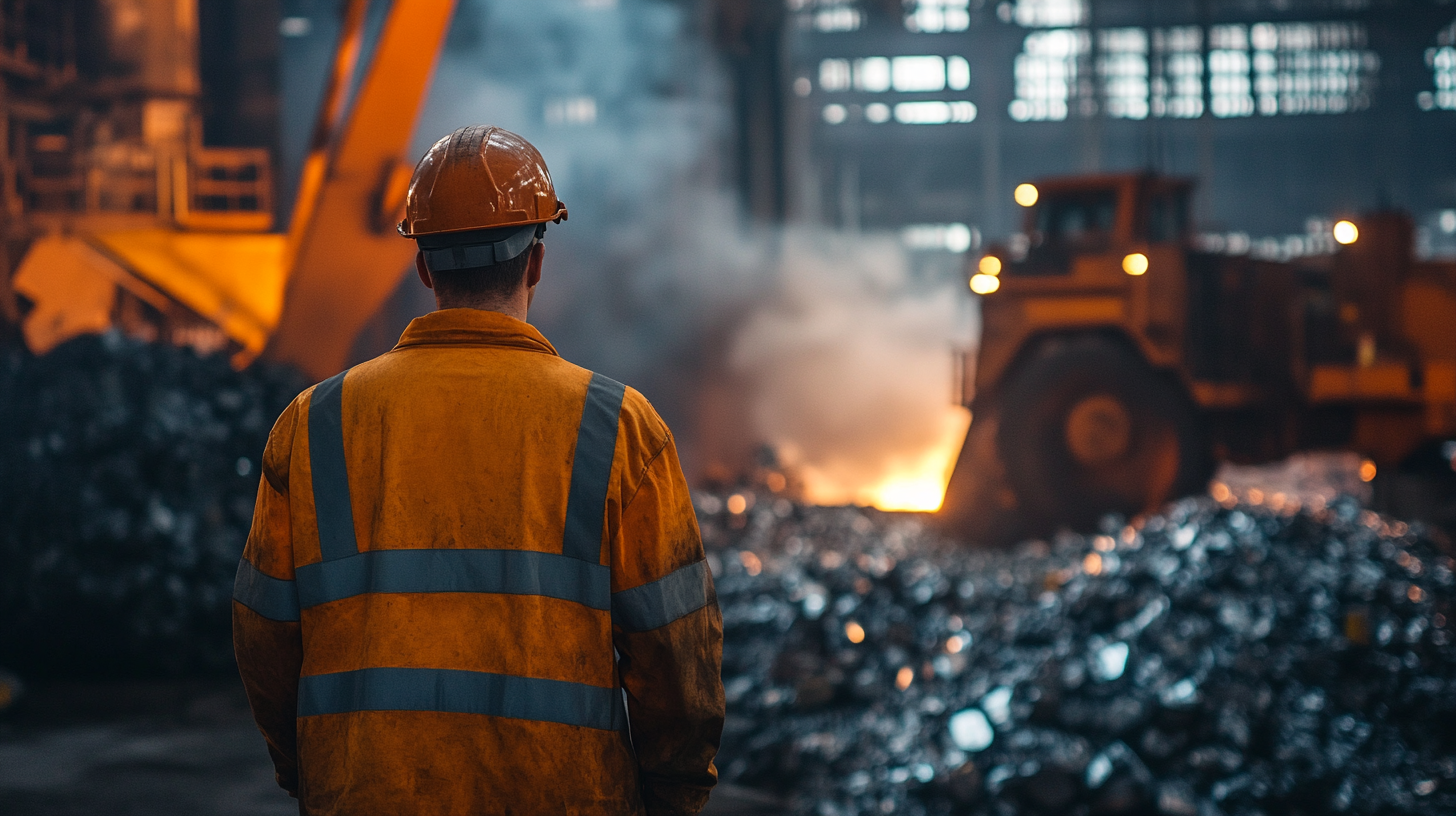
Understanding top markets around the globe is very important for sourcing high-grade aluminum metal recycling suppliers. The global aluminum recycling market has been worth approximately $71 billion in 2020 and is estimated at around $104 billion by 2026, at a CAGR of 6.5%, as reported by Research and Markets. Increased use of aluminum in sectors like automobiles, construction, and consumer goods would act as key drivers of the market growth.
North America is one of the best markets for suppliers in aluminum recycling, mainly due to stringently enforced environmental regulations and increasing sustainability emphasis among manufacturers. According to the Aluminum Association, over 90% of aluminum used in vehicles is recyclable; this presents a good opportunity for suppliers in this region. Besides this, the U.S. houses many major players alongside advanced recycling technologies, making it an attractive market from where sourcing can be done.
In Europe, Germany and Italy are excelling in aluminum recycling. The European Recycling Industry Confederation cites Europe recycling approximately 95% of aluminum beverage cans. There are many more policies like the European Green Deal, which aims at going deeper with recycling rates. Therefore, this region has enough room for suppliers aimed at procuring quality recycled aluminum.
Asia-Pacific, too, is an emerging big market, especially in countries such as China and India, where rapid industrialization is leading to hunger growth in aluminum products. The Aluminum Association of India says that the country is on the threshold of really bustling with action on aluminum recycling; this is on the back of initiatives that aim to bridge the circular economy and lower the burden on the environment. This makes it all the more significant to source quality aluminum recycling suppliers worldwide for meeting swelling demands effectively.
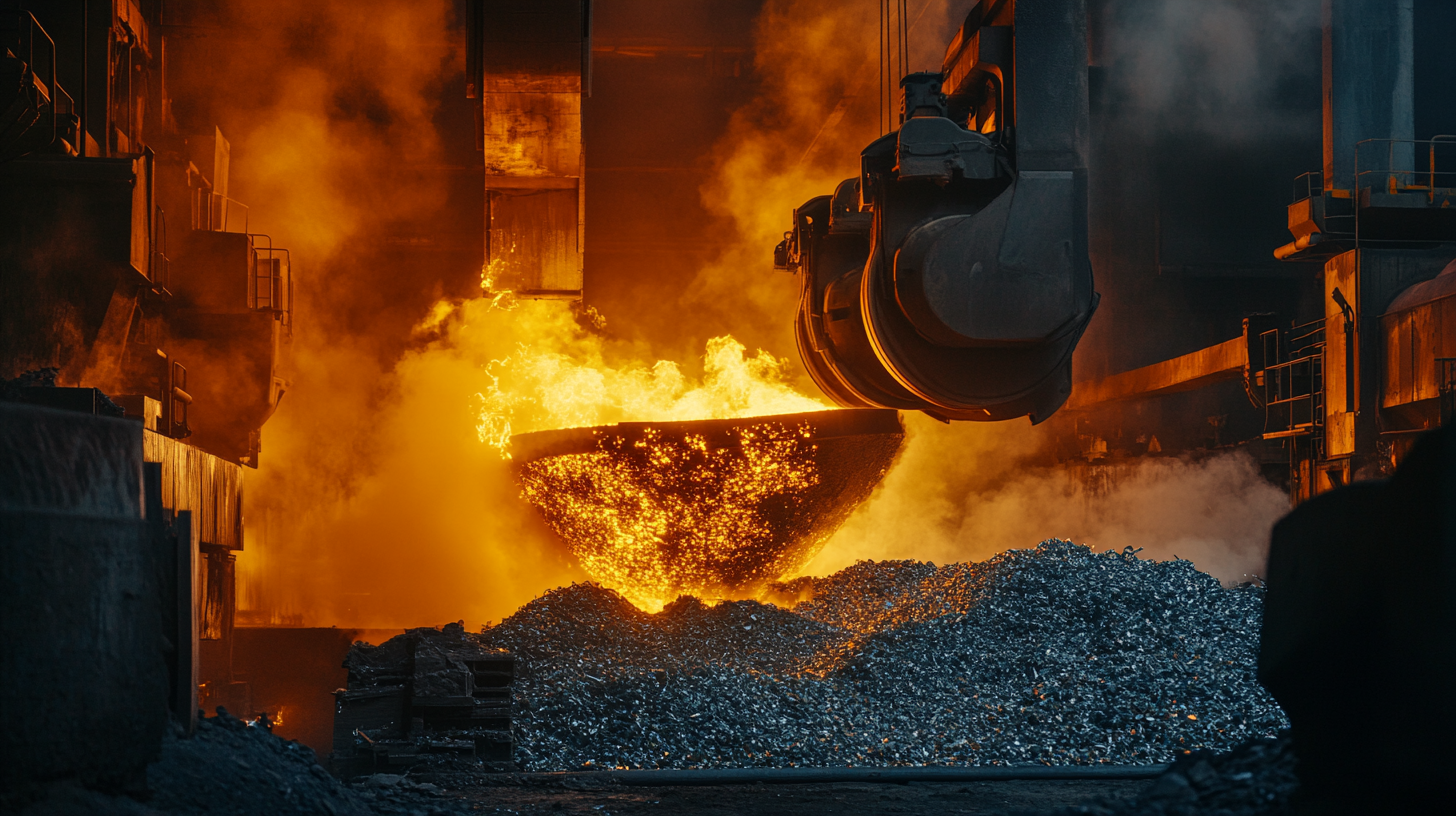
Understanding Innovative Technologies of Aluminum Recycling gives sources of good quality aluminum metal recycling suppliers. The recycling industry is changing all the time over the globe. Suppliers containing above technologies work more efficiently and in an eco-friendly process. Most importantly, one of the valuable advancements made in technical field is the advanced artificial intelligence-enabled sorting systems. These systems will distinguish aluminum grades quite well, thus improving more on the quality and lower contamination of recycled material.
Recyclers employing hydrometallurgical processing neighbor their ability to extract aluminum, for example with minimal footprint on the environment. This is because this process uses aqueous solutions in separating aluminum from other materials, thus avoiding energy-intensive smelting processes. So businesses can go up with using that kind of suppliers while improving the increasingly sustainable ways leaving the waste and getting pure and much more values in term of recycled aluminum.
Closed-loop recycling systems are the other exciting development in aluminum recycling. High-quality aluminum products can generally be recycled back into their original form without degradation, not only to save resources but also to promote a circular economy-from which aluminum may be used again and again. When examining potential suppliers, it is crucial to assess their commitment to these innovations, as these are measures of the future-orientation and responsibility of their recycling operations.
This will be the introductory paragraph of a paper that an organization wants to publish regarding strategic supply chain management in its niche value area. One such important area is developing strong partnerships and relationships with aluminum recycling suppliers as having them can ensure better optimization within supply chains and sustainability initiatives of organizations. The industry of aluminum recycling has increased significantly from the statistics provided by the Institute of Scrap Recycling Industries (ISRI), which states that recycled aluminum saves about 95 percent of energy use as compared to fresh production from ore. Such measures further add operational cost reduction with the achievement of environmental goals.
Such relationships can also accrue many benefits, including better prices and predictable delivery schedules with improved quality controls. According to the Aluminum Association, approximately 75 percent of all aluminum ever produced is still in use today, signifying how much recycling can contribute to reducing waste in landfills and consumption of resources. By working closely with quality-focused suppliers, businesses can rely on the aluminum they buy as meeting strict industry standards and improve their selling products.
Communication and transparency indeed become fundamental elements in this whole process. Regular communication about supply capacity, market conditions, and quality specifications paves the way for building mutual trust and minimizing potential harm. There is also a report that states that strong the relationship among suppliers comes from the openness and coherence of dialogue and objectives, which brings ideas for new recycling processes and equipment. These strategies can significantly enhance the coalition with aluminum recycling suppliers in shaping a more sustainable future.
Suppliers in the aluminum metal recycling domain have to stay clear of modern laws and environment regulations for high quality and sustainability. In the global concerns for environment, countries have stringent provisions for waste management and recycling. Countries like China have to confront the problems of their red mud production because as the largest alumina producer-they produce nearly 100 million tons each year-and the utilization of this by-product is below 10 percent. Such a scenario raises a technology-economic gap in the full-term use of waste materials and hence an importance for suppliers to remain up-to-date with those regulatory frameworks that would affect their business.
Meanwhile, Japan will make compulsory solar panel recycling, which will mature waste starting from the year 2030 and so on. The aim is not only to minimize landfill but also to lessen environmental footprints: it is a trend, and the world is indeed going in this circle of circular economy, which is becoming quite an important aspect of sustainable development. These dynamic laws imposed would be sure to changes suppliers in the aluminum recycling space in keeping with their present operations.
It is reported that aluminum has a great importance in the global economy and it plays a key role resource security and job creation. The establishment of China's all-around waste recycling system is thus a strong testimony to the position of this industry. As the government requires effective waste management regulations-prohibiting import of solid waste since January 2021-demand for recycling activities will heighten, thus requiring suppliers to innovate and adapt to use-compliant shifts.
When sourcing high-quality aluminum metal recycling suppliers globally, it is crucial to evaluate their sustainability practices and certifications. Since sustainability has taken center stage in supply chain management, suppliers must also have good practices in terms of greenhouse gas emission reduction and implementing sustainable resources. All indications suggest that this increased focus on a greener supply chain has industry leaders setting new ambitious goals that align with international climate agreements.
Take, for instance, companies putting up targets to use more recycled materials in their products-such practice reduces the carbon footprint to a greater extent. Such requirements of third-party verified sustainability standards will help evaluate suppliers in their commitment to environmentally responsible practices. Certification from a recognized body is a clear indication that a supplier is committed to open operations and continuing improvement in sustainability performances.
"Ethical sourcing is becoming a must these days; potential partners should also be able to show how they nurture their beneficial relationship with the local communities and ecosystems. Some possible examples are responsible sourcing of raw materials, advancements in technologies that optimize resource use, etc." By prioritizing suppliers showing a strong commitment to sustainability, businesses can greatly boost their overall supply chain performance while leading to a healthier planet.
Negotiating a competitive contract with suppliers in the aluminum metal recycling industry entails an element of strategy. An understanding of the global market landscape is fundamental. This is because suppliers have different pricing depending on various circumstances such as locations, demand, and purity levels of recycled materials. Therefore, before commencing negotiations, strategically researching the regional market rates and identifying potential suppliers who are reliable and good in their own work is essential. This way, the negotiator possesses leverage in placing good offers and conditions and can therefore assess what can fairly be priced.
When introducing the supplier, you need to be clear about your needs. Convey your expectations regarding quality, delivery, and service. This influences not only the tone of the partnership but also gives the supplier an understanding of the value you place on their service. Develop a relationship with the supplier; a healthy relationship means a better deal. A supplier that feels valued is more likely to respond in kind during negotiations with lowering their price or providing an additional service like logistics support.
Finally, do not shy away from competing. Ask all suppliers for price quotes and use that information as leverage in your talks. If a competitor gives you better terms, sharing this with your preferred supplier can persuade them to move on their proposal. Overall, a mix of market research, clear communication, and competitive leverage is bound to bring you good deals with aluminum recycling suppliers all over the world.
Building strong relationships with suppliers helps optimize supply chains, enhance sustainability efforts, and leads to advantages such as better pricing, reliable delivery schedules, and quality control.
Recycled aluminum provides about a 95% savings in energy use compared to producing new aluminum from ore.
Approximately 75% of all aluminum ever produced is still in use today, highlighting the importance of recycling.
Regular discussions about supply capacity, market trends, and quality specifications foster mutual trust and can lead to collaboration and innovations in recycling methods.
Businesses should evaluate suppliers' sustainability practices, certifications, and their commitment to reducing greenhouse gas emissions and implementing sustainable resources.
Certification from recognized third-party organizations indicates a supplier's dedication to transparent operations and continual improvement in sustainability practices.
Suppliers can show their commitment to ethical sourcing by engaging in responsible sourcing of raw materials and fostering sustainable relationships with local communities and ecosystems.
Incorporating recycled materials significantly decreases a company's carbon footprint and is aligned with sustainability goals.
Sustainability practices are integral to supply chain management as they help businesses reduce environmental impact and improve overall performance.
By prioritizing suppliers that show strong commitment to sustainability, businesses can enhance their supply chain performance while contributing to environmental health.