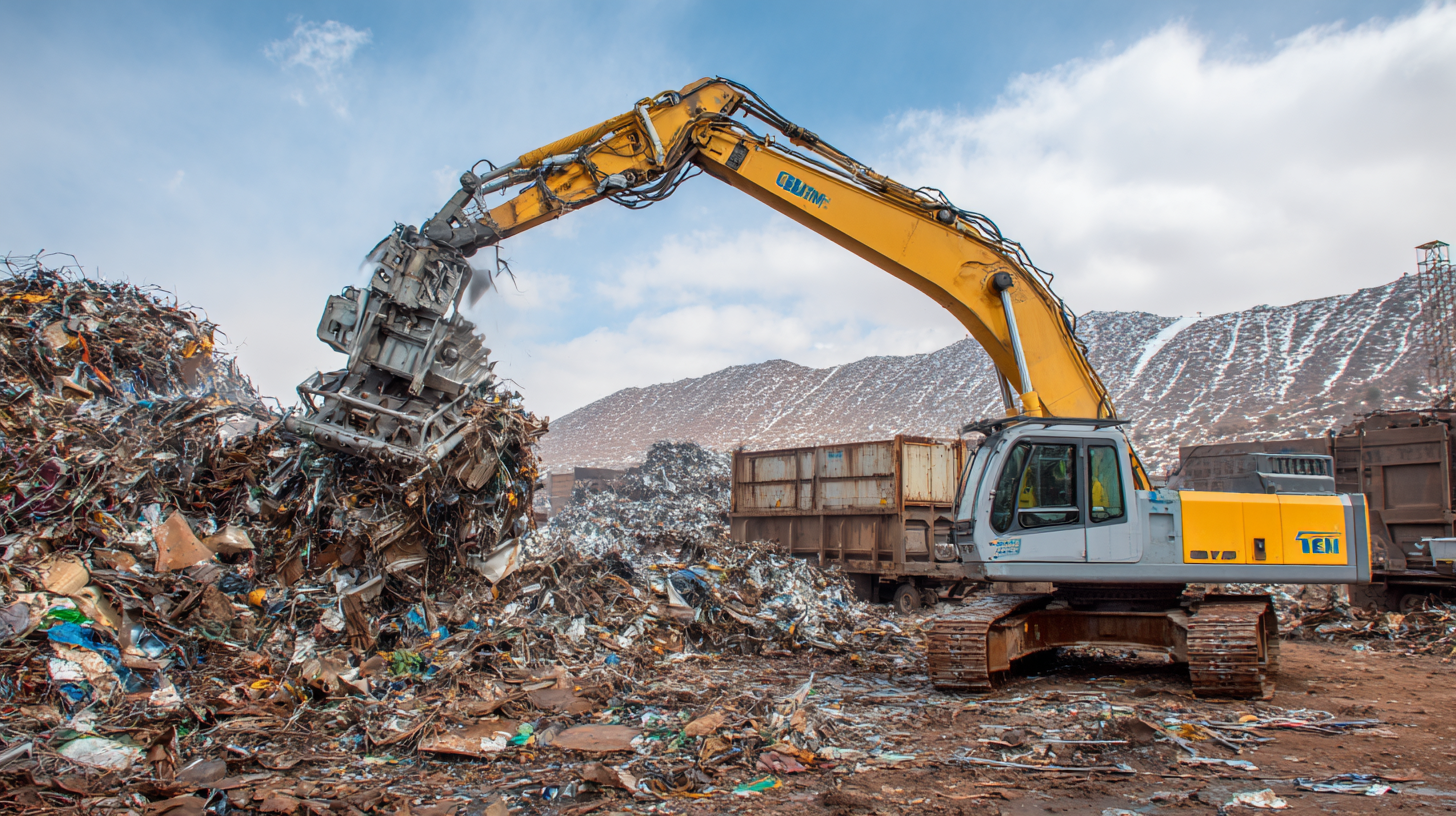
You know, in today’s fast-paced world of recycling and waste management, companies really need to get the most out of their Scrap metal shredders if they want to boost their sustainability and efficiency. Here at Henan Shanshui Heavy Industry Technology Co., Ltd., we totally get that it’s not just about offering top-quality shredders – we've also got to make sure our maintenance is easy on the wallet and that our after-sales service is top-notch. Since we kicked off back in 2013, we've poured our hearts into developing green technology, especially focusing on creating production lines for recycling waste Solar Panels and lithium batteries. So, in this blog, we're putting together a handy checklist to help businesses really optimize theirScrap Metal Shredders. We want to make sure you’re getting the best bang for your buck with smart maintenance and stellar support services.
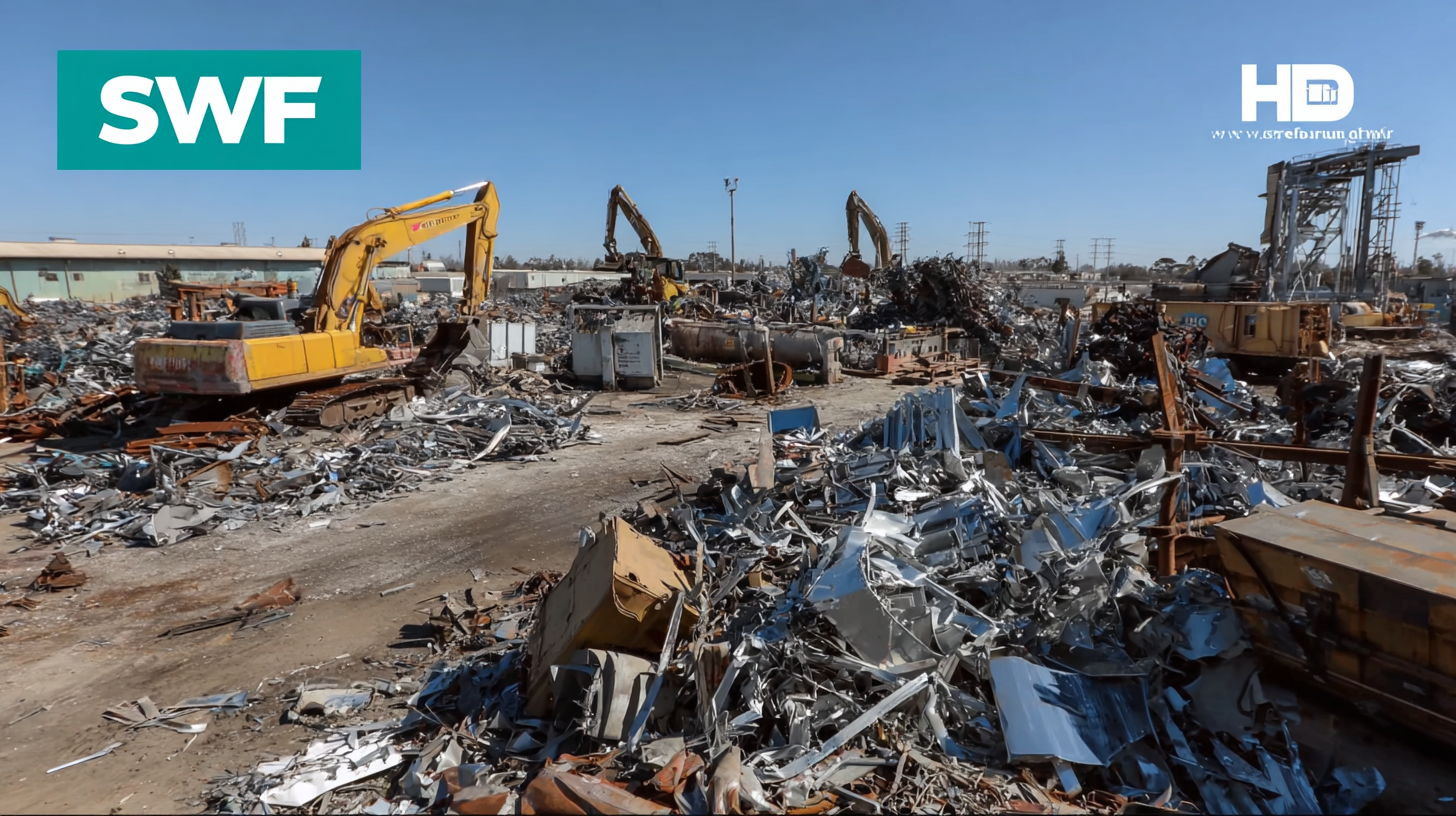
You know, when we look at the current market, it’s pretty clear that scrap metal shredders play a super important role in boosting value, especially in the fast-growing green steel industry. With a goal to ramp up green steel production by 2030, it's clear we're going to need to step up our recycling game big time. These shredders do a fantastic job of breaking down steel from cars that have seen better days, helping us reclaim and reuse valuable materials instead of letting them pile up in landfills. It’s a win-win—it supports sustainability efforts and helps cut down on the costs tied to digging up new raw materials.
And get this—if we peek at the global steel scrap market, projections show quite a jump in growth, from about 543.2 million metric tons next year, shooting up to around 727.1 million by 2030! This surge really highlights how much we need effective shredding solutions that can handle all this extra scrap. Plus, let’s not overlook the importance of having affordable maintenance and solid after-sales support to keep these machines running smoothly. By putting money into top-notch shredding equipment and having a reliable support system in place, businesses can really fine-tune their operations, minimize downtime, and ultimately boost their profits in this competitive scrap metal scene.
You know, when you're looking at how well scrap metal shredders perform, it’s super important to get a grip on those key performance indicators—commonly known as KPIs. These can include things like throughput, energy consumption, and how long the machine can run without downtime. For instance, there's this study from the American Institute of Scrap Recycling Industries (ISRI) that says if you optimize shredder throughput, you could see performance boosts of up to 30%! That's pretty impressive, right? It can make sure that metal processing stays both efficient and cost-effective. Maximizing throughput is a game changer; not only does it ramp up productivity, but it also means more cash flow since you can process a ton more materials in less time.
Then there’s the whole energy efficiency thing—it’s totally crucial too. Companies like Henan Shanshui Heavy Industry Technology Co., Ltd. are really stepping up with eco-friendly machines that cut down on energy use without skimping on performance. Research shows that using these cutting-edge shredders can slash energy consumption by 15-20%. That really hits home when you think about aligning operational efficiency with sustainability goals.
And let’s not forget about after-sales support. Regular maintenance and monitoring are essential to keep these machines running at their best. So, putting your money into top-notch shredders that come packed with advanced tech and backed by solid service can really pay off in terms of boosting your bottom line in the scrap recycling biz.
When it comes to scrap metal shredding, keeping up with preventive maintenance really is key to getting the most out of your machinery. Recent studies have shown that using predictive maintenance, especially with the help of AI and machine learning, can give a serious boost to how efficiently things run. For instance, tools powered by AI can actually improve factory uptime by as much as 15% by predicting when equipment might fail or need maintenance. This kind of proactive maintenance means scrap metal shredders can keep humming along without those annoying unexpected downtimes that can hit the wallet hard.
On top of that, industry analysts are saying that the global market for predictive maintenance in automotive applications is set to soar. This just goes to show that more folks are waking up to how important it is to manage their assets across different sectors. Take the Robot Preventive Maintenance Market, for example—it’s expected to hit USD 19.12 billion by 2034, growing at a CAGR of 11.22%. This pretty impressive growth mirrors the growing trend of adopting advanced analytical techniques and real-time data monitoring, and guess what? Those strategies aren't just for automotive—they can totally be applied to the scrap metal recycling world too. By embracing these cutting-edge technologies, companies can really extend the life of their shredders while making sure they remain reliable and efficient.
You know, in the cutthroat world of scrap metal shredding, having a great after-sales service can really make a difference in how happy and loyal customers feel. If we take a look at what different companies are offering, it's pretty clear that those who focus on solid maintenance support and are quick to help out have a leg up when it comes to grabbing market share. Things like fast response times, easy access to spare parts, and top-notch technical support are absolutely key to making customers feel good about their experience.
So, if you're looking to get the most out of after-sales service, it’s a good idea to set up a support team that customers can easily reach out to. Also, offering thorough training on how to use the equipment really helps. And don’t forget about keeping a maintenance schedule in place to avoid any downtime! Plus, touching base regularly can help catch potential problems before they get out of hand, which is a win-win for everyone involved.
Investing in excellent after-sales service isn’t just about keeping clients happy—it's also about making sure your business can stick around for the long haul. By always striving to improve and adjusting to what customers need, companies can really stand out in this growing market, which is estimated to hit $577.2 billion by 2034 with a decent growth rate of 6.5%.
| Company/Service Provider | Response Time (Hours) | Annual Maintenance Cost (%) | Customer Satisfaction Rating (1-5) | Warranty Period (Years) | Part Availability (Days) |
|---|---|---|---|---|---|
| Provider A | 4 | 10% | 4.5 | 2 | 5 |
| Provider B | 8 | 12% | 4.2 | 3 | 3 |
| Provider C | 12 | 8% | 4.8 | 4 | 2 |
| Provider D | 6 | 9% | 4.0 | 3 | 4 |
The world of scrap metal shredding is really changing fast these days, all thanks to new tech and the growing demands of the market. Did you know that the global scrap metal recycling market is expected to hit a whopping $577.2 billion by 2034, with a solid growth rate of around 6.5%? It’s super important for businesses to keep their ear to the ground and stay on top of trends that will drive future growth. With the latest shredding technologies, like AI and automation, businesses are boosting their efficiency and material recovery rates, which means they're getting a lot more value out of what they do.
On top of that, sustainability is becoming a huge factor in the recycling world. As eco-friendly manufacturing practices start to take off, the global recycled metal market is projected to grow from $75.47 billion in 2025 to about $99.13 billion by 2029. This growth is all about the increasing focus on conserving resources and protecting our environment. Companies that put their money into top-notch shredding equipment and really commit to great after-sales service aren’t just improving their competition game; they’re also helping the economy become more sustainable and efficient. So, looking ahead, the future of scrap metal shredding is looking pretty exciting, especially as tech and sustainability continue to come together.
: KPIs for evaluating scrap metal shredders include throughput, energy consumption, and operational uptime, which collectively help determine the efficiency and cost-effectiveness of metal processing operations.
Optimizing shredder throughput can lead to a performance increase of up to 30%, boosting productivity and enhancing revenue generation by processing more materials in less time.
Energy efficiency is vital as it can significantly reduce operational costs; adopting advanced shredders can decrease energy consumption by 15-20%, aligning performance with sustainability goals.
Implementing preventive maintenance is crucial for prolonging the lifespan of shredders, as it helps avoid unexpected downtimes and enhances operational efficiency.
Predictive maintenance, supported by AI and machine learning, can enhance operating efficiency and increase factory uptime by up to 15% by forecasting equipment failures and maintenance needs.
The global scrap metal recycling market is projected to reach USD 577.2 billion by 2034, with trends focusing on advanced shredding technologies, artificial intelligence, and automation to enhance operational efficiency.
Sustainability is a key driver in the recycling industry, with the global recycled metal market expected to grow significantly due to increased emphasis on resource conservation and environmental protection.
Comprehensive after-sales services ensure that shredders consistently meet operational benchmarks and maintain high performance, ultimately contributing to increased profitability.
Technological advancements such as automation and AI integration are expected to enhance material recovery rates and operational efficiency, driving future growth in the scrap metal shredding industry.
Companies can enhance their competitive edge by investing in state-of-the-art shredding equipment and committing to superior after-sales service, aligning with sustainability initiatives.