- shanshui@shanshuizg.com
- We Will Respond to Your Inquiry Within 24 Hours of Receipt!
Leave Your Message
- Phone
- E-mail
- Whatsapp
- Wechat

You know, in this fast-paced industrial world we live in today, we really can’t ignore how essential sustainable practices are becoming. One aspect that's really gained traction is recycling materials—especially something like Aluminum Foil Scrap. As we push toward a greener future, the perks of recycling this often-overlooked scrap metal are starting to shine through. Henan Shanshui Heavy Industry Technology Co., Ltd., which is based in Henan, China, has been leading the charge on eco-friendly machinery since 2013. They’ve got their eyes set on everything from waste Solar Panels to lithium battery recycling equipment. Shanshui Heavy Industry totally gets just how vital recycling Aluminum Foil Scrap is when it comes to boosting sustainability. In this blog, I’m excited to share ten awesome benefits of recycling Aluminum Foil Scrap that really underline its positive influence on both the environment and the economy, while also supporting industries that are all-in on sustainable practices.

You know, recycling aluminum foil is actually a big deal when it comes to helping the environment. It's one of those practices that really matters in our journey toward sustainability. I recently found out from the Aluminum Association that recycling aluminum can save up to 95% of the energy needed to create new aluminum from scratch! Isn’t that crazy? This huge energy savings means that we end up reducing greenhouse gas emissions too. In fact, studies suggest that for every ton of aluminum we recycle, we avoid about 9.5 tons of carbon dioxide emissions. Pretty impressive, right?
And here's another cool thing: aluminum can be recycled an infinite number of times without losing any of its quality. This makes it a perfect candidate for recycling. The Environmental Protection Agency (EPA) points out that recycling aluminum helps cut down on waste piling up in landfills because, let’s be honest, aluminum can stick around for hundreds of years before it finally breaks down. So, by recycling that old aluminum foil, we’re not just saving valuable natural resources, but we’re also supporting a circular economy — it’s all about reusing and repurposing materials so we don’t have to keep digging up new stuff.
If we all start incorporating aluminum recycling into our everyday routines, we could make a real difference for the planet in the long run. More communities are getting hip to this with curbside collection programs popping up everywhere, which is awesome. By encouraging these eco-friendly practices, we can help build a society that really cares about the environment, leading to healthier ecosystems and a brighter, more sustainable future for all of us.
| Advantage | Description | Impact on Environment |
|---|---|---|
| Resource Conservation | Recycling aluminum foil reduces the need for raw material extraction. | Lowers carbon footprint and conserves natural resources. |
| Energy Savings | Using recycled materials saves up to 95% of the energy needed to produce new aluminum. | Significantly reduces greenhouse gas emissions. |
| Reduced Waste | Diverts waste from landfills by recycling foil scrap. | Decreases landfill size and lowers waste management costs. |
| Economic Benefits | Creates jobs in the recycling and manufacturing industries. | Boosts local economies and enhances sustainability. |
| Lower Pollution | Reduces air and water pollutants by decreasing the need for virgin material processing. | Supports cleaner air and water quality. |
| Enhanced Recycling Infrastructure | Promotes better recycling programs and facilities. | Encourages community participation in recycling efforts. |
| Sustainability Awareness | Raises awareness about sustainable practices and their importance. | Fosters a culture of environmental responsibility. |
| Variety of Applications | Recycled aluminum foil can be used in numerous products, from new foil to automotive parts. | Maximizes resource utilization in various industries. |
| Community Engagement | Encourages community efforts in recycling initiatives. | Builds a cooperative spirit around environmental stewardship. |
| Durability and Quality | Recycled aluminum maintains its quality and durability, suitable for various uses. | Ensures high-performance standards in product manufacturing. |
You know, recycling aluminum foil scrap is actually a pretty smart move for manufacturers looking to streamline their production processes. By reusing this material, companies can really cut down on what they spend on raw materials. I mean, producing aluminum takes a ton of energy, right? But recycling it only uses a tiny bit of that energy compared to making new aluminum from bauxite. So, all that energy saved helps lower overhead costs and shrink their carbon footprint—a win-win for both the planet and the company’s finances!
And here’s the thing: using recycled aluminum foil can also help stabilize the supply chain. We all know how unpredictable raw material prices can be, which can totally mess with production schedules and drive up costs. But when manufacturers start working recycled aluminum into their systems, they can kind of dodge those issues and have a more stable cost setup. This predictability not only makes planning a whole lot easier, but it also opens the door for businesses to invest in innovation and sustainable practices. In a world that’s becoming more eco-conscious, this could definitely give them an edge over the competition.
You know, recycling aluminum foil scraps is actually super important for cutting down on landfill waste and supporting sustainable waste management. When we toss aluminum foil, it often just sits in landfills for ages—seriously, it can take hundreds of years to break down! By recycling this stuff, we not only save precious resources but also shrink the mountains of trash piling up in our landfills. Just think about it: recycling aluminum foil can really help lighten the waste load, making it easier for communities to handle their garbage and keeping our environment a bit cleaner too, which is a win-win!
But wait, there’s even more to it than just reducing landfill waste! Recycling aluminum means we get to reclaim this valuable material that can be used to create all sorts of new products. This cuts down on the need for new raw materials and saves a ton of energy. Like, did you know that recycling aluminum uses about 95% less energy than making new aluminum from bauxite ore? That’s huge! And this energy saving leads to a drop in greenhouse gases, which is super important in our battle against climate change. Getting into aluminum foil recycling is a step toward building a circular economy—one where materials are constantly being reused and repurposed, which is exactly what modern industries are aiming for in their sustainability efforts.

You know, recycling aluminum foil is actually a big deal when it comes to saving energy compared to making new aluminum from scratch. I mean, the whole process of getting aluminum out of bauxite ore is super energy-hungry—it takes about 90% more energy than just recycling what we already have. Can you believe that when we recycle aluminum foil, it uses only about 5% of the energy needed for fresh aluminum production? That really highlights how crucial it is for us to get into the habit of recycling if we want a more sustainable way of doing things in industries.
And there's more! Recycling aluminum foil also cuts down on the greenhouse gases that come from production. By reusing materials instead of digging up new stuff, we seriously lower our carbon footprint, which is a win for the environment. Plus, all that energy we save can be put toward other eco-friendly projects, so we're using resources more wisely in places that really depend on aluminum. So, when we make the choice to recycle aluminum foil, we're not just saving energy; we're also helping the planet breathe a little easier by cutting emissions and embracing smarter, sustainable practices.
You know, aluminum foil is one of those things we often forget is actually super recyclable. It might seem pretty mundane, but it actually plays a big part in supporting a circular economy. And get this: recycling aluminum foil can save a whopping 95% of the energy it takes to make brand new aluminum from raw materials! That’s huge! Not only does this cut down on production costs, but it also helps reduce greenhouse gas emissions, which is something we all care about for our planet's health, right?
Plus, one of the coolest things about aluminum foil is that it can be recycled over and over again without losing its quality. According to the folks over at the International Aluminum Institute, recycling aluminum uses only about 5% of the energy needed to make it fresh. That just goes to show how important it is for businesses and everyday people to jump on the aluminum recycling train as part of their waste management efforts. By making a point to recycle aluminum foil, we can really help cut down on landfill waste and contribute to a healthier circular economy where materials get reused and turned into new products—all while being kinder to the environment and conserving our resources! So, next time you’re done with that roll of foil, remember: it’s not just trash; it’s a ticket to a greener future!

You know, getting the community involved is super important for making recycling programs work, especially when it comes to stuff like aluminum foil scraps. If local governments and organizations put together some targeted awareness initiatives, they can really boost participation from residents. Think about educational campaigns—they not only explain how recycling helps the environment, but they also help everyone feel a bit more responsible for their community. Hosting workshops, running school programs, or launching social media campaigns can totally create a recycling vibe in the neighborhood, encouraging folks to properly toss out their aluminum foil and other recyclables.
And let’s not forget about teaming up with local businesses and community leaders! That can really take these initiatives to the next level. Collaborations can lead to better collection programs, making recycling drop-off spots more accessible, and even coming up with incentive schemes that reward people for recycling. Plus, organizing fun events like “clean-up days” or “recycling drives” can make a big difference—they get people excited and show everyone that we’re all in this together when it comes to being sustainable. So yeah, boosting community engagement is absolutely key to building a strong recycling system that not only helps the planet but also brings us all a little closer together.
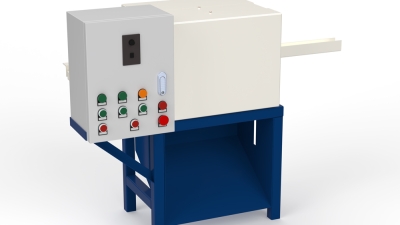
As the demand for renewable energy sources continues to rise, so does the need for efficient recycling processes for solar panels. A significant aspect of solar panel recycling is the recovery of valuable materials, particularly from the aluminum frames. The waste solar panel aluminum frame impurity removal machine plays a pivotal role in this process. Designed specifically for removing residues from the aluminum frame slots of solar panels, this machine ensures a high level of cleanliness that is essential for effective recycling.
Constructed with a sturdy and durable body, the impurity removal machine is built to withstand the rigors of repetitive use in the recycling industry. Its internal key components are crafted from high-quality materials, ensuring longevity and reliability. The machine utilizes precise mechanical movements to eliminate various types of residues, making it a vital tool for enhancing the processing quality of aluminum frames. By improving the cleanliness of these frames, it not only boosts the overall recycling yield but also supports environmental sustainability.
The advancement of recycling technology exemplified by the waste solar panel aluminum frame impurity removal machine underscores the importance of innovation in the renewable energy sector. As More Solar panels reach the end of their lifecycle, integrating such efficient machines into recycling operations will significantly contribute to recycling efforts and the circular economy.
: Recycling aluminum foil scrap saves up to 95% of the energy needed to produce new aluminum, significantly reducing greenhouse gas emissions and contributing to waste reduction in landfills.
The recycling process for aluminum foil uses only about 5% of the energy required to create new aluminum from raw materials, promoting energy conservation in manufacturing.
Yes, aluminum is infinitely recyclable without losing its properties, making it an ideal candidate for recycling.
Recycling aluminum foil supports a circular economy by conserving resources, reducing landfill waste, and promoting sustainable practices through the reuse and repurposing of materials.
Recycling aluminum foil scrap allows manufacturers to lower raw material costs and energy expenses, leading to decreased overhead and a smaller carbon footprint.
Curbside collection initiatives are becoming more common, raising awareness about the advantages of recycling aluminum foil and encouraging sustainable practices in local communities.
For every ton of aluminum recycled, approximately 9.5 tons of carbon dioxide emissions are avoided, making recycling a key factor in reducing overall greenhouse gas emissions.
Fluctuating prices of raw materials can disrupt production and increase costs, but using recycled aluminum helps create a more stable and predictable cost structure.
Recycling aluminum plays a crucial role in sustainability by conserving natural resources, promoting responsible waste management, and significantly lowering energy consumption and emissions.
Individuals can contribute by being aware of recycling programs, properly disposing of aluminum foil, and incorporating aluminum recycling into their daily practices for environmental conservation.