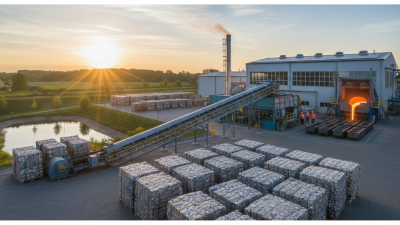
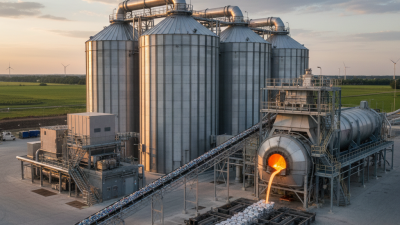
Recycling aluminum is honestly a pretty vital industry right now, and it’s actually heading for some serious growth. I mean, according to the International Aluminium Institute, the world’s demand for aluminum is expected to hit around 60 million tons by 2025. That’s a huge opportunity for anyone thinking about setting up their own Aluminium Recycling Plant. One of the coolest things? Recycling aluminum can save up to 95% of the energy you'd normally need to turn ore into new aluminum — pretty amazing, right?
That said, starting an aluminum recycling plant isn’t just a walk in the park. You really need to get a good handle on the materials you’re working with and understand the market. Surprisingly, only about 40% of aluminum waste actually gets recycled efficiently, which leaves quite a big chunk that could be improved. So, there’s definitely plenty of room for new players to step in and do better. But, you do have to keep an eye on aluminum prices—they can be pretty volatile, and that can really impact your profits.
All in all, jumping into the aluminum recycling biz is a mix of knowing your stuff and planning smart. It’s full of potential worldwide, but you’ve gotta be careful, stay flexible, and keep up with market trends. If you invest in good tech and stay agile, you could really turn this into a thriving venture — or at least not just barely get by in this competitive space.

Understanding the Global Aluminum Recycling Market Trends and Statistics
The global aluminum recycling market is evolving rapidly. As industries transition to sustainable practices, aluminum recycling emerges as a key player. In 2022, data revealed that aluminum recycling rates reached approximately 75% globally. This highlights the immense potential for businesses entering this sector.
Understanding regional market trends is crucial for success. For instance, Europe leads in recycling efforts, driven by stringent regulations and public awareness. Meanwhile, emerging markets like Southeast Asia are catching up, showing impressive growth. However, challenges remain. Infrastructure in some regions is underdeveloped, making collection and processing difficult.
The demand for recycled aluminum is on the rise. Industries such as automotive and construction increasingly prefer recycled materials over primary aluminum. However, inconsistent quality in scrap collection can hinder this trend. Companies must ensure quality control measures are in place. Investments in technology and education are necessary to overcome these hurdles and tap into the full potential of the recycling market.
Assessing the Investment Costs for Establishing an Aluminum Recycling Plant
Starting an aluminum recycling plant involves significant investment costs that require careful assessment. The current market for aluminum recycling is growing rapidly, driven by increasing demand for sustainable practices. According to a report by the International Aluminum Institute, the global aluminum recycling market is projected to reach $91 billion by 2027. This highlights a substantial opportunity for new players in the industry.
Investment costs can vary widely based on location and technology. Initial capital costs for machinery and equipment can range from $2 million to $10 million. Along with machinery, consider additional expenses such as land acquisition, permits, and labor. The operational costs also play a crucial role. According to a study from the Aluminum Association, energy accounts for about 30% of total operational expenses in recycling plants. Implementing energy-efficient technologies can mitigate these costs.
Regulatory compliance is another aspect that demands attention. Compliance with environmental regulations can incur additional costs. It's essential to engage with local authorities to understand these regulations fully. This step may seem burdensome, but it can ultimately lead to a more sustainable and profitable operation. Allocating resources for ongoing training and equipment upgrades becomes vital as technologies evolve and market demands shift. Balancing upfront costs with long-term sustainability goals is a constant challenge in this sector.
Key Technologies and Processes in Aluminum Recycling Operations
Aluminum recycling is a crucial industry, given the metal's high value and recyclability. Key technologies in aluminum recycling include automated sorting systems and hydrometallurgical processes. Automated sorting utilizes advanced sensors to separate aluminum from other materials efficiently. According to the Aluminum Association, this can increase recovery rates by up to 95%.
Another important process is pyrometallurgical recycling, where aluminum is melted at high temperatures. This method has drawbacks, including energy consumption. It's crucial to balance energy usage with output quality. The global market for recycled aluminum is projected to grow at a CAGR of 5.4% from 2021 to 2028, indicating a steady demand.
Incorporating innovative recycling techniques can enhance sustainability. For example, using renewable energy sources for melting can significantly reduce the carbon footprint. However, challenges remain. Many small-scale recyclers struggle to invest in new technologies due to limited funding. This necessitates a reevaluation of business strategies for growth and sustainability.
Navigating Regulatory Compliance and Environmental Standards in Recycling
Navigating regulatory compliance is crucial for any Aluminium Scrap Recycling Plant. Each country has its own set of rules. Understanding local and international regulations is vital. Missteps can lead to hefty fines or operational shutdowns.
Environmental standards are just as critical. Recycling processes must minimize waste and emissions. Many regions require specific technologies to control pollution. Failure to meet these requirements can damage your company's reputation. Regular audits and inspections can help ensure adherence.
Engaging with experts can aid in compliance. Consultants can offer insights into the latest regulations. They can spot potential issues before they become problems. Building a culture of compliance within your team is essential. Training programs can foster awareness and responsibility among employees. Regular updates in policy and procedure can keep everyone informed and engaged. Taking these steps helps ensure the success of your Aluminium Scrap Recycling Plant in the long run.
Identifying Target Customers and Market Opportunities for Recycled Aluminum
Identifying target customers is crucial for your aluminium recycling plant. Look for businesses that generate significant aluminium waste. Construction companies often discard materials. They may seek sustainable solutions. By offering recycled aluminium, you can position your plant as a reliable partner.
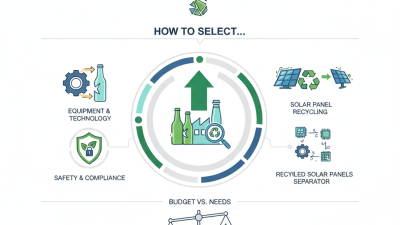
Market opportunities are vast. The demand for recycled aluminium is growing. Many industries value its environmental benefits. Waste recycling facilities and eco-conscious manufacturers are key targets. Research shows that recycled solar panels create a new niche. A waste solar panel recycling plant could leverage this trend. Moreover, the recycled solar panels separator plant can enhance production efficiency.
Understanding customer needs requires ongoing reflection. You must adapt to changing market dynamics. Regular feedback from clients helps improve your services. There are challenges in sourcing quality waste materials. Building relationships with suppliers is essential. The recycling industry is competitive, but the potential rewards are significant.
Developing a Sustainable Business Model for Profitability in Recycling
Developing a sustainable business model in aluminium recycling requires careful planning. Start by analyzing local market needs. Research infrastructure and labor availability. Understanding your target consumers will aid in developing efficient processes that ensure profitability.
Investing in technology is essential. High-efficiency sorting and processing machines can improve output. However, equipment can be costly. The decision must weigh the initial investment against potential returns. Incorporate renewable energy solutions, like solar energy, to reduce operational costs. A Solar Plant Plant can greatly enhance sustainability.
Partnerships with local businesses can be valuable. These collaborations may present unexpected challenges, such as differing goals. Regular communication is necessary to align objectives. Consider community feedback as well. It can reveal insights into consumer habits that impact the recycling process. Establishing a responsive operation will build trust and improve community relations.
Strategies for Marketing and Promoting Your Aluminum Recycling Plant Globally
Marketing your aluminum recycling plant on a global scale requires a strategic approach. A well-defined brand message will help differentiate your facility from competitors. Emphasize your commitment to sustainability and eco-friendly practices. This resonates with consumers and businesses alike. Visual storytelling can enhance your brand’s appeal. Use high-quality images and videos to showcase your operations. Highlight the positive impact of recycling aluminum.
Utilizing social media is potent. Platforms like Instagram and LinkedIn can help you connect with a broader audience. Share success stories and case studies about your recycling process. Engage with local communities and industry professionals. Host webinars or workshops to educate others about the benefits of aluminum recycling. Link these discussions to the promising future of solar plants, emphasizing how this industry complements recycling efforts.
Consider partnerships with other green businesses. Collaborating with solar plant developers can open new avenues for marketing. It’s essential to analyze your efforts. Some strategies may not yield immediate results. Reflection is vital. Adjust your approach based on what resonates with your audience. Building a global brand takes time. Stay flexible and ready to adapt.
Sustainable Solutions: Analyzing the Market Growth and Technological Advancements in Lithium Battery Recycling Equipment and Vibrating Screens
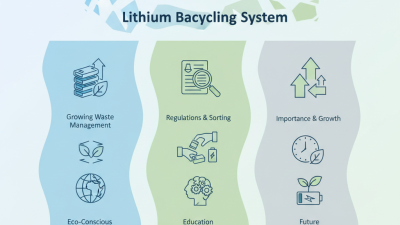
The market for lithium battery recycling is witnessing significant growth driven by increasing environmental concerns and the need for sustainable solutions. As industries pivot towards more eco-friendly practices, the implementation of advanced recycling equipment becomes essential. One such breakthrough in this sector is the lithium battery mill, specifically engineered to grind and process spent lithium batteries. This equipment facilitates the efficient crushing and grinding of battery materials, resulting in particle sizes that are optimal for subsequent resource recovery and material separation processes.
Accompanying the lithium battery mill is the rotary vibrating screen, which plays a crucial role in the sorting phase of recycling. Utilizing the unique rotational vibration force generated by a specialized motor, this screen accurately separates lithium powder and copper and aluminum particles from the mixed materials. By integrating the capabilities of both the mill and the vibrating screens, recycling operations can achieve quick and precise sorting of materials based on size, thereby streamlining the entire recycling process. This synergy not only enhances efficiency but also ensures that valuable materials are effectively recovered, thereby promoting a circular economy in the battery industry.
FAQS
: Key technologies include automated sorting systems and hydrometallurgical processes. They improve efficiency and recovery rates.
Automated sorting uses advanced sensors. It effectively separates aluminum from other materials. This can increase recovery rates by up to 95%.
It's a method where aluminum is melted at high temperatures. This process has high energy consumption. Finding balance is essential.
Using renewable energy sources for melting can reduce carbon footprints. Innovative techniques are vital for a sustainable future.
Target businesses include construction companies and eco-conscious manufacturers. They generate significant aluminum waste and seek sustainable solutions.
The demand for recycled aluminum is growing across many industries. Waste recycling facilities are key players in this market.
Adapting to changing market dynamics helps improve services. Regular reflection and feedback are essential for success.
Many struggle to invest in new technologies due to limited funding. Reevaluating business strategies is often necessary.
Sourcing quality waste materials can be challenging. Strong relationships can ensure a steady supply of valuable resources.
The global market is projected to grow steadily, with a CAGR of 5.4% from 2021 to 2028. This signals increasing demand.
Conclusion
Starting an Aluminium Recycling Plant requires a comprehensive understanding of the global market dynamics, investment costs, and key technologies that drive successful operations. To tap into the growing demand for recycled aluminum, it's crucial to analyze market trends and identify potential customers while ensuring compliance with environmental regulations.
Establishing a sustainable business model will enhance profitability and enable the plant to thrive in a competitive landscape. Effective marketing strategies and global promotion will also play a vital role in attracting customers and positioning the Aluminium Recycling Plant as a leader in the industry. By focusing on these critical aspects, entrepreneurs can set the foundation for a successful recycling venture.