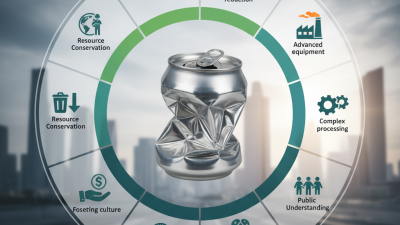
In today’s world, where everyone’s super conscious about the environment, picking the right Aluminium Recycling Plant is more important than ever—especially if your business cares about sustainability. Honestly, with so many options out there, it can get pretty overwhelming trying to figure out which one is best. Each plant seems to have its own perks, drawbacks, and unique features, so it’s crucial to have a clear head when you’re comparing them.
Think about stuff like the tech they use, how efficiently they run, and how eco-friendly their processes are. Not all aluminium recycling plants are created equal. Some might boast high output numbers but might not be so great when it comes to sustainability. Doing your homework and choosing companies with a solid reputation really pays off—you want someone reliable, with proven expertise.
And don’t forget to consider your specific needs. Will the plant be able to handle the volume you expect? Do their processes fit your business model? There’s no one-size-fits-all answer here. The key is to pick something that lines up with your goals and helps you contribute positively to environmental efforts. Take your time weighing your options—making the wrong call could cause headaches later on or make you miss out on opportunities in this rapidly growing market.

Understanding the Importance of Aluminium Recycling for Your Business
Aluminium recycling is vital for any business focused on sustainability. It helps reduce waste and conserves natural resources. A well-structured recycling program can significantly lower your operational costs. Aluminium is one of the most recyclable materials, making it an excellent choice for reducing environmental impact.
Investing in aluminium recycling demonstrates a commitment to eco-friendliness. Customers increasingly prefer companies that prioritize sustainability. Your brand reputation can benefit greatly from an effective recycling strategy. It can attract new clientele and foster loyalty among existing customers.
However, you must navigate some complexities when establishing a recycling plan. Different grades and types of aluminium can be challenging to manage. Not all recycling plants provide the same services or expertise. Conducting thorough research on potential partners is essential. Make sure to assess their capabilities and track record in the industry.
Key Factors to Consider When Selecting an Aluminium Recycling Plant
When selecting an Aluminium Scrap Recycling Plant, several key factors come into play. Equipment quality is essential. Durable machinery ensures efficient processing. Look for plants that use advanced technology. This can lead to better output and reduced energy costs.
Location matters too. A nearby plant can lower transportation costs. Proximity also means quicker turnaround times. Consider the plant's capacity as well. A larger facility can handle high volumes, which may suit expanding businesses. However, it’s crucial not to overlook operational efficiency.
Operational history is another factor to weigh. A plant with a proven track record can offer reliability. Look for testimonials or case studies showcasing their success. Personnel expertise also contributes to overall performance. Trained staff can optimize operations and troubleshoot issues efficiently. Ensuring the plant meets regulatory standards is non-negotiable. Compliance establishes trust and reliability in your aluminium recycling partnership.
Evaluating the Technological Features of Recycling Equipment
When choosing an aluminium recycling plant, the technological features are crucial. Look for state-of-the-art machinery that optimizes the recycling process. Advanced systems enhance efficiency and reduce energy consumption. This not only benefits the environment but also improves overall profitability.
Pay attention to the design of the equipment. A well-designed recycler can easily handle different aluminium grades. It should also integrate seamlessly with your existing operations. Consider features like automated sorting and shredding. These elements can significantly reduce labor costs and errors during processing.
Additionally, examine the reliability of the technology. Frequent breakdowns can hinder production and disrupt your business. Seek insights from industry professionals to evaluate long-term performance. You might find that certain models fall short of expectations. Reflect on the scalability of the machinery as your operations grow. Investing in a quality Waste Solar Panel Recycling Plant could also offer a competitive edge by managing recycled solar panels effectively.
Assessing the Capacity and Scale of the Recycling Facility
When assessing the capacity and scale of an aluminium recycling facility, it’s vital to consider your business's specific needs. A facility’s output capacity should align with your recycling goals. For instance, a smaller operation may benefit from a plant that processes several tons per day. In contrast, larger businesses require robust plants with high throughput to keep up with demand.
Analyzing the scalability of the plant is equally important. Look for facilities that can adapt and grow as your needs evolve. Some recycling plants may only handle specific materials initially. Others offer the flexibility to expand their capacities over time. Investing in a plant with good scalability can save you costs in the long run. It's essential to evaluate the potential for future modifications.
Moreover, don’t overlook the technology used. Some plants employ cutting-edge techniques and equipment for higher efficiency. This could significantly impact your production quality. Investigate how the recycling plant integrates renewable energy solutions, such as Solar Energy, into its operations. Using a Solar Plant Plant can enhance sustainability and reduce operational costs.
Understanding the Regulatory Compliance Requirements for Recycling Plants
When selecting an aluminium recycling plant, ensuring regulatory compliance is crucial. The aluminium recycling industry is highly regulated to protect the environment and public health. Understanding these requirements can help businesses avoid costly penalties. In the United States, the Environmental Protection Agency (EPA) outlines standards under the Resource Conservation and Recovery Act (RCRA). Nearly 85% of recycled aluminium is produced using these compliant processes.
Compliance goes beyond just local laws. International standards, such as those from ISO, also play a role. The ISO 14001 framework helps ensure that recycling operations adhere to environmental management principles. Plants must also focus on emissions control. For example, facilities need to monitor hazardous air pollutants, which can arise during recycling processes. A study indicates that approximately 40% of plants struggle with maintaining these emission levels consistently.
Investing in solid waste management practices can further enhance compliance. Regular audits can highlight areas needing improvement. Some businesses overlook the importance of staff training on regulations, which could lead to operational gaps. Monitoring and updating practices, alongside integrating sustainable technologies akin to those in a Solar Plant Solar Plant, can make compliance a smoother process. Balancing productivity with adherence to regulations is often a difficult challenge.
Comparing Costs and Investment Returns of Different Recycling Options
Choosing the right aluminium recycling plant is crucial for maximizing your investment returns. It is essential to compare the costs associated with different recycling technologies. Some plants may promise higher efficiency but come with a hefty price tag. Understanding the operational costs over time can highlight the true value of your investment.
Consider the initial setup costs, maintenance expenses, and energy consumption. A lower initial cost might seem attractive, but hidden expenses can erode profits. Collaborating with industry experts can provide insights into the long-term benefits of various systems. This helps you avoid common pitfalls that lead to unexpected costs.
Additionally, explore the potential returns from recycling aluminium. Markets fluctuate, and so do recycling rates. You should account for local demand and market conditions. Investing in a plant that offers flexible processing options may provide better adaptability to changing market dynamics. This approach allows for continuous assessment and adjustment of your recycling strategy. Balancing costs with potential returns can lead to more sustainable decisions.
Researching the Reputation and Experience of Aluminium Recycling Providers
When selecting an aluminium recycling provider, researching their reputation is crucial. Look for online reviews and testimonials from past clients. These insights reveal how the company treats its customers and the quality of their services. A strong reputation often reflects years of experience in the industry. Consider how long they’ve been operating and any awards they may have won.
Experience is not just about time. Focus on the type of projects they have handled. Companies that have dealt with various sizes and types of recycling jobs tend to be more reliable. Ask potential providers about their processes and technology. How do they ensure efficiency and sustainability? The answers can reveal a lot about their expertise.
Don’t overlook the importance of seeking third-party evaluations. Independent certifications can add to the provider's credibility. However, be cautious; not all certifications guarantee quality. It's wise to verify these claims and explore any red flags. A company should be willing to provide references. Engaging in conversations with their past clients can help you gauge satisfaction levels and ensure you’re making an informed decision.
Efficient Solutions for Sustainable Lithium Battery Recycling: Exploring Shredder Machines and Their Benefits
The growing demand for lithium batteries, driven by the rise in electric vehicles and renewable energy storage, necessitates efficient solutions for recycling these batteries to mitigate environmental impacts. Shredder machines have emerged as a vital piece of equipment in the recycling process, designed specifically to handle used lithium batteries. These machines are engineered with a robust structural design that includes a high-strength crushing chamber, enabling them to withstand the intense mechanical stresses involved in shredding.
Equipped with sharp and durable knives made from special alloy materials, lithium battery shredders are capable of effectively processing a variety of materials found within batteries, such as lithium powder, iron, aluminum, and copper. This capability ensures a comprehensive breakdown of battery components, making it easier to recover valuable materials that can be reused in new battery production. The power system of these shredders is equally impressive, featuring a powerful drive motor that delivers stable and ample power to guarantee efficient operation. As a result, they can rapidly shred complete lithium batteries into smaller, manageable pieces, streamlining the recycling process and enhancing sustainability in the industry.
Incorporating these shredder machines into lithium battery recycling operations not only optimizes material recovery but also contributes to a more circular economy. By facilitating the efficient dismantling of used batteries, these machines play a crucial role in reducing waste and promoting the responsible reuse of resources, ultimately supporting environmental sustainability efforts in the battery industry.
FAQS
: Look for a facility that matches your business's specific recycling goals. A smaller operation may handle several tons per day.
Scalability is vital. A plant that can grow with your needs saves costs later. Evaluate its potential for future modifications.
Technology impacts efficiency and production quality. Investigate any advanced techniques and renewable energy solutions used by the facility.
Check online reviews and past client testimonials. These can indicate how they treat customers and the quality of their services.
Experience reflects past projects and reliability. Focus on the variety of sizes and types of jobs they have handled, not just time.
Look for independent certifications, but verify their claims. Ask for references and talk to past clients to gauge satisfaction levels.
Not all certifications guarantee quality. Be cautious and do your own research to identify any red flags.
Inquire about their processes and technology. Understand how they ensure efficiency and sustainability in their operations.
Engage in conversations with past clients. Their experiences can help you assess the reliability of the recycling provider.
It’s important to reflect on your requirements. Consider how adaptability and future capacity might impact your operations.
Conclusion
Choosing the right Aluminium Recycling Plant is crucial for businesses aiming to enhance sustainability and profitability. Understanding the importance of aluminium recycling sets the foundation for businesses to reduce waste and conserve resources. Key factors to consider include evaluating the technological features of recycling equipment, assessing the capacity and scale of the facility, and ensuring compliance with regulatory requirements.
Additionally, a thorough comparison of costs and potential investment returns is essential to make an informed decision. It is equally important to research the reputation and experience of various aluminium recycling providers to secure a reliable partnership. By carefully considering these elements, businesses can select an Aluminium Recycling Plant that aligns with their operational needs and environmental goals.