- shanshui@shanshuizg.com
- We Will Respond to Your Inquiry Within 24 Hours of Receipt!
Leave Your Message
- Phone
- E-mail
- Whatsapp
- Wechat

Starting up an aluminium recycling plant, huh? Honestly, it can feel pretty overwhelming at first. I remember what industry veteran David Smith once said—something like, 'Success is all about understanding the process and being efficient.' That really hits home, doesn’t it? It’s a good reminder that knowing your processes inside out is key if you wanna make it work.
Setting up your own aluminium recycling operation isn’t just about flipping a switch. You’ve gotta do your homework—research the market demand, get a clear picture of the rules and regulations. And don’t forget, putting together a solid business plan is absolutely crucial. If you really know how to source and process aluminium efficiently, that can give you a serious edge. But here’s the thing—so many newbies forget to pay attention to these important steps, and it comes back to bite them.
And speaking of challenges, many new entrepreneurs tend to underestimate how costly this whole setup can be. You’ll need the right gear, skilled workers—stuff that costs money. Plus, keeping everything compliant with environmental standards can be tricky sometimes. That’s why it’s a good idea to keep reviewing and adjusting your strategy along the way—staying flexible is key in this game.

The aluminium recycling market is experiencing significant growth. According to recent industry reports, the global aluminium recycling market is expected to reach USD 100 billion by 2025. This growth is driven by increased awareness of sustainability and the economic benefits of recycling.
To successfully enter this lucrative market, understanding the dynamics is essential. Quality of materials is a significant factor in the recycling process. Source your Aluminium Scrap from reliable suppliers to ensure the best operational efficiency. A lack of quality can lead to inefficiencies and increased costs.
Establishing an efficient processing facility is vital. Implementing modern recycling technologies can improve output. Many facilities have reported a 30% increase in recovery rates after upgrading their equipment. It’s essential to remain adaptable and open to innovation. The industry is evolving, and staying informed can prevent stagnation.
Investing in market research is crucial. Understanding local demand and supply can guide your business strategies. For instance, emerging markets show a growing appetite for recycled aluminium. Embrace this data to fine-tune your planning. Reflecting on these insights can lead to better decision-making and more successful outcomes in this competitive landscape.
| Tip Number | Tip Description | Market Insights | Growth Potential (%) |
|---|---|---|---|
| 1 | Conduct Market Research | Understanding local demand and supply | 15% |
| 2 | Choose the Right Location | Proximity to suppliers and customers | 20% |
| 3 | Acquire Necessary Permits | Compliance with local regulations | 10% |
| 4 | Invest in Technology | Using modern recycling techniques | 25% |
| 5 | Establish Supply Chain Partnerships | Building relationships with suppliers | 18% |
| 6 | Focus on Quality Control | Ensuring high-quality recycled products | 12% |
| 7 | Develop a Strong Marketing Strategy | Effective outreach to potential customers | 22% |
| 8 | Train Your Staff | Skilled labor is essential for operations | 15% |
| 9 | Monitor Industry Trends | Staying updated on market changes | 30% |
| 10 | Evaluate Your Financials | Ensuring sustainability and profit | 28% |
The increasing emphasis on renewable energy has brought significant attention to the recycling of solar panels, an essential step towards achieving sustainability in energy production. Efficient recycling processes are critical for recovering valuable materials and minimizing environmental impact. One innovative solution in this field is the specific gravity sorting machine, which plays a vital role in the effective separation of components in solar panels.
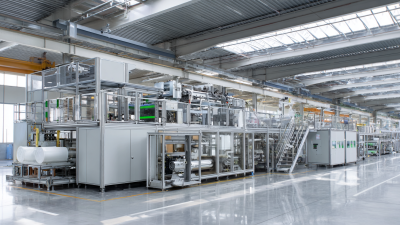
This machine is designed with a swing module, a wind system, a main frame, a material inlet, and a vacuum device, creating an advanced mechanism for material processing. Once the solar panel materials are introduced through the material inlet, the sorting process begins. The swing system, combined with the wind system, utilizes variations in density and weight to meticulously separate copper from EVA, allowing for efficient recovery of both materials. This separation is not only effective but also crucial for ensuring that valuable copper can be harvested and reused while EVA is appropriately disposed of or recycled.
The outcome of utilizing specific gravity sorting machines in the recycling of solar panels promotes sustainable practices and resource efficiency in the solar industry. By facilitating the recovery of essential materials, this technology supports the circular economy and reduces the environmental footprint associated with solar panel waste, contributing to a greener future and more sustainable energy solutions.
: Regular exercise boosts energy levels. It enhances mood and improves overall health. Consistency matters for long-term benefits.
Begin with small, achievable goals. Follow a schedule that fits your lifestyle. Listen to your body to avoid injuries.
Nutrition supports fitness goals. A balanced diet aids recovery and energy. Sometimes, people overcomplicate their eating habits.
Aim for at least 150 minutes of moderate activity weekly. Adjust according to personal goals and body responses.
Missing a workout is common. Reflect on what led to it and plan to get back on track. Stay flexible.
Set realistic goals. Track your progress and celebrate small wins. Finding a workout buddy can make it more enjoyable.
Different types serve various purposes. Some may enjoy cardio, while others prefer strength training. Explore options to find what works.
Yes, home workouts are effective. Use body weight or simple equipment. Sometimes, people underestimate the potential of home routines.
Signs include persistent fatigue or decreased performance. Listen to your body and ensure adequate rest. Regular self-checks are beneficial.
Stop immediately and assess the pain. Differentiating between soreness and injury is crucial. Consult a professional if unsure.
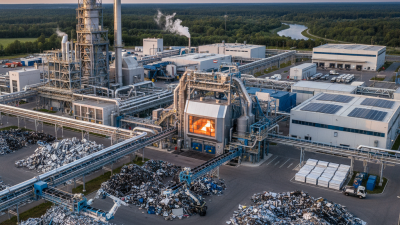
Starting an Aluminium Recycling Plant involves several critical steps that can contribute to its success in the growing market. First, understanding the aluminium recycling market and its potential for growth is essential, as it provides insights into demand and operational viability. Conducting thorough feasibility studies will help assess the plant's profitability and ensure a robust business plan.
Identifying the necessary equipment and technology is also crucial for efficient operations, paired with navigating regulatory compliance to meet environmental standards. Developing a sustainable supply chain for raw materials ensures a consistent input stream, while implementing effective marketing strategies will attract clients and promote the plant's services. Lastly, establishing key performance indicators will enable operators to measure success and continuously improve their aluminium recycling operations.