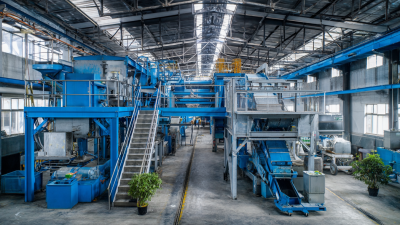
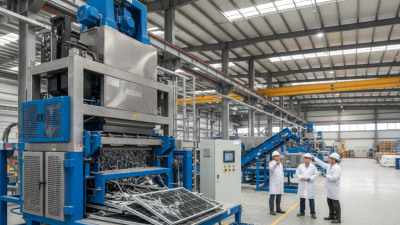
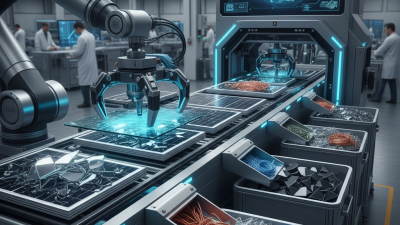
As more and more of the world jumps on the renewable energy bandwagon, the need for smarter recycling solutions is really becoming a top priority. Solar Panels, in particular, are a key part of this green shift, but figuring out how to dispose of them properly isn't always straightforward. That’s where the Solar Panel Crushing Machine comes into play — a game-changing innovation that turns old, unwanted panels into useful materials.
A bunch of companies are stepping up in this space. For example, manufacturers like GEP ECOTECH and A&E Metals are offering some pretty advanced gear to meet the rising global demand. Their solar panel crushing machines are built tough and adaptable, capable of handling different types of panels out there. They do a solid job breaking down the waste and recovering valuable parts.
Of course, as tech keeps advancing, it’s not perfect. Not every machine out there works at the same high level of efficiency, so it’s important for buyers to do their homework. Picking the right solar panel crusher isn’t just about price — it’s about making an informed choice that actually fits your business needs. So, take your time and consider your options before making any investments.
Types of Solar Panel Crushing Machines Available Globally
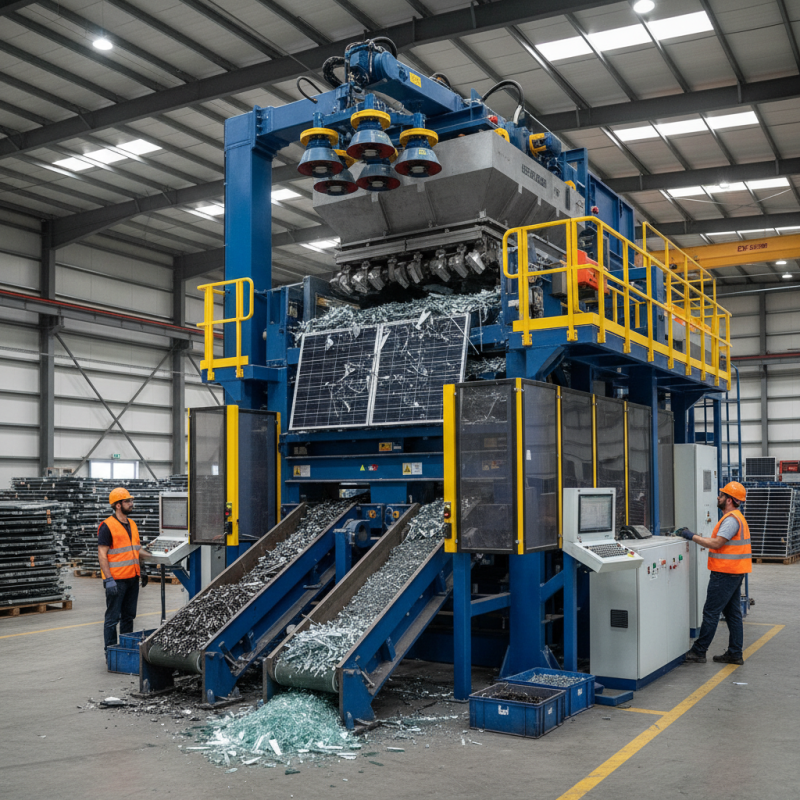
When it comes to solar panel recycling, various types of crushing machines are essential. These machines help break down old solar panels into their individual components. They maximize material recovery for reuse. Different models cater to diverse needs in the industry.
One popular option is the Solar Cell Crushing Separating Machine. This machine effectively distinguishes between glass, metals, and polymers. Its efficient crushing mechanism reduces waste volume significantly. Many machinery experts recommend this type of machine for its reliability and performance. However, some users report challenges in maintenance. Machines can wear out quickly if not properly serviced.
Alternative technologies also exist in the market. Some use high-pressure processing to minimize energy consumption. Others focus on automation to enhance throughput. While these options show promise, they may lack the proven efficiency of more traditional machines. Buyers should weigh the benefits against potential drawbacks carefully. Selecting the right equipment is crucial for a sustainable recycling process.
Key Features to Consider When Selecting a Crushing Machine
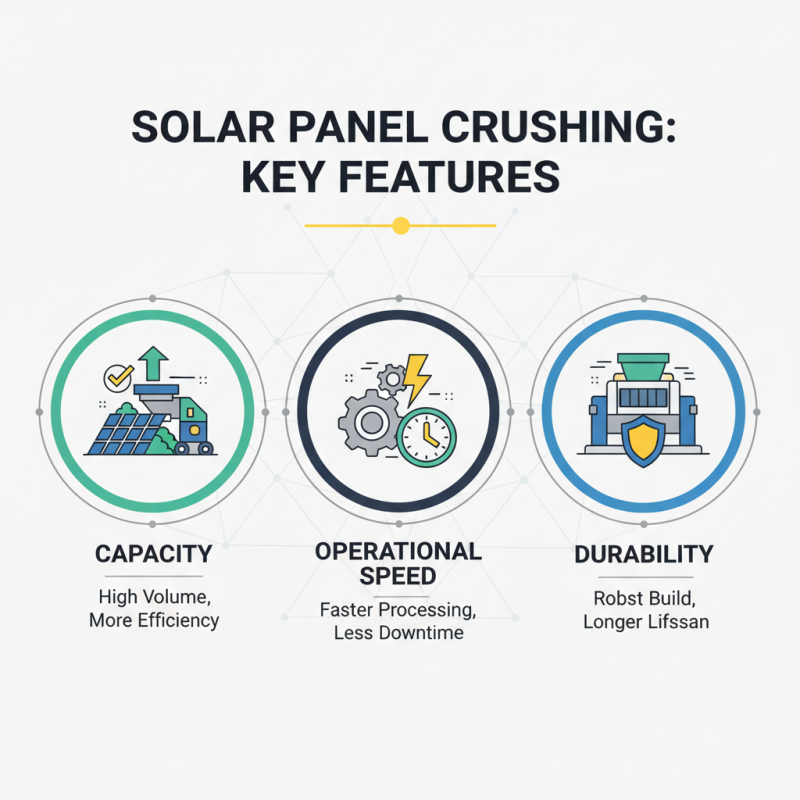
When selecting a solar panel crushing machine, several key features must be considered. First, the machine’s capacity is crucial. A high-capacity machine can handle larger volumes, increasing efficiency. Pay attention to the machine's operational speed as well. Faster machines often lead to quicker processing and reduced downtime.
Another important aspect is the crushing technology used in the equipment. Different technologies can yield better separation of materials, particularly for Photovoltaic Cell Crushing Separating Machines. Advanced technologies may ensure precise crushing, limiting the amount of waste and enhancing recovery. Always look for machines that come with advanced features for effective material separation.
Tips: Check the maintenance requirements. Some machines may require frequent servicing, which can disrupt operations. Look for models that offer easy maintenance solutions. Furthermore, consider energy efficiency. Machines that operate with lower energy costs can lead to significant savings over time. Finally, read user reviews or seek expert advice to gauge reliability before making a decision.
Top Manufacturers of Solar Panel Crushing Machines Worldwide
When looking for solar panel crushing machines, it's important to consider the key manufacturers producing these essential devices. They bridge the gap between waste management and renewable energy. Many manufacturers are focusing on the efficiency of these machines, ensuring they process end-of-life solar panels effectively. This is crucial for recycling and recovery of valuable materials. In this evolving industry, technological advancements are reshaping the efficiency standards.
The Photovoltaic Cell Crushing Separating Machine plays a pivotal role in this sector. Its design optimizes the extraction process, allowing for better recovery of usable components. Some machines can separate glass, metals, and silicon with precision. However, there are still challenges manufacturers face. Not all machines deliver consistent performance across various panel types. Issues with durability and maintenance also arise, leading to potential downtime in operations.
Quality and innovation remain key drivers in this market. Buyers must research the capabilities and limitations of different machines. Understanding the nuances of performance can lead to significant cost savings. The industry's growth calls for a balance between technological advancement and practical usability. With the right insights, buyers can make informed decisions that support their sustainability goals while navigating the machine options available.
Comparative Analysis of Crushing Machines Based on Performance
When considering solar panel crushing machines, performance is a key factor. Various machines exist that cater to different capacities and processing needs. Comparing them reveals significant variations in efficiency, output, and durability. For instance, some machines excel in crushing speed but may lag in producing uniform particle sizes. Others provide consistent results but operate slower.
Operational costs also vary greatly among machines. Energy consumption can impact overall profitability for businesses. High-quality machines may have higher upfront costs but could lead to savings in the long run. The longevity of parts affects maintenance needs, adding another layer of complexity. Buyers must assess whether a machine’s performance aligns with their specific requirements.
Beyond performance, user feedback often highlights nuances in the operation. Some machines have user-friendly interfaces, while others complicate the crushing process. Regular maintenance can also influence functionality over time. These factors create a landscape of choices that requires careful consideration. Not every machine will suit every operation, leading to potential mismatches that can hinder efficiency. Buyers should conduct thorough evaluations to make informed decisions.
Environmental Impact of Solar Panel Crushing Technologies
The rising adoption of solar panels has created significant waste management challenges. When solar panels reach the end of their life cycle, proper disposal becomes critical. Crushing technologies present an opportunity to recycle these materials effectively. However, their environmental impact varies widely.
Different crushing machines can process panels into reusable components. Yet, this process might release toxic substances, causing soil and water pollution. Not all technologies are equally efficient, and some may generate more waste than they recycle. This discrepancy demands careful evaluation of crushing practices.
Investors and environmentalists are concerned about these implications. It’s essential to balance economic benefits with ecological responsibilities. Adopting sustainable practices in crushing technologies can mitigate harm. Continuous research is needed to enhance methods and reduce environmental fallout. Visibility into these processes will ensure that advancements prioritize ecological health.
Top Solar Panel Crushing Machine Options for Global Buyers - Environmental Impact of Solar Panel Crushing Technologies
| Machine Type | Crushing Capacity (tons/hour) | Power Consumption (kW) | Material Recycled (%) | Environmental Impact Rating (1-10) |
| Hydraulic Crusher | 5 | 15 | 85 | 8 |
| Jaw Crusher | 8 | 20 | 90 | 9 |
| Impact Crusher | 10 | 25 | 80 | 7 |
| Cone Crusher | 7 | 22 | 88 | 8 |
| Shredder | 6 | 18 | 92 | 9 |
Cost Considerations for Purchasing Solar Panel Crushing Equipment
When considering the investment in solar panel crushing equipment, cost plays a significant role. The initial purchase price can vary widely. Depending on the functionality and capacity needed, buyers may feel overwhelmed. Factors like machine size, energy consumption, and output efficiency directly impact pricing.
Operating costs should not be neglected either. Maintenance is essential for keeping machines, like the Steel Crushing Machine, running smoothly. Buyers often overlook the long-term expenses tied to power consumption and routine repairs. To minimize these costs, thorough research and understanding of common issues are vital. Some machines may appear affordable upfront but incur high running costs later.
Technology is evolving, leading to diverse options in solar panel crushing. Buyers should assess their specific needs and environmental conditions. Choosing advanced models can lead to increased productivity. However, a thorough cost-benefit analysis is crucial. Investing in reliable equipment now may prevent higher expenses in the future.
Future Trends in Solar Panel Recycling and Crushing Technology
As solar energy becomes more popular, effective recycling is essential. The future of solar panel recycling focuses on improving crushing technology. Advanced machines are being developed to efficiently break down panels. This process allows for the recovery of valuable materials like silicon and metals.
Innovations are emerging in the way panels are crushed. New methods are designed to minimize waste and enhance material recovery. Some technologies use advanced shredding techniques. Others incorporate automated systems for better efficiency. These advancements could lead to more sustainable recycling practices.
Despite progress, challenges remain in the industry. Not all machines achieve consistent results in material recovery. Some processes may still produce hazardous waste. Continuous research and development are needed to address these issues. The goal is to create a safer and more effective recycling system. This will ensure that solar panel waste does not harm the environment.
Innovative Waste Solar Panel Recycling Equipment Production Line: A Sustainable Solution for Renewable Energy Waste Management
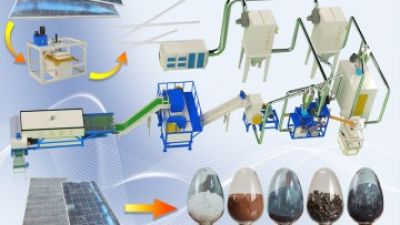
The Innovative Waste Solar Panel Recycling Equipment Production Line represents a significant advance in sustainable renewable energy waste management. As the world increases its reliance on solar power, the disposal of waste solar panels poses a growing challenge. The components of solar panels, such as aluminum frames, glass, and various metals, hold substantial recycling value. This production line not only optimizes the recycling process but also contributes to the circular economy by reintroducing valuable materials back into the supply chain.
This equipment line is designed with efficiency in mind. It includes specialized machines like frame removal units, glass removal devices, shredders, and crushers. The process begins with the careful dismantling of solar panels, where the aluminum frame is extracted first, followed by the separation of glass. The subsequent stages utilize advanced techniques such as magnetic separation and specific gravity sorting to efficiently recover silicon powder, EVA film, iron, copper, and other metals. By incorporating various stages of processing, the system ensures that each material is effectively recovered, minimizing waste and maximizing resource reuse. This innovative approach not only helps in managing solar panel waste but also paves the way for a greener future.
FAQS
: Factors include machine size, functionality, energy consumption, and output efficiency. Prices can vary widely based on these elements.
Operating costs are crucial. Maintenance and power consumption can significantly impact long-term expenses, often overlooked by buyers.
Research helps buyers understand common issues and potential long-term costs. Some machines may seem affordable but have high running costs.
There are new advancements in crushing technology, focusing on efficiency and material recovery. Innovations aim to minimize waste in the process.
No, not all machines yield consistent results. Some processes may still create hazardous waste, requiring ongoing improvements in the industry.
Investing now in efficient machinery can prevent future higher expenses. Reliable equipment often leads to better productivity and lower maintenance costs.
Challenges include inconsistent results in material recovery and the production of hazardous waste. Continuous efforts are necessary to resolve these issues.
The goal is to create a safer, more effective recycling system that prevents environmental harm from solar panel waste.
Different needs and environmental conditions require tailored equipment for optimal efficiency and productivity.
Understanding common problems and investing in maintenance can help minimize operational challenges and extend machine lifespan.
Conclusion
The article titled "Top Solar Panel Crushing Machine Options for Global Buyers" provides a comprehensive overview of the various types of Solar Panel Crushing Machines available in the market. It highlights key features to consider when selecting a machine, such as efficiency, durability, and ease of maintenance. The discussion on top manufacturers gives insight into the competitive landscape, while a comparative analysis based on performance allows buyers to make informed decisions.
Additionally, the article examines the environmental impact of solar panel crushing technologies, emphasizing the importance of sustainable practices in recycling. Cost considerations are also addressed, providing buyers with a clearer understanding of financial aspects when purchasing Solar Panel Crushing Equipment. Lastly, it touches on future trends in solar panel recycling, showcasing advancements that promise to enhance the efficiency and effectiveness of crushing technologies in the growing renewable energy sector.