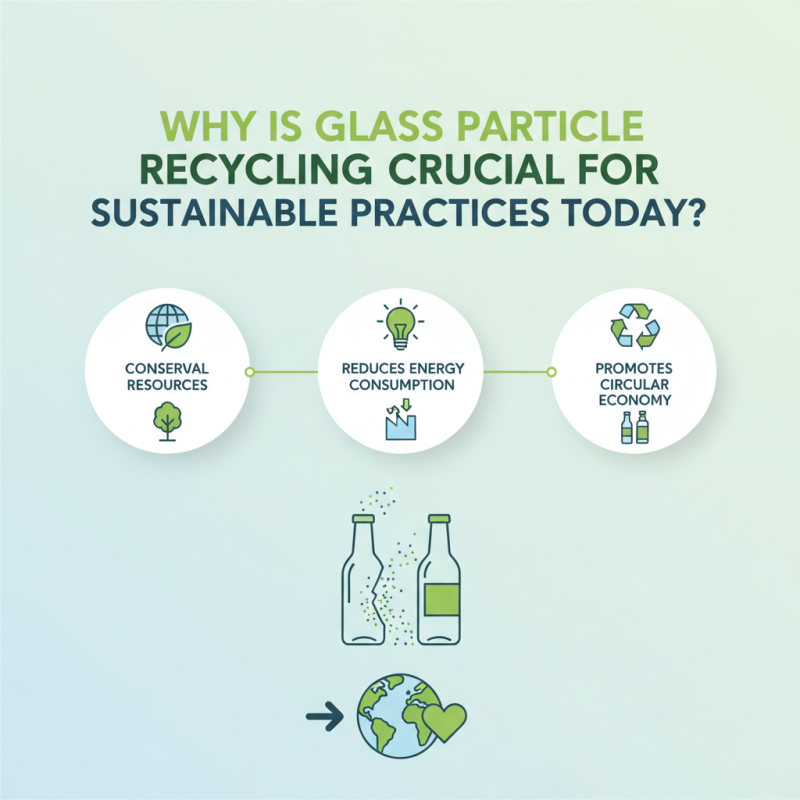
These days, it’s pretty clear that sustainability isn’t just a nice-to-have anymore—it's a must. And honestly, the importance of recycling glass particles can’t be overstressed. As environmental issues keep getting more serious, companies are always on the lookout for smart ways to cut down waste and lower their carbon footprints. Glass, you see, is pretty amazing for this because it’s super durable and, best of all, can be recycled over and over again without losing its quality. Recycling glass particles isn’t just good for saving precious natural resources, but it also helps cut down on the energy needed to make new glass from scratch.
Plus, Glass Recycling plays a big part in the circular economy by turning waste back into something valuable. It’s all about making the most out of what we have—helping businesses stay eco-friendly while still giving consumers what they want. As more companies wake up to the environmental and even economic benefits of recycling glass, it’s pretty clear that this is a key piece of the puzzle for building a sustainable future. By embracing glass recycling, we’re really taking steps toward a healthier planet for ourselves and the generations to come.
The Importance of Glass Recycling in Sustainable Development
Glass recycling plays a pivotal role in sustainable development by significantly reducing resource consumption and minimizing environmental impact. When glass is recycled, it decreases the need for raw materials such as sand, soda ash, and limestone, which are required for new glass production. This conservation of natural resources leads to a lower extraction rate and helps protect ecosystems from degradation. Additionally, recycling glass requires less energy compared to creating new glass from raw materials, which translates into a reduction in greenhouse gas emissions.
Moreover, the process of recycling glass contributes to a circular economy, where materials are reused rather than discarded. This not only reduces landfill waste but also fosters economic growth by creating jobs in the recycling sector. Transforming waste glass into new products supports local industries and promotes sustainable practices within communities. The importance of glass recycling cannot be understated, as it combines environmental responsibility with economic viability, ultimately contributing to a healthier planet for future generations.
Environmental Benefits of Recycling Glass Particles
The recycling of glass particles plays a significant role in promoting sustainability and environmental health. By recycling glass, we reduce the need for raw materials, which often involves extensive mining and resource extraction. This process not only depletes finite natural resources but also contributes to habitat destruction and increased carbon emissions. When glass is recycled, it can be reprocessed into new products with significantly lower energy requirements compared to manufacturing from virgin materials. This reduction in energy consumption translates directly into lower greenhouse gas emissions, creating a positive impact on climate change.
Moreover, recycling glass particles helps minimize waste in landfills. Glass is an inert material that can take thousands of years to decompose, leading to soil and water contamination. By diverting glass from landfills through effective recycling programs, we not only reduce the volume of waste but also help preserve local ecosystems. Recycled glass can be used in various applications, including construction materials and landscaping, thus promoting a circular economy where waste is turned into valuable resources. Overall, the environmental benefits of glass particle recycling are profound, creating a cleaner, healthier planet for future generations.
Economic Advantages of Glass Particle Recycling
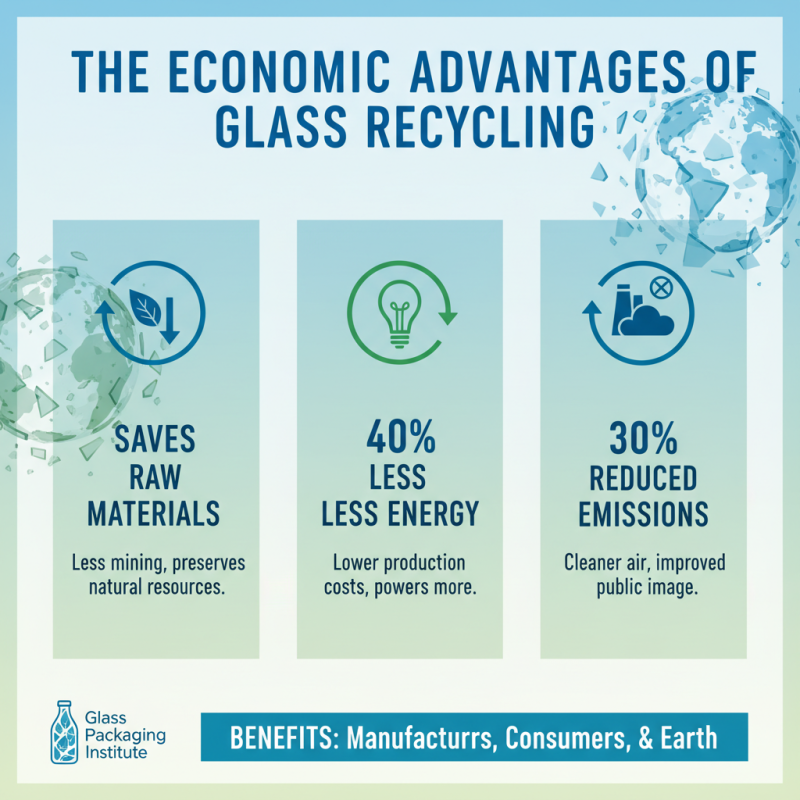
The economic advantages of glass particle recycling are significant and multifaceted. According to the Glass Packaging Institute, recycling glass not only conserves raw materials but also saves energy—an estimated 40% less energy is required to create new glass products from recycled materials than from virgin materials. This energy savings translates to lower production costs, ultimately benefiting manufacturers and consumers alike. Furthermore, utilizing recycled glass in manufacturing can reduce greenhouse gas emissions by up to 30%, contributing positively to environmental sustainability while enhancing companies' public images.
Moreover, the recycling of glass particles creates substantial economic opportunities within local communities. The National Association of State Recycling Agencies reports that recycling and reuse activities create approximately 1.17 million jobs and generate $236 billion in revenue annually across the United States. By investing in glass recycling infrastructure, municipalities can stimulate job creation and boost local economies. As companies increasingly emphasize sustainable practices in their operations, those that prioritize the incorporation of recycled glass will not only fulfill corporate social responsibility objectives but also gain a competitive edge in the marketplace. This pivot towards sustainability represents a growing economic resource that can drive long-term profitability while ensuring environmental stewardship.
Innovative Technologies in Glass Recycling Processes
Innovative technologies in glass recycling processes are playing a pivotal role in advancing sustainable practices. Advanced recycling methods, such as chemical recycling, are being adopted to improve yield and purity rates of recycled glass. According to a report by the Environmental Protection Agency, Glass Recycled from curbside initiatives can benefit from multi-stream processing, which separates colors and types of glass more effectively, resulting in a 25-30% increase in overall recycling efficiency compared to traditional methods. This is crucial as the global market for recycled glass is projected to reach over $18 billion by 2025, driven by increased demand for sustainable materials in various industries.
In addition to improved separation techniques, innovations like robotic sorting and Artificial Intelligence (AI) are transforming the glass recycling landscape. These technologies enhance the sorting process, allowing for the identification of contaminants and ensuring a higher quality of recycled glass. A study by the University of Cambridge noted that AI-based systems can achieve an accuracy of 95% in sorting glass materials, significantly reducing contamination. Furthermore, advancements in logistics, such as optimized collection routes for recycling programs, contribute to lowering greenhouse gas emissions associated with transporting recycled materials. As these technologies evolve, they not only improve the efficiency of glass recycling but also contribute significantly to the circular economy, making glass recycling an essential component of sustainability efforts today.
Why Is Glass Particle Recycling Crucial for Sustainable Practices Today? - Innovative Technologies in Glass Recycling Processes
| Recycling Method | Recycled Glass Yield (%) | Energy Savings (%) | CO2 Emission Reduction (tons) | Cost Efficiency ($/ton) |
| Mechanical Sorting | 85 | 30 | 0.2 | 50 |
| Crushing and Screening | 90 | 25 | 0.15 | 45 |
| Melt Processing | 95 | 40 | 0.25 | 60 |
| Advanced Purification | 98 | 35 | 0.3 | 70 |
Challenges Facing Glass Recycling Initiatives Today
Glass recycling is facing several significant challenges that hinder its effectiveness and overall sustainability. According to the Container Recycling Institute, the recycling rate for glass containers in the United States was only 31.3% in 2020, far below the rates achieved in many European countries, where the average exceeds 70%. This disparity highlights the complexities hidden within local recycling programs, including contamination from non-recyclable materials and insufficient consumer awareness about proper recycling practices. Many collection facilities are not equipped to handle glass, leading to increased costs and decreased recovery rates.
Additionally, the economics of glass recycling are often unfavorable. The price of virgin materials, such as sand and soda ash, remains low, making it difficult for recycled glass to compete in the marketplace. Data from the U.S. Geological Survey indicates that the production cost for recycled glass can be 30-60% higher than that of virgin glass due to the labor and processing required to clean and sort recycled materials. As a result, many municipalities struggle to maintain glass recycling programs, exacerbating the environmental impact of Glass Waste, which can take over a million years to decompose in landfills. This economic challenge must be addressed to enhance the viability of glass recycling initiatives and promote a more sustainable future.
Impact of Glass Recycling on Waste Reduction Strategies
Glass recycling plays a pivotal role in waste reduction strategies, significantly minimizing the amount of glass that ends up in landfills. Every year, millions of tons of glass are discarded, contributing to environmental pollution and resource depletion. By recycling glass, we can divert a substantial quantity of this waste from landfills, thereby conserving space and reducing the need for new landfill sites. This not only mitigates the environmental impact associated with waste disposal but also promotes a more circular economy, where materials are reused and repurposed instead of being wasted.
Furthermore, glass recycling has a direct positive impact on resource conservation. The production of new glass from raw materials involves significant energy consumption and the extraction of natural resources, which can lead to further environmental degradation. In contrast, recycling glass uses a fraction of the energy required for new glass production and allows for the continual reuse of the same materials. This approach not only conserves natural resources but also reduces greenhouse gas emissions associated with both extraction and manufacturing processes. As communities increasingly recognize the importance of sustainable waste management practices, the adoption of glass recycling initiatives becomes crucial in building a more sustainable future.
Future Trends in Glass Particle Recycling Practices
The landscape of glass particle recycling is evolving, driven by technological advancements and increasing environmental awareness. Future practices in glass recycling are expected to integrate innovative technologies such as automated sorting systems and artificial intelligence, aimed at enhancing the efficiency and effectiveness of recycling processes. According to a recent report by the International Glass Recycling Association, improving sorting accuracy could increase glass recycling rates by up to 30%, dramatically reducing landfill waste and contributing to a circular economy.
Moreover, the implementation of closed-loop systems in glass production is gaining traction. This approach not only promotes recycling but also reduces the need for raw materials. A study by the Glass Recyclers Alliance indicates that the increase in recycled glass usage can lower energy consumption by nearly 20% in manufacturing processes. As companies adopt these sustainable practices, the importance of collaboration among industry stakeholders will become paramount to tackle recycling challenges and ensure the availability of high-quality recycled glass.
Tips: To promote better glass recycling, consumers should rinse glass containers before disposal and segregate different types of glass. Businesses can also invest in employee training programs to enhance knowledge about recycling initiatives and environmental responsibilities. Engaging in community recycling projects can further strengthen recycling efforts and foster a culture of sustainability.
Innovative Solutions for Sustainable Energy: The Role of Solar Panel Recycling Equipment in Efficient Waste Management
The importance of solar panel recycling has gained prominence as the global focus on sustainable energy intensifies. Nearly 78 million metric tons of solar panel waste is projected to accumulate by 2050, according to a report from the International Renewable Energy Agency (IRENA). This staggering amount necessitates innovative solutions, particularly in efficient waste management processes. Central to this effort is the adoption of advanced solar panel recycling equipment, which is vital for achieving sustainable energy goals.
The solar panel specific gravity sorting machine exemplifies such innovative technology, designed to enhance the recycling process significantly. This equipment functions by utilizing a swing module and a wind system, facilitating the efficient separation of materials based on their density and weight. As processed solar panel materials are introduced through the material inlet, the system effectively segregates valuable components like copper and EVA glue. Reports indicate that copper extraction from recycled panels can generate substantial revenue, given its continuous high market demand, thus offering a dual benefit of waste management and revenue generation for companies involved in solar energy.
The environmental impact of proper recycling cannot be overstated. A study from the European Commission highlights that effective recycling processes can reduce greenhouse gas emissions significantly, making it an environmentally sound practice. By investing in advanced recycling technologies such as the specific gravity sorting machine, companies can contribute to a circular economy, ensuring that valuable materials are reused and reducing the pressure on natural resources. This not only aligns with global sustainability initiatives but also supports a more resilient energy sector moving forward.
FAQS
: Recycling glass particles reduces the need for raw materials, decreases carbon emissions, minimizes landfill waste, and helps preserve local ecosystems by turning waste into valuable resources.
Recycling glass requires approximately 40% less energy to produce new products compared to using virgin materials, leading to lower production costs and reduced greenhouse gas emissions.
Glass recycling creates job opportunities and generates significant revenue, with about 1.17 million jobs and $236 billion in revenue generated annually in the United States.
Glass recycling diverts millions of tons of glass from landfills each year, conserving space and reducing the need for new landfill sites, which helps mitigate environmental pollution.
Recycled glass can be utilized in various applications, including construction materials and landscaping, promoting a circular economy.
Glass recycling conserves natural resources and reduces greenhouse gas emissions associated with the extraction and manufacturing processes, making it vital for a sustainable future.
Companies that prioritize recycled glass in their operations can fulfill corporate social responsibility objectives and gain a competitive edge in the marketplace through sustainable practices.
Investing in glass recycling infrastructure can stimulate job creation and boost local economies, while also contributing to environmental stewardship and long-term profitability.
Conclusion
Glass particle recycling plays a pivotal role in sustainable practices, significantly contributing to environmental preservation and economic growth. By recycling glass particles, we can reduce the need for raw materials, thus minimizing energy consumption and emissions associated with production. This process not only leads to substantial environmental benefits, such as decreased landfill waste and lower carbon footprints, but also fosters economic advantages through job creation and cost savings in manufacturing.
Despite the positive impacts, challenges such as contamination, collection inefficiencies, and consumer awareness remain hurdles for effective glass recycling initiatives. However, the development of innovative technologies offers promising solutions to enhance recycling processes. As society moves toward more sustainable waste management strategies, the future of glass particle recycling looks bright, presenting new opportunities for reducing waste and promoting circular economy practices.