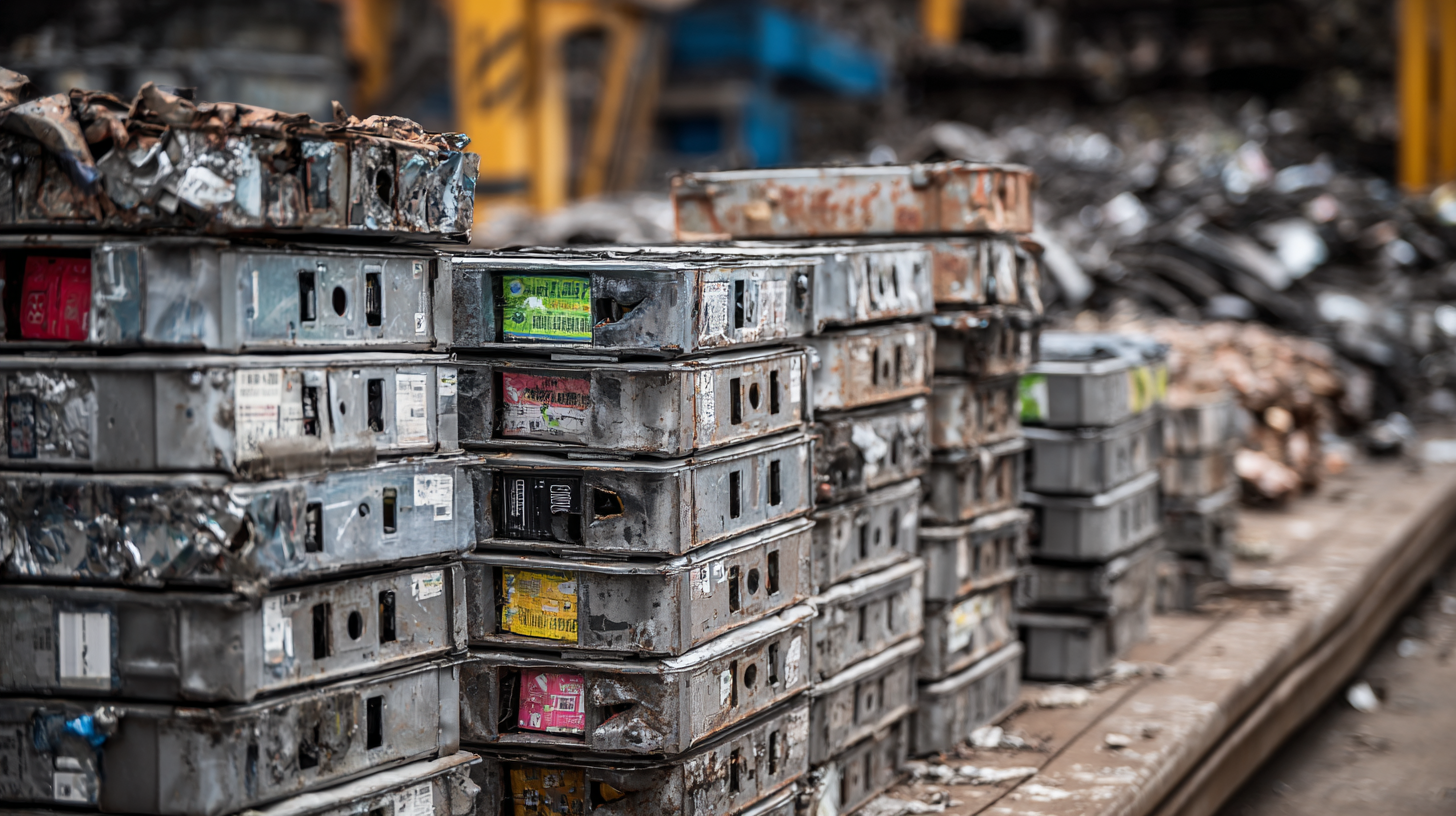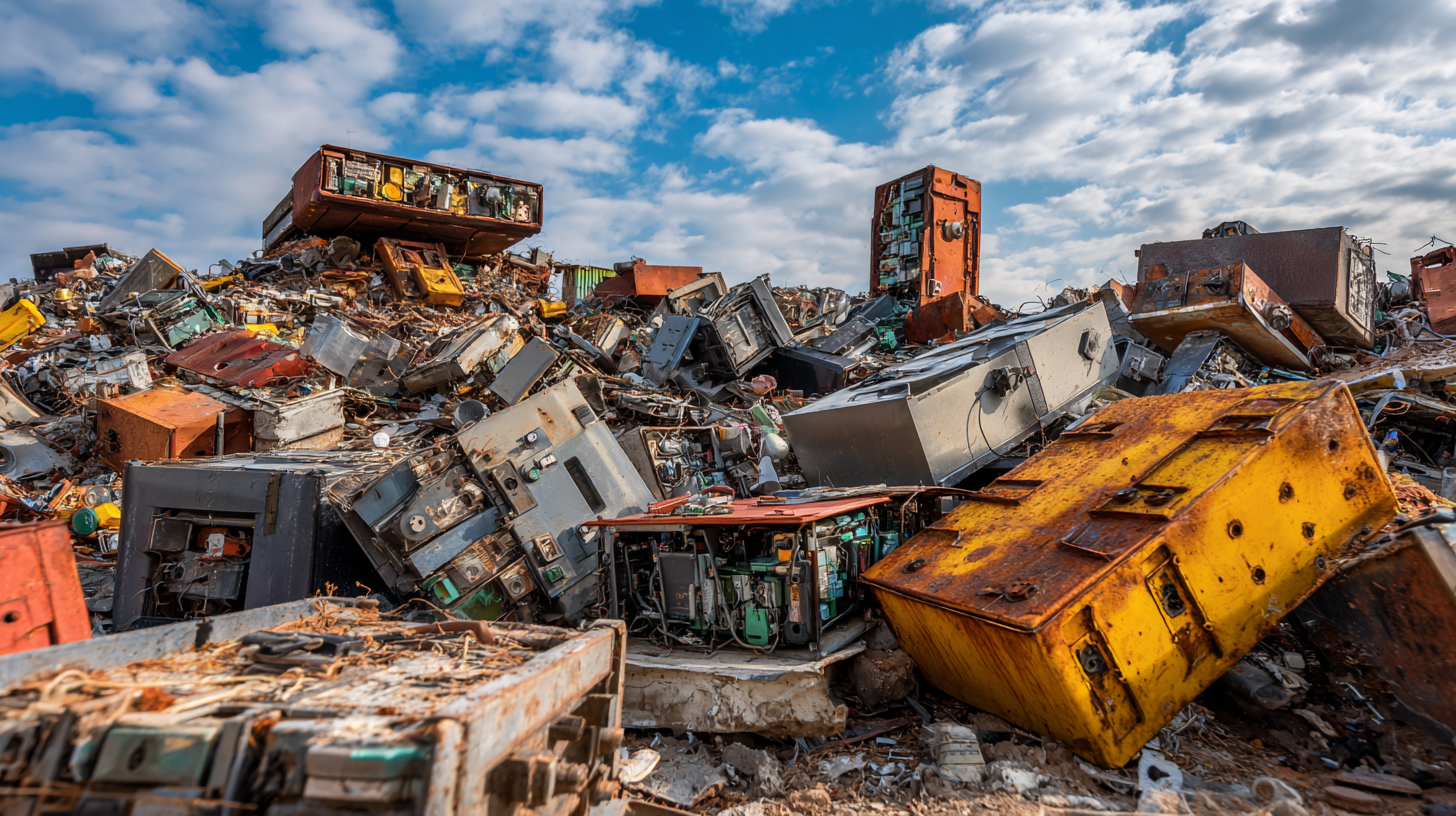
You know, the world of sustainable energy is changing super fast, and it’s clear that we really need effective recycling solutions—especially when it comes to scrapped EV battery recycling machines. Did you know that according to a report from the International Energy Agency, they expect global electric vehicle sales to hit over 30 million by 2030? That’s a massive increase in the number of old lithium-ion batteries we’ll have to deal with. Luckily, there’s Henan Shanshui Heavy Industry Technology Co., Ltd., right out of Henan, China. They’ve been leading the charge, so to speak, in creating innovative and eco-friendly machinery since 2013, focusing especially on recycling production lines for things like old Solar Panels and lithium batteries. For manufacturers, it’s super important to pick the right partner who has not only the cutting-edge recycling tech but also the know-how to help meet the rising demand while sticking to stricter environmental rules. In this blog, we'll dive into some key technical details and share tips on how to choose the best solutions for recycling those scrapped EV batteries.
Finding the right company to manufacture EV battery recycling machines is super important if you want to achieve effective and sustainable recycling solutions. With electric vehicles becoming more popular these days, the need for efficient recycling systems has really taken off, which makes it even more crucial to pick a manufacturer that you can trust. Recycling lithium-ion batteries isn’t just a walk in the park; it involves some complexities that require specialized equipment to handle different materials safely and responsibly. A dependable manufacturer not only brings cutting-edge technology to the table but also offers the support you need to make sure their machines run smoothly and comply with all the regulations.
Plus, a good manufacturer comes with a wealth of experience and know-how, which is essential for dealing with the ins and outs of battery recycling. They should provide solid customer service, technical help, and trustworthy after-sales support. By focusing on manufacturers with a solid track record, businesses can feel confident they’re investing in machines that fit their specific needs while also helping to create a greener future. In the end, choosing the right partner can really make a big difference in how successful scrapped EV battery recycling efforts turn out.
| Manufacturer Type | Recycling Capacity (tons/day) | Technology Used | Warranty Period (years) | Price Range (USD) |
|---|---|---|---|---|
| Standard Manufacturer | 10 | Hydrometallurgical | 2 | 50,000 - 80,000 |
| Advanced Manufacturer | 20 | Pyrometallurgical | 5 | 100,000 - 150,000 |
| Eco-Friendly Manufacturer | 15 | Biochemical | 3 | 70,000 - 120,000 |
| Budget Manufacturer | 5 | Mechanical | 1 | 30,000 - 50,000 |
| Premium Manufacturer | 25 | Hybrid | 6 | 150,000 - 200,000 |
So, when you're on the hunt for a manufacturer to get those scrapped EV battery recycling machines, there are definitely a few key things to keep in mind if you want to boost efficiency and sustainability. First off, advanced sorting technologies are super important. For instance, have you heard about in-line sorting systems? They use X-ray transmission scanning and deep learning—pretty cool, right? This tech can really up the game in battery detection within e-waste, which is crucial, especially since we're all aware of the risks like fires from crushed batteries in recycling plants.
And let’s not forget about the machinery itself. It should not only support the latest in recycling tech but also think about our economic and environmental needs. Manufacturers that put a premium on research and development for battery processing gear are invaluable. They can help smooth out the bumps in recycling, making it easier for companies to dive into the circular economy.
As far as picking the best equipment goes, look for features that help with figuring out the health of retired batteries. This is super important for deciding whether they're good to reuse. Plus, make sure the manufacturer can back you up with scalable solutions. With the demand for lithium-ion batteries skyrocketing, there’s a ton of room for improving efficiency in both battery production and recycling. So, keep these pointers in mind, and you’ll be more than ready to make a solid choice!
Choosing the right manufacturer for EV battery recycling machines is super important, and you really want to dig into their experience and know-how. A manufacturer that has been around for a while and has a solid track record in the game usually understands the nitty-gritty of processing scrap cell batteries like a pro. So, look for those who’ve got a few years under their belt and have successfully rolled out solutions that meet industry standards. Their longevity often points to a commitment to quality and innovation—both of which are key to developing effective recycling tech.
Here’s a little tip: check out the manufacturer’s past projects and read some client testimonials to get a sense of their reputation. Also, if they’re part of industry associations or have certifications that show they’re dedicated to sustainable practices and staying on top of tech advancements, that’s a big plus.
Another thing to think about is the technical know-how of the manufacturer’s team. A skilled team can offer valuable insights into the newest recycling methods and technology. This means you’ll end up with a machine that not only ticks all the boxes for what you need right now but can also flex and adapt to whatever comes next.
So, try to chat with potential manufacturers about their R&D efforts and how they keep up with the industry trends. This can really shine a light on how capable they are when it comes to innovating and supporting your long-term recycling goals.
So, when you're on the hunt for a manufacturer to help you with recycling scrapped EV batteries, you really need to think about cost and value—they’re kind of the big players in your investment game. It’s super important to check out several manufacturers since the market is packed with options that can fit different budgets. Now, I want you to be a bit cautious here; often, going for the cheaper option might mean you’re sacrificing efficiency and quality, which could end up costing you more in the long run. So, when you're reviewing those quotes, remember to look past the initial price tag. You should really consider the overall bang for your buck, including how durable the equipment is, how well it operates, and what kind of support you'll get after the sale.
Also, it’s a good idea to wrap your head around the technology packed into these machines. Manufacturers who put money into advanced recycling tech typically offer better performance and a more sustainable approach. Keep an eye out for companies that really value innovation; they’re usually the ones that create machines meeting those tough environmental standards. By doing your homework and weighing both costs and potential value, you’ll be in a much better spot to make a savvy decision that fits your recycling goals and budget.
Choosing the right manufacturer for recycling machines that deal with scrapped EV batteries? That’s a big deal! You definitely want to pay close attention to their customer support and after-sales service. Trust me, having solid support can really boost your efficiency in the long run and keep you satisfied. Did you know that about 81% of people say that great customer service makes them more likely to buy more from a brand? Pretty wild, right? So, it’s super important to go with a manufacturer who really values their customers and offers good support.
Now, to make sure you have a good relationship with the manufacturer you pick, here are some quick tips for you. First off, check how quickly their customer service gets back to you. If they’re responsive, that usually shows they care about keeping their customers happy. Secondly, find out if they provide solid training programs and resources for their products. Not only does this help your team get better at what they do, but it also shows that the manufacturer is really invested in helping you succeed. And lastly, don’t forget to do a little digging! Ask around and see what current customers have to say about their after-sales experiences. This can give you some great insight into how reliable they are and how good their support really is.
You know, the electric vehicle (EV) market is really taking off lately, and with that growth comes a big spotlight on recycling solutions for those old battery cells. There are some really cool and innovative technologies popping up to tackle the tricky side of EV battery recycling, which means manufacturers need to get on board with top-notch practices. We're seeing some great progress in hydrometallurgical processes and automated sorting systems, which are super important for making recycling more efficient and environmentally friendly. Not to mention, these advancements help recovery rates go up while keeping waste down, making recycling a pretty appealing business venture.
So, if you’re thinking about choosing a manufacturer for battery recycling solutions, here are a few tips to keep in mind: First up, look at their tech capabilities. You want reliable manufacturers who are using the latest technologies that fit right in with what’s trending in the industry. Next, check out how committed they are to environmental standards. Good recycling processes should be in line with both national and international regulations. And finally, it’s great to find manufacturers who offer customization options that can meet your specific needs since every recycling facility might have its own quirks.
Looking ahead, the future of EV battery recycling is all about embracing these fresh, innovative solutions. With ongoing developments in this area, we can expect recycling processes to not only get more efficient but also support a circular economy, ensuring that valuable materials are recovered and reused. That’s a big step toward sustainable practices in the EV world!
As the world shifts towards greener energy solutions, the importance of solar panel recycling has never been more critical. Maximizing sustainability involves not only the effective use of solar panels but also the efficient management of their lifecycle. Essential to this process are solar panel recycling equipment, specifically designed mills and vibrating screens that facilitate the recovery of valuable materials.
The solar panel mill plays a vital role in effectively breaking down solar panel materials. By employing advanced crushing and grinding techniques, it produces materials with optimal particle sizes for subsequent recovery processes. According to a report by the International Renewable Energy Agency (IRENA), approximately 78 million metric tons of solar panel waste could accumulate by 2050, making efficient recycling mechanisms essential. The mill ensures that resources are not lost in the process, setting the foundation for successful material separation and recovery.
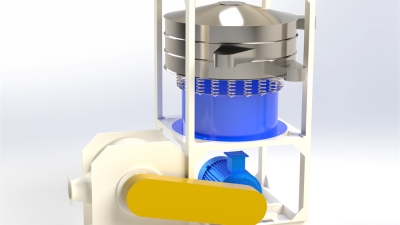
Complementing the grinding mill, the rotary vibrating screen enhances the recycling process by accurately sorting materials. It utilizes a unique vibration motor to generate rotational forces that effectively separate silicon powder and EVA (ethylene-vinyl acetate) from the ground material. This precise sorting is critical; a study by the European Commission estimates that optimal recycling practices could recover up to 95% of the materials in used solar panels. Together, these pieces of equipment ensure that the recycling process is streamlined, allowing for both environmental sustainability and economic efficiency in the green energy sector.
: Look for advanced sorting technologies, such as in-line systems that utilize X-ray transmission scanning and deep learning for better battery detection. Ensure that the equipment facilitates advancements in recycling technologies while considering economic and environmental functions.
A manufacturer with experience has a deeper understanding of the complexities involved in processing scrap cell batteries efficiently and is more likely to provide quality and innovative solutions.
Research the manufacturer's past projects, client testimonials, and involvement in industry associations or certifications. This can offer insights into their dedication to sustainable practices and technological advancements.
Engage in discussions regarding their R&D efforts and how they stay updated with industry trends, as this can indicate their capability to innovate and support your long-term recycling goals.
Excellent customer care increases the likelihood of purchasing additional products from the same manufacturer, which makes strong customer relations and after-sales support essential for long-term satisfaction.
Evaluate the responsiveness of their customer service team, the availability of comprehensive training programs, and seek feedback from existing customers regarding their after-sales experiences.
It is critical for determining the viability for reuse, thus enhancing the efficiency and effectiveness of recycling processes.
Ensure that the manufacturer provides robust support for scalability, which is important due to the growing demand for lithium-ion batteries and the need for efficiency improvements.
Incorporating in-line sorting systems that utilize X-ray transmission scanning and deep learning can significantly enhance battery detection and mitigate potential risks, such as fires from crushed batteries.
Look for manufacturers that demonstrate prompt responses to inquiries and examine feedback from current customers about their experiences with the manufacturer's support capabilities.