These days, with sustainability becoming more and more important, developing effective lithium battery recycling systems is really taking center stage in our efforts to build a greener future. As the popularity of electric vehicles and renewable energy keeps growing, the need for smart recycling solutions is more pressing than ever — we really have to find ways to lessen environmental harm. Companies like Henan Shanshui Heavy Industry Technology Co., Ltd. are leading the charge in this whole movement. They've been working on eco-friendly machinery since 2013, really focusing on creating efficient setups for recycling waste Solar Panels and lithium batteries.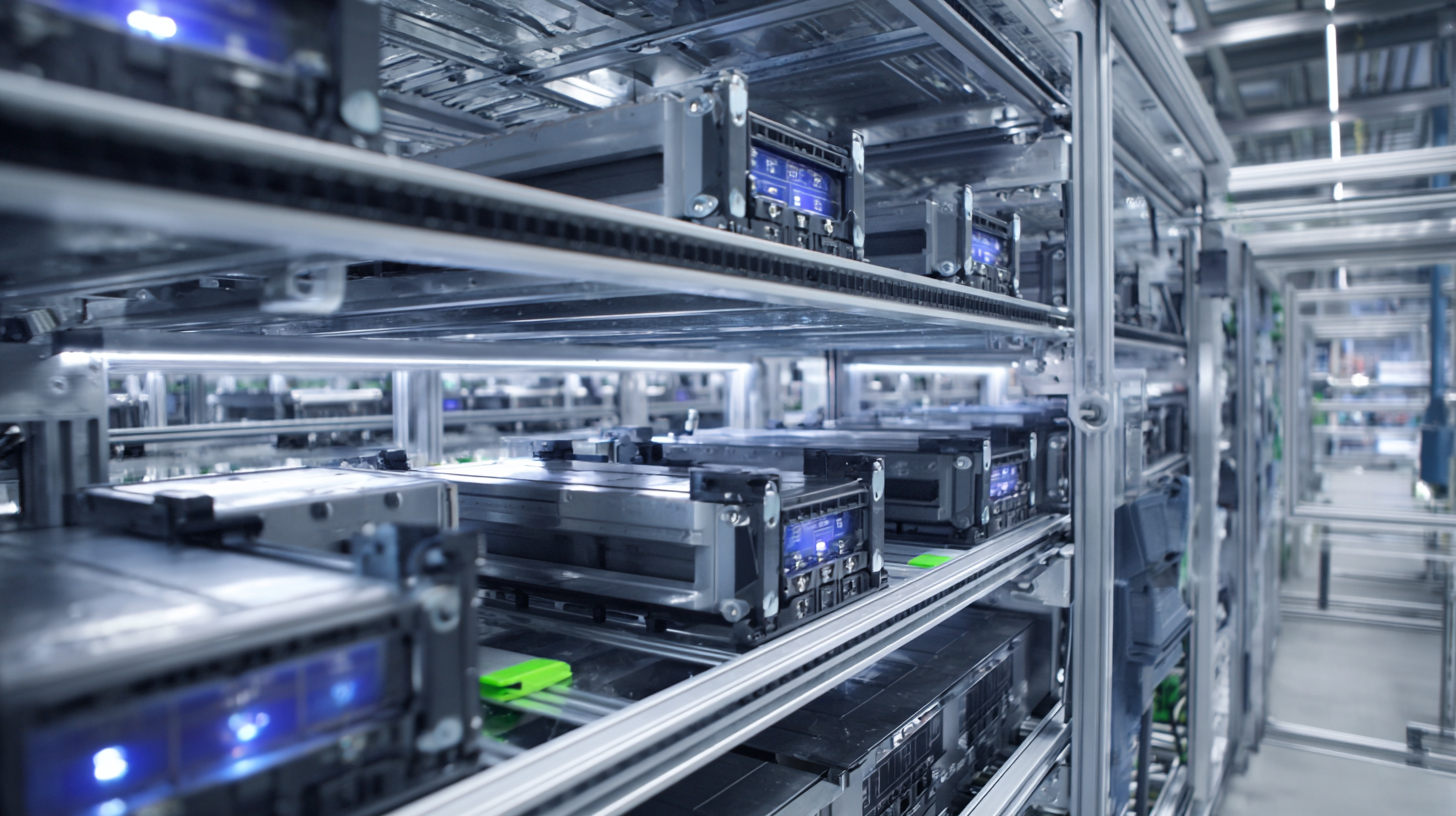 It’s pretty impressive how teams like theirs are not just tackling waste management issues but also playing a crucial part in global sustainability. In this blog, I’ll share some of the coolest innovations in lithium battery recycling that are changing industries and helping us move toward a more sustainable planet — it’s all pretty exciting stuff!
Innovative Approaches to Lithium Battery Recycling: A Global Perspective
Lately, there's been a real push to adopt more sustainable practices, especially when it comes to recycling lithium batteries. If you peek at what’s happening worldwide, you'll notice lots of different approaches—some focus on cutting environmental harm, while others aim to recover valuable materials like lithium, cobalt, and nickel. Thanks to cutting-edge tech, companies are changing the game in how they process these batteries, making sure those key components are reclaimed efficiently so they can be reused. It’s not just about being eco-friendly, either; this shift supports the entire idea of a circular economy and helps meet the surging demand for raw materials, especially as green energy takes off.
Take Henan Shanshui Heavy Industry Technology Co., Ltd., for example. They’ve been big players in this field since 2013, focusing on R&D and building eco-conscious machinery. Their production lines are designed to be super efficient while keeping environmental impact as low as possible. That makes a real difference in encouraging sustainable habits across different industries. By putting eco-friendly manufacturing front and center, Shanshui is helping lead the charge toward better lithium battery management worldwide—working toward a greener, cleaner future for everyone.
Innovative Examples of Lithium Battery Recycling Systems Transforming Global Sustainability
| Region | Recycling Process | Material Recovered (%) | CO2 Emissions Reduction (tons) | Energy Savings (MWh) |
| North America | Hydrometallurgical | 95% | 1,000 | 500 |
| Europe | Pyrometallurgical | 90% | 800 | 400 |
| Asia | Direct Recycling | 85% | 600 | 350 |
| Australia | Biological Recycling | 80% | 500 | 300 |
Comparative Analysis of Traditional vs. Advanced Lithium Battery Recycling Methods
Switching over to more eco-friendly battery tech really hinges on how we improve lithium battery recycling. You know, the old-school methods often just aren’t cutting it when it comes to being good for the environment or being efficient. Recent research kinda screams for new approaches—think hydrometallurgical and pyrometallurgical techniques—that do a way better job at recovering valuable stuff from old lithium-ion batteries. When people compare these methods, they usually find that not only do they make economic sense, but they also cut down carbon emissions quite a bit. So, they’re definitely the way forward if we want sustainable options.
And here’s something pretty interesting—life cycle assessments on recycling ternary lithium batteries show that these advanced methods can cut the environmental impact by anywhere from 30 to 50 percent compared to the older processes. As more folks jump into electric vehicles, figuring out how to manage batteries from start to finish becomes a big deal. New strategies are focusing on full-circle recycling setups, where we can retrieve up to 95% of those critical cathode materials—and that’s pretty much turning what was considered waste into a valuable resource. All these innovations are super important if we want to push for a cleaner energy future and tackle the environmental problems caused by battery waste, right?
Comparative Analysis of Lithium Battery Recycling Methods
This chart compares the efficiency and environmental impact of traditional vs. advanced lithium battery recycling methods. Data shows that advanced methods significantly reduce lithium loss and environmental damage.
Key Players in Lithium Battery Recycling: Success Stories from Around the World
Hey, you know, with everyone pushing for sustainability these days, there's been some pretty awesome progress in how we recycle lithium batteries. A few big names are really leading the way. Take Redwood Materials in the States, for example — they've developed some clever methods to recover lithium, cobalt, and nickel from old batteries. Their closed-loop system is pretty cool because it cuts down waste and means we don't always have to dig up new raw materials. It’s kind of setting the bar high for the industry. On the other side of the pond, European companies like Umicore and Northvolt are pushing the envelope by weaving recycling right into their manufacturing processes. They’re proving that sustainability can genuinely be part of how a business operates — not just an afterthought.
And hey, if you're into doing your part, it might be worth checking out local battery recycling programs. Lots of stores now have drop-off points for used batteries, so you can make sure they’re handled properly without much fuss.
Over in Asia, companies like SVolt and BYD are pouring big bucks into battery recycling tech. They're not just recycling old batteries — they’re also refurbishing them for second lives, turning them into energy storage units. It’s pretty innovative stuff — not only helping the environment but also boosting the green tech economy.
By the way, a quick tip — make sure to look up your manufacturer’s guidelines for recycling or returning old batteries. Knowing your options helps prevent nasty waste and makes sure resources don’t go to waste. It’s all about doing what we can to keep the planet happy, right?
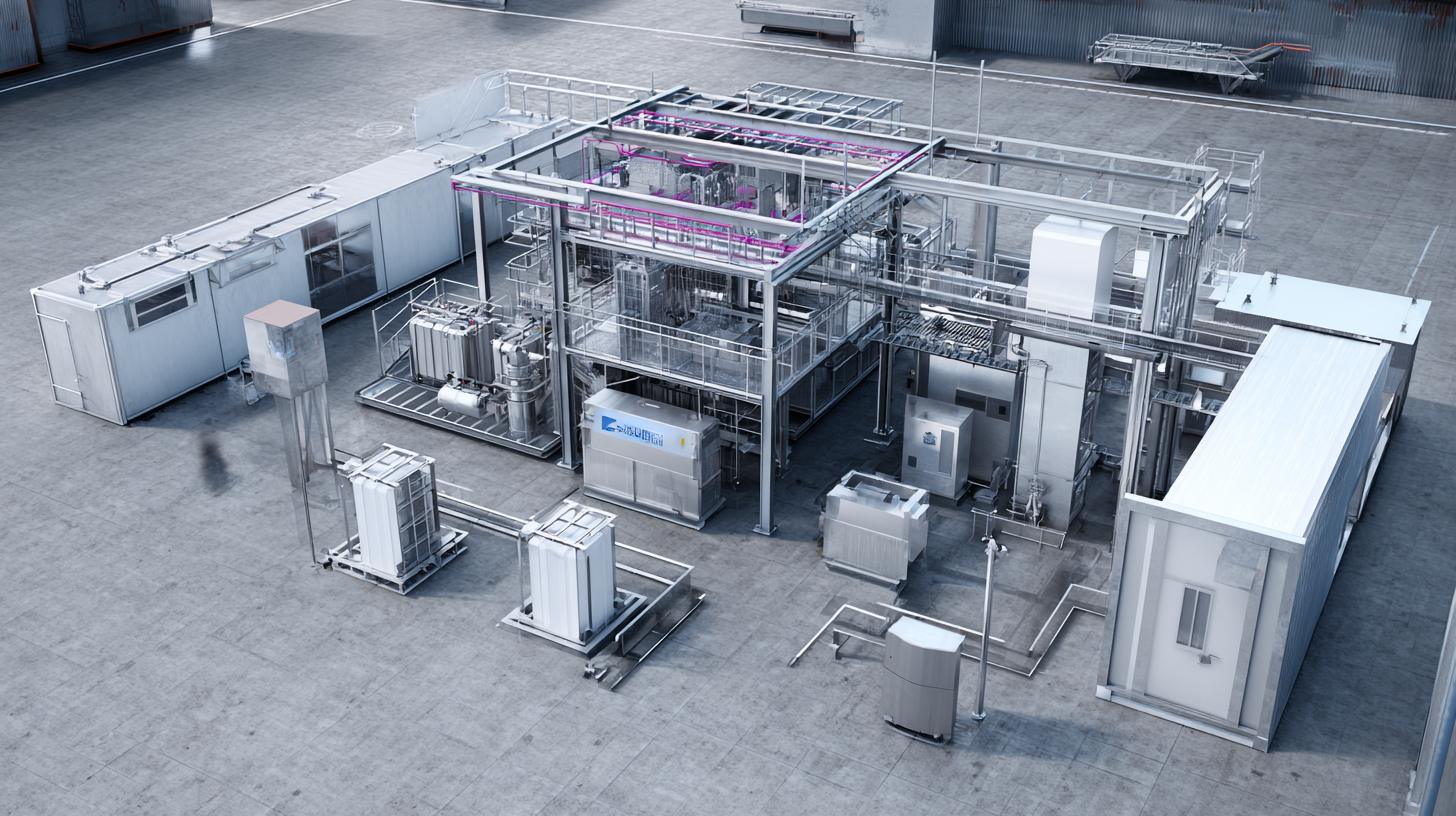
Sustainability Metrics: Evaluating the Environmental Impact of Different Recycling Systems
As more and more folks are turning to lithium-ion batteries, it's clear that having solid recycling systems in place is more important than ever. If we take a moment to look at how different recycling methods impact the environment, we can see how new innovations do a pretty good job of not just saving resources but also cutting down on pollution. You know, traditional methods usually focus on digging up raw lithium, which can really mess up ecosystems. On the flip side, newer recycling tech aims to reuse what’s already out there, which means we don’t have to mine as much new material—definitely a big win for lowering the carbon footprint of battery production.
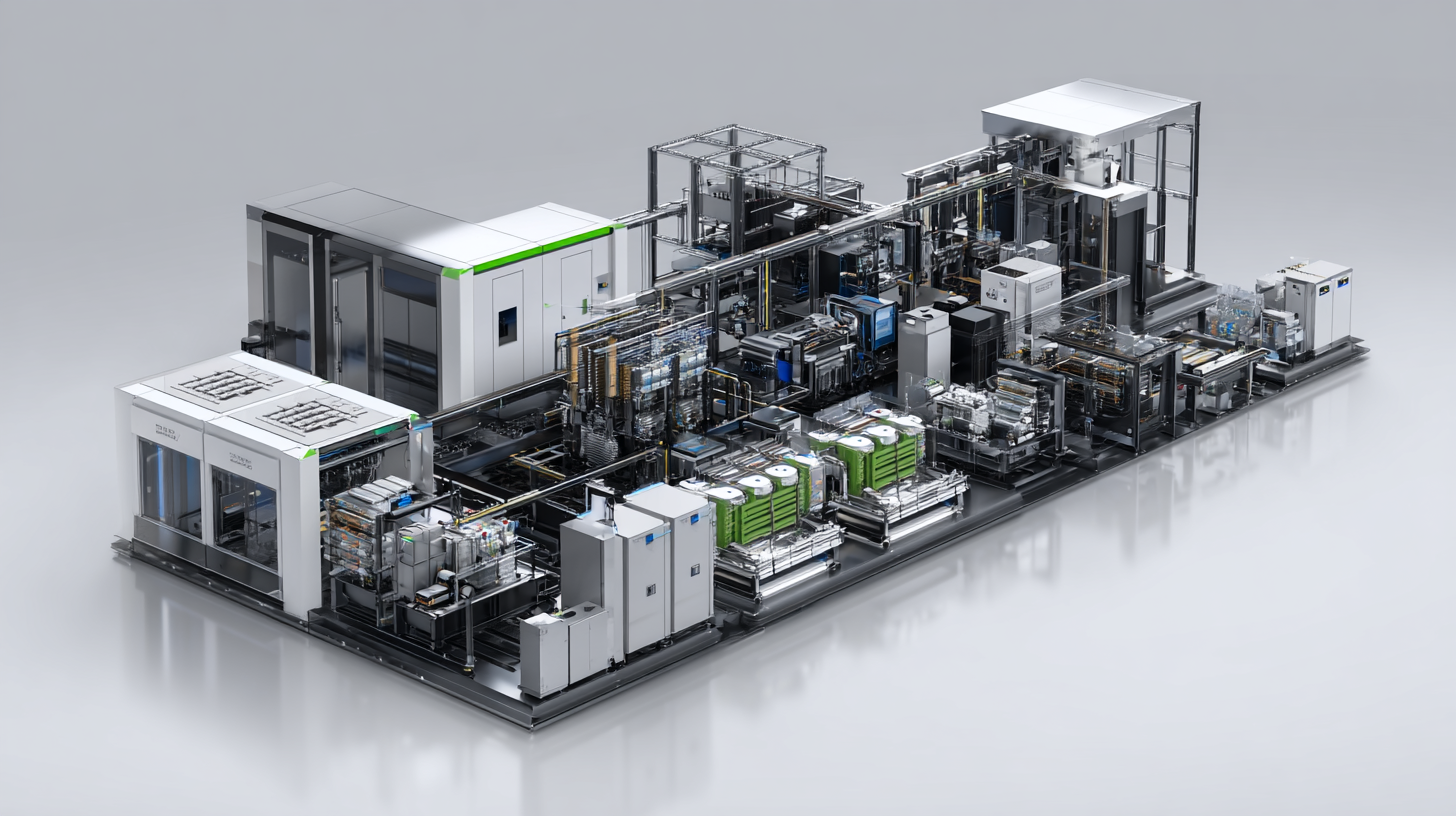
One approach that’s been catching people's attention is hydrometallurgy. Basically, they use chemicals to dissolve the battery parts and pull out the valuable bits. It’s a more eco-friendly way to do things because it uses less energy and creates less hazardous waste. Plus, when we set up closed-loop systems where recovered materials go back into making new batteries, it keeps the cycle going—kind of like a circular economy. By setting clear sustainability goals and metrics, we can honestly see how these recycling methods are doing, which helps shape smarter policies and pushes the tech forward. All in all, these advancements are helping us move toward a greener, cleaner planet—something we all wanna see, right?
Economic Implications of Lithium Battery Recycling: A Comparative Study
You know, as the world’s craving for electric vehicles keeps growing, the whole idea of recycling lithium batteries is becoming super important—like, way more than before. The International Energy Agency even projects that by 2030, there could be around 145 million EVs out there, which means we’re gonna need better recycling systems to handle all that. Interestingly enough, the economic side of things looks pretty promising too—if we set up solid recycling frameworks, we might see about $7.6 billion in secondary raw material markets by 2025. Not only does that give a nice boost to the economy, but it also helps cut down on the environmental mess caused by mining new lithium — big win for everyone!
Plus, there was this recent study by the World Economic Forum that shows recycling lithium batteries can cut production costs by up to 30%. That’s mainly because we can recover valuable stuff like lithium, cobalt, and nickel from old batteries, which helps manufacturers save some serious bucks on sourcing raw materials. As more companies realize how much they can save by recycling, I think we’re looking at a shift that’s good for both business and our planet. It could really change the game when it comes to how batteries are made and reused—kind of a win-win, really.
Future Trends in Lithium Battery Recycling: Innovations Driving Global Change
You know, recycling lithium batteries is really becoming a hot topic these days. It’s all about finding smarter ways to do it, especially with everyone’s buzzing about electric cars and renewable energy storage. There are some pretty cool new technologies popping up that make recycling not just more efficient but also kinder to the environment. For example, hydrometallurgical methods are getting better at pulling out lithium and other valuable materials, and they do this while using way less energy. It’s a win for resource conservation and helps recycle materials instead of constantly mining new ones, which is great for reducing our environmental footprint.
And get this—urban mining is really gaining ground. Instead of just throwing away batteries, companies are now extracting useful stuff from old ones, kinda turning trash into treasure. They’re even using AI and robots to sort and collect materials more accurately, which means higher recovery rates and lower costs. As all these techs keep improving, we’re moving towards a future where recycled materials are routinely fed back into new batteries—what they call a 'closed-loop' system. It’s a big step towards reducing the carbon footprint tied to raw material mining and making lithium batteries way more sustainable overall. Honestly, it’s pretty exciting to see how all this is shaping up for a greener, cleaner future.
Innovative Solutions for Waste Management: A Deep Dive into Positive and Negative Electrode Battery Recycling Equipment
Innovative Solutions for Waste Management: A Deep Dive into Positive and Negative Electrode Battery Recycling Equipment
The exponential growth of battery usage, particularly in electric vehicles and renewable energy storage, has placed immense pressure on waste management systems. With the increasing number of spent batteries, effective recycling methods are paramount. Positive and negative electrode processing machines play a crucial role in this endeavor, expertly sorting out copper, aluminum, and other precious metals from the battery electrodes. Reports indicate that the purity of the separated metals can exceed 98%, significantly enhancing the value of the recycled materials. This process not only maximizes the recovery of valuable resources but also reduces the environmental footprint associated with traditional metal extraction.
The methodology employed in these recycling processes is noteworthy—operations are carried out under negative pressure conditions, ensuring that no harmful gases escape into the atmosphere. According to the International Energy Agency (IEA), battery waste is expected to increase dramatically, with projections suggesting that the global volume of lithium-ion batteries reaching their end-of-life could grow to 11 million tons by 2030. Addressing this challenge with innovative recycling technologies is not just beneficial for resource recovery but is essential for achieving sustainability targets within the industry. By investing in advanced recycling equipment, companies can adhere to stringent environmental regulations while contributing positively to the circular economy.
FAQS
: The rising demand for lithium-ion batteries necessitates effective recycling systems to conserve resources and reduce pollution.
Traditional lithium extraction methods can significantly damage ecosystems, making them less sustainable compared to innovative recycling approaches.
Hydrometallurgical techniques involve dissolving battery materials in chemical solutions to recover valuable components, resulting in lower energy consumption and reduced hazardous waste.
The company specializes in manufacturing eco-friendly machinery designed to enhance the efficiency of lithium battery recycling and promote sustainable practices.
A closed-loop recycling system reintegrates recovered materials back into the production cycle, supporting the circular economy and minimizing the need for new raw material extraction.
Establishing sustainability metrics allows for objective evaluation of recycling systems' environmental impacts, guiding policy decisions and technological advancements.
Key materials such as lithium, cobalt, and nickel are efficiently reclaimed and reused during the recycling process.
Advanced technologies and innovative approaches, such as hydrometallurgical techniques and closed-loop systems, are changing the way lithium batteries are processed for sustainability.
By efficiently reclaiming and reusing materials, lithium battery recycling reduces the need for new extraction and promotes sustainable practices that support the circular economy.
Sustainable recycling mitigates environmental impacts, reduces pollution, conserves resources, and supports the growing demand for raw materials in the green energy sector.
Conclusion
The blog titled "Innovative Examples of Lithium Battery Recycling Systems Transforming Global Sustainability" dives into some really fascinating groundbreaking solutions happening all over the world when it comes to recycling lithium batteries. It starts off by showcasing new approaches that are totally changing the game in recycling methods—kind of exciting, right? Then, it compares traditional recycling ways with these newer, smarter systems, highlighting how much more efficient and eco-friendly they are. The piece also highlights success stories from around the globe, where industry leaders are making a real difference and showing just how much these innovative systems can boost sustainability efforts. Oh, and it doesn’t forget to touch on the economic side of things—way more benefits come from investing in better lithium battery recycling tech. Looking ahead, it points out some fresh trends and innovations that are likely to cause big shifts worldwide in how we handle lithium batteries.
Here at Henan Shanshui Heavy Industry Technology Co., Ltd., we’re doing our part too. We’re really dedicated to developing eco-friendly machinery—especially for recycling waste solar panels and creating lines for lithium battery recycling. Our focus on sustainable practices lines up perfectly with the trends highlighted in the blog. It’s clear that effective lithium battery recycling isn’t just a good idea, it’s essential if we want a greener, more sustainable future."