- shanshui@shanshuizg.com
- We Will Respond to Your Inquiry Within 24 Hours of Receipt!
Leave Your Message
- Phone
- E-mail
- Whatsapp
- Wechat

You know, with everyone becoming more aware of environmental issuesthese days, it’s clear that finding effective recycling solutions is super important. Take the Glass Recycling market in China, for instance—it's projected to hit a whoppingUSD 7.2 billion by 2025! That’s catching the eye of buyers from all over the globe. This boom is all about those eco-friendly initiatives and stricter regulations that are pushing us to cut down on waste and start embracing circular economies.  Then there’s Henan Shanshui Heavy Industry Technology Co., Ltd., which kicked off in 2013 and is really leading the charge in this area. They focus on developing cool, innovative machines that are kinder to our planet. Specializing in recycling waste from Solar Panels and lithium batteries, their cutting-edge production lines are making a real difference in the PRC glass recycling scene. As more and more buyers lean into these green solutions, it just feels like we’re getting closer to a genuinelysustainable future. Pretty exciting stuff!
You know, the way we handle waste around the globe is really changing these days! More and more countries are looking towards Made in China for their glass recycling solutions. This uptick is all about people being more aware of how important environmental sustainability is becoming, plus the cool new recycling tech out there. Both industries and everyday folks are on the hunt for smart ways to cut down on waste, and China's recycling techniques are stepping up as a solid choice, fitting the needs of different markets everywhere.
Countries are starting to realize that getting their glass recycling solutions from China doesn’t just beef up their waste management plans—it also helps build international teamwork. The way the Chinese recycling systems work is super efficient and can easily scale up, catching the eye of global buyers who want to adopt sustainable practices that mesh well with their local systems. This trend really highlights a shift towards a circular economy, where things get reused over and over again, cutting down on what ends up in landfills and encouraging us to take better care of our planet. With the push for eco-friendly options getting stronger, it seems like Made in China glass recycling is becoming a key player in working towards a more sustainable future!
The 2023 Global Waste Circuit Board Recycling Market Report reveals significant insights into the urgent need for innovative solutions in electronic waste management. As the world continues to grapple with increasing amounts of e-waste, the spotlight is on the advanced technologies that facilitate the recycling of circuit boards found in discarded devices such as mobile phones, computers, and televisions.
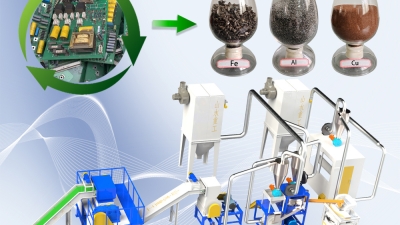
One remarkable approach highlighted in the report is the use of high-voltage electrostatic separation equipment designed specifically for circuit board treatment. This technology not only efficiently breaks down and crushes circuit boards but also transforms these complex materials into a mix of metal and resin fiber powders. The subsequent separation of metals, resins, and other non-metals enabled by this sophisticated production line not only exemplifies technological advancement but also underscores a commitment to environmentally friendly and energy-saving practices.
By prioritizing the recycling of circuit boards, we are not only reclaiming valuable metals for reuse but also minimizing the environmental impact associated with e-waste disposal. Embracing such cutting-edge equipment is crucial as we strive to revolutionize e-waste management and create a sustainable future for electronic products.
: The demand for effective glass recycling methods has surged as industries increasingly prioritize environmentally friendly practices.
By investing in durable and efficient machinery, companies can significantly reduce operational expenses in the long run, enhancing their overall fiscal health.
After-sales services are crucial for troubleshooting, repairs, and maximizing equipment lifespan through regular maintenance, ensuring successful implementation of glass recycling solutions.
Chinese manufacturers offer comprehensive after-sales packages that include training and on-site assistance to enhance customer satisfaction and build trust.
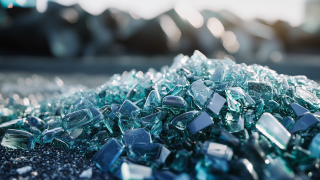
Recent innovations in sorting and processing technologies have enabled efficient recovery of glass from mixed waste streams, turning glass waste into valuable resources.
The global glass recycling market is expected to grow significantly, with a projected compound annual growth rate (CAGR) of 7.5% from 2021 to 2028.
The integration of circular economy principles allows for redefining "low-value" waste as potential economic resources, improving waste management strategies.
New recycling innovations address not only traditional materials but also complex waste types, including food packaging and plastics.
Technological progress indicates that waste materials, including kitchen waste, can be transformed into green energy, highlighting the importance of recycling solutions for a sustainable future.
Efficient utilization of resources in recycling practices fosters more sustainable approaches, transforming waste into opportunities rather than liabilities.