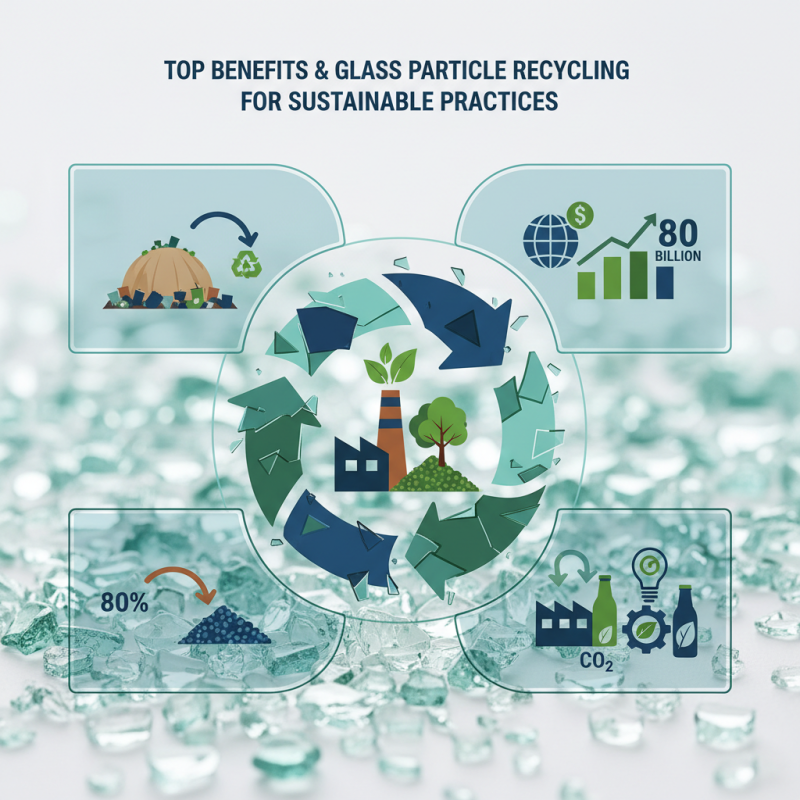
You know, with sustainability really becoming a big deal these days, it's no surprise that recycling glass particles has seen a serious uptick. Basically, it's all about turning old, waste glass into useful raw materials that many industries can work with. The Glass Recycling Coalition points out that around 80% of glass containers can actually be recycled — that’s a pretty big deal when it comes to cutting down on landfill clutter and saving our natural resources. And get this: experts estimate the global market for recycled glass could hit a crazy $80 billion by 2027. That just shows how much people are starting to realize it’s not just good for the planet but also makes sense financially.
As companies push to hit tougher sustainability targets, recycling glass offers a bunch of perks — like cutting down carbon emissions and using less energy overall. The EPA mentions that recycling just one ton of glass can save roughly 1,300 pounds of carbon dioxide. Pretty impressive, right? Plus, using recycled glass means less need for digging up new raw materials, which is good news for the environment and helps create a more circular, less wasteful economy. All in all, the evidence is pretty clear — glass recycling isn’t just about being eco-friendly, it’s also a pretty smart business move that supports sustainable growth across all sorts of industries.
Overview of Glass Particle Recycling and Its Importance
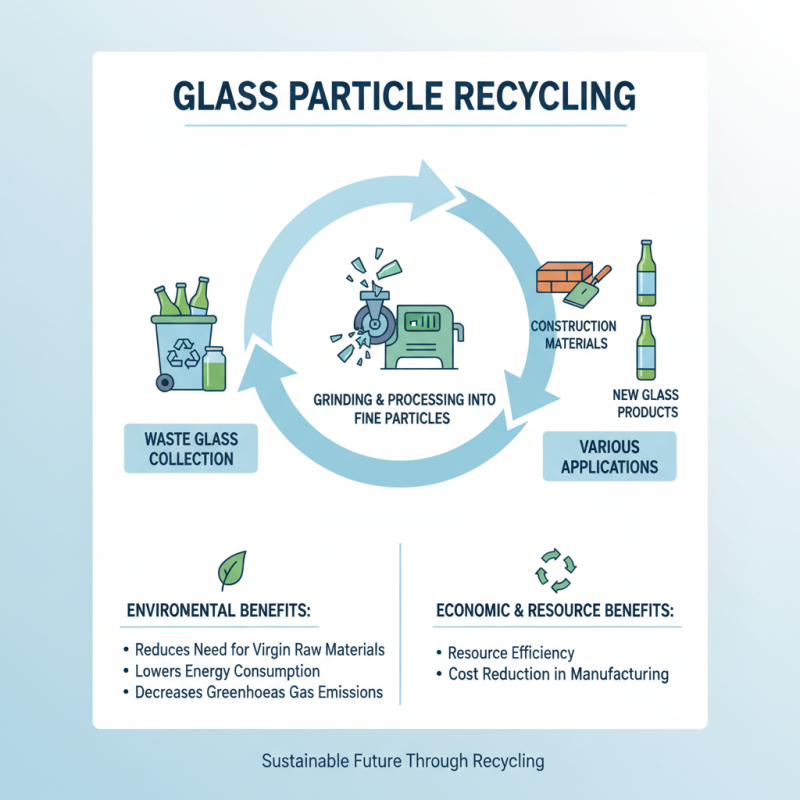
Glass particle recycling is a critical component of sustainable practices, aiming to repurpose waste glass and minimize environmental impact. The process involves grinding discarded glass into fine particles, which can be used in various applications, such as construction materials, abrasives, and even in the production of new glass products. This not only reduces the need for virgin raw materials but also lowers energy consumption and greenhouse gas emissions associated with glass manufacturing.
Implementing glass particle recycling has significant benefits. It diverts a substantial amount of Glass Waste from landfills, where it would take thousands of years to decompose. Additionally, recycled glass particles can enhance the quality of construction materials by improving durability and aesthetics. The use of recycled glass reduces material costs, making it an economically viable option for industries while contributing to a circular economy.
**Tips for Effective Glass Particle Recycling:**
1. Ensure proper separation of different glass types before recycling, as mixed glass can decrease the quality of recycled products.
2. Educate local communities about the importance of recycling glass and provide accessible recycling stations to increase participation.
3. Explore innovative ways to incorporate recycled glass particles into everyday products, such as landscaping materials or decorative items, to promote sustainability.
Environmental Benefits of Recycling Glass Particles
Recycling glass particles plays a crucial role in promoting sustainable practices and significantly benefits the environment. According to the Container Recycling Institute, recycling just one ton of glass saves over 1,300 pounds of natural resources, including sand, soda ash, and limestone. By repurposing these materials, we reduce the need for new raw materials, which in turn minimizes mining activities and the associated environmental degradation. Furthermore, the Energy Information Administration reports that recycling glass can save up to 40% of the energy required to produce new glass. This substantial energy conservation contributes to a decrease in greenhouse gas emissions, making glass particle recycling an essential component of effective waste management strategies.
Additionally, when glass particles are recycled, they help divert significant volumes of waste from landfills. The Environmental Protection Agency estimates that recycling one ton of glass can keep approximately 1.2 tons of waste out of landfills, thereby extending their lifespan and reducing the need for landfill expansion. This reduction in waste not only mitigates the environmental impact associated with landfills—such as soil and groundwater contamination—but also promotes a circular economy where materials are continuously reused. By embracing glass particle recycling, communities can enhance sustainability efforts while fostering a cleaner and healthier environment for future generations.
Economic Advantages for Businesses Involved in Glass Recycling
The economic advantages of glass particle recycling for businesses are increasingly significant as the demand for sustainable practices grows. According to the Glass Recycling Coalition, recycling one ton of glass can save over $125 in disposal costs and reduce energy consumption by approximately 50%. This not only translates to cost savings but also lessens environmental impact, which is becoming a prioritized factor for consumers and businesses alike. By adopting glass recycling initiatives, organizations can save money while contributing to a circular economy that minimizes waste.
Moreover, companies engaged in glass recycling can enhance their market competitiveness. A study by the National Recycling Coalition highlighted that businesses participating in recycling programs often experience an increase in consumer preference and loyalty, which can lead to higher sales. Another report from the U.S. Environmental Protection Agency cited that for every job in the recycling industry, approximately 1.17 jobs are created in the manufacturing sector. Thus, investing in glass recycling not only promotes sustainability but also fosters job creation and economic growth.
Tip: To maximize the economic benefits of glass recycling, businesses should consider collaborating with local recycling facilities to ensure a steady supply of recycled materials, potentially reducing costs further. Additionally, improving internal recycling education can empower employees to contribute effectively, enhancing overall recycling rates and operational efficiencies within the company.
Technological Innovations in Glass Particle Recycling Processes
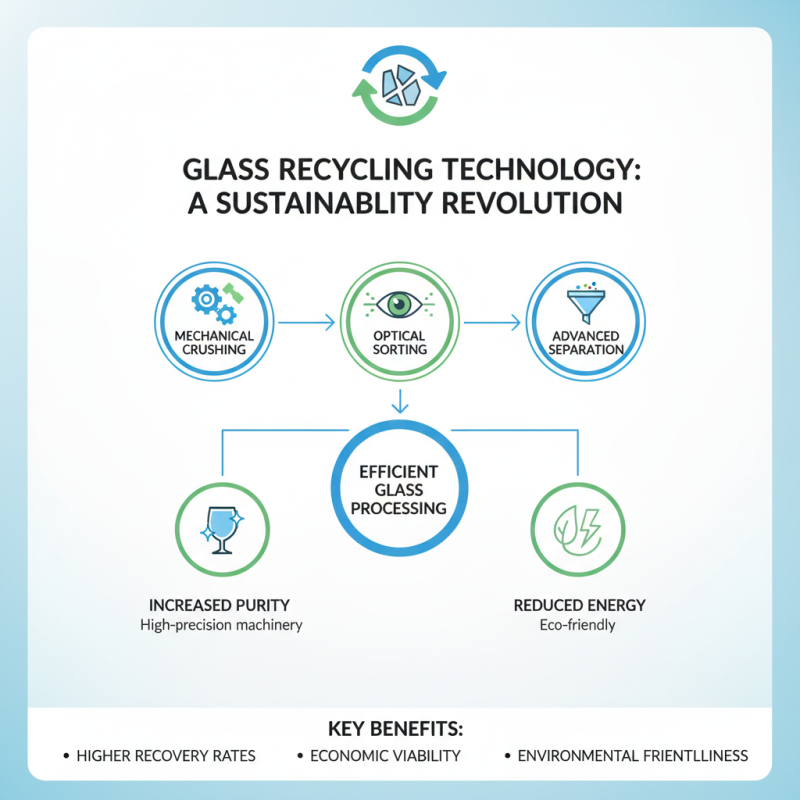
The advancement of technology in glass particle recycling processes is driving a significant transformation in how we manage waste and promote sustainability. Innovative methods such as mechanical crushing, optical sorting, and advanced separation techniques have emerged, allowing for the efficient processing of glass materials. These technologies not only enhance the purity of recycled glass but also reduce the energy consumption associated with traditional recycling methods. By utilizing high-precision machinery, the recycling industry can significantly increase the recovery rates of glass particles, making the overall process both economically viable and environmentally friendly.
Furthermore, the integration of artificial intelligence and machine learning into the recycling workflow is revolutionizing the sector. AI-driven systems can optimize sorting processes, identifying glass types with remarkable accuracy and speed, which minimizes contamination and maximizes the quality of recycled output. Additionally, emerging technologies such as hydrometallurgical methods are being explored, enabling the recovery of valuable minerals from glass waste. This holistic approach not only supports sustainable practices by reducing landfill waste but also contributes to a circular economy, where materials are continuously reused and repurposed, leading to long-term environmental benefits.
Applications of Recycled Glass Particles in Various Industries
Recycled glass particles are increasingly finding utility across a multitude of industries, driven by their sustainability benefits and versatility. In construction, crushed glass is often incorporated into concrete, enhancing its strength and durability while reducing the need for virgin materials. This not only helps in lowering the carbon footprint of construction projects but also boosts resource efficiency. Glass aggregates are becoming popular in road construction, where they improve the structural integrity of asphalt mixtures, showcasing how recycled glass can contribute to more sustainable infrastructure development.
In the realm of packaging, recycled glass particles are utilized to manufacture new glass products, significantly decreasing the energy consumption associated with melting raw materials. This practice not only conserves resources but also promotes a circular economy, ensuring that glass can be reused multiple times without degradation. Furthermore, in the field of art and design, recycled glass particles serve as vibrant materials for mosaics and decorative pieces, emphasizing aesthetic value while promoting environmentally friendly practices. The diverse applications of recycled glass particles demonstrate their potential in fostering sustainable innovations across various sectors.
Challenges Faced in Glass Particle Recycling Practices
Recycling glass particles presents numerous advantages for sustainable practices, yet it comes with its set of challenges that need to be addressed. One of the primary difficulties is the contamination of glass materials, as they often come mixed with other recyclables or non-recyclable items. This contamination can lead to increased processing costs and lower quality recycled glass. Additionally, the technology required to efficiently sort and process glass particles can be costly and may not be widely available, especially in developing regions.
To enhance glass particle recycling, companies can implement a few effective strategies. First, creating awareness among the public regarding proper disposal techniques is crucial. By educating individuals about separating glass from other waste, contamination rates can be significantly reduced. Second, investing in advanced recycling technologies can streamline the sorting process and improve the quality of recycled glass output. These innovations not only increase efficiency but can also reduce overall operational costs in the long run.
Finally, establishing partnerships between local governments, recycling facilities, and manufacturers can lead to a more cohesive recycling ecosystem. By collaborating, these entities can share best practices, resources, and technology, ultimately driving higher recycling rates and fostering sustainability. Engaging the community in these initiatives can also cultivate a culture of sustainability, ensuring that glass particle recycling becomes a fundamental practice within society.
Future Trends in Glass Recycling for Sustainable Development
The future of glass recycling is poised for significant advancements as industries and communities increasingly recognize its potential for achieving sustainable development. According to a report by the International Journal of Environmental Science and Technology, recycling glass can save up to 50% of energy consumption in the production of new glass containers. Furthermore, the report highlights that recycled glass reduces greenhouse gas emissions by approximately 30%, presenting a compelling case for enhanced recycling practices.
Emerging technologies, such as advanced sorting systems and the adoption of artificial intelligence, are expected to revolutionize glass recycling processes. The U.S. Environmental Protection Agency (EPA) projects that these innovations could increase recycling rates from the current 33% to nearly 50% by 2030. Moreover, the development of closed-loop systems will allow manufacturers to use recycled glass repeatedly, minimizing reliance on virgin materials and lowering environmental impact. This approach aligns with global sustainability goals, fostering a circular economy and encouraging businesses to adopt more eco-friendly practices.
As communities implement more robust recycling programs, participation and awareness will also play a critical role. A study by the European Glass Packaging Federation indicates that programs promoting public engagement could lead to a 20% increase in recycling rates. By investing in education and infrastructure, societies can work towards sustainable development, positioning glass recycling as a key strategy in combating environmental challenges.
Top Benefits of Glass Particle Recycling for Sustainable Practices
Exploring the Market Trends and Innovations in Lithium Battery Recycling Equipment: Insights from Recent Industry Reports
The lithium battery recycling industry is rapidly evolving, with significant advancements in equipment designed to streamline the recycling process. Central to these innovations is the lithium battery crusher, a specialized machine engineered to dismantle and crush used lithium batteries efficiently. This equipment typically features a robust structure comprising a feeding device, a crushing host, a power system, transmission components, and a discharging screening system. Each component plays a critical role in ensuring that the recycling process is both effective and safe.
The working principle of the lithium battery crusher is based on the application of high-speed rotating cutters or hammers within the crushing host. These components generate substantial impact and shear forces that break down shredded lithium battery fragments into smaller, manageable pieces. This reduction in size not only facilitates easier processing but also enhances the extraction of valuable materials that can be recovered and reused, contributing to resource conservation and sustainability efforts within the industry.
As the demand for lithium batteries continues to grow, so too does the need for efficient recycling solutions. Companies are increasingly turning to advanced recycling technologies that optimize material recovery while minimizing environmental impact. This trend underscores the importance of innovations in lithium battery recycling equipment, which are now more vital than ever in addressing the challenges posed by battery waste and the urgency of developing a circular economy in the energy sector.
FAQS
: Recycled glass particles are incorporated into concrete to enhance strength and durability, and are used as glass aggregates in road construction to improve the structural integrity of asphalt mixtures.
Recycled glass particles are used to manufacture new glass products, significantly reducing energy consumption and promoting a circular economy by allowing glass to be reused multiple times without degradation.
Challenges include contamination with non-recyclable items, which can increase processing costs and lower the quality of recycled glass, along with the high costs of advanced sorting technologies.
Educating the public about proper disposal techniques can reduce contamination rates by encouraging individuals to separate glass from other waste.
Investing in advanced recycling technologies can streamline the sorting process and enhance the quality of recycled glass output, increasing efficiency and potentially lowering operational costs.
Partnerships between local governments, recycling facilities, and manufacturers can lead to knowledge sharing and resource pooling, driving higher recycling rates and fostering sustainability initiatives.
Engaging the community in recycling initiatives can promote a culture of sustainability, making glass particle recycling a fundamental societal practice.
Using recycled glass helps lower the carbon footprint of construction projects and boosts resource efficiency by reducing the need for virgin materials.
Recycled glass particles are used as vibrant materials in mosaics and decorative pieces, combining aesthetic value with environmentally friendly practices.
Companies can enhance recycling efforts by raising public awareness, investing in technology, and fostering collaborations with local entities to create a cohesive recycling ecosystem.
Conclusion
Glass particle recycling plays a crucial role in promoting sustainable practices by minimizing waste and conserving natural resources. This process not only offers significant environmental benefits, such as reducing landfill dependence and lowering carbon emissions, but also presents economic advantages for businesses engaged in recycling. Through innovative technologies, glass particle recycling processes have become more efficient, enabling a wider range of applications across various industries, including construction and manufacturing.
Despite these advantages, challenges remain in the implementation of glass particle recycling practices, including contamination issues and market demand fluctuations. However, as future trends indicate a growing emphasis on sustainability, continued advancements in glass recycling techniques are expected to enhance its viability and effectiveness, further integrating glass particle recycling into sustainable development strategies.