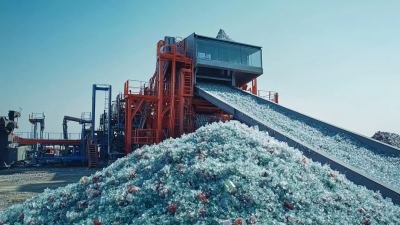
Setting up a Glass Recycling Plantis pretty crucial if we want to tackle the increasing environmental issues caused by Glass Waste. I came across a report from theEnvironmental Protection Agency that says around 11.5 million tons of glass get tossed out in the U.S. every year, but only about 30% of that actually gets recycled. Crazy, right? It really highlights how much we need better, more efficient recycling solutions that can handle these materials in a sustainable way.
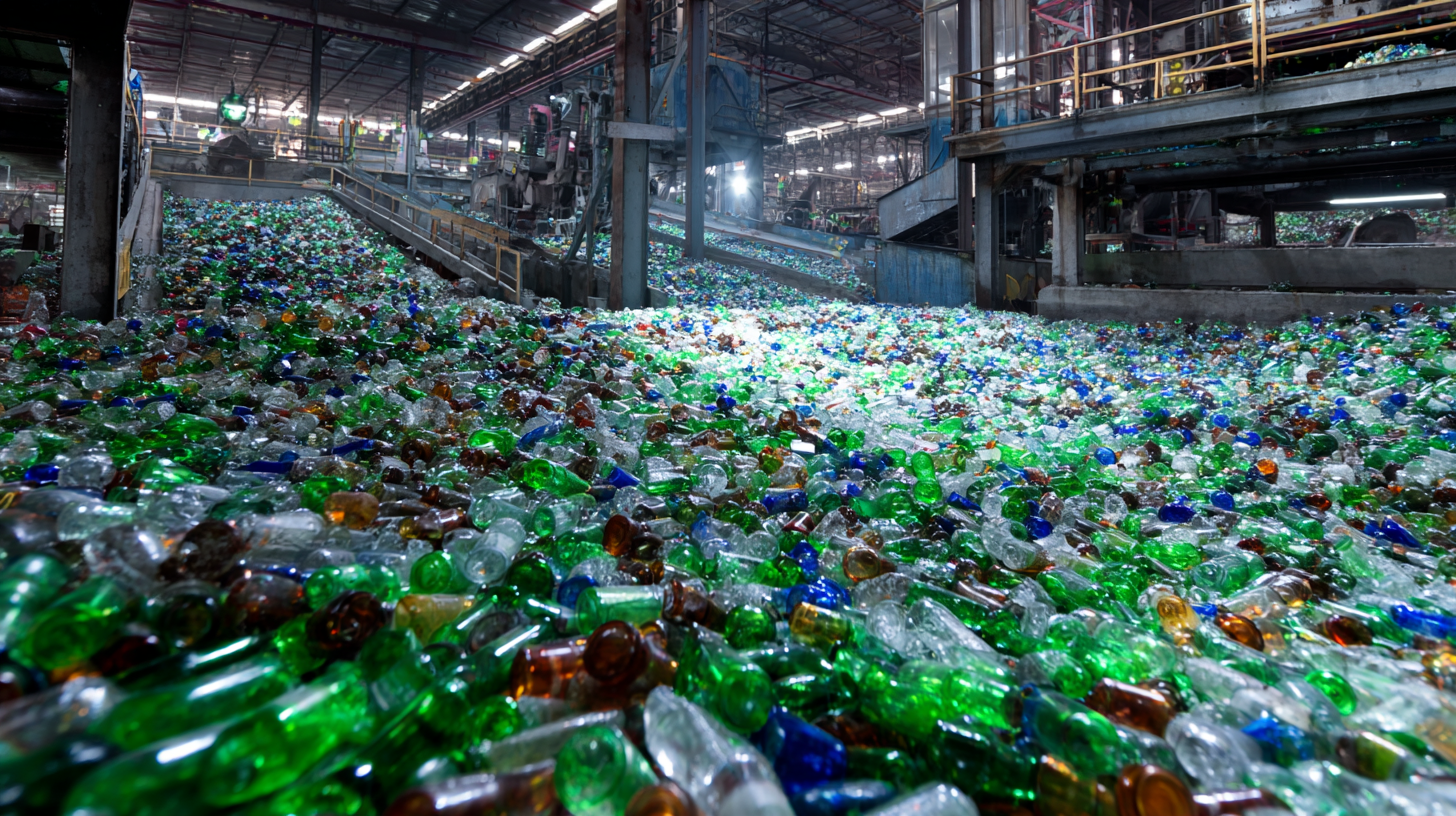
You know, Henan Shanshui Heavy Industry in China has been leading the charge since 2013, creating eco-friendly machines and tech for recycling. They've mainly been working on equipment for dealing with waste Solar Panels and lithium batteries, but now, they’re branching out into developingGlass Recycling Plants too. It’s such a smart move, not just because it encourages recycling but also because it helps cut down the carbon footprint tied to glass manufacturing. Ultimately, it’s all about striving for a more sustainable future, piece by piece.
Understanding Glass Recycling: The Importance of Sustainable Practices in Manufacturing
You know, glass recycling is actually a pretty big deal when it comes to making manufacturing more sustainable. It’s not just about saving raw materials—though that’s definitely important—but also about cutting down energy use significantly. The folks over at the Glass Packaging Institute point out that recycling glass can cut energy consumption by up to 30% compared to making new glass from scratch. That really shows how key it is to have a solid, efficient glass recycling system in place, because the environmental perks are pretty huge.
Setting up a glass recycling plant isn’t just a matter of tossing some equipment together. It involves a bunch of steps—like picking the right location, getting the latest technology, and making sure everything lines up with environmental laws. Companies like Henan Shanshui Heavy Industry are super important here, especially since they focus on developing eco-friendly machinery. Having specialized equipment for processing recycled glass is a must—it makes sure that the final product isn’t just recycled, but also meets industry standards and helps promote sustainable practices. Plus, data shows that a good recycling setup doesn’t just cut down on landfill waste; it can also create jobs and give a nice boost to local economies. So, honestly, it’s a win-win situation for communities and manufacturers alike.
What is the Process of Establishing a Glass Recycling Plant
| Stage | Description | Duration | Cost Estimate (USD) |
| Feasibility Study | Evaluate market demand, regulation, and initial costs. | 1-3 months | 10,000 - 30,000 |
| Site Selection | Identify and secure a location suitable for operations. | 2-6 months | 20,000 - 50,000 |
| Design & Planning | Create facility layout and operational plans. | 3-6 months | 50,000 - 100,000 |
| Permitting | Obtain necessary environmental and operational permits. | 6-12 months | 5,000 - 15,000 |
| Construction | Build and equip the recycling facility. | 12-24 months | 500,000 - 2,000,000 |
| Operational Testing | Test facility operations to ensure efficiency and safety. | 1-3 months | 20,000 - 50,000 |
| Launch | Start operations and begin processing glass for recycling. | Ongoing | Varies based on output |
Key Steps in Planning a Glass Recycling Plant: From Feasibility Studies to Site Selection
Setting up a glass recycling plant isn't just about building something; it's about making sure everything lines up—feasibly and efficiently. So, the first thing you’d want to do is dive into a thorough feasibility study. Basically, you’re checking if there’s enough demand for recycled glass out there. Did you know that, according to the Glass Recycling Coalition, over 80% of glass bottles and jars can actually be recycled? Yet, in the U.S., only around 31% of those get recycled. That's a pretty big gap, and honestly, it’s a huge opportunity for growth. It kind of encourages investors and stakeholders to really consider jumping into this eco-friendly venture.
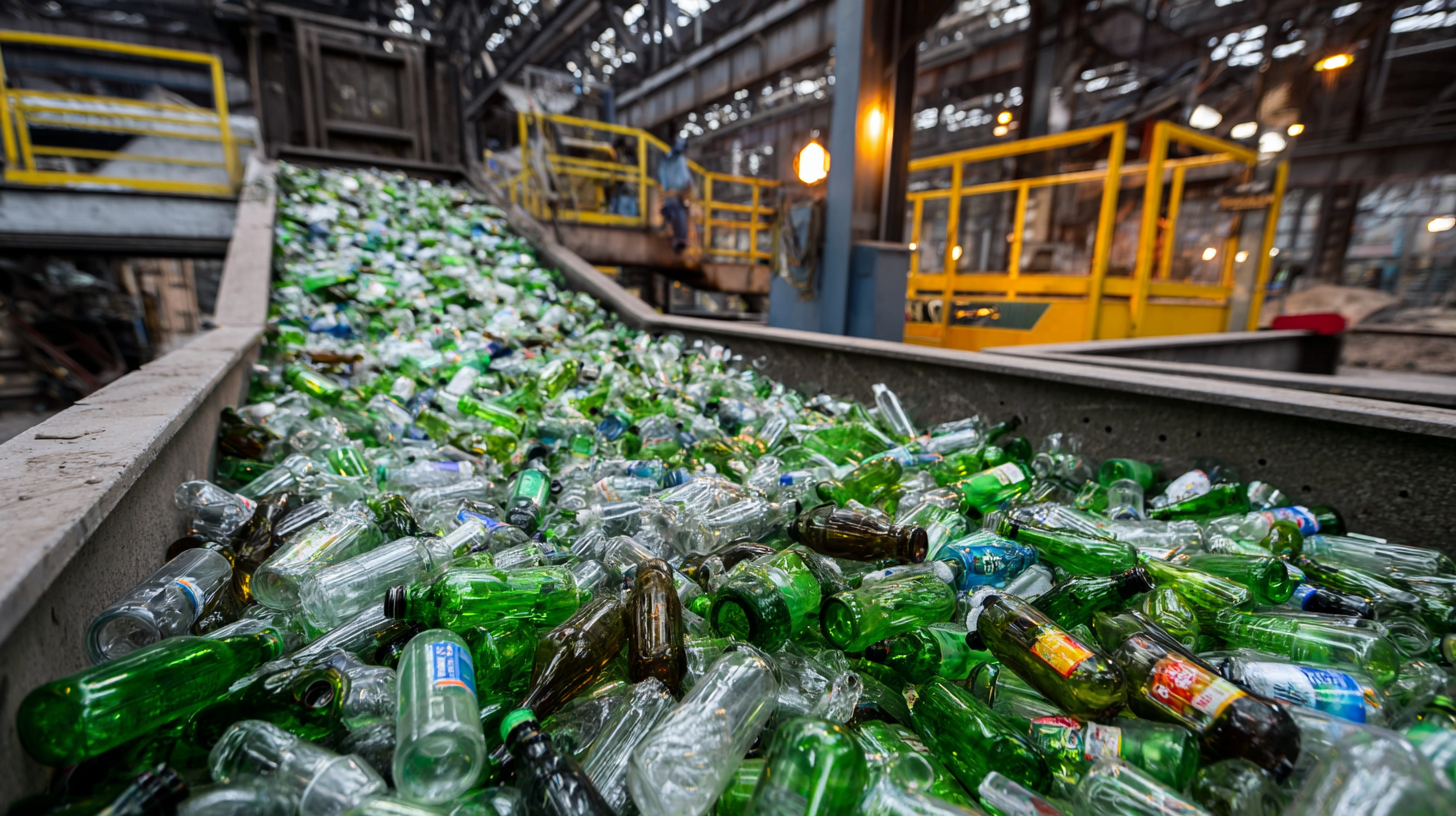
Once you’ve done your homework, the next step is picking the right spot to set up shop. Location really matters. You want to be close to where the glass waste is coming from, and it’s also about transportation links and what the local rules are. A report from the National Recycling Coalition even points out that choosing the right location can cut transportation costs by as much as 30%. Companies like Henan Shanshui Heavy Industry Technology are pushing the envelope with innovative recycling tech that makes managing recycled materials easier. All of this means that starting a glass recycling plant isn’t just a good idea—it can actually be financially smart too. Focus on finding the perfect spot and leveraging the best technology, and you’re well on your way to creating a successful, environmentally-friendly operation that could really make a difference.
Essential Equipment and Technology: Innovative Solutions for Efficient Glass Processing
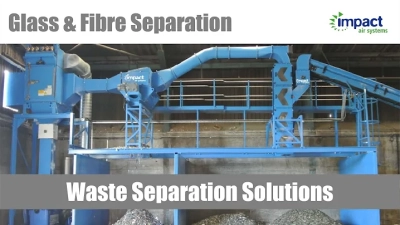
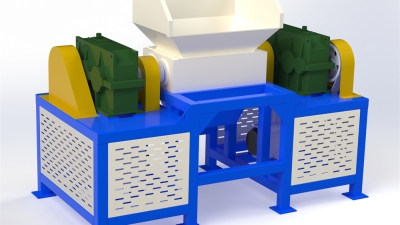
Setting up a glass recycling plant isn’t just about throwing some machines together. You really have to choose the right equipment and stay a step ahead with some clever tech to keep things running smoothly. One of the first and most important pieces is the glass breaker—this little machine crushes the glass waste into smaller, more manageable bits. That initial crush is super important because it makes sorting and cleaning way easier down the line. Then, there are these fancy sorting systems that use optical sensors and blasts of air to pick out contaminants and different kinds of glass. It’s like having a super-smart eyeball that helps make sure the recycled glass is up to snuff for industry standards.
Of course, you can’t forget about the melting furnace. Modern ones are pretty amazing—they’re designed to use less energy but still pump out a ton of processed glass. If you’re feeling eco-friendly, adding renewable energy sources or capturing waste heat can seriously boost efficiency. Plus, automating the controls and monitoring the whole process doesn’t just make everything run smoother—it cuts down on mistakes and boosts productivity overall. When all these cool solutions come together, they lay the groundwork for a solid glass recycling operation. Not only does this help the environment, but it also meets the increasing demand for recycled materials. It’s all about working smarter, not harder—and doing our part for the planet too.
Regulatory Requirements for Glass Recycling Plants: Navigating Environmental Compliance and Permits
Starting up a glass recycling plant isn’t just about setting up equipment — it’s about wading through a maze of rules and regs to keep everything environmentally legit. The EPA, for example, says that recycling glass can divert up to 80% of waste from landfills. Sounds pretty good, right? But to actually do this, you’ve gotta get a bunch of permits — and those aren’t just slapdash approvals. They need to align with local, state, and federal rules, which can include things like air quality permits, waste handling permits, and water discharge permits. Each of these comes with its own set of guidelines — whether it’s emissions standards or how you manage waste. It’s quite the puzzle.
And let’s not forget about the Resource Conservation and Recovery Act (RCRA). This basically governs how you handle hazardous waste — which can sometimes include contaminated glass. To keep everything above board and avoid environmental hiccups, most companies also look into Best Management Practices (BMPs) advised by the Institute of Scrap Recycling Industries (ISRI). They’ve found that following BMPs can actually make operations smoother and cut down on unnecessary regulatory headaches. So, getting a good grip on these rules isn’t just good for the planet — it’s pretty much essential for keeping the business running financially healthy too.
Economic Impact of Glass Recycling: Job Creation and Revenue Generation in the Circular Economy
You really can’t overlook how much of an impact glass recycling has on the economy, especially when you think about the whole circular economy thing. Setting up a glass recycling plant isn’t just good for the environment—it can also create a ton of jobs in different sectors. We're talking about everything from plant workers and logistics guys to quality inspectors. And these jobs often need some skills, which means there’s a real opportunity to boost workforce training and development. As more positions open up, local communities start to see some real economic benefits—more money in folks’ pockets and an overall boost to community well-being.

But it’s not just about jobs. These recycling plants can also bring in some decent revenue. By turning recycled glass into market-ready materials, they help cut down the costs of buying raw materials. That’s a win for manufacturers because it lowers their production costs and makes them more sustainable—plus, it appeals to consumers who care about being eco-friendly. All this activity helps build an ecosystem that encourages innovation, smarter resource use, and just more sustainable ways of doing business. And as demand for recycled glass picks up, there's definitely room for more investments and growth in this green sector—it's a cycle that keeps on giving.
Measuring Success: Key Performance Indicators (KPIs) for Glass Recycling Operations and Sustainability
Setting up a glass recycling plant isn’t just about the operations—tracking your progress through Key Performance Indicators (KPIs) really makes a difference. These metrics give you a good idea of how things are going, like how much glass you’re collecting, processing, and how clean and pure the recycled glass ends up. Keeping an eye on these numbers helps managers spot where things could be better, find ways to streamline the process, and get the most out of the whole operation. In simple terms, it’s about making the recycling effort more effective and successful.
But it’s not just about the numbers—sustainability KPIs are just as important. Things like energy use, carbon emissions, and water consumption during the process are key indicators. They allow companies to see how eco-friendly they’re being and to come up with strategies to cut waste and make better use of resources. Regularly checking these sustainability metrics keeps everyone honest and nimble, plus it’s a great way to show stakeholders and the community that the plant is serious about its environmental impact. It really drives home the idea that recycling isn’t just good for the planet—it’s good for business too.
When operational goals and environmental responsibility go hand in hand, glass recycling plants can thrive both economically and ecologically.
Efficient Solar Panel Recycling: The Role of Shredder Machines in Sustainable Waste Management
In the quest for sustainable waste management, the efficient recycling of solar panels plays a pivotal role, particularly through the use of advanced shredder machines. These specialized devices are designed to process waste solar panels with unparalleled efficiency. Featuring a robust structural design, they incorporate high-strength shredding chambers equipped with sharply durable knives crafted from special alloy materials. This unique composition allows the knives to endure high-intensity tearing and cutting forces, ensuring that even the toughest components of solar panels—such as glass, silicon wafers, and aluminum frames—can be effectively shredded.
The power system of solar panel shredders is another key aspect that enhances their performance. With a powerful drive motor providing stable and sufficient energy, these machines can maintain consistent operation, rapidly breaking down entire solar panels into smaller, manageable pieces. This not only streamlines the recycling process but also maximizes material recovery, making it easier to repurpose valuable resources while minimizing environmental impact. As we continue to embrace renewable energy, implementing efficient recycling solutions like solar panel shredders will be crucial in fostering a sustainable future.
FAQS
: The first step is conducting a comprehensive feasibility study to assess the market demand for recycled glass.
More than 80% of glass containers can be recycled, but only about 31% are currently recycled in the U.S.
Site selection is crucial because factors like proximity to waste glass sources, transportation infrastructure, and local regulations impact the plant's operational efficiency.
Optimizing the location can reduce transportation costs by up to 30%, as noted by a report from the National Recycling Coalition.
KPIs provide insight into the efficiency of the recycling process, including the volume of glass collected and processed, helping managers identify areas for improvement.
Sustainability-focused KPIs should include metrics such as energy consumption, carbon emissions, and water usage during the recycling process.
Continuous monitoring fosters accountability, helps improve operations, and communicates the plant's sustainability efforts to stakeholders and the community.
By aligning operational goals with environmental sustainability, glass recycling plants can maximize output and reduce their environmental footprint.
Innovative recycling technologies facilitate the management of recycled materials and enhance the feasibility and economic viability of establishing glass recycling plants.
The ultimate goal is to streamline operations and maximize output, contributing to a more successful recycling initiative and promoting a circular economy.
Conclusion
Setting up a glass recycling plant might seem like a big deal, but honestly, it's a really important step toward more sustainable manufacturing. Once you get what glass recycling’s all about, it’s easier for businesses to play their part in protecting the environment—and they can also benefit from the circular economy. The process involves a few key things: doing thorough feasibility studies, picking the right location, and making sure everything lines up with the rules and regulations. Plus, bringing in some cool, innovative equipment and technology is pretty much essential if you want to process glass efficiently and effectively.
On top of that, having a well-planned recycling plant doesn’t just help the planet—it can seriously boost the local economy too. It creates jobs and brings in revenue, which is a win-win all around. To really keep everything on track, companies often set up key performance indicators (KPIs) to measure how well they’re doing—whether it's operational efficiency or sustainability goals. Companies like Henan Shanshui Heavy Industry Technology Co., Ltd., which are dedicated to making eco-friendly machinery, are really leading the charge in pushing forward these glass recycling efforts for a greener, cleaner future.