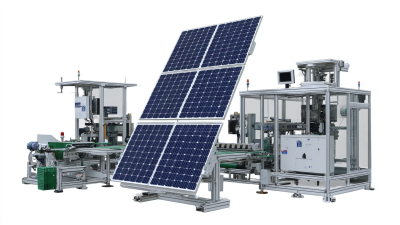
As we gear up for a greener, more sustainable future, it’s pretty clear that practices like recycling and resource conservation are more important than ever. One area that’s really been making waves lately is Solar Panel Metal Recovery. It’s a smart move—not just for tackling the environmental mess that old solar panels can create, but also for saving those precious metals like silver, copper, and aluminum. By reusing these materials instead of just tossing panels out, companies are not only promoting recycling but also helping build a circular economy within renewable energy. Pretty cool, right?
Looking ahead to 2025, we’re going to see solar technology becoming even more widespread worldwide. But with that explosive growth comes a lot of waste—something we’ve gotta handle carefully because, if ignored, it could really mess up our ecosystem. Luckily, companies like RecycleSolar And SolarCycle are taking action with smart metal recovery strategies. They turn what would be trash into treasure, making sure metals get reclaimed instead of ending up in landfills. Plus, this approach means less need to mine new metals, which helps cut down on the carbon emissions tied to mining and processing.
The perks of solar panel metal recovery go way beyond just protecting the environment. It’s good for the economy, opens up new job opportunities, and pushes forward innovations in tech. If we really want to move toward a sustainable future, embracing these practices is key. Learning about their benefits is a step in the right direction—because at the end of the day, making smart choices today helps our planet and society tomorrow.

Benefits of Solar Panel Metal Recovery for Environmental Sustainability
The transition to renewable energy sources is crucial for achieving environmental sustainability, and solar panel metal recovery plays a significant role in this process. According to a report by the International Renewable Energy Agency (IRENA), about 78 million metric tons of solar panel materials could be disposed of by 2050, emphasizing the urgent need for recovery and recycling initiatives. By extracting valuable metals such as aluminum, silicon, and silver from decommissioned solar panels, we can not only reduce waste but also minimize the need for new raw materials, which often involve environmentally damaging mining processes.
Recycling solar panel metals also contributes to lowering greenhouse gas emissions. The life cycle analysis conducted by the National Renewable Energy Laboratory (NREL) indicates that recycling reduces the carbon footprint associated with metal extraction and processing by up to 90%. This reduction aligns with global efforts to mitigate climate change impacts while enhancing the circular economy. As the solar industry continues to expand, establishing effective recovery systems can significantly enhance sustainability, ensuring that solar energy remains a cornerstone of clean energy future.
Top 10 Benefits of Solar Panel Metal Recovery
Economic Advantages of Recycling Metals from Solar Panels
Recycling metals from solar panels presents several economic advantages that contribute to a sustainable future. As the demand for renewable energy sources increases, the need for effective disposal and recycling methods for solar panels becomes increasingly crucial. By recovering valuable metals such as silver, aluminum, and copper, the recycling process not only reduces waste but also provides a steady supply of materials that can be reused in new solar technologies and other industries. This circular economy approach not only lowers material costs but also mitigates the environmental impact associated with mining for new metals.
Furthermore, investing in solar panel metal recovery can stimulate job creation and economic growth. As more recycling facilities are established following the rise in solar panel installations, employment opportunities in the green economy will expand. This sector not only offers jobs in recycling processes but also in transportation, logistics, and research for developing better recycling techniques. Additionally, by decreasing the dependency on imported metals, countries can enhance their energy independence and economic resilience, making solar panel metal recovery a smart investment for a sustainable and economically viable future.
Innovations in Solar Panel Metal Recovery Technologies
Emerging innovations in solar panel metal recovery technologies are playing a crucial role in promoting sustainability and the circular economy. Recent developments in membrane separation processes (MSPs) have revolutionized the recovery of valuable metals such as indium from e-waste and industrial waste. These hydrometallurgical methods not only enhance recovery efficiency but also minimize environmental impacts, aligning well with global sustainability goals.
Furthermore, collaborations between companies are paving the way for advanced recycling methods. In India, new partnerships are set to implement cutting-edge technologies that promise 98% recovery rates with zero waste, exemplifying the commitment to reducing the ecological footprint of solar energy systems.
Alongside this, innovations in electrochemical technologies are transforming silver extraction processes from retired solar panels, thus creating additional value in the recycling chain. These advancements highlight the significant strides being made towards harnessing resources from solar panels, ultimately contributing to a more sustainable and responsible future in energy production.
Impact on Renewable Energy Sector and Resource Conservation
The renewable energy sector is rapidly evolving, and solar panel metal recovery plays a crucial role in enhancing sustainability. By efficiently reclaiming metals like silicon, silver, and aluminum from decommissioned solar panels, we not only reduce waste but also alleviate the pressure on natural resources. As solar energy adoption grows, the need to address the lifecycle of solar equipment becomes ever more pressing. Recycling these valuable materials ensures that the renewable energy industry maximizes resource utilization while minimizing environmental impact.
Moreover, metal recovery initiatives contribute significantly to resource conservation. By reintroducing reclaimed metals into the production cycle, manufacturers can decrease their reliance on mining and refining processes, which are often energy-intensive and environmentally damaging. This transition not only reduces carbon emissions associated with traditional material sourcing but also fosters a circular economy within the renewable energy sector. As a result, implementing effective metal recovery systems can lead to a more resilient and sustainable future for both the solar industry and the planet.
Top 10 Benefits of Solar Panel Metal Recovery for a Sustainable Future
| Benefit | Description | Impact on Renewable Energy | Resource Conservation |
| Reduces Waste | Recycling metals from solar panels minimizes landfill waste. | Enhances the overall efficiency of renewable energy solutions. | Promotes circular economy and eco-friendly practices. |
| Resource Recovery | Extracting valuable metals like silver, copper, and aluminum. | Secures essential materials for future renewable energy technologies. | Reduces the need for new raw material extraction. |
| Economic Benefits | Creates jobs in the recycling and recovery sector. | Stimulates growth in the renewable energy market. | Promotes sustainable local economies. |
| Environmental Protection | Minimizes environmental impact by reducing mining activities. | Enhances the sustainability profile of solar technologies. | Fosters ecological balance and conservation efforts. |
| Innovation in Recycling Technologies | Encourages the development of new and advanced recycling methods. | Enhances the efficiency of renewable energy production. | Opens new avenues for resource management. |
| Lowering Energy Costs | Reclaimed metals can reduce manufacturing costs for new panels. | Makes solar energy more accessible and affordable. | Encourages more consumers to adopt renewable technologies. |
| Improved Recycling Rates | Promotes better recycling practices among manufacturers. | Increases the sustainability of energy sources. | Encourages public participation in recycling efforts. |
| Governmental Support | Incentives for recycling initiatives drive the sector forward. | Supports renewable energy policies and programs. | Enhances public trust in sustainable practices. |
| Community Engagement | Raises awareness about recycling and sustainability. | Promotes public support for renewable energy initiatives. | Fosters a sense of responsibility towards the planet. |
The Role of Policy and Regulation in Promoting Metal Recovery
The implementation of effective policy and regulation is crucial in promoting metal recovery from solar panels, significantly contributing to sustainability goals. Governments can establish frameworks that not only incentivize metal recovery but also impose regulations that require manufacturers and consumers to recycle end-of-life solar panels. This regulatory landscape can ensure that valuable metals like silver, aluminum, and copper are systematically reclaimed, reducing the demand for virgin materials and minimizing environmental impact.
Moreover, policymakers can facilitate partnerships between industry stakeholders, recyclers, and research institutions to advance technologies for efficient metal recovery. By providing grants and tax incentives for innovative recycling technologies, governments can stimulate investment and innovation in the sector. Additionally, creating awareness through public campaigns about the importance of recycling solar panels enhances community engagement, encouraging individuals and businesses to participate actively in the recovery process. Such a comprehensive approach not only promotes sustainability but also creates a circular economy that benefits all stakeholders involved.
Case Studies: Successful Implementations of Metal Recovery Programs
In recent years, numerous companies have embarked on solar panel metal recovery initiatives, yielding impressive results that underscore the sustainability of these programs. For instance, a notable case study involved a solar farm in California that incorporated metal recovery processes to recycle valuable materials like aluminum and copper from decommissioned panels. This not only reduced waste but also provided a secondary revenue stream for the business. Another successful implementation was observed in Europe, where a solar manufacturer partnered with local recycling firms to establish a closed-loop system, ensuring that materials from old panels were reintroduced into the production line.
Tips for Implementing Metal Recovery Programs: Start by collaborating with experts in the recycling industry to create efficient processes. It's crucial to assess the materials in your solar panels and determine the most valuable metals for recovery. Additionally, consider investing in technology that facilitates the safe extraction of these metals, as this can enhance both efficiency and profitability in the long term. Engaging local communities in awareness campaigns can also foster a culture of recycling and sustainability.
By learning from these successful case studies, companies can not only contribute to a greener planet but also optimize their resource management. The journey towards sustainable solar energy transitions is undoubtedly enriched by such innovative practices.
Innovative Solutions for Sustainable Energy: The Waste Solar Panel Aluminum Frame Impurity Removal Machine
The advent of renewable energy technologies has brought about significant advancements in sustainable practices, particularly in the solar energy sector. One noteworthy innovation is the waste solar panel aluminum frame impurity removal machine. This specialized mechanical device is designed to address a critical challenge faced during the recycling of solar panels: the effective removal of residue from the aluminum frame slots. By employing precision engineering, this machine ensures that all types of contaminants are eradicated, thereby enhancing the cleanliness and overall processing quality of the aluminum frame.
Equipped with a robust and durable structural design, the impurity removal machine boasts internal components of the highest caliber, ensuring long-lasting performance and reliability. The device leverages specific mechanical movements to target and eliminate residues that may compromise the integrity of the aluminum frames. By streamlining this aspect of the recycling process, the machine not only contributes to more efficient resource recovery but also supports sustainable energy initiatives aimed at reducing waste in solar panel production. This innovative solution exemplifies how technology can play a pivotal role in promoting sustainability in the energy sector.
FAQS
: Solar panel metal recovery is crucial for reducing waste from decommissioned panels and minimizing the need for new raw materials, which often involve environmentally harmful mining processes.
According to IRENA, about 78 million metric tons of solar panel materials could be disposed of by 2050, highlighting the urgent need for recovery initiatives.
Recycling can reduce the carbon footprint associated with metal extraction and processing by up to 90%, which contributes to climate change mitigation efforts.
Recycling provides a steady supply of valuable metals for reuse, lowers material costs, stimulates job creation, and enhances energy independence by decreasing dependency on imported metals.
It enhances sustainability by reducing waste and alleviating pressure on natural resources, ensuring that the renewable energy industry maximizes resource utilization.
The establishment of more recycling facilities due to increased solar panel installations creates employment opportunities in recycling, transportation, logistics, and research related to improved recycling techniques.
By reintroducing reclaimed metals into the production cycle, it reduces reliance on energy-intensive and environmentally damaging mining and refining processes.
Metal recovery fosters a circular economy by allowing the reuse of materials, which minimizes waste and reduces the environmental impact associated with traditional material sourcing.
As solar energy adoption grows, addressing the lifecycle ensures that valuable materials are managed responsibly, optimizing resource utilization and minimizing environmental impacts.
Conclusion
The recovery of metals from solar panels plays a crucial role in promoting environmental sustainability and resource conservation. With the increasing demand for renewable energy sources, Solar Panel Metal Recovery not only helps mitigate the environmental impact of discarded panels but also offers significant economic advantages through the recycling of valuable metals. Innovations in recovery technologies are enhancing the efficiency and effectiveness of these processes, thereby supporting the growth of the renewable energy sector.
Moreover, appropriate policy and regulation are essential to incentivize and facilitate metal recovery efforts. Case studies of successful implementations demonstrate the potential of these programs in various regions, underscoring the importance of collaboration between industry players. Companies like Henan Shanshui Heavy Industry Technology Co., Ltd., which specialize in creating environmentally friendly machinery for solar panel recycling, are pivotal in establishing sustainable practices within the industry and advancing the transition to a greener future.