- shanshui@shanshuizg.com
- We Will Respond to Your Inquiry Within 24 Hours of Receipt!
Leave Your Message
- Phone
- E-mail
- Whatsapp
- Wechat

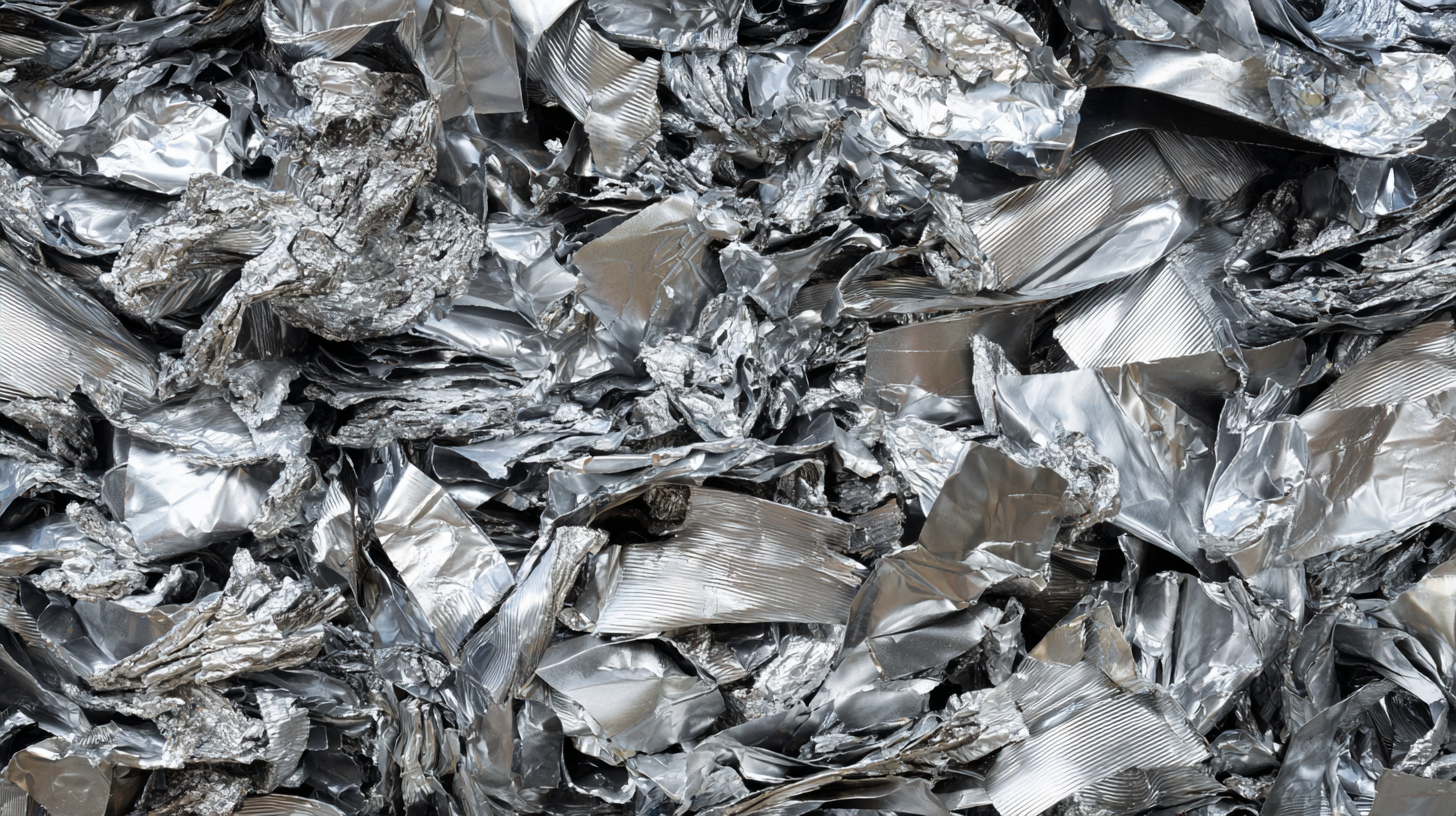
Recycling clean Aluminum Scrap is such awin-win situation – it’s good for the economy and the environment at the same time. Did you know that, according to the Aluminum Association, recycling aluminum can save up to 95% of the energy you'd need to make new aluminum from scratch? That’s pretty huge and really highlights how important recycling is in keeping our circular economy going. As the demand for aluminum keeps climbing around the world—especially with industries like cars and airplanes taking more and more—getting the recycling process right is more important than ever.
Oh, and by the way, Henan Shanshui Heavy Industry has been leading the way with eco-friendly machinery since 2013. They really focus on cutting-edge techfor recycling, including waste Solar Panels and lithium batteries. If businesses use these advanced recycling methods for clean aluminum scrap, they’re not only cutting down on waste but also making some profit from the recovered materials. It’s a smart move for agreener, more sustainable future—and it can even boost how efficiently companies operate. Pretty cool, right?
Clean aluminum scrap is actually a pretty valuable resource, coming from all sorts of places like factories and even everyday consumer products. If you’re into recycling or just trying to turn a profit, it helps to understand the different types and what makes each one unique. The main kinds you’ll see are extrusion scrap, sheet scrap, and machining scrap. Each has its own specs and uses, so for recycling plants, sorting them properly is kind of a big deal.
The characteristics of this scrap really matter when it comes to its value. Ideally, it should be as clean as possible—free from plastics, coatings, or other metals—since impurities can lower its worth and limit what it can be used for. The purer the aluminum, the better the price you can get. For example, scrap from used beverage cans or aluminum trims usually fetch a nicer price on the market. Knowing all this stuff helps recyclers make more money and do their part for the environment at the same time.
| Type of Clean Aluminum Scrap | Characteristics | Current Market Price (per pound) | Potential Recycling Profit (per ton) |
|---|---|---|---|
| Aluminum Cans | Clean, uncoated, and free from contamination. | $0.90 | $1,800 |
| Aluminum Foil | Clean, with no food residue. | $1.10 | $2,200 |
| Aluminum Wheels | Clean and free of tires or rubber. | $1.50 | $3,000 |
| Aluminum Extrusions | Clean and free from coatings or paint. | $1.20 | $2,400 |
| Aluminum Scrap Shavings | Clean and recyclable without impurities. | $0.70 | $1,400 |
The emergence of waste solar panel aluminum frame removal machines signifies a pivotal advancement in enhancing recycling efficiency within the circular economy. These specialized devices are designed to swiftly dismantle the aluminum alloy frames of photovoltaic panels, completing the process in as little as 15 seconds. Such rapid disassembly not only minimizes labor costs but also significantly contributes to the efficient recovery of valuable materials, aligning perfectly with the goals of resource optimization and sustainability.
By integrating high automation into the disassembly process, these machines ensure that the dismantling of solar panels is not just quick but also precise, reducing waste and maximizing the recovery of aluminum. This efficiency allows for a lower initial investment while yielding substantial financial returns over time. As the market for renewable energy continues to grow, the ability to effectively recycle components of solar panels becomes increasingly crucial, showcasing how technology can drive positive environmental impact and support the overall trend towards a more sustainable economy.
: Essential tools for aluminum recycling at home include a reliable set of metal snips or a shear for clean cuts, a sturdy workbench with a magnetic strip for sorting, and proper storage containers for organizing different grades of aluminum.
To maximize profit, clean the aluminum to remove contaminants, sort it by type, and stay informed about market trends. Using reliable recycling machinery can also streamline the process and improve results.
Recycling aluminum saves 95% of the energy required to produce new aluminum, contributing to both economic efficiency and environmental conservation.
Sorting aluminum by type enhances profit margins, as certain grades of aluminum have higher market values. This allows recyclers to sell their materials at better prices.
A digital scale assists in accurately weighing scrapped aluminum before selling, which ensures that you maximize profits from your recycled materials.
Utilizing clear, labeled bins for different grades of aluminum helps maintain organization and establishes clear boundaries between materials, facilitating a more efficient recycling process.
Market trends can cause fluctuations in aluminum prices based on demand, so staying informed and building relationships with buyers can help you develop better sales strategies.
Best practices for cleaning aluminum scrap include removing any contaminants, which can diminish value, and ensuring that the aluminum is ready for sorting and sale.
Adopting environmentally friendly recycling practices attracts conscious consumers and aligns with the growing market emphasis on sustainable products, potentially enhancing sales and profitability.
Companies like Henan Shanshui Heavy Industry Technology Co., Ltd. are leading the way in developing innovative recycling technology that improves efficiency and quality in aluminum recycling.
Hey there! So, I came across this really handy article called "How to Effectively Recycle and Profit from Clean Aluminum Scrap," and honestly, it’s quite a goldmine if you're interested in recycling aluminum. It walks you through everything you need to know—like what exactly clean aluminum scrap is, the different types out there, and why understanding these details is so important if you wanna do this right. The best part? It also shares some practical tips on what tools and equipment you might need if you're thinking about recycling at home. Plus, there's a pretty clear step-by-step guide on how to gather, sort, and prepare your aluminum scrap properly. Oh, and if you're wondering where to sell your recycled aluminum, the article has some good advice on finding the right market and how to maximize your profit. It even talks about eco-friendly companies, like Henan Shanshui Heavy Industry Technology, that promote these green practices. All in all, it’s not just about making some extra cash; it’s also about doing your bit for the environment while earning a bit on the side. Pretty cool, right?