You know, in the constantly changing world of recycling, Scrap metal shredders really play a huge role. They’re essential for breaking down all kinds of metal waste pretty efficiently, and that’s a big deal when it comes to conserving resources. I came across a recent report from the Institute of Scrap Recycling Industries (ISRI), and it mentioned that back in 2020, the U.S. recycled over 67 million tons of both ferrous and non-ferrous metals. Pretty impressive, right? It just points to how much more important good, efficient metal recycling methods are becoming.
Plus, thesE Shredders aren’t just about speeding up the process—they also help lessen the environmental damage. Since metal production usually kicks out a lot of greenhouse gases, shredding can help cut down on those emissions. But here’s the catch—it’s super important to make sure the shredded metal is of good quality. If not managed correctly, the final product can get contaminated, which is a no-go. So, sticking to the best practices when it comes to operating and maintaining these machines is really key.
That being said, no system’s perfect—there are some hurdles. Over time, the machines tend to wear out, which can slow things down. And if you’re using outdated tech, processing gets way less efficient. The industry really needs to keep pushing forward, constantly upgrading and innovating. Regular check-ups and updates are a must to keep these shredders running smoothly and up to modern standards. Truly, staying on top of things like this is what’s going to make sure we keep improving at recycling metals sustainably and effectively.

What is Scrap Metal and Why is it Valuable?
Scrap metal consists of discarded materials, primarily metals, that can be recycled. It includes items like old vehicles, machinery, and electrical appliances. The economic value of scrap metal lies in its reusability. Businesses and manufacturers can melt it down and create new products. This process reduces waste and conserves natural resources.
Recycling scrap metal also has environmental benefits. It cuts down on mining and extraction processes, which are energy-intensive. Scrap metal recycling contributes to a circular economy, where materials are reused rather than disposed of. However, not all scrap metal is treated equally. Some metals, like copper and aluminum, fetch higher prices due to their utility and demand.
Understanding the value of scrap metal starts with recognizing its types. Ferrous metals contain iron and are magnetic. Non-ferrous metals, such as copper and lead, are not magnetic and have more commercial worth. The operation of scrap metal shredders plays a crucial part in processing these materials. Different Types Of Industrial Shredders are designed to handle various metal kinds effectively. Recognizing their differences helps businesses optimize material recovery. A well-planned approach can enhance the efficiency of recycling efforts, but not all companies do it right. Striving for improvement is essential.
Introduction to Scrap Metal Shredders
Scrap metal shredders play a crucial role in recycling processes. These machines break down large metal items into smaller, manageable pieces. Understanding how they function provides insight into their importance in reducing waste.
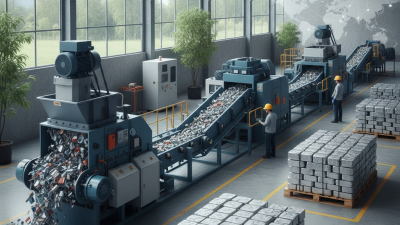
The shredder operates using heavy-duty blades that rotate at high speeds. When metal objects enter, the blades slice through them with tremendous force. This process creates small, uniform shreds, making it easier to transport and recycle the materials. These shreds are then sorted and processed for reuse.
However, not every shredder works the same. Different types are designed for various metal thicknesses and compositions. The choice of shredder can impact efficiency. Regular maintenance is essential to ensure optimal performance. Refining techniques in shredding can lead to better quality output. Each shredder's capability and design warrant careful consideration.
The Components of a Scrap Metal Shredder
A scrap metal shredder is an essential tool in the recycling industry. It breaks down large metal pieces into smaller fragments. This process begins with several key components working together.
The feed hopper is where bulk metals enter the shredder. It guides materials into the cutting chamber. The cutting chamber houses powerful blades, which spin at high speeds. These blades can handle various metals, from aluminum to steel. According to industry reports, approximately 74 million tons of scrap metal were recycled in the U.S. in 2020 alone. This indicates a thriving market and highlights the need for efficient shredding methods.
After the cutting process, a powerful magnet separates ferrous metals from non-ferrous materials. This is crucial for maximizing recovery rates. Shredders may also include screens to control the size of the shredded material, ensuring uniformity for downstream processing.
**Tip:** Regular maintenance of these components can significantly enhance shredding efficiency. Inspect blades frequently and replace them when worn.
Some shredders also feature advanced technologies, like automatic load sensing. This helps optimize performance but can create complexities. Understanding these features is important for operators.
**Tip:** Training staff on equipment operation can reduce errors and downtime. Always prioritize safety and proper handling.
What is a Scrap Metal Shredder and How Does It Work? - The Components of a Scrap Metal Shredder
| Component | Description | Function |
| Hopper | The entrance point where scrap metal is fed into the shredder. | Facilitates easy loading of materials for processing. |
| Shredding Chamber | The main area where the shredding action takes place. | Contains blades that cut, tear, and crush the metal into smaller pieces. |
| Blades | Heavy-duty metal blades responsible for shredding metal. | Create the forces needed to break down metal objects. |
| Drive System | Motor and gear assembly powering the shredder. | Supplies the necessary torque and speed for shredding. |
| Screen | Mesh or perforated surface that sizes the shredded material. | Ensures consistent output size by allowing smaller pieces to pass through. |
| Conveyor System | Belt system transporting materials in and out of the shredder. | Facilitates the automated flow of materials for efficiency. |
| Dust Collection System | Filters and collects dust and debris produced during shredding. | Maintains a clean working environment and reduces air pollution. |
How Does a Scrap Metal Shredder Operate?
A scrap metal shredder is a powerful machine that breaks down large pieces of scrap metal into smaller, manageable sizes. It operates using heavy blades that rotate at high speeds, effectively shredding metals like Aluminum Scrap Metal. The process begins when metal is fed into the machine, either manually or via a conveyor belt. Sensors often trigger the machine to start shredding, ensuring safety and efficiency.
During operation, the shredder's blades engage with the metal, fracturing it into tiny pieces. The size of these pieces depends on the shredder's settings and the type of metal. For Aluminum Scrap metal, the shredding process is relatively quick due to the metal's softer nature. However, it's crucial to maintain the shredder to avoid dull blades, which can lead to inefficient shredding.
The shredded metal is then separated based on size and type. Magnets may be used for removing ferrous metals. This stage can be tricky, as not all metals are easily distinguishable. Workers need to constantly monitor the process to ensure purity in the separated materials. While shredders are effective, they require regular maintenance to operate optimally. Neglecting maintenance can lead to unexpected breakdowns, which can be costly and time-consuming.
Safety Measures in Using Scrap Metal Shredders
Safety is paramount in operating scrap metal shredders. Workers are often exposed to heavy machinery and sharp metal fragments. The U.S. Bureau of Labor Statistics reported that nearly 2.8 million non-fatal workplace injuries occurred in recent years. Hence, implementing stringent safety measures is crucial.
Personal protective equipment (PPE) is essential. Hard hats, gloves, and steel-toed boots can minimize injuries. According to the National Safety Council, proper PPE can reduce workplace injuries by over
40%. Regular maintenance of equipment is also vital. Dull blades or faulty mechanisms can increase the risk of accidents. Operators must undergo thorough training to understand machinery and potential hazards.
Moreover, establishing safety protocols can significantly enhance workplace safety. Clear signage and audible alarms alert workers to possible risks. Emergency shut-off switches should be accessible at all times. A
2022 report highlighted that companies with effective safety programs saw injury rates drop by
25%. Prioritizing safety in industrial settings not only protects workers but also ensures operational efficiency.
Types of Scrap Metal Shredders: An Overview
Scrap metal shredders come in various types, each serving a unique purpose. Primary shredders are designed for initial size reduction. They shred large pieces of metal into smaller chunks. For example, they can process car bodies or heavy machinery. The output size typically ranges from 2-8 inches. This stage prepares materials for further processing.
Fine shredders follow, creating much smaller fragments. They can achieve down to 1 inch in size. They often use powerful rotary blades and require less energy than primary shredders. The efficiency of these machines is crucial for recycling facilities. In fact, reports indicate that fine shredders can increase the recovery rates for valuable metals by over 30%.
In the realm of Aluminium Metal Scrap, specialized shredders are essential. They help separate aluminum from contaminants. Effective separation increases the value of recycled materials. Nonetheless, not all shredders can handle mixed metal types efficiently. Facilities must consider their specific needs when selecting shredders. Understanding the efficiency and capacity of each type is vital for optimal performance.
Applications and Benefits of Scrap Metal Shredding
Scrap metal shredding plays a vital role in recycling. It transforms large metal items into smaller, manageable pieces. These machines can handle various metals, including aluminum. By breaking down waste into smaller bits, shredders facilitate transportation and processing. Efficient shredding promotes easier recycling, making it a crucial step in metal recovery.
The applications of scrap metal shredders are vast. Industries utilize these machines for recycling old vehicles, appliances, and construction debris. It helps reduce landfill waste significantly. When it comes to Aluminium Scrap Metal Recycling, shredders ensure that materials are properly processed for reuse. Shredded metals can be melted down and reused in new products. This not only conserves resources but also reduces environmental impact.
However, not all shredders are perfect. Some may not handle certain alloys effectively. It's essential to choose a shredder that suits specific needs. Regular maintenance is crucial for optimal performance. Users often overlook this aspect. As a result, inefficiencies can arise, impacting recycling efforts. Ensuring the right equipment and upkeep can lead to better outcomes in the scrap metal recycling process.
FAQS
: Scrap metal includes discarded materials, mainly metals, that can be recycled and reused.
Scrap metal is valuable because it can be melted down to create new products, reducing waste.
Scrap metal can be ferrous, which contains iron, or non-ferrous, like copper and aluminum.
A shredder breaks down large metals into smaller pieces using heavy rotating blades.
After shredding, metals are separated by size and type, often with the help of magnets.
Shredders require regular maintenance to avoid dull blades and unexpected breakdowns.
No, some metals like copper are more valuable due to their utility and demand.
Recycling reduces mining, conserves resources, and promotes a circular economy.
No, some metals can be tricky to separate, which requires constant monitoring during processing.
Not all companies optimize recycling. There’s always room for improvement and reflection in practices.
Conclusion
Scrap metal refers to discarded metals that can be recycled and repurposed, making it a valuable resource in various industries. Scrap metal shredders play a crucial role in the recycling process, as they efficiently break down large pieces of metal into smaller, manageable sizes. This not only facilitates easier transport and processing but also enhances the overall value of the recycled material.
A scrap metal shredder consists of several key components, including shredding blades and a motor system, which work together to pulverize metal waste. The operation of these machines involves feeding the scrap metal into the shredder, where it is subjected to intense mechanical pressure. Safety measures are essential when using scrap metal shredders to prevent accidents. Furthermore, different types of shredders are available for various applications, providing significant benefits such as improved recycling efficiency and reduced environmental impact. Overall, scrap metal shredders are vital for transforming waste into valuable resources in the recycling industry.