You know, with the electric vehicle market booming like crazy, it's no surprise that everyone’s talking about better recycling solutions. I recently came across a report from Industry Research that says the global lithium-ion battery recycling scene might hit a staggering $23.5 billion by 2027. Crazy, right? This rapid growth really comes down to everyone’s push for sustainability and ways to recover valuable resources. So, picking the right Lithium Ion Battery Recycling Machine isn’t just a choice—it's pretty much crucial if you want the process to be efficient.
But here’s where it gets a bit tricky. You’ve got to find a machine that hits both environmental and budget-friendly marks. A good machine can help you recover important materials like lithium, cobalt, and nickel, which is pretty awesome. The catch? Not all machines are created equal — some perform better, some are safer, and not all follow industry standards like those from the International Electrotechnical Commission (IEC). And honestly, that’s a concern because compliance matters.
When decision time comes, you’ve gotta think about a bunch of things—efficiency, costs, technology, you name it. And since the industry keeps evolving, keeping up with the latest advancements is super important. That way, your organization isn’t just playing catch-up with regulations but actually staying ahead of the game. The future of battery recycling is really going to depend on how wisely we pick and use these machines. It’s all about making smart choices now to set ourselves up for a sustainable future.
Understanding the Importance of Lithium Ion Battery Recycling Machines
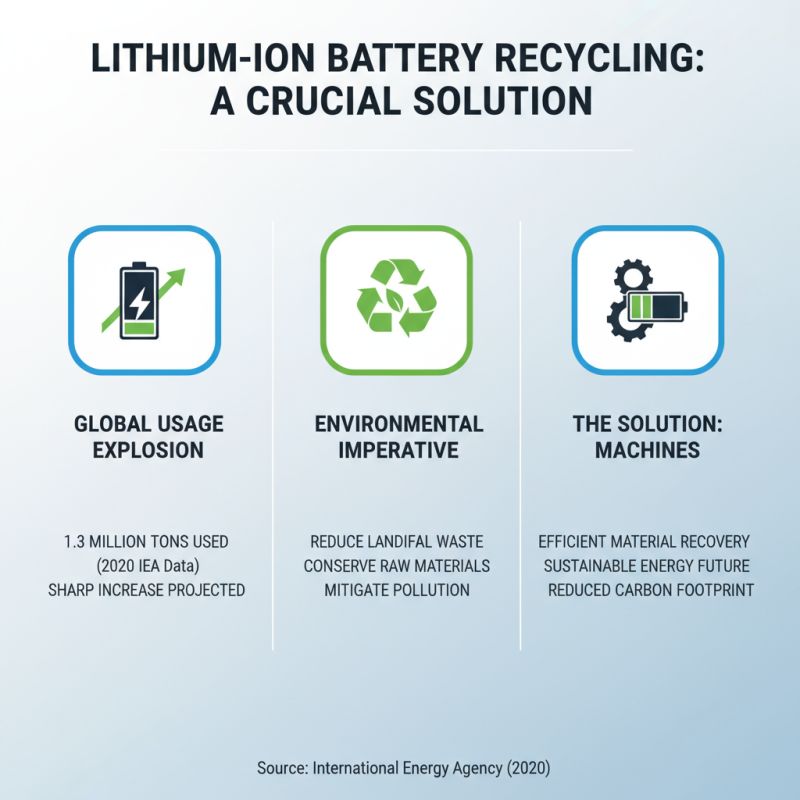
Lithium-ion batteries are crucial in today’s technology-driven world. They power smartphones, electric vehicles, and renewable energy systems. However, their increased usage leads to significant environmental concerns. According to data from the International Energy Agency, around 1.3 million tons of lithium-ion batteries were used globally in 2020. This figure is expected to rise sharply, highlighting the urgent need for effective recycling solutions.
Recycling lithium-ion batteries is essential for reducing waste and recovering valuable materials. The process can recover up to 95% of lithium, cobalt, and nickel. This not only minimizes the reliance on mining but also supports sustainable practices. Yet, the recycling infrastructure currently struggles to keep pace with battery production. A report by the Battery Collaborative indicates that only 5% of lithium-ion batteries reach recycling facilities today. Inefficient recycling can lead to hazardous waste, impacting ecosystems and human health.
Choosing the right recycling machine is critical. An optimal machine should effectively separate components and maximize recovery rates. Many facilities overlook the importance of efficiency and technology advancements. This raises questions about current practices. As the industry evolves, investing in state-of-the-art equipment becomes a necessity to mitigate environmental impacts. The recycling of lithium-ion batteries must not only be a reaction to regulations but a proactive effort by industries.
Key Factors Influencing Lithium Ion Battery Recycling Efficiency
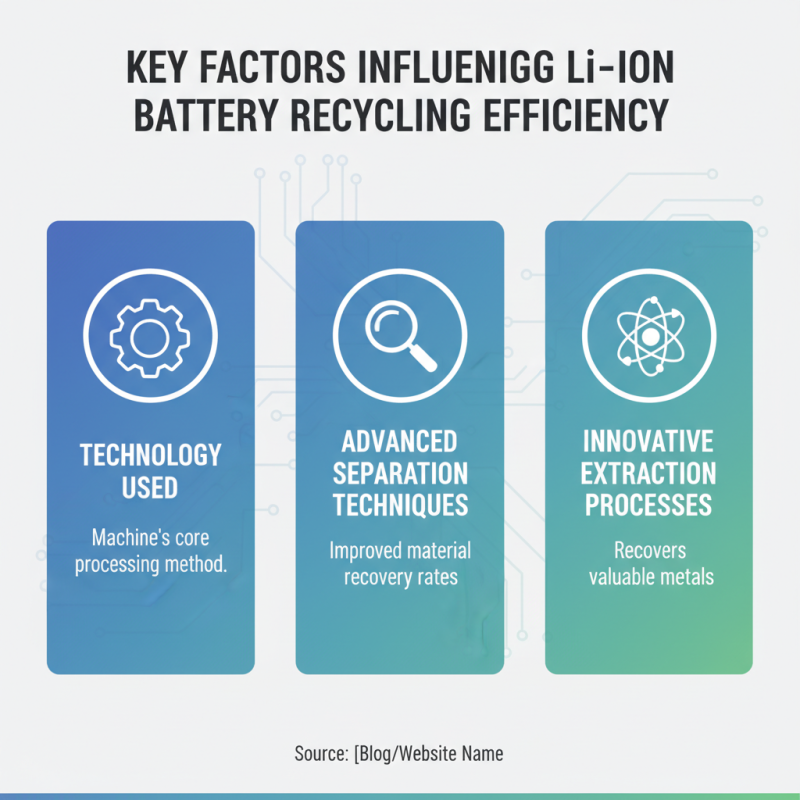
Choosing the right lithium-ion battery recycling machine involves understanding several key factors. Efficiency in recycling depends largely on the technology used in the machine. Advanced separation techniques improve material recovery rates. Look for machines that utilize innovative processes to extract valuable metals from spent batteries.
Energy consumption is another critical factor. Machines that operate efficiently save on energy costs, which is vital for sustainable practices. Also, consider the capacity of the machine. A larger capacity can handle more batteries, increasing throughput. However, larger machines may also come with higher initial costs.
It is essential to review the machine’s design for ease of maintenance. A well-designed machine will reduce downtime and enhance performance. User-friendly interfaces contribute to operational efficiency. Additionally, training staff to properly operate and troubleshoot the machine can greatly influence recycling results. Reflection on these aspects can lead to better decision-making. The market can be overwhelming, and taking time to evaluate these factors is crucial.
Evaluating the Capacity and Throughput of Recycling Machines
When selecting a lithium-ion battery recycling machine, evaluating its capacity and throughput is crucial. Industry reports indicate that recycling plants can process 200 to 500 tons of batteries per day. Higher throughput ensures that facilities can meet increasing battery waste demands, especially with the rise of electric vehicles. However, equipment that is too ambitious in its capacity may compromise efficiency or safety.
Tip: Always align machine capacity with your operational needs. A mismatch may lead to bottlenecks or regulatory issues. Tracking operational performance helps identify capacity limits and potential upgrades.
Invest in technology that provides real-time data on throughput. This is essential for optimizing production and maintaining environmental compliance. A reliable Lithium-ion Battery Recycling Plant should handle large volumes while safeguarding product quality. Consistent monitoring can reveal inefficiencies in the process, such as energy consumption spikes or downtimes.
Tip: Regular reviews of machine performance can lead to significant improvements. Small adjustments in workflow may enhance overall throughput. Choose equipment that allows for flexibility as market demands evolve.
Analyzing the Advanced Separation Technologies in Recycling Equipment
Advancements in separation technologies play a crucial role in lithium-ion battery recycling. Efficiently extracting valuable materials from batteries has become a priority as the demand for electric vehicles surges. According to a recent report by the International Energy Agency, the demand for lithium batteries is expected to rise by 30% annually until 2030. This necessitates robust recycling solutions.
One innovative technique in recycling equipment is the use of hydrometallurgical processes. These methods enhance the recovery rates of lithium, cobalt, and nickel. A study published in the Journal of Cleaner Production noted that these techniques can achieve up to 95% recovery rates. However, not all machines utilize these technologies. Some still rely on older mechanical methods, which often result in lower efficiency.
Moreover, the integration of AI and automation in recycling machines is worth considering. These technologies can optimize the sorting and processing stages. However, data shows that achieving perfect separation remains challenging. Variability in battery composition can lead to inconsistencies in recovery rates. Continuous improvements in these areas are essential as the industry evolves toward more sustainable practices.
Assessing Environmental Compliance and Safety Standards in Equipment
When selecting Lithium Ion Battery Recycling Processing Equipment, assessing environmental compliance and safety standards is crucial. Recyclers must ensure their machinery meets local regulations. This helps prevent pollution and promotes safe operations. Environmental permits often require equipment to minimize emissions and manage waste effectively. Ignoring these standards can lead to costly fines and damage to your reputation.
Evaluate the safety features of the equipment. Advanced recycling machines should include automatic shutdown systems and protective casings. These features reduce the risk of accidents during operation. It's vital to choose equipment that undergoes rigorous testing. Look for certifications that demonstrate compliance with industry standards. This can help assure you of the machine’s reliability and efficiency.
Don’t overlook the importance of maintenance and training. Regular upkeep ensures that your recycling machine meets safety protocols. Staff should receive proper training on equipment operation and emergency procedures. This not only enhances safety but also fosters a culture of responsibility within your team. Balancing compliance with operational efficiency can be challenging but is necessary for long-term success in lithium ion battery recycling.
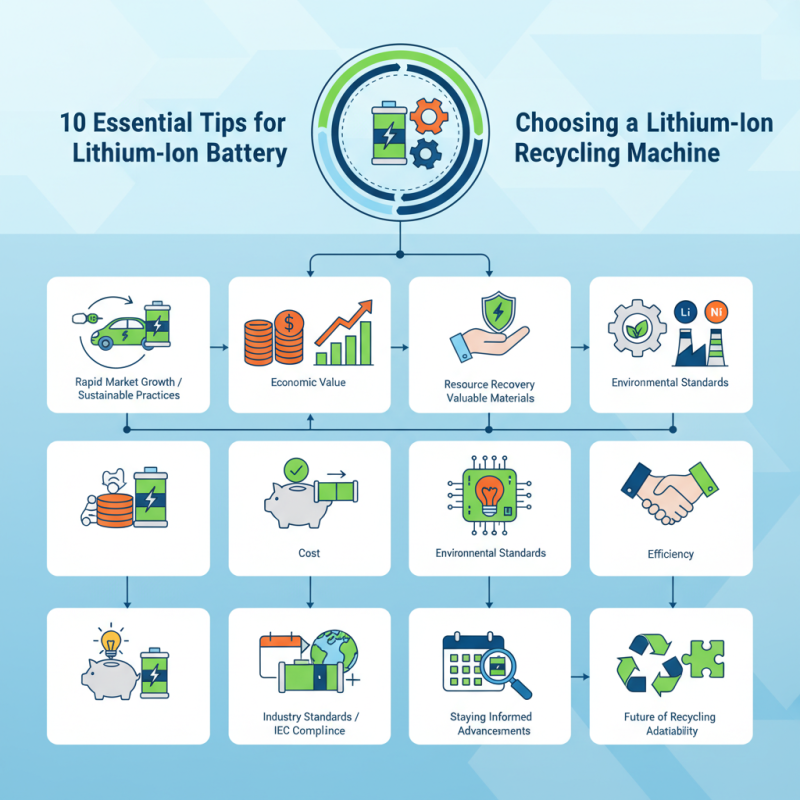
10 Essential Tips for Choosing a Lithium Ion Battery Recycling Machine
| Tip | Description | Compliance Standard | Safety Certification |
| 1. Research Manufacturer Credibility | Ensure the manufacturer has a reputable track record in designing and producing recycling equipment. | ISO 14001 | CE Marking |
| 2. Evaluate Technical Specifications | Check the machine's capacity, efficiency, and compatibility with different battery types. | IEC 62133 | UL Certification |
| 3. Ensure Environmental Standards | Confirm that the equipment meets local and international environmental regulations. | EPA Guidelines | RoHS Compliance |
| 4. Assess Safety Features | Look for features like emergency shut-off, fire suppression systems, and operator safety protocols. | OSHA Regulations | NFPA Standards |
| 5. Check for Proper Training Programs | Ensure that the manufacturer provides training for operators and maintenance staff. | ISO 9001 | Compliance Training Certification |
| 6. Verify Maintenance Support Availability | Understand the manufacturer's support structure for maintenance and spare parts. | N/A | N/A |
| 7. Consider Energy Efficiency | Look for energy-efficient models that reduce operational costs. | Energy Star Rating | N/A |
| 8. Review Cost-Effectiveness | Analyze the total cost of ownership including purchase price, maintenance, and operational costs. | N/A | N/A |
| 9. Look for Modular Design | Choose machines with modular components for easier upgrades and repairs. | N/A | N/A |
| 10. Check User Reviews and Testimonials | Research user experiences to gain insights into performance and durability of the machine. | N/A | N/A |
Comparing Initial Investment vs. Long-Term Savings of Recycling Machines
When investing in a lithium ion battery recycling machine, understanding the financial implications is crucial. The initial investment can be substantial. This might cause hesitation for many. However, it's essential to weigh these upfront costs against long-term savings. Efficient recycling lowers disposal fees and generates revenue from recovered materials. A well-chosen machine can reduce operational costs significantly over time.
Consider the purchasing process carefully. Not all machines are built the same. Some may come with high maintenance costs that can offset savings. Researching reliability and efficiency is vital. Seek insights from industry experts and users. They can offer valuable experiences that highlight potential pitfalls. Choosing a Waste Cellphone Lithium Ion Battery Recycling Plant with a proven track record is advisable. It ensures not just immediate savings but a sustainable operation.
Reflecting on different models, some prioritize quick processing but sacrifice durability. This trade-off can impact long-term performance. It's advisable to look for machines that balance speed and longevity. Balancing initial costs against potential returns requires thorough analysis. Engaging with industry specialists can help make informed decisions. Always prioritize reliability and efficiency in your selection process.
Identifying Reliable Manufacturers and Suppliers in the Recycling Industry
When selecting a lithium-ion battery recycling machine, finding reliable manufacturers and suppliers is critical. Start by researching companies with extensive experience in the recycling industry. Look for those that showcase their expertise through certifications or industry recognition. Reading customer reviews can provide insights into their reliability and service quality.
Consider the technology used in the machines. It’s essential to choose manufacturers who utilize advanced processes. Evaluate their equipment's efficiency and safety standards. For example, an Old Lithium Ion Battery Crushing Plant should integrate modern features to ensure optimal performance.
Engaging with potential suppliers directly can also reveal essential information. Request detailed product specifications and inquire about their maintenance practices. Visit their facilities if possible, to see the machines in action. It may be tempting to choose the cheapest option. However, investing in quality machinery now can lead to significant savings down the road.
Innovative Solutions for Sustainable Energy: The Role of Magnetic Separators in Solar Panel Recycling
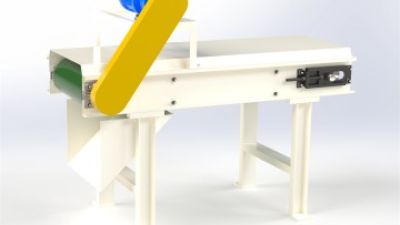
The recycling of solar panels is a critical component in the transition towards sustainable energy solutions. As the number of solar installations continues to grow, so does the need for effective recycling practices to recover valuable materials. One innovative approach in this sector is the use of solar panel magnetic separators, which play a crucial role in efficiently separating magnetic substances, such as iron and certain metals, from non-magnetic materials in the panels.
These magnetic separators operate on the principle of magnetic differences among materials. When solar panel waste is processed through the magnetic field of the separator, the magnetic particles are attracted and removed from the rest of the material. This process not only enhances the purity of recovered materials but also minimizes contamination, ensuring that recyclable components are efficiently retrieved. By optimizing the recycling process, magnetic separators contribute to reducing waste and promoting the circular economy in the renewable energy sector.
Implementing such innovative technologies in solar panel recycling not only supports environmental sustainability but also helps address resource scarcity by reclaiming valuable materials. As the demand for clean energy solutions expands, the role of magnetic separators will become increasingly vital in creating a more sustainable future for Solar Energy utilization.
FAQS
: Efficiency mainly depends on the technology used in the recycling machine. Advanced technology improves material recovery rates.
Efficient energy use reduces operational costs. This is crucial for sustainable practices and overall profitability.
Larger capacity machines handle more batteries but may have higher initial costs. Analyze your needs carefully.
A well-designed machine enhances performance and reduces downtime. User-friendly interfaces also improve operational efficiency.
Proper training helps staff operate and troubleshoot machines effectively. This can significantly improve recycling results over time.
Hydrometallurgical processes enhance recovery rates of metals. Some machines still use older methods, leading to lower efficiency.
These technologies optimize sorting and processing. However, perfect separation remains challenging due to battery composition variability.
No, consider long-term savings too. Efficient machines lower disposal fees and can generate revenue through recovered materials.
Some machines prioritize speed over durability. This can affect long-term performance and should be evaluated.
Research reliability and efficiency. Seek insights from experts to avoid pitfalls and select a machine with a solid track record.
Conclusion
When selecting a Lithium Ion Battery Recycling Machine, understanding its significance is crucial for effective waste management and environmental sustainability. Key factors influencing recycling efficiency include the machine's capacity and throughput, which determine how much material can be processed over time. Advanced separation technologies are essential for maximizing the recovery of valuable materials, while adherence to environmental compliance and safety standards ensures the operation's sustainability and safety.
Additionally, a careful comparison of the initial investment against long-term savings can help in making an informed decision. It is vital to identify reliable manufacturers and suppliers within the recycling industry to ensure exceptional quality and performance of the equipment. Overall, making a well-informed choice on a Lithium Ion Battery Recycling Machine can contribute significantly to the recycling ecosystem and promote a cleaner environment.