When it comes to pushing for global sustainability, there's no denying that advanced technology plays a huge role—especially when it comes to recycling. One standout device is the Lithium Ion Battery Recycling Machine. It’s pretty much essential these days, helping us recover valuable materials from old batteries and, in the process, cutting down on environmental harm.  Over in Henan, China, there's a company called Henan Shanshui Heavy Industry Technology Co., Ltd., that’s been leading the charge since 2013. They’re really focused on R&Dand making eco-friendly machinery. Their expertise includes creating efficient waste management solutions—think waste Solar Panels and lithium batteries recycling lines. As more countries shift towardrenewable energy, machines like these become even more important in promoting circular economies and hitting sustainability targets. Ultimately, it’s all about working toward a cleaner, greener planet, not just for today, but for the generations to come.
Understanding the Importance of Lithium Ion Battery Recycling in Sustainability Efforts
Lithium-ion batteries—yeah, those things power pretty much everything nowadays, from our smartphones to electric cars. As we become more and more dependent on them, it’s super important to handle their recycling responsibly. I read a report from the International Energy Agency (IEA) that predicts we’ll have around 11 million tons of used lithium-ion batteries by 2030. That really highlights how urgent it is to set up solid recycling systems. Doing this isn’t just about saving rare resources like lithium, cobalt, and nickel—it also helps keep the environment safe by preventing pollution from improper disposal.
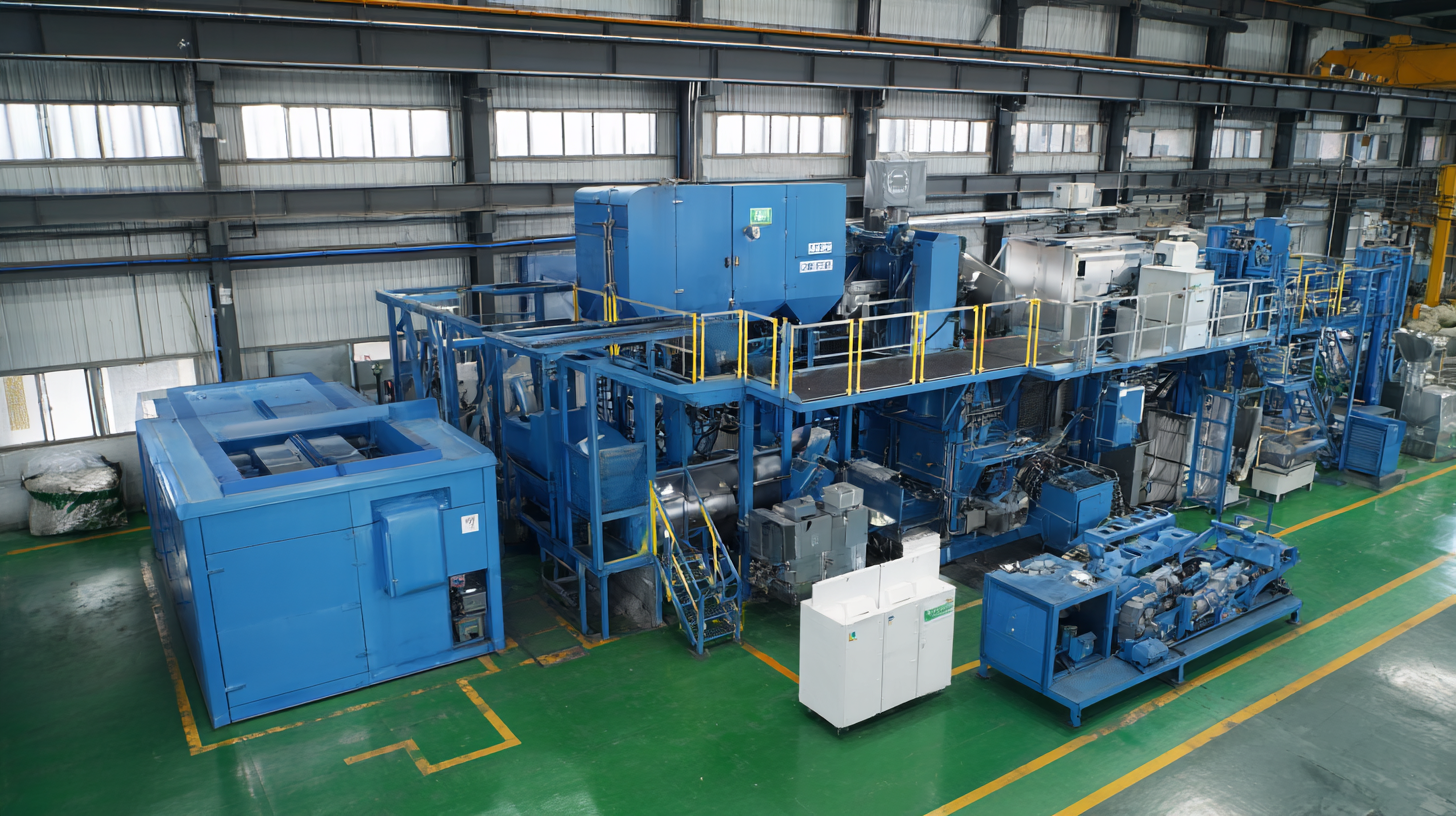
Recycling these batteries isn’t just a good idea; it’s actually a big step toward sustainability. According to the World Economic Forum, we can recover up to 95% of the materials inside these batteries. That’s huge because it cuts down on the need to mine new resources, which is pretty bad for the planet. Plus, there’s been some cool progress with battery recycling machines lately. These machines make the process faster and cheaper, which is a big win. By mixing tech into recycling efforts, industries can lower their carbon footprint and promote a circular economy—meaning, stuff gets reused instead of thrown away. Overall, it’s a smart move for a greener future and better resource management.
Key Components of Efficient Lithium Ion Battery Recycling Machines
Recycling lithium-ion batteries efficiently is honestly pretty crucial if we're serious about building a more sustainable world. When it comes to making these recycling machines effective, a few things really stand out. Things like smart mechanical separation methods, advanced hydrometallurgical processes, and automation tech are key players. According to the International Energy Agency, by 2030, we’re expecting the global demand for lithium to triple — mainly because electric vehicles are really taking off. That means battery recycling isn’t just about saving the environment; it’s also a big economic opportunity, since reusing materials can cut down manufacturing costs a lot.
Another major point is how well these machines can reclaim valuable stuff like lithium, cobalt, and nickel—ideally with high purity. The U.S. Department of Energy mentions that with current tech, we’re able to recover up to 95% of these metals. That’s a huge deal, making recycling a critical part of the circular economy. Plus, using cutting-edge technology helps reduce waste and save energy, which totally lines up with those big sustainability goals we’re all aiming for.
**Pro tip:** When you’re checking out lithium-ion battery recycling machines, try to find ones that have AI-powered sorting and real-time monitoring features. These can really boost efficiency and make sure everything’s super accurate. Also, it’s smart to go for machines that meet international recycling standards—that way, you’re guaranteed safety and environmental compliance without any fuss.
The Vital Role of Lithium Ion Battery Recycling Machines in Achieving Global Sustainability Goals
| Component | Function | Efficiency (%) | Environmental Impact |
| Shredders | Reduces battery size for further processing | 85 | Minimized landfill waste |
|
separators | Separates metals from other materials | 90 | Enhanced recycling rates |
| Hydraulic Presses | Compresses materials for easier processing | 80 | Reduced energy consumption |
| Extrusion Machines | Forms recycled materials into reusable shapes | 75 | Promotes circular economy |
| Separation Units | High-tech systems to recover valuable metals | 95 | Significant recovery of resources |
Step-by-Step Guide to Selecting the Right Recycling Technology
Recycling lithium-ion batteries is really important if we want to hit those global sustainability goals, cut down on environmental damage, and make sure we’re reusing valuable materials. Picking the right recycling tech isn’t just a matter of flipping a switch; you’ve gotta look at a bunch of factors to make sure everything runs smoothly and efficiently. Things like how big the machinery is, how pure the recovered materials turn out, and whether it plays nicely with environmental rules all matter.
When you're choosing recycling equipment, it’s a good idea to look for tech that not only recovers the most resources but also keeps emissions in check. Ideally, go for advanced solutions that use innovative methods to separate and process battery materials—that way, you’ll boost productivity and support a circular economy where materials aren’t just thrown away but reused smartly.
Here are a couple of tips: First, do some homework on the providers—see how they’ve performed with environmental compliance and whether they’re keeping up with the latest tech. Second, think about whether the machinery can grow with your needs in the future. And don’t forget to check out what kind of maintenance and support they offer. Companies like Henan Shanshui Heavy Industry Technology Co., Ltd. are worth considering—they focus on eco-friendly machinery and know their stuff when it comes to lithium battery recycling. Basically, being a bit cautious and thorough now will help make sure your investment lines up with your sustainability goals while also being good for your operations.”
Best Practices for Operating Lithium Ion Battery Recycling Machines
Lithium-ion battery recycling machines are pretty much essential when it comes to managing battery waste in a sustainable way. They play a big role in helping us hit global sustainability targets. Not only do these machines reduce pollution, but they also allow us to recover valuable materials, which is a big plus for a circular economy. Here at Henan Shanshui Heavy Industry Technology Co., Ltd., we're really passionate about improving these recycling processes, making sure they're both efficient and eco-friendly.
When you're running lithium-ion battery recycling machines, it's super important to stick to best practices. Regularly check the machines for any signs of wear and tear—you’d be surprised how small issues can turn into bigger problems if ignored. Keeping the right operational temperatures and following safety protocols is a must to keep everything running smoothly and safely, especially since you're dealing with hazardous stuff.
**Quick Tips:** Make sure your team is well-trained on safety and machine maintenance—that way, you avoid unnecessary downtime. Plus, adding high-tech monitoring systems can really help optimize your recycling process and keep track of how everything's performing. Being proactive about maintenance and monitoring not only extends your equipment's lifespan but also totally supports your organization’s sustainability goals.
Measuring the Environmental Impact of Battery Recycling Processes
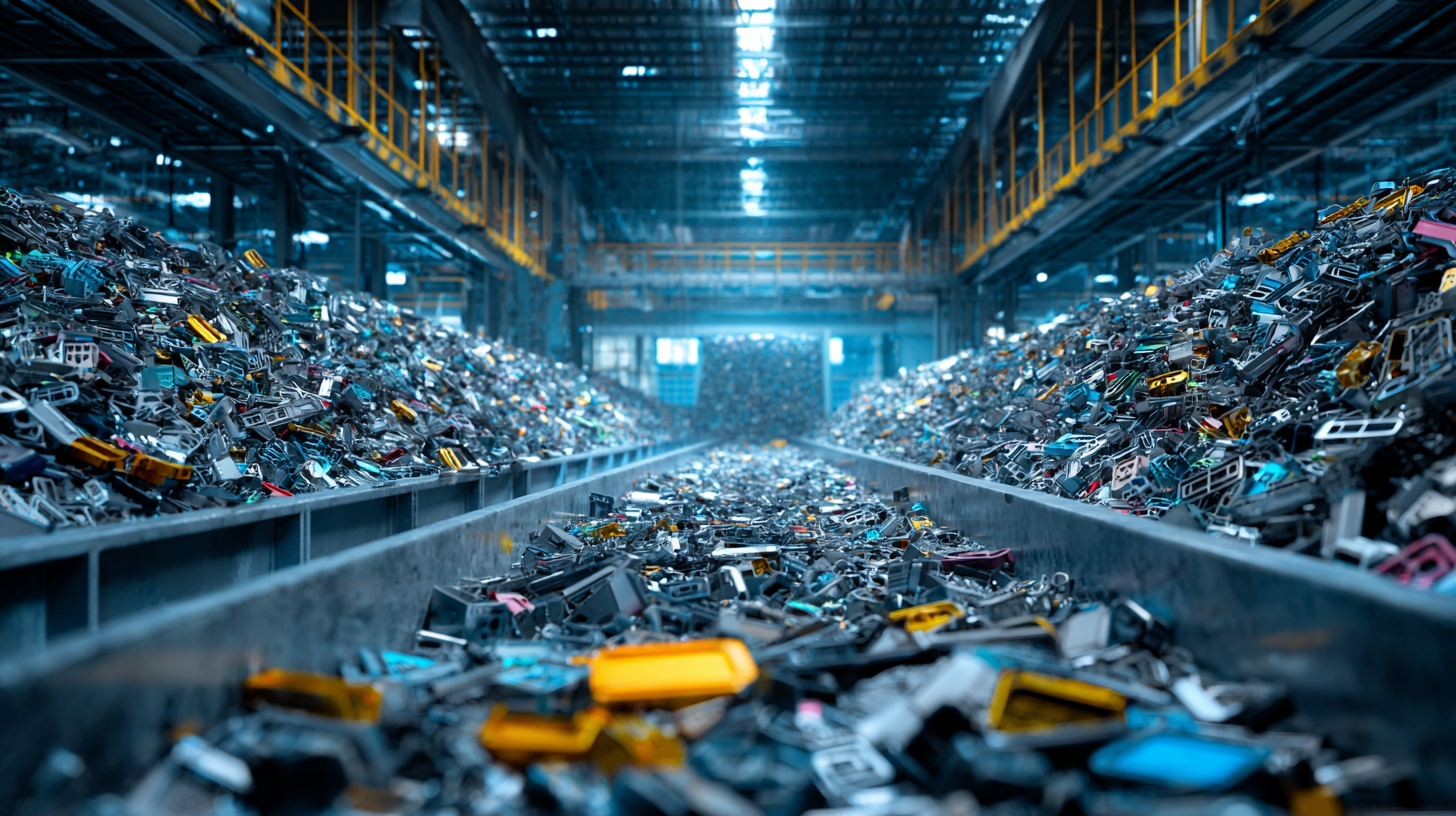 You know, the environmental impact of recycling lithium-ion batteries is becoming more and more important as everyone pushes for sustainability worldwide. Recent studies that look into different lixiviants—like various inorganic and organic acids—show pretty clear differences in how much harm they can cause. Researchers are using life cycle assessments (LCAs) to really dig into how these substances affect the environment during the hydrometallurgical recycling process. It’s a bit complex, but basically, they're figuring out how to make recycling more eco-friendly. And what’s pretty encouraging is that, compared to mining, recycling batteries really cuts down on environmental damage. It’s like, recovering metals from old batteries just makes a lot more sense if you want to protect our planet.
On top of that, new tech like cryogenic solvent recovery is making waves. This method not only boosts the recovery of precious materials but also uses less energy than the old-school approaches—big win, right? As electric cars become more popular, the auto industry’s focus on being sustainable is closely tied to having solid recycling systems in place. Plus, the way batteries are designed matters a lot — better structural features can make recycling easier and more efficient. All these efforts are pretty crucial in tackling the environmental issues linked to battery manufacturing and disposal, and they line up well with our broader goals for sustainability.
Future Innovations in Lithium Ion Battery Recycling Technologies
Looking ahead, the latest advances in lithium-ion battery recycling tech are pretty exciting—they could really change the game when it comes to sustainability. With more people buying electric cars and relying on renewable energy storage, finding efficient ways to recycle batteries has become more important than ever. New methods like hydrometallurgy and biotech approaches are showing some real promise—they can recover more of those valuable materials like lithium, cobalt, and nickel from used batteries, which means less environmental mess from battery waste.
On top of that, breakthroughs in automation and AI are making recycling processes smarter and more streamlined. Imagine machines that can analyze a battery's inner makeup and pick the best recycling route—that’s the kind of game-changer we're talking about. This not only speeds things up but also results in higher quality recovered materials. Plus, new battery designs—like modular batteries that are easier to take apart—will make recycling even simpler and more sustainable. All these innovations seem to be paving the way for a circular economy, where resources aren’t wasted but reused and repurposed, helping us take better care of the planet.
It’s a pretty exciting time to be watching how tech and sustainability come together, don’t you think?
The Importance of Lithium Ion Battery Recycling Machines
This chart illustrates the increasing amount of lithium ion batteries recycled from 2019 to 2023. The upward trend highlights the growing importance of recycling machines in achieving sustainability goals and reducing environmental impact.
Comprehensive Guide to Waste Water Tank and Radiator Recycling Equipment for Sustainable Processing Solutions
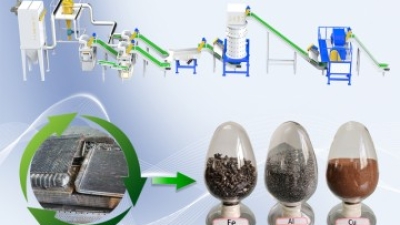
The effective recycling of waste materials is a crucial aspect of sustainable processing solutions, particularly when it comes to waste water tanks and radiators. These components often contain valuable metals such as copper, iron, and aluminum, making their recycling not only economically viable but also environmentally responsible. The specialized recycling equipment designed for this purpose is engineered to crush and sort these metals according to their specific gravity, ensuring maximum recovery of useful materials.
By efficiently separating the different substances found in waste water tanks and radiators, this equipment contributes to a circular economy, reducing the need for virgin materials and minimizing waste. The inclusion of advanced dust removal systems further enhances its efficacy by capturing the released metals during processing, thus preventing them from escaping into the environment. This holistic approach not only streamlines the recycling process but also aligns with sustainability goals, making it an essential asset for industries focused on responsible waste management.
FAQS
: Recycling lithium-ion batteries is crucial for conserving valuable resources, mitigating environmental risks from improper disposal, and achieving sustainability goals. It helps recover up to 95% of the materials in batteries, reducing the need for virgin resource extraction.
Recycling lithium-ion batteries drastically reduces the ecological footprint compared to mining new materials, lowering carbon emissions and promoting a circular economy that supports sustainable development.
When selecting recycling technology, consider factors such as machinery capacity, material purity, environmental compliance, resource recovery efficiency, and the scalability of the equipment to adapt to future needs.
Advanced recycling machines streamline the recovery process, enhancing efficiency, reducing costs, and minimizing harmful emissions, which supports the transition to a circular economy.
Innovations like cryogenic solvent recovery are improving recycling efficiency by enhancing material recovery and reducing energy consumption, contributing to lower environmental impacts compared to traditional recycling methods.
Life cycle assessments evaluate the environmental footprint of various recycling processes and lixiviants, helping optimize operations to minimize ecological harm and underscoring the advantages of recycling over new material mining.
When researching providers, focus on their track record in environmental compliance, advancements in technology, and the maintenance and support options they offer, which can ensure alignment with sustainability goals.
Improved structural characteristics in battery design can lead to enhanced efficiency in material recovery during the recycling process, contributing to better resource conservation and reduced environmental challenges.
Up to 95% of materials such as lithium, cobalt, and nickel can be recovered through efficient recycling processes, which helps conserve these valuable resources.
The expected increase in spent lithium-ion batteries, reaching 11 million tons by 2030, underscores the pressing need for effective recycling systems to manage waste and support sustainability initiatives.
Conclusion
The article titled "The Vital Role of Lithium Ion Battery Recycling Machines in Achieving Global Sustainability Goals" really highlights just how important it is to focus on recycling lithium-ion batteries if we want to hit those big global sustainability targets. It digs into the key parts of efficient recycling machines and shares some cool insights on how these machines can actually help save the environment—think less waste and more recovered, valuable materials. There's even a step-by-step guide on how to pick the right recycling tech, along with some practical tips for operating these machines smoothly. Plus, it covers ways to measure just how much good recycling does for the environment, which is pretty handy.
They also talk a bit about what’s next—like future innovations in lithium-ion battery recycling. It’s exciting to see how tech could get even better, more efficient, and even more eco-friendly. Companies like Henan Shanshui Heavy Industry Tech are right there in the mix, focusing on developing and making new, greener machinery, especially those recycling machines. It’s clear they’re playing a huge part in pushing our learning and efforts toward a more sustainable and improved recycling scene.