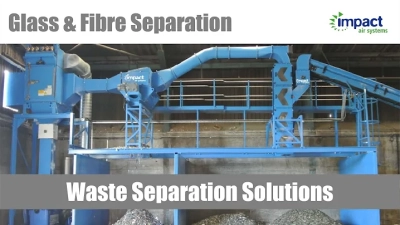
Picking the right Glass Cullet Machine isn’t just some technical decision — it’s a pretty big deal for any business into Glass Recycling and processing. With everyone really focusing on more sustainable practices these days, making sure you have an efficient and reliable machine is more important than ever. A good machine doesn’t just make your work easier; it actually can boost the quality of your output and help your operations run smoother. But here’s the thing: the market’s full of different options, so figuring out which one is best for you can feel kinda overwhelming, especially if you’re looking to step up your recycling game.
In this guide, I’m going to share 10 key tips to help you pick the right Glass Cullet Machine that fits your unique needs and goals. When you get a handle on the main features, capacities, and tech behind these machines, it becomes much easier to choose one that keeps things efficient and also saves you some bucks. Whether you’re running a small setup or a big recycling plant, these tips should help you cut through the noise and make a smart investment — one that really pays off. So, let’s get started and see how you can take your glass recycling efforts to the next level — it’s all about working smarter and doing your part for a greener future.

Understanding Glass Cullet Machines: An Overview
Glass cullet machines play a crucial role in the recycling process by transforming waste glass into raw materials that can be reused in various manufacturing sectors. Understanding the functionality and types of glass cullet machines is key for businesses seeking to optimize their recycling operations. Typically, these machines can crush, sort, and prepare glass cullet for storage or shipment, ensuring that the glass is processed to the specifications required by manufacturers. According to a report by the Glass Recycling Coalition, effective cullet processing can reduce energy consumption by up to 30% in glass production, highlighting the environmental and economic benefits of efficient glass recycling.
When choosing the right glass cullet machine, consider the intended application and the volume of glass waste produced. Different machines offer varying capabilities, from basic crushing systems to advanced automated sorting machines that can identify and separate glass types. It's advisable to assess the throughput capacity needed, as well as the machine’s compatibility with the existing recycling infrastructure.
Tip 1: Evaluate energy efficiency and maintenance needs of potential machines. Look for models that minimize energy consumption while maximizing output and have readily available parts for maintenance.
Tip 2: Analyze the technology used in sorting and processing. Advanced machines with features such as optical sorting can significantly improve the quality of cullet, making it more desirable for manufacturers.
Choosing the right glass cullet machine requires careful consideration of these factors to ensure you meet your operational needs while contributing positively to the recycling ecosystem.
Key Considerations for Assessing Glass Cullet Machine Requirements
When assessing the requirements for a glass cullet machine, it is essential to consider several key factors tailored to your operational needs. Firstly, the machine's capacity plays a crucial role. Depending on the volume of cullet you aim to process, you need to select a machine that can handle your specific workload efficiently. If your operations are large-scale, look for equipment that offers higher output rates without compromising on quality.
Another important aspect is the machine's technology and features. Modern glass cullet machines often come equipped with advanced sorting and crushing capabilities, enhancing the purity of the cullet produced. It's advisable to choose a machine that integrates cutting-edge technology, allowing for better energy efficiency and reduced waste during the recycling process.
Tip: Always evaluate the maintenance requirements of the glass cullet machine. Regular upkeep is vital for optimal performance; hence, select equipment that is easy to maintain and backed by reliable support. Additionally, consider the adaptability of the machine for future needs, ensuring that it can accommodate changes in the type or volume of glass you plan to process. By focusing on these considerations, you can make an informed decision that aligns with your operational goals.
Types of Glass Cullet Machines and Their Functions
When selecting the right glass cullet machine, it's important to understand the various types available and their specific functions. Broadly, glass cullet machines can be categorized into two main types: crushing and grinding machines. Crushing machines are designed to break down large glass bottles and jars into smaller pieces, or cullet, typically ranging from 1 to 4 inches in size. This type is ideal for initial processing, as it allows for easier transportation and preparation for recycling. According to a report by the Glass Recycling Coalition, effective size reduction can improve recycling rates by up to 38%, showcasing the significance of using efficient crushing technology in glass recycling efforts.
On the other hand, grinding machines further refine the cullet into finer particles, often used in manufacturing new glass products or various construction materials. These machines play a crucial role in achieving the required particle size for specific applications, enhancing the quality of the output material. The industry insights from the International Glass and Glass Products industry indicate a growing trend towards the use of more sophisticated grinding machines that can not only produce higher quality cullet but also increase production efficiency. Understanding these functionalities will help you make informed decisions tailored to your glass recycling needs.
Evaluating the Efficiency and Output of Glass Cullet Machines
When evaluating glass cullet machines, efficiency and output are critical factors that can significantly impact your recycling operations. According to a recent industry report, the efficiency of modern glass cullet machines can reach up to 95%, ensuring minimal waste and maximum recovery of reusable materials. This efficiency directly correlates with the types of glass processed, operating conditions, and maintenance regimes. By selecting a machine that aligns with your specific needs, you can optimize throughput and reduce operational costs.
One essential tip for choosing the right glass cullet machine is to assess the output capacity. Machines vary greatly in their processing capabilities, with some capable of handling over 5 tons of glass per hour. Understanding your own processing demands will help you select a machine that can meet your production targets without compromising on quality. Additionally, paying attention to the machine's ability to produce different sizes of cullet can enhance the versatility of your recycling operations.
It is also vital to consider energy consumption when evaluating efficiency. According to research, energy-efficient cullet machines can reduce energy costs by up to 30% compared to older models. This not only leads to lower operational expenses but also contributes to sustainability efforts within the glass recycling industry. Keeping these factors in mind will enable you to make a well-informed decision that enhances both performance and environmental responsibility.
Critical Features to Look for in a Glass Cullet Machine
When selecting a glass cullet machine, several critical features enhance efficiency and performance. First, consider the machine's processing capacity, which typically ranges from 1 to 7 tons per hour depending on the model. A report from the Glass Recycling Coalition indicates that optimizing processing rates can significantly reduce energy consumption, highlighting the importance of matching a machine's output to your operational demands. Additionally, the size of the cullet produced is crucial; machines should allow for adjustable settings to generate different sizes to suit various recycling applications, impacting yield and quality in downstream processes.
Another essential feature is the energy efficiency of the machine. According to the U.S. Department of Energy, energy-efficient cullet machines can reduce operational costs by up to 30%, contributing to sustainability efforts within the industry. Furthermore, the technology employed in the machine plays a pivotal role; modern machines equipped with advanced automation and monitoring systems enhance operational precision, minimize downtime, and streamline maintenance processes. This capability becomes increasingly important as recycling regulations tighten globally and efficiency directly translates to profitability. Evaluating these critical features ensures that you invest in a glass cullet machine that meets both current and future needs in the recycling landscape.
10 Essential Features to Consider When Choosing a Glass Cullet Machine
This bar chart illustrates the critical features to consider when selecting a glass cullet machine, providing insights into capacity, energy efficiency, cost, maintenance frequency, noise level, and size.
Budgeting for Your Glass Cullet Machine Purchase
When budgeting for your glass cullet machine purchase, it's crucial to begin by assessing your specific needs and production goals. Determine the volume of glass cullet you intend to process and the types of glass materials you'll be working with. This will help you establish a baseline for necessary features and capabilities, which can significantly affect the machine's cost. Prioritize your requirements, as this will guide you in selecting a machine that not only meets your operational needs but also aligns with your financial limitations.
Additionally, consider the total cost of ownership beyond the initial purchase price. Research maintenance costs, energy consumption, and the availability of parts or service. Investing in a reliable machine may require a higher upfront cost, but it can lead to lower operating expenses and increased productivity over time. It's also wise to explore financing options and potential grants or incentives related to recycling and sustainability initiatives. A well-planned budget will ultimately facilitate a smoother purchasing decision and contribute to the long-term success of your glass recycling operations.
Maintenance and Support for Long-Term Operation of Cullet Machines
When selecting a glass cullet machine, maintenance and support play a crucial role in ensuring long-term operational efficiency. Regular maintenance not only extends the lifespan of the machine but also enhances its performance. It is essential to establish a routine that includes checking for wear and tear on critical components, cleaning the equipment to prevent material buildup, and lubricating moving parts. By proactively addressing these elements, you can significantly reduce the risk of unplanned downtime and costly repairs.
In addition to maintenance, having access to reliable support is vital. Opt for a supplier who offers comprehensive after-sales service, including technical assistance and availability of spare parts. This ensures that any issues that arise can be dealt with promptly, minimizing disruptions in your operations. Moreover, some manufacturers may provide training programs for staff, equipping them with the knowledge and skills needed to effectively operate and troubleshoot the machinery. Investing in such support systems can be invaluable in maintaining the efficiency and reliability of your glass cullet machine over the years.
Conclusion
When selecting the right Glass Cullet Machine for your needs, it is crucial to understand its various functions and requirements. Begin with a comprehensive overview of different types of glass cullet machines, assessing their efficiency and output capabilities. Key considerations include the machine's specific functions, suitability for your glass processing needs, and the critical features that enhance performance.
Additionally, budgeting for your Glass Cullet Machine purchase is essential to ensure you are making a financially sound investment. Maintenance and support factors also play a vital role in the long-term operation of these machines, helping to extend their lifespan and optimize their performance. By carefully evaluating these aspects, you can choose a glass cullet machine that aligns perfectly with your operational goals.