- shanshui@shanshuizg.com
- We Will Respond to Your Inquiry Within 24 Hours of Receipt!
Leave Your Message
- Phone
- E-mail
- Whatsapp
- Wechat

In the fast-changing world of sustainable tech, the 'Waste Lithium Battery Recycling Equipment Production Line' is really becoming a key focus — not just for protecting the environment, but also for reclaiming valuable resources. As more and more lithium batteries hit the market, there's a growing need for smarter recycling solutions that cut down waste and pull out those precious materials. Dr. Emily Carter, a recycling tech expert from EcoTech Solutions, put it pretty well when she said,
"Recycling lithium batteries isn’t just a business thing — it’s about building a sustainable future for all of us."

This guide is here to walk you through some essential tips and best practices to get your recycling line running smoothly—especially with new rules and tech advances coming by 2025. Setting up a Waste Lithium Battery Recycling Equipment Production Line might seem complicated at first, but with the right insights and a strategic plan, businesses can boost efficiency and stay ahead of the game. So, let’s dive into the key points, coolest tech, and industry strategies that are shaping what’s next for lithium battery recycling.
The recycling of waste lithium batteries is becoming increasingly vital as global demand for lithium-ion batteries surges, especially in countries like India that are striving for a clean energy transition. As highlighted in recent reports, facilities capable of processing all types of end-of-life lithium-ion batteries are emerging. For instance, Attero, a leading player in the Indian e-waste recycling industry, has secured important certifications that bolster its capability to manage various battery types, ensuring compliance with environmental standards.
The potential for lithium-ion battery recycling is significant. According to industry projections, by 2043, it is estimated that 23.8 million tonnes of lithium-ion batteries will be recycled globally, unlocking a market value of approximately US$101 billion in recoverable metals. This reflects not only a growing awareness of the need for sustainable practices but also highlights the technological advancements within recycling equipment production lines, catering to the increasing complexity of battery types such as pouch and prismatic batteries. The introduction of standardized HS codes for recycled materials further supports the efficient handling and classification of these resources, facilitating better recycling practices and reducing the reliance on imports for battery components.
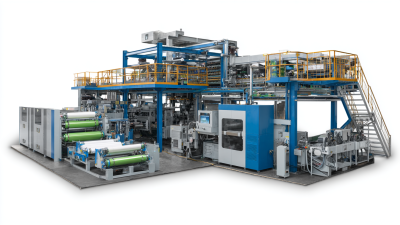
| Equipment Type | Function | Capacity (kg/h) | Power Consumption (kW) | Estimated Cost (USD) |
|---|---|---|---|---|
| Pre-Shredder | Initial breakdown of batteries | 500 | 15 | 30,000 |
| Hydraulic Press | Compacts battery materials | 300 | 20 | 25,000 |
| separator | Separates metals from other materials | 400 | 10 | 20,000 |
| Shredding Machine | Further reduces size of battery materials | 600 | 25 | 35,000 |
| Dust Collector | Clears airborne particles | N/A | 5 | 15,000 |
The transition to renewable energy, particularly Solar Power, has led to an increase in waste photovoltaic panels, necessitating efficient solutions for glass removal. The "Waste Solar Panel Glass Removal Machine" addresses this need by offering a highly specialized device aimed at processing waste photovoltaic panels, including single crystal silicon and polycrystalline silicon glass panels. This innovative equipment utilizes advanced automation technology, enabling automatic feeding, discharging, and the separation of finished glass from the panels.
According to a recent industry report, the global solar panel recycling market is expected to grow at a compound annual growth rate (CAGR) of 23% from 2021 to 2026. This surge is driven by both an increase in the installation of solar panels and the pressing need for sustainable disposal methods. By implementing machines that efficiently remove glass from waste solar panels, companies can improve production efficiency and significantly reduce labor costs.
Moreover, the adoption of such technologies aligns with global sustainability goals, as it facilitates the recycling of valuable materials found in photovoltaic panels, such as silicon and metals. As the industry continues to evolve, investing in efficient glass removal solutions becomes essential for maintaining economic viability and minimizing environmental impact in the growing solar market.
: Key safety considerations include proper ventilation systems, the use of personal protective equipment (PPE), and adherence to strict safety guidelines to minimize exposure to hazardous materials.
Companies can ensure compliance by conducting regular training sessions for staff, maintaining updated emergency response plans, and routinely inspecting equipment for safety performance.
Approximately 70% of the potential risks in battery recycling stem from improper handling of materials.
Responsible end-of-life battery management is critical due to the surge in demand for electric vehicles and the need for effective and sustainable battery recycling practices.
The target recycling rate set by regulatory bodies is to exceed 90% by the year 2030.
The lithium-ion battery recycling market is projected to grow from $5.41 billion in 2024 to $24.15 billion by 2032.
Emerging technologies include hydrometallurgical techniques, advanced detection, and sorting technologies aimed at improving the efficiency and effectiveness of the recycling processes.
Automation can streamline operations, significantly reduce labor costs, and improve processing speed within the lithium battery recycling production line.
Continuous research and development allow companies to keep up with evolving standards and technologies, integrating the latest innovations into their recycling solutions.
Partnering with certified recycling facilities contributes to environmentally responsible practices and can enhance operational efficiency while reducing the overall environmental footprint.
The article "Ultimate Guide to Waste Lithium Battery Recycling Equipment Production Line Tips" provides a comprehensive overview of the various types of waste lithium battery recycling equipment. It delves into the key components that constitute an efficient lithium battery recycling production line, emphasizing the importance of optimizing equipment for enhanced recycling efficiency. Additionally, the guide addresses crucial safety regulations and environmental considerations that must be adhered to during the recycling process.
Furthermore, the article explores emerging technologies in lithium battery recycling solutions, highlighting innovative advancements that can improve recycling outcomes. As a leading manufacturer since 2013, Henan Shanshui Heavy Industry Technology Co., Ltd. specializes in creating state-of-the-art Waste Lithium Battery Recycling Equipment Production Line, contributing to a more sustainable future through environmentally friendly practices.