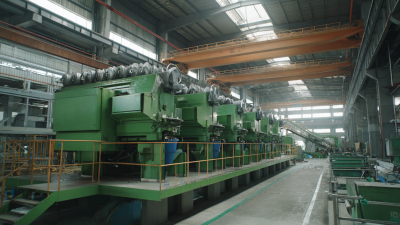
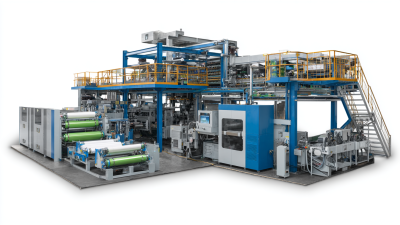
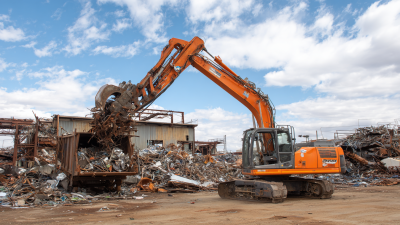
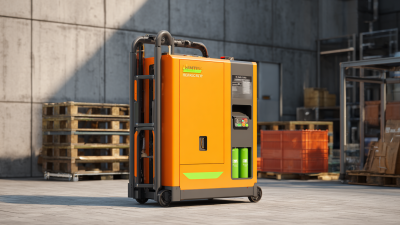
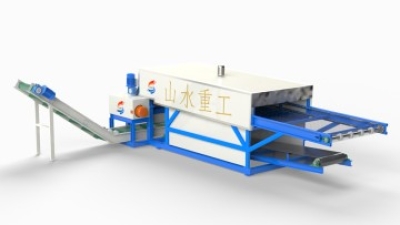
You know, with all these rapid advances in innovative tech for Waste Lithium Battery Recycling Equipment Production Lines, our way of tackling battery waste is really changing. I came across a report from Markets and Markets that predicts the global market for recycling waste lithium batteries will hit about $11.5 billion by 2027. That's a pretty hefty jump, growing at around 16.4% each year from 2022. It just shows how much this market is booming and how crucial it is to develop efficient, eco-friendly ways to recycle these batteries. People are definitely looking for cutting-edge production lines that can recover as much material as possible while keeping environmental harm to a minimum.
Dr. Michael Schwartz, a well-known expert in battery recycling at GreenCycle Solutions, says, 'The future of battery recycling really depends on our ability to push forward with new tech and make sure it's integrated into our recycling lines.' This really hits home — modern equipment isn't just about the machinery anymore; it’s about strategic resource recovery. As we dive into the top ten innovative technologies shaping this sector right now, it’s clear that investing in smarter machinery and better processes can truly change the game. Not only can these advances benefit the environment, but they can also open up new economic opportunities—you know, give the industry a real boost.
Innovative Techniques in Lithium Battery Recycling: A Technological Overview
The lithium battery recycling industry is witnessing a transformative wave driven by innovative technologies and techniques. Notably, the global lithium-ion battery recycling market is projected to thrive, expected to soar from $3.79 billion in 2023 to $23.21 billion by 2032. This growth is primarily fueled by advancements such as the novel nanoemulsion method developed by researchers that utilizes vegetable oil and water to efficiently extract battery-grade metals. This eco-friendly approach not only enhances recycling processes for electric vehicles but also aligns with the rising demand for sustainable energy solutions.
Moreover, breakthrough methods like the one employing glycine have demonstrated the capability to recover an astonishing 99.99% of lithium along with high percentages of nickel, cobalt, and manganese from spent batteries. Such innovative recycling techniques not only foster a circular economy but also significantly reduce reliance on mining and its environmental impact. As companies and research consortia continue to secure funding and develop cutting-edge technologies, the lithium battery recycling landscape is poised for significant enhancements, ultimately contributing to a more sustainable future.
Integrating Robotics and Automation in Battery Recycling Production Lines
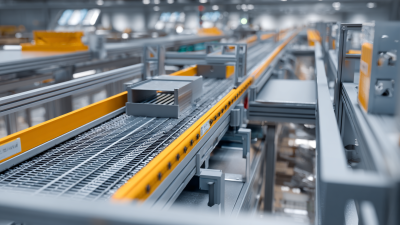
The integration of robotics and automation into battery recycling production lines is revolutionizing the waste lithium battery recycling industry. By incorporating advanced robotic systems, facilities can enhance the efficiency and accuracy of the recycling process. Automated machinery can perform repetitive tasks such as sorting, disassembly, and material handling, reducing the reliance on manual labor. This not only accelerates production speeds but also minimizes human error, leading to improved yield rates of valuable materials like lithium and cobalt.
Moreover, automation allows for better monitoring and data collection throughout the recycling process. Smart sensors and AI-driven analytics can provide real-time insights into operational performance, enabling faster decision-making and optimized workflows. This integration also aids in maintaining stringent safety standards by reducing human exposure to hazardous materials often found in lithium batteries. As these innovative technologies continue to evolve, the potential for further enhancements in sustainability and resource recovery within the battery recycling sector becomes increasingly promising.
The Role of Artificial Intelligence in Enhancing Recycling Efficiency
The integration of artificial intelligence (AI) into the production lines of waste lithium battery recycling equipment is revolutionizing the industry. AI technologies enhance the efficiency of recycling processes by optimizing sorting mechanisms, which is crucial given the complex composition of lithium batteries. Machine learning algorithms can analyze vast amounts of data to improve the precision with which materials are identified and separated. This results in higher recovery rates of valuable metals such as lithium, cobalt, and nickel, ultimately leading to more sustainable recycling practices.
Furthermore, AI-driven predictive maintenance systems are transforming operational reliability in recycling facilities. By leveraging real-time data analytics, these systems can foresee equipment failures before they occur, minimizing downtime and ensuring consistent productivity. The incorporation of automation in these production lines reduces human error and enhances safety, creating a more efficient workflow. As the demand for lithium-ion batteries continues to rise, the role of AI in boosting recycling efficiency is becoming increasingly essential, contributing to a circular economy and reducing environmental impact.
Innovative Technologies Transforming Waste Lithium Battery Recycling Equipment Production Lines - The Role of Artificial Intelligence in Enhancing Recycling Efficiency
| Technology | Description | Efficiency Improvement (%) | AI Role |
| Automated Sorting Systems | Utilizes advanced sensors and algorithms to sort battery components efficiently. | 25% | AI analyzes data for optimal sorting methods. |
| Hydrometallurgical Processing | Chemical process to recover valuable metals from batteries. | 30% | AI optimizes chemical usage and process parameters. |
| Robotic Disassembly | Robots designed to dismantle batteries safely and efficiently. | 20% | AI monitors performance and enhances robot learning. |
| Predictive Maintenance | Using data analytics to predict equipment failures before they happen. | 15% | AI identifies patterns indicating potential breakdowns. |
| Data-Driven Decision Making | Leveraging analytics for strategic operational decisions. | 10% | AI assists in analyzing data trends for business strategies. |
Emerging Materials Recovery Technologies for Lithium Ion Battery Components
Emerging materials recovery technologies are poised to revolutionize lithium-ion battery recycling, particularly in the context of the soaring demand for electric vehicles (EVs). The global lithium-ion battery recycling market is expected to expand significantly, from $3.79 billion in 2023 to an estimated $23.21 billion by 2032. This growth is driven by a pressing need to recover critical materials used in battery components, primarily due to the increasing adoption of EVs and the emphasis on sustainable practices in battery production.
Researchers are making strides with innovative approaches, such as the development of new self-assembling materials that can function as electrolytes in lithium-ion batteries. These molecules are designed to disassemble at the end of the battery’s life cycle, simplifying the recycling process and enabling more efficient recovery of valuable components. Additionally, recent reports highlight the importance of addressing supply chain challenges for critical minerals required in battery manufacturing. As technological innovations in recycling come to the fore, they will play a crucial role in enhancing the circular economy for lithium-ion batteries, minimizing waste, and maximizing resource recovery.
Data-Driven Decision Making in Lithium Battery Recycling Processes
The lithium battery recycling industry is experiencing a significant shift thanks to data-driven decision-making processes. Recent reports from the International Energy Agency (IEA) indicate that the market for lithium-ion battery recycling is expected to grow exponentially, reaching a value of approximately $18 billion by 2026. The adoption of innovative technologies such as Artificial Intelligence (AI) and the Internet of Things (IoT) is reshaping production lines, making operations more efficient and cost-effective.
Leveraging big data analytics enables companies to optimize their recycling processes. By collecting and analyzing data from various stages of the recycling workflow, firms can identify potential bottlenecks and improve material recovery rates. For instance, a study published by the World Economic Forum highlights that implementing predictive maintenance algorithms in recycling equipment can reduce downtime by up to 30%. Additionally, using advanced data analytics, companies can enhance their yield rates significantly, maximizing the recovery of valuable materials such as lithium, cobalt, and nickel, which are crucial for the production of new batteries. The intersection of technology and data serves not only to boost productivity but also to foster a more sustainable approach to battery waste management.
Innovative Technologies in Lithium Battery Recycling
Sustainability Trends: The Impact of Innovative Tech on Battery Lifecycle Management
The sustainability trends in battery lifecycle management are increasingly influenced by innovative technologies that enhance the recycling process of lithium batteries. As the world shifts towards greener energy solutions, the demand for efficient and effective battery recycling methods has never been more critical. Advanced sorting and processing technologies are now capable of recovering valuable materials from spent batteries, significantly minimizing waste and environmental impact. These developments not only ensure that resources are reused but also support the circular economy model, where products and materials are reintroduced into the supply chain.
Furthermore, automation and artificial intelligence are revolutionizing recycling facilities, optimizing operations for both efficiency and safety. Through real-time data analytics, companies can monitor the recycling process, predict maintenance needs, and streamline production lines. This integration of smart technologies not only reduces operational costs but also enhances the overall sustainability of battery lifecycle management. As innovative solutions continue to emerge, they will play a pivotal role in addressing the challenges posed by increasing battery consumption and the corresponding need for responsible disposal and recycling practices.
Efficient Solutions for Waste Photovoltaic Panel Management: Introducing the Solar Panel Glass Removal Machine
The increasing adoption of Solar Energy has led to a significant rise in the number of photovoltaic panels reaching the end of their operational life. According to a report by the International Renewable Energy Agency (IRENA), it is estimated that by 2050, the cumulative waste from solar panels could reach 78 million tonnes. Efficient waste management practices for these panels are essential to mitigate environmental impacts and enhance resource recovery. One innovative solution addressing this challenge is the waste solar panel glass removal machine.
Designed specifically for processing waste photovoltaic panels, this advanced machinery is configured to handle both single crystal silicon and polycrystalline silicon glass panels. Incorporating automation technology, the machine facilitates automatic feeding, discharging, and separation processes. This level of automation not only streamlines operations but also significantly improves production efficiency. According to industry data, automated processes can reduce labor costs by up to 30%, allowing companies to allocate resources more effectively while ensuring a sustainable approach to solar panel disposal.
Additionally, the waste solar panel glass removal machine aligns with global sustainability goals by maximizing the recovery of valuable materials. By efficiently separating glass from the composite materials, companies can recycle glass for new panel production or other glass products, contributing to the circular economy. This technology showcases how effective waste management solutions can transform the solar industry, turning potential waste into a valuable resource.
FAQS
: Robotics and automation enhance efficiency and accuracy in battery recycling by performing repetitive tasks like sorting and disassembly, leading to increased production speeds and reduced human error.
Automation helps maintain safety standards by reducing human exposure to hazardous materials found in lithium batteries, thereby minimizing risks associated with manual handling.
The market is expanding due to the rising demand for electric vehicles (EVs) and the need to recover critical materials used in battery production, with its value expected to rise from $3.79 billion in 2023 to approximately $23.21 billion by 2032.
Researchers are creating new self-assembling materials that can serve as electrolytes and disassemble at the end of a battery’s life, making recycling simpler and more efficient.
Data-driven decision-making enhances efficiency and cost-effectiveness by enabling companies to analyze workflow data, identify bottlenecks, and optimize recycling processes.
Big data analytics helps companies improve material recovery rates and boost yield by analyzing data across various recycling stages, leading to more effective operations.
Implementing predictive maintenance algorithms can reduce equipment downtime by up to 30%, thereby improving overall productivity in battery recycling processes.
The market value is projected to reach approximately $18 billion by 2026, driven by advancements in recycling technologies and growing demand for sustainable practices.
Innovations in recycling technologies aid in minimizing waste and maximizing resource recovery, thereby enhancing the efficiency of the circular economy for lithium-ion batteries.
Key materials such as lithium, cobalt, and nickel are crucial for producing new batteries and are targeted for recovery in efficient recycling processes.
Conclusion
The article titled "Innovative Technologies Transforming Waste Lithium Battery Recycling Equipment Production Lines" highlights the significant advancements in the recycling of lithium batteries through various innovative techniques. It discusses the integration of robotics and automation, which streamline production processes and enhance efficiency. Artificial intelligence plays a critical role in optimizing recycling operations, while emerging materials recovery technologies are paving the way for more effective recovery of valuable components. The incorporation of data-driven decision-making further enhances operational efficiency, supporting sustainability trends that positively impact battery lifecycle management.
Henan Shanshui Heavy Industry Technology Co., Ltd. actively contributes to this field by developing state-of-the-art Waste Lithium Battery Recycling Equipment Production Lines. Since its establishment in 2013, the company has been dedicated to creating environmentally friendly machinery, underscoring its commitment to sustainable practices in recycling technology.